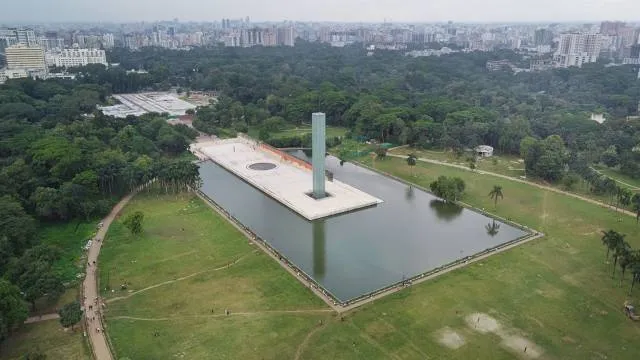
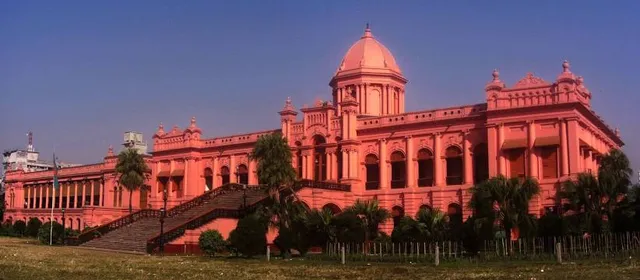
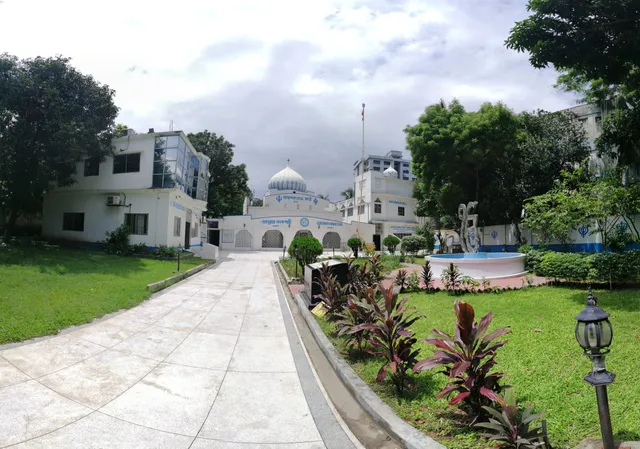
Suhrawardy Udyan formerly known as Ramna Race Course ground is a national memorial located in Dhaka, Bangladesh. It is named after Huseyn Shaheed Suhrawardy.. Originally it served as the military club of the Britishsoldiers stationed in Dhaka. It was then called the Ramna Race Course and later Ramna Gymkhana. After the end of colonial rule, the place – sometimes referred to as Dhaka Race Course – was used for legal horse racingh on Sundays.
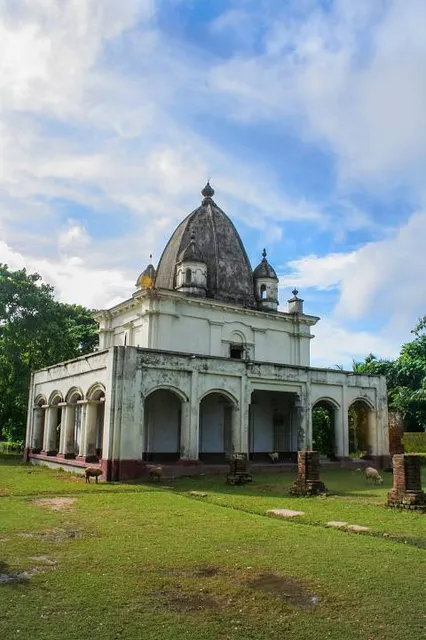
It is the resting place of three great national leaders, Sher-e-Bangla A. K. Fazlul Huq (1873–1962), Huseyn Shaheed Suhrawardy (1892–1963) and Khwaja Nazimuddin (1894–1964). Ramna Race Course was renamed after Huseyn Shaheed Suhrawardy. A Mughalstructure namely the Dhaka Gate was built adjacent to the park area of Suhrawardy Udyan. The gate was built by Mir Jumla II in 1660s.
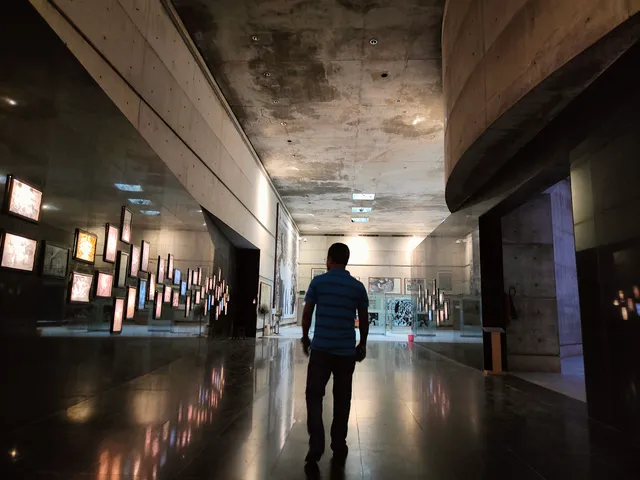
The Museum of Independence, Dhaka is situated within the park area. The museum depicts the history of the nation since Mughal tenure to independence in 1971.The museum was opened to public on March 25, 2015,the 45th Independence Day of Bangladesh In 1996, the Government of Bangladesh decided to build a monument to restore the memories of Bangladesh Liberation War in Suhrawardy Udyan of Dhaka.
In 1997 a competition was organised to select the best monument for the proposed project in Suhrawardy Udyan
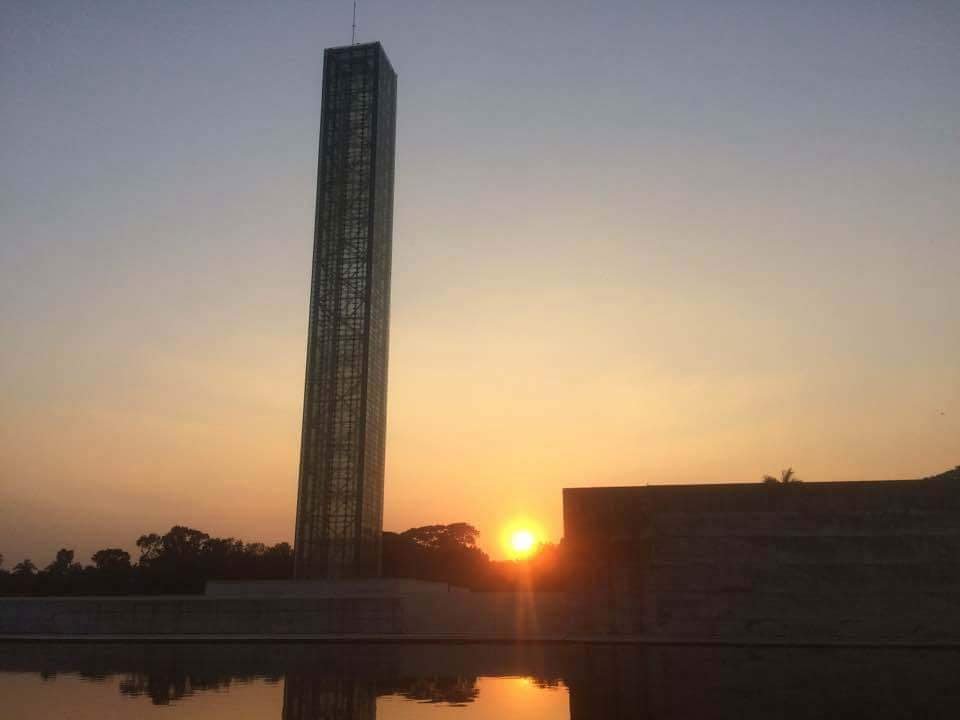
Their proposed project included a museum, multi-media projection theatre, amphitheater and other ancillary facilities in addition to the main focus of the project, the monument itself. The focal point in the experience of the space is the monument: a Tower of Light made of stacked glass sheets.
The design presented by Kashef Mahboob Chowdhury and Marina Tabassum won the competition and their design was selected for the proposed project. Their proposed project included a museum, multi-media projection theatre, amphitheater and other ancillary facilities in addition to the main focus of the project, the monument itself. The focal point in the experience of the space is the monument: a Tower of Light made of stacked glass sheets.
The design presented by Kashef Mahboob Chowdhury and Marina Tabassum won the competition and their design was selected for the...
Read moreShohrawardi Uddan: A Serene Oasis Beside the Children's Park
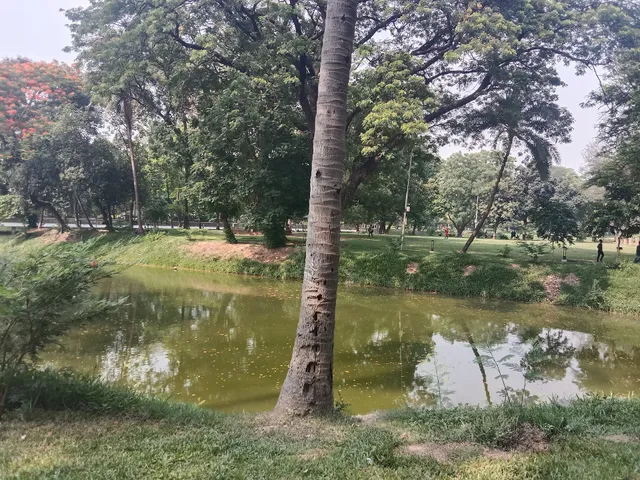
Nestled in the heart of the bustling city, Shohrawardi Uddan is a tranquil haven that stands as a testament to urban planning harmonizing with nature. This picturesque park, situated adjacent to a lively children's playground, offers a delightful escape from the city's hustle and bustle.
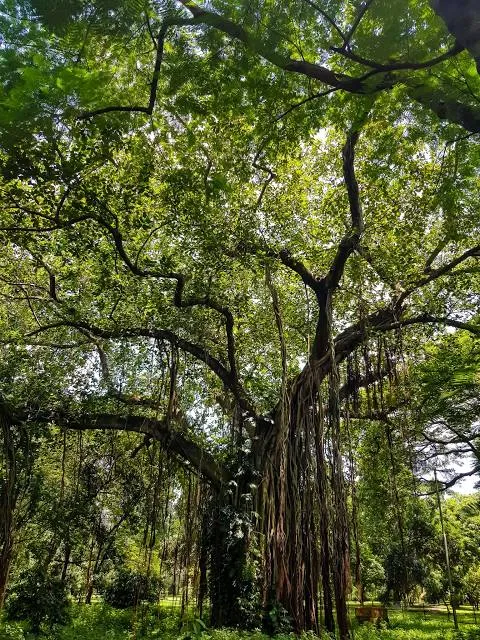
Spanning over lush green acres, Shohrawardi Uddan is a cherished oasis for locals and visitors alike. As you step through its welcoming gates, you are instantly greeted by a serene atmosphere. Towering trees provide ample shade, creating inviting spots for picnics, relaxation, or simply escaping the heat of the sun.
The park's design is a marvel of landscape architecture, with winding pathways that guide you through a vibrant tapestry of flora. Seasonal blooms paint the park in ever-changing colors, making it a haven for nature enthusiasts and photographers alike. It's a perfect place for a leisurely stroll, where the fragrance of flowers mingles with the soothing sounds of birdsong.
One of Shohrawardi Uddan's most charming features is its proximity to the children's park. This thoughtful layout encourages families to spend quality time together. Parents can watch their little ones delight in the swings, slides, and merry-go-rounds, all while being within arm's reach. The laughter of children intermingles with the tranquility of the park, creating a harmonious ambiance.
Shohrawardi Uddan isn't just about leisure; it's also a hub for community activities. Residents often gather here for yoga sessions, morning walks, and cultural events. The park provides a canvas for local artists to showcase their talents, with occasional art exhibitions and performances adding to its cultural appeal.
For those seeking a respite from the urban grind, Shohrawardi Uddan is a true gem. Its peaceful ambiance and proximity to a vibrant children's park make it a cherished destination for families, nature enthusiasts, and anyone yearning for a moment of tranquility in the heart of the city. It's a place where memories are made, and the beauty of nature meets the joy of childhood, creating an enduring charm that beckons visitors time...
Read moreSuhrawardy Udyan
The area then extended to Azimpur, Newmarket and Dhanmondi in the west, the present Secretariat Building, Curzon Hall, Chankhar Pool in the south and Purana Paltan, Segunbagicha, and Rajarbagh in the east and Central Road, Paribag and Iskaton in the north. During the British and Pakistani rule, one of the four police stations in Dhaka was named after Ramna. Currently, Ramna is one of the 20 police stations of Dhaka.
The history of Ramana begins in English 1610 AD when Subahdar Islam Khan founded the city of Dhaka during the reign of Mughal Emperor Jahangir. At that time, two excellent residential areas were developed in the northern suburbs of Dhaka. One of these was named Mohalla Chishtia after Subahdar Islam Khan Chishti's brother and the other area was named Mohalla Sujatpur after Suja Khan, one of Subahdar Islam Khan's generals. In addition to advanced homesteads, mosques, gardens, mausoleums, temples etc. were built in this area. After the fall of the Mughal Empire, Ramana gradually lost its former glory. Ramana's name does not appear much in government documents during the East India Company period. In fact, at that time Ramana was a forested and abandoned area with ruined buildings, temples, tombs etc scattered around.
British period editing In 1825, the British collector of Dhaka Mr. Douce took several special steps for the development of Dhaka city and since then Dhaka started regaining its old glory. At that time Collector Daus Ramana removed most of the old structures except the Kali temple and cleared the forest to make Ramana a clean area. He left intact the mosques and tombs that are now located to the west of the old High Court building. After clearing the entire area, he named it Ramana Green and enclosed the area with a wooden fence to be used as a race course. Ramana Kali Mandir is the Kali Mandir of Dasnami Gotra Hindus. The temple was located in the middle of the Ramana Race Course. It is believed that a devotee of Goddess Kali from Nepal built this temple. This Kali temple, one of the oldest and oldest in Dhaka city, was later renovated and developed by Rani Vilasmani...
Read more