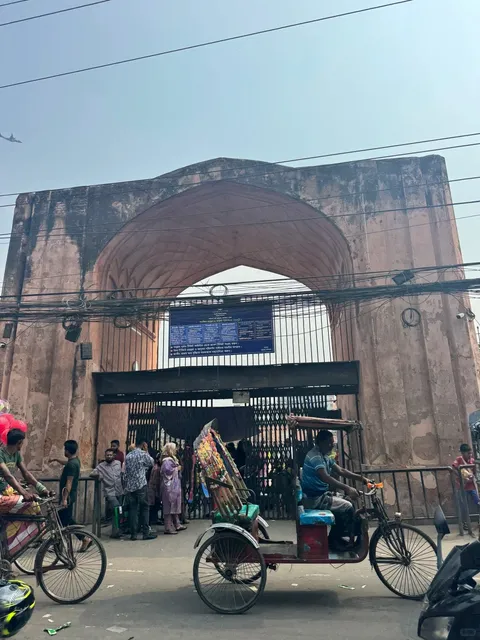
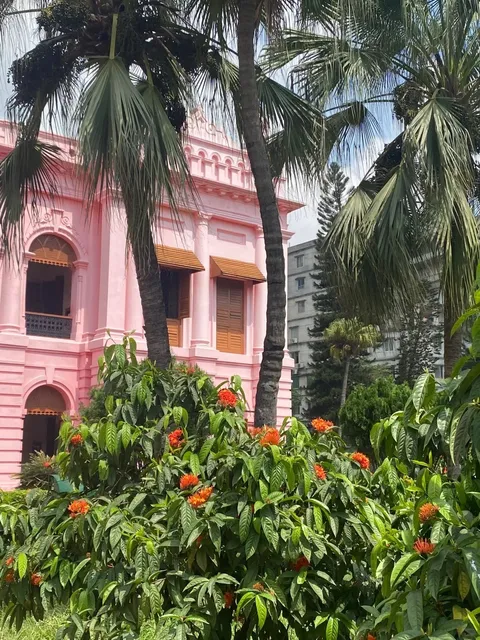
As an alumnus of the University of Dhaka, I can confidently say that my experience at this institution was truly transformative. Established in 1921, the University of Dhaka holds the distinction of being the oldest and most prestigious university in Bangladesh. Over the years, it has evolved into a center of academic excellence, research, and cultural heritage, making it a cherished alma mater for countless individuals.
One of the university's most significant strengths is its diverse and extensive range of academic programs. From science and engineering to humanities, social sciences, and business, the University of Dhaka offers a wide array of disciplines to cater to the interests and ambitions of students from all walks of life. The faculty members, who are experts in their respective fields, bring a wealth of knowledge and experience to the classroom, enriching the learning experience.
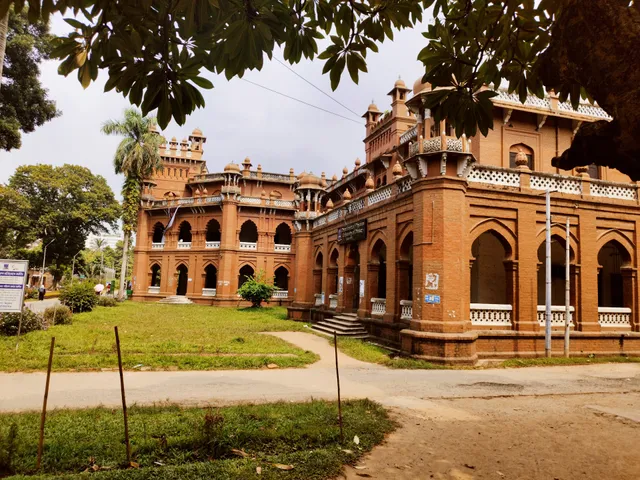
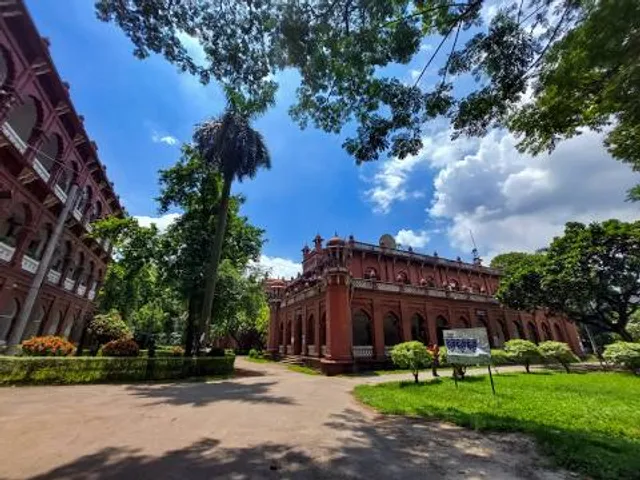
The campus itself is steeped in history and adorned with beautiful architecture, offering a pleasant environment for learning and personal growth. The central Shaheed Minar and the Curzon Hall stand as iconic symbols of the university's cultural heritage. The lush greenery and open spaces provide a serene atmosphere, fostering creativity and critical thinking among the students.
Moreover, the university's commitment to research and innovation is commendable. It houses numerous research centers and institutes where groundbreaking research is carried out in various fields. Students have access to well-equipped laboratories, libraries, and online resources, empowering them to delve deep into their areas of interest and contribute meaningfully to their chosen fields.
The University of Dhaka is also known for its vibrant extracurricular activities and student organizations. From cultural events and sports competitions to debates and seminars, there is always something happening on campus, allowing students to develop leadership skills, build lasting friendships, and embrace a holistic university experience.
However, like any large institution, the University of Dhaka does have its challenges. Limited resources and infrastructure constraints can sometimes affect the overall experience. Class sizes, particularly in popular programs, can be large, leading to less individualized attention. Nonetheless, the dedicated faculty and staff work tirelessly to ensure that students receive the best possible education despite these hurdles.
Furthermore, the location of the university in the heart of Dhaka city provides both advantages and disadvantages. While it offers easy access to various amenities, transportation, and cultural attractions, it also exposes students to the hustle and bustle of a crowded city.
In conclusion, the University of Dhaka remains a bastion of education and culture in Bangladesh. Its storied history, diverse academic offerings, and commitment to research make it an excellent choice for aspiring scholars and intellectuals. While there may be certain challenges to address, the overall experience at this esteemed institution is sure to leave a lasting positive impact on the lives of...
Read moreDhaka University (DU), the oldest public university in Bangladesh, started its journey on July 1, 1921. This year marks the centenary of the institution. DU was started after many obstacles and conspiracies; the story behind its establishment comes from the efforts and sacrifices of many selfless heroes.
The institution started in 1911 after the British Government annulled the partition of Bengal. The partition previously provided the Muslim majority community an opportunity to create better lives for themselves. The two reasons behind the delay of DU's establishment were the powerful opposition of Hindu leaders, and the timeline colliding with the First World War.
Nawab Sir Salimullah, the fourth Nawab of Dhaka and one of the leading Muslim politicians during the British regime, first expressed his anguish and disappointment to the British Viceroy Lord Hardinge, demanding the development of institutions for the advancement of education in East Bengal. The university also owes gratitude to Nawab Sir Salimullah, who donated 600 acres of land from his estate for the establishment.
Army set up check-post at Shahbagh on July 3, 2021. Photo: Palash Khan
In 1912, several Muslim leaders, including Sir Nawab Salimullah, Nawab Syed Nawab Ali Choudhury, Nawab of Dhanbari of Tangail, and Sher-E-Bangla A K Fazlul Huq, prominent Bengali lawyer, writer, and parliamentarian, further consulted with the Viceroy about the situation.
In an official announcement, on February 2, 1912, the government stated its intention to establish Dhaka University. This move was faced with much contempt and disappointment by many Hindu leaders; a delegation of Hindu leaders even met with the Viceroy, opposing the decision.
After obtaining the approval of the Secretary of State, in a letter on April 4, 1912, the government of India invited the government of Bengal to submit a complete scheme for the university. Accordingly, through a resolution on May 27, 1912, the government of Bengal appointed a committee of 13 members headed by Robert Nathan, a barrister from London, to draw up the scheme. The Secretary of State approved the Commission's report on December 1913.
Known as the Nathan commission, the members included GW Kuchlu, Rashbehari Ghosh, Nawab Sirajul Islam, Ananda Chandra Ray, Mohamed Ali, Satis Chandra Acharji, and Lalit Mohan Chatterjee among others. DS Fraser was appointed the Secretary of this Committee.
However, the developments were halted by the First World War. In 1917, the Calcutta University Commission reviewed the work for DU and on March 18, 1919, the Commission approved the establishment. The Dhaka University Act (Act No 13) of 1920 was passed by the Indian Legislative Assembly on March 13, 1920.
Under the leadership of Philip Joseph Hartog, the first Vice-Chancellor of DU, the university opened its doors to students on July 1, 1921. Lord Lytton, a former Viceroy of India later claimed on February 22, 1923, that it was Dhaka's "greatest possession" and a "splendid institution". From then till now, the legacy of Dhaka University continues to inspire generations of scholars and...
Read moreDhaka University, established in 1921, stands as one of the most prestigious and renowned universities in Bangladesh and South Asia. Here is a comprehensive review based on its historical significance, academic excellence, faculty, campus life, and overall impact:
Historical Significance and Reputation: Dhaka University holds immense historical and cultural significance in Bangladesh. It has been a hub of academic and intellectual pursuits for nearly a century, contributing significantly to the nation's development and shaping the minds of countless leaders, scholars, and professionals.
Academic Excellence: The university is celebrated for its academic excellence. It offers a wide array of undergraduate, graduate, and doctoral programs in various disciplines. Dhaka University is known for its rigorous curriculum, research opportunities, and a commitment to fostering critical thinking and analytical skills among its students.
Diverse Faculty: Dhaka University boasts a diverse and accomplished faculty. Many professors are not only experts in their fields but also actively engaged in cutting-edge research, enriching the learning experience for students. Their mentorship and guidance contribute significantly to the academic success of the university.
Research and Innovation: The university is a hub of research and innovation. Faculty and students are involved in groundbreaking research projects, contributing valuable knowledge across disciplines. The university's research initiatives often address pressing societal issues, making a meaningful impact on the local and global community.
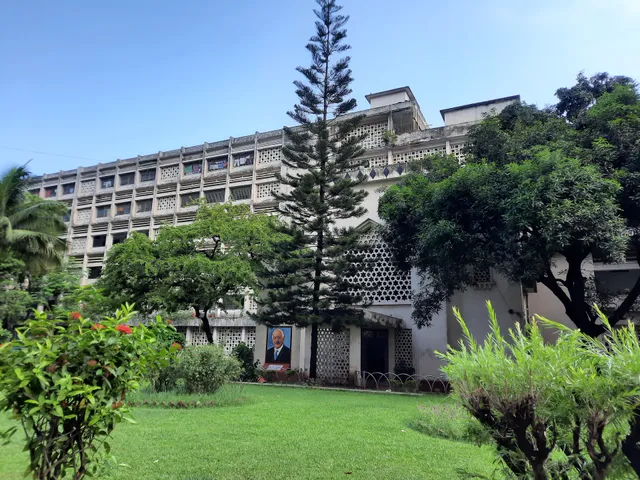
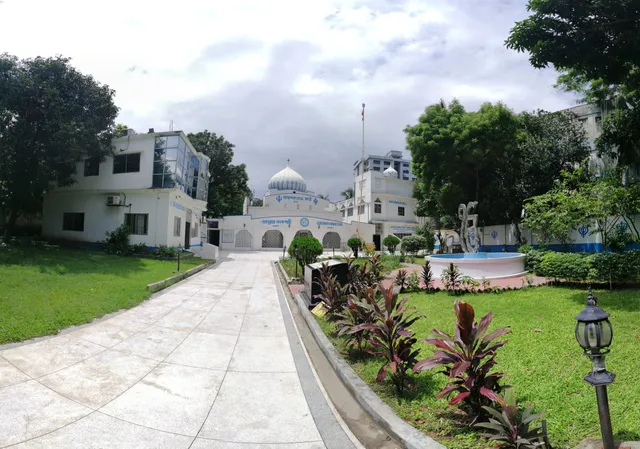
Campus Life: Dhaka University offers a vibrant campus life. The university's beautiful campus, with its historic buildings and lush greenery, provides a conducive environment for learning and personal growth. Various clubs, societies, and cultural events enrich the student experience, encouraging holistic development.
Alumni Impact: The alumni of Dhaka University have made significant contributions to various fields globally. Many renowned leaders, academics, and professionals in Bangladesh and beyond are proud graduates of this institution. The university's alumni network is influential, offering opportunities for networking and collaboration.
Challenges: Like any large and prestigious institution, Dhaka University faces challenges, including infrastructural limitations and the need for continued investment in research facilities. Addressing these challenges while maintaining academic excellence is an ongoing endeavor.
In conclusion, Dhaka University stands as a beacon of academic brilliance, intellectual inquiry, and cultural richness. Its impact on the nation's education landscape and the global academic community is substantial. For students seeking a high-quality education, vibrant campus life, and exposure to diverse perspectives, Dhaka University continues to be an...
Read more