HTML SitemapExplore
logo
Find Things to DoFind The Best Restaurants

Central Shaheed Minar — Attraction in Dhaka Metropolitan

Name
Central Shaheed Minar
Description
Nearby attractions
Suhrawardy Udyan
Dhaka 1000, Bangladesh
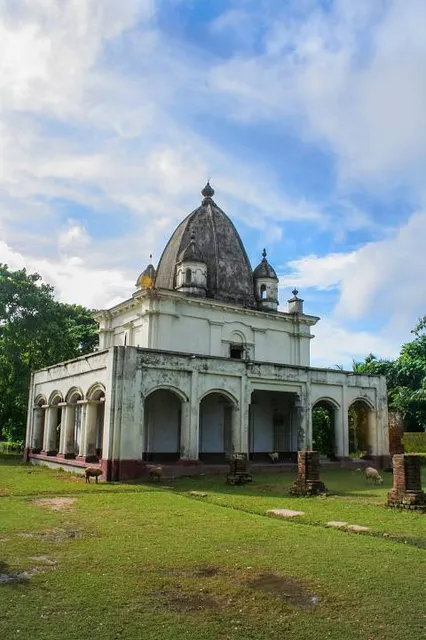
Ramna Kali Temple
9-10, Old Mymensingh Road, Kazi Nazrul Islam Ave, Dhaka 1000, Bangladesh
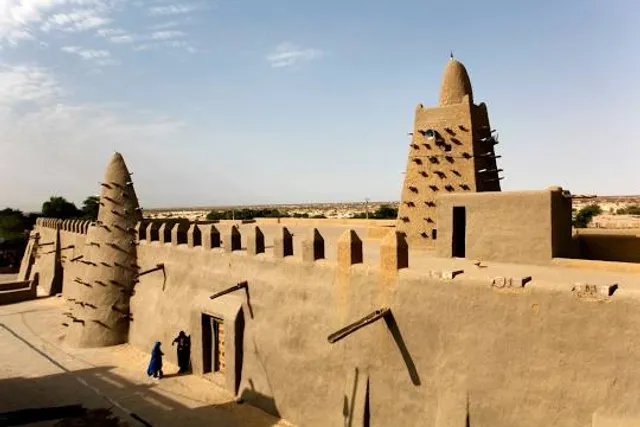
The Great Musa Khan Mosque
Curzon Hall, Dhaka 1000, Bangladesh
Hussaini Dalan
1 Hussaini Dalan Rd, Dhaka 1211, Bangladesh
Dhakeshwari National Temple
Dhaka, Bangladesh
University of Dhaka
Nilkhet Rd, Dhaka 1000, Bangladesh
Museum of Independence
P9MX+J9F, Suhrawardi Udyan Rd, Dhaka 1000, Bangladesh
Oporajeyo Bangla
P9MR+GXG, University Street, Dhaka 1205, Bangladesh
Asiatic Society Heritage Museum, Nimtali Deuri, Dhaka
Asiatic Society of Bangladesh 5, Old Secretariat Road, Nimtoli Ln, Dhaka 1000, Bangladesh
Eternal Flame
1000 Shahbag Foot Over Bridge, Dhaka, Bangladesh
Nearby restaurants
The Eatico
88, 89 Nazimuddin Rd, Dhaka, Bangladesh
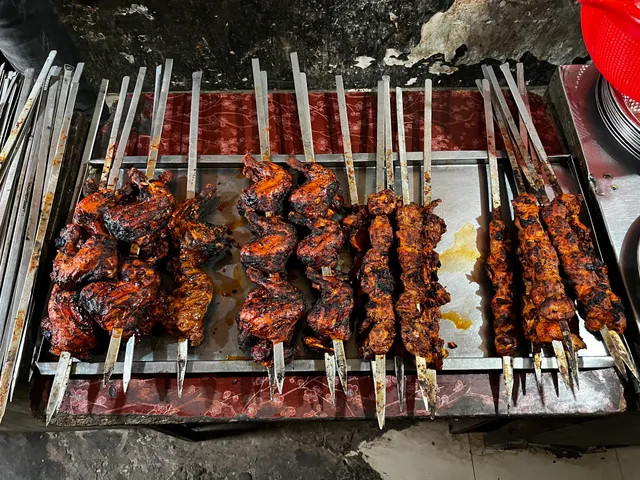
Mashallah Kabab (Nazimuddin Road)
P9CX+47Q, Dhaka, Bangladesh
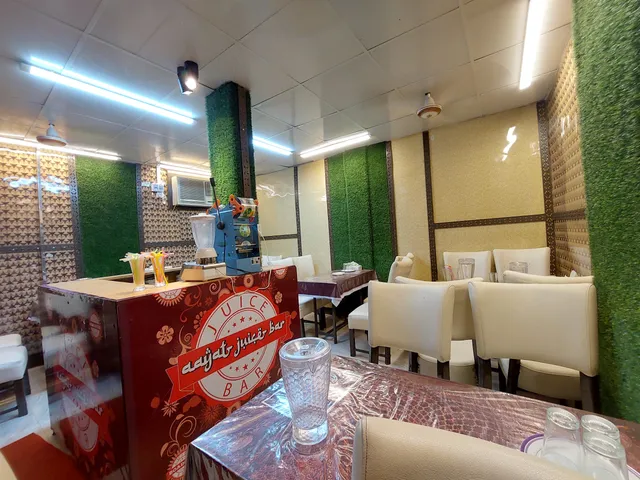
Ayaat Biriyani and Juice Bar
8 Nazimuddin Rd, Dhaka, Bangladesh
Nearby hotels
Hotel White House International Residential
81/B/2, Chankharpul Zahir Raihan Rd, Dhaka 1211, Bangladesh
Hotel Victoria Inn
৮৩ নাজিমুদ্দিন রোড চাখারপুল, Dhaka, Bangladesh
Related posts
Keywords
Central Shaheed Minar tourism.Central Shaheed Minar hotels.Central Shaheed Minar bed and breakfast. flights to Central Shaheed Minar.Central Shaheed Minar attractions.Central Shaheed Minar restaurants.Central Shaheed Minar travel.Central Shaheed Minar travel guide.Central Shaheed Minar travel blog.Central Shaheed Minar pictures.Central Shaheed Minar photos.Central Shaheed Minar travel tips.Central Shaheed Minar maps.Central Shaheed Minar things to do.
Central Shaheed Minar things to do, attractions, restaurants, events info and trip planning
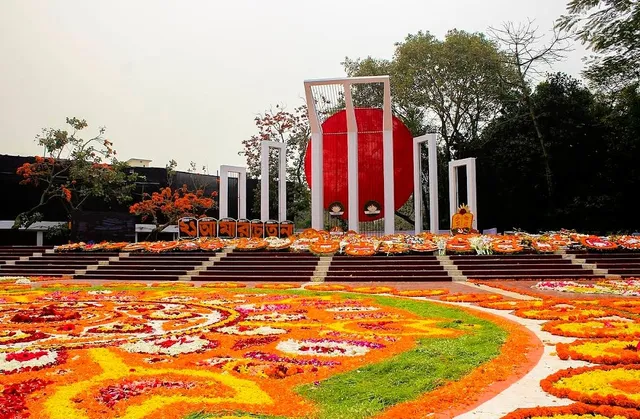
Central Shaheed Minar
BangladeshDhaka DivisionDhaka MetropolitanCentral Shaheed Minar

Basic Info

Central Shaheed Minar

Near Dhaka Medical College Gate, Secretariat Road, Secretariate Rd, Dhaka 1000, Bangladesh
4.6(7.9K)
Open 24 hours
Save
spot

Ratings & Description

Info

Cultural
Scenic
Accessibility
Family friendly
attractions: Suhrawardy Udyan, Ramna Kali Temple, The Great Musa Khan Mosque, Hussaini Dalan, Dhakeshwari National Temple, University of Dhaka, Museum of Independence, Oporajeyo Bangla, Asiatic Society Heritage Museum, Nimtali Deuri, Dhaka, Eternal Flame, restaurants: The Eatico, Mashallah Kabab (Nazimuddin Road), Ayaat Biriyani and Juice Bar
logoLearn more insights from Wanderboat AI.

Plan your stay

hotel
Pet-friendly Hotels in Dhaka Metropolitan
Find a cozy hotel nearby and make it a full experience.

hotel
Affordable Hotels in Dhaka Metropolitan
Find a cozy hotel nearby and make it a full experience.

hotel
The Coolest Hotels You Haven't Heard Of (Yet)
Find a cozy hotel nearby and make it a full experience.

hotel
Trending Stays Worth the Hype in Dhaka Metropolitan
Find a cozy hotel nearby and make it a full experience.

Reviews

Nearby attractions of Central Shaheed Minar

Suhrawardy Udyan

Ramna Kali Temple

The Great Musa Khan Mosque

Hussaini Dalan

Dhakeshwari National Temple

University of Dhaka

Museum of Independence

Oporajeyo Bangla

Asiatic Society Heritage Museum, Nimtali Deuri, Dhaka

Eternal Flame
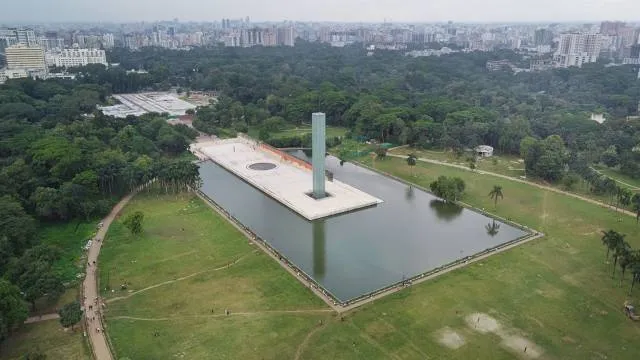
Suhrawardy Udyan

Suhrawardy Udyan

4.4

(10.6K)

Closed
Click for details
Ramna Kali Temple

Ramna Kali Temple

4.5

(1.3K)

Open 24 hours
Click for details
The Great Musa Khan Mosque

The Great Musa Khan Mosque

4.7

(196)

Open 24 hours
Click for details
Hussaini Dalan

Hussaini Dalan

4.5

(261)

Open 24 hours
Click for details

Nearby restaurants of Central Shaheed Minar

The Eatico

Mashallah Kabab (Nazimuddin Road)

Ayaat Biriyani and Juice Bar

The Eatico

The Eatico

3.9

(140)

Click for details
Mashallah Kabab (Nazimuddin Road)

Mashallah Kabab (Nazimuddin Road)

4.3

(45)

Click for details
Ayaat Biriyani and Juice Bar

Ayaat Biriyani and Juice Bar

3.0

(1)

Click for details
Get the Appoverlay
Get the AppOne tap to find yournext favorite spots!
Wanderboat LogoWanderboat

Your everyday Al companion for getaway ideas

CompanyAbout Us
InformationAI Trip PlannerSitemap
SocialXInstagramTiktokLinkedin
LegalTerms of ServicePrivacy Policy

Get the app

© 2025 Wanderboat. All rights reserved.
logo

Reviews of Central Shaheed Minar

4.6
(7,864)
avatar
5.0
7y

Shaheed Minar monument built in memory of the mother language martyrs, who were killed on 21 February 1952 during the language movement. A memorial to the martyrs was built immediately after the killings, on 23 February 1952.

The planning, selection of the site and the construction work of the memorial were done on the initiative of the students of Dhaka Medical College. The small structure of the first memorial, on a base 101/2 feet high and 6 feet wide, was constructed at the spot where the shootings had taken place: the south-eastern corner of the present Shaheed Minar premises. Immediately after construction, a plate with the words ‘Shaheed Smrtistambha’ (monument in the memory of the martyrs) was affixed to the monument.

Original Shaheed Minar 1952, Dhaka The memorial became a focal point for the city dwellers and became the symbol of protests. People thronged there in groups. The memorial was formally inaugurated by abul kalam shamsuddin, the then editor of the daily azad, on the morning of 26 February. Police cordoned the Medical College hostel that afternoon and demolished the monument. Although the monument was demolished, the Pakistani ruling coterie could not efface the memory of the martyrs. Innumerable small memorials on the same model were built all over the country, specially in the educational institutions. In 1953 the students and youth community of the country observed 21 February as 'Shaheed Dibas' (martyrs' day). A replica of the memorial in red paper was installed in 1953 in the yard of the Medical College Hostel at the spot where the first memorial had been built. It was covered with a black cloth. From that symbolic Shaheed Minar, students launched their prabhat pheri (mourning procession) on 21 February for the first time that year. The following year (1954) as well the students observed Shaheed Day in a similar manner. The United Front Government assumed power on 3 April 1954.

In the Session of 9 May the government announced that, according to their commitment in the 21-point programme, the Shaheed Minar would be built. 21 February was declared as Shaheed Day and also as a public holiday. However, the United Front Government could not execute its decision as it was ousted from power on 30 May the same year. The foundation stone of the Shaheed Minar was laid for the second time on 21 February 1956 by Abu Hossain Sarkar, the then Chief Minister of East Pakistan, along with Maulana abdul hamid khan bhasani and Hasina Begum, mother of Abul Barkat, the language martyr. Simultaneously, 21 February was formally declared Shaheed Day as well as a public holiday.

In 1957, with an Awami League government in power in East Pakistan, the construction work of the Shaheed Minar commenced in the yard of the Medical College Hostel. hamidur rahman had designed a massive Shaheed Minar complex on a large tract of land. In the design there was a half-circular column as a symbol of the mother and her martyred sons standing on the dais in the main part of the monument. Many yellow and deep blue pieces of glass were to be imbedded in the column as symbols of eyes from which the rays of the sun would be reflected. Besides, there was to be a railing adorned with the Bangla alphabet in front of the monument complex and also two footprints, one red and one black, symbolising the two opposing forces. The design also included a museum, a library and a series of mural paintings. At one end there was supposed to be an eye-shaped fountain with a high...

   Read more
avatar
5.0
3y

Shaheed Minar, also known as the Martyrs' Monument, is a significant historical and cultural landmark located in various cities across Bangladesh, including Dhaka, Chittagong, and other major towns. The term "Shaheed" translates to "martyr" in English, and "Minar" means "tower." These monuments serve as memorials dedicated to the martyrs who sacrificed their lives for the language movement of 1952, which played a pivotal role in the linguistic and cultural identity of Bangladesh.

The origins of the Shaheed Minar can be traced back to the events of February 21, 1952. During the partition of India in 1947, Bengal was divided into two regions, East Bengal (later East Pakistan, now Bangladesh) and West Bengal (a part of India). However, the people of East Bengal faced significant cultural and linguistic challenges as the central government of Pakistan imposed Urdu as the sole state language, disregarding the majority Bengali-speaking population.

In protest against this language policy, students and activists organized a demonstration on February 21, 1952, demanding recognition of Bengali as one of the state languages of Pakistan. The protest turned violent when police opened fire on the peaceful demonstrators, resulting in the tragic deaths of several students, including Abdus Salam, Rafiq Uddin Ahmed, Abdul Jabbar, Abul Barkat, and Shafiur Rahman.

The tragic events of that day sparked widespread outrage and fueled the language movement, eventually leading to the recognition of Bengali as a state language of Pakistan in 1956 and later, Bangladesh's independence in 1971. To commemorate the martyrs and their sacrifice, the concept of the Shaheed Minar was born.

The design of the Shaheed Minar varies across different locations but typically consists of a tall, imposing structure. It often features a central tower with distinctive architectural elements, such as curves, arches, and intricate details. The monument stands as a symbol of resilience, unity, and the indomitable spirit of the Bengali people.

Shaheed Minar has become an integral part of Bangladesh's cultural landscape and is closely associated with its national identity. It serves as a site for annual observances on February 21, known as "Shaheed Dibas" or "International Mother Language Day." On this day, people gather at the monument to pay their respects to the martyrs, offer flowers, recite poetry, and engage in cultural activities, emphasizing the importance of language, freedom, and national unity.

In addition to its historical significance, the Shaheed Minar also serves as a place for reflection, education, and cultural events throughout the year. It stands as a reminder of the sacrifices made by those who fought for language rights and continues to inspire generations with its powerful symbolism.

Overall, the Shaheed Minar stands as a poignant testament to the language movement of 1952 and the struggle for cultural identity and recognition. It embodies the collective memory and spirit of the Bangladeshi people, serving as a constant reminder of the importance of language, unity, and the ongoing pursuit of freedom...

   Read more
avatar
5.0
2y

Title: Paying Tribute to the Legacy of Sacrifice at DU Shaheed Minar

Introduction: Recently, I had the privilege of visiting DU Shaheed Minar, a monument of great historical and emotional significance. This iconic structure, located in Dhaka, Bangladesh, serves as a tribute to the brave souls who sacrificed their lives for the language movement of 1952. In this review, I will share my experience and reflect on the profound impact the DU Shaheed Minar has on visitors.

Historical Significance: DU Shaheed Minar stands as a symbol of the language movement and the struggle for linguistic and cultural identity in Bangladesh. It commemorates the sacrifices made by students and activists who fought for the recognition of the Bengali language. As I stood in front of the monument, I couldn't help but feel a deep sense of reverence for those who had given their lives for such a noble cause.

Architectural Grandeur: The architectural design of DU Shaheed Minar is both striking and evocative. The monument's towering structure, adorned with intricate detailing, commands attention and exudes a sense of solemnity. Its red brick construction, reminiscent of traditional Bengali architecture, adds to its cultural significance. The beauty and grandeur of the monument are a testament to the enduring legacy it represents.

Emotional Atmosphere: Visiting DU Shaheed Minar evokes a strong emotional response. The site is often filled with visitors paying their respects, leaving flowers, and reciting poems or prayers. The air is filled with a mixture of sadness, pride, and remembrance. It is a place where history and collective memory come together, creating a deeply moving and reflective atmosphere.

Symbol of Unity: The DU Shaheed Minar serves as a unifying force, bringing people together from all walks of life. Regardless of age, religion, or social background, visitors come to pay homage to the martyrs who fought for the preservation of their language. The monument fosters a sense of national identity and unity among the Bangladeshi people, reminding us of the power of language and cultural heritage.

Educational Value: In addition to its emotional impact, DU Shaheed Minar also offers educational value. The site provides historical information through plaques and signage, allowing visitors to deepen their understanding of the language movement and its significance. It serves as a reminder to future generations about the importance of preserving and celebrating cultural diversity.

Conclusion: Visiting DU Shaheed Minar was a profoundly moving experience. Its historical significance, architectural grandeur, emotional atmosphere, symbol of unity, and educational value all contribute to its importance as a national monument. This sacred site stands as a reminder of the sacrifices made for language and cultural identity. If you find yourself in Dhaka, I highly recommend taking the time to visit DU Shaheed Minar to pay homage to the martyrs and to gain a deeper appreciation of Bangladesh's rich history...

   Read more
Page 1 of 7
Previous
Next

Posts

Saki’s Kaizen JourneySaki’s Kaizen Journey
Shaheed Minar monument built in memory of the mother language martyrs, who were killed on 21 February 1952 during the language movement. A memorial to the martyrs was built immediately after the killings, on 23 February 1952. The planning, selection of the site and the construction work of the memorial were done on the initiative of the students of Dhaka Medical College. The small structure of the first memorial, on a base 101/2 feet high and 6 feet wide, was constructed at the spot where the shootings had taken place: the south-eastern corner of the present Shaheed Minar premises. Immediately after construction, a plate with the words ‘Shaheed Smrtistambha’ (monument in the memory of the martyrs) was affixed to the monument. Original Shaheed Minar 1952, Dhaka The memorial became a focal point for the city dwellers and became the symbol of protests. People thronged there in groups. The memorial was formally inaugurated by abul kalam shamsuddin, the then editor of the daily azad, on the morning of 26 February. Police cordoned the Medical College hostel that afternoon and demolished the monument. Although the monument was demolished, the Pakistani ruling coterie could not efface the memory of the martyrs. Innumerable small memorials on the same model were built all over the country, specially in the educational institutions. In 1953 the students and youth community of the country observed 21 February as 'Shaheed Dibas' (martyrs' day). A replica of the memorial in red paper was installed in 1953 in the yard of the Medical College Hostel at the spot where the first memorial had been built. It was covered with a black cloth. From that symbolic Shaheed Minar, students launched their prabhat pheri (mourning procession) on 21 February for the first time that year. The following year (1954) as well the students observed Shaheed Day in a similar manner. The United Front Government assumed power on 3 April 1954. In the Session of 9 May the government announced that, according to their commitment in the 21-point programme, the Shaheed Minar would be built. 21 February was declared as Shaheed Day and also as a public holiday. However, the United Front Government could not execute its decision as it was ousted from power on 30 May the same year. The foundation stone of the Shaheed Minar was laid for the second time on 21 February 1956 by Abu Hossain Sarkar, the then Chief Minister of East Pakistan, along with Maulana abdul hamid khan bhasani and Hasina Begum, mother of Abul Barkat, the language martyr. Simultaneously, 21 February was formally declared Shaheed Day as well as a public holiday. In 1957, with an Awami League government in power in East Pakistan, the construction work of the Shaheed Minar commenced in the yard of the Medical College Hostel. hamidur rahman had designed a massive Shaheed Minar complex on a large tract of land. In the design there was a half-circular column as a symbol of the mother and her martyred sons standing on the dais in the main part of the monument. Many yellow and deep blue pieces of glass were to be imbedded in the column as symbols of eyes from which the rays of the sun would be reflected. Besides, there was to be a railing adorned with the Bangla alphabet in front of the monument complex and also two footprints, one red and one black, symbolising the two opposing forces. The design also included a museum, a library and a series of mural paintings. At one end there was supposed to be an eye-shaped fountain with a high undulating platform.
Rejwan RafiRejwan Rafi
Title: Paying Tribute to the Legacy of Sacrifice at DU Shaheed Minar Introduction: Recently, I had the privilege of visiting DU Shaheed Minar, a monument of great historical and emotional significance. This iconic structure, located in Dhaka, Bangladesh, serves as a tribute to the brave souls who sacrificed their lives for the language movement of 1952. In this review, I will share my experience and reflect on the profound impact the DU Shaheed Minar has on visitors. Historical Significance: DU Shaheed Minar stands as a symbol of the language movement and the struggle for linguistic and cultural identity in Bangladesh. It commemorates the sacrifices made by students and activists who fought for the recognition of the Bengali language. As I stood in front of the monument, I couldn't help but feel a deep sense of reverence for those who had given their lives for such a noble cause. Architectural Grandeur: The architectural design of DU Shaheed Minar is both striking and evocative. The monument's towering structure, adorned with intricate detailing, commands attention and exudes a sense of solemnity. Its red brick construction, reminiscent of traditional Bengali architecture, adds to its cultural significance. The beauty and grandeur of the monument are a testament to the enduring legacy it represents. Emotional Atmosphere: Visiting DU Shaheed Minar evokes a strong emotional response. The site is often filled with visitors paying their respects, leaving flowers, and reciting poems or prayers. The air is filled with a mixture of sadness, pride, and remembrance. It is a place where history and collective memory come together, creating a deeply moving and reflective atmosphere. Symbol of Unity: The DU Shaheed Minar serves as a unifying force, bringing people together from all walks of life. Regardless of age, religion, or social background, visitors come to pay homage to the martyrs who fought for the preservation of their language. The monument fosters a sense of national identity and unity among the Bangladeshi people, reminding us of the power of language and cultural heritage. Educational Value: In addition to its emotional impact, DU Shaheed Minar also offers educational value. The site provides historical information through plaques and signage, allowing visitors to deepen their understanding of the language movement and its significance. It serves as a reminder to future generations about the importance of preserving and celebrating cultural diversity. Conclusion: Visiting DU Shaheed Minar was a profoundly moving experience. Its historical significance, architectural grandeur, emotional atmosphere, symbol of unity, and educational value all contribute to its importance as a national monument. This sacred site stands as a reminder of the sacrifices made for language and cultural identity. If you find yourself in Dhaka, I highly recommend taking the time to visit DU Shaheed Minar to pay homage to the martyrs and to gain a deeper appreciation of Bangladesh's rich history and heritage.
Morshed AlamMorshed Alam
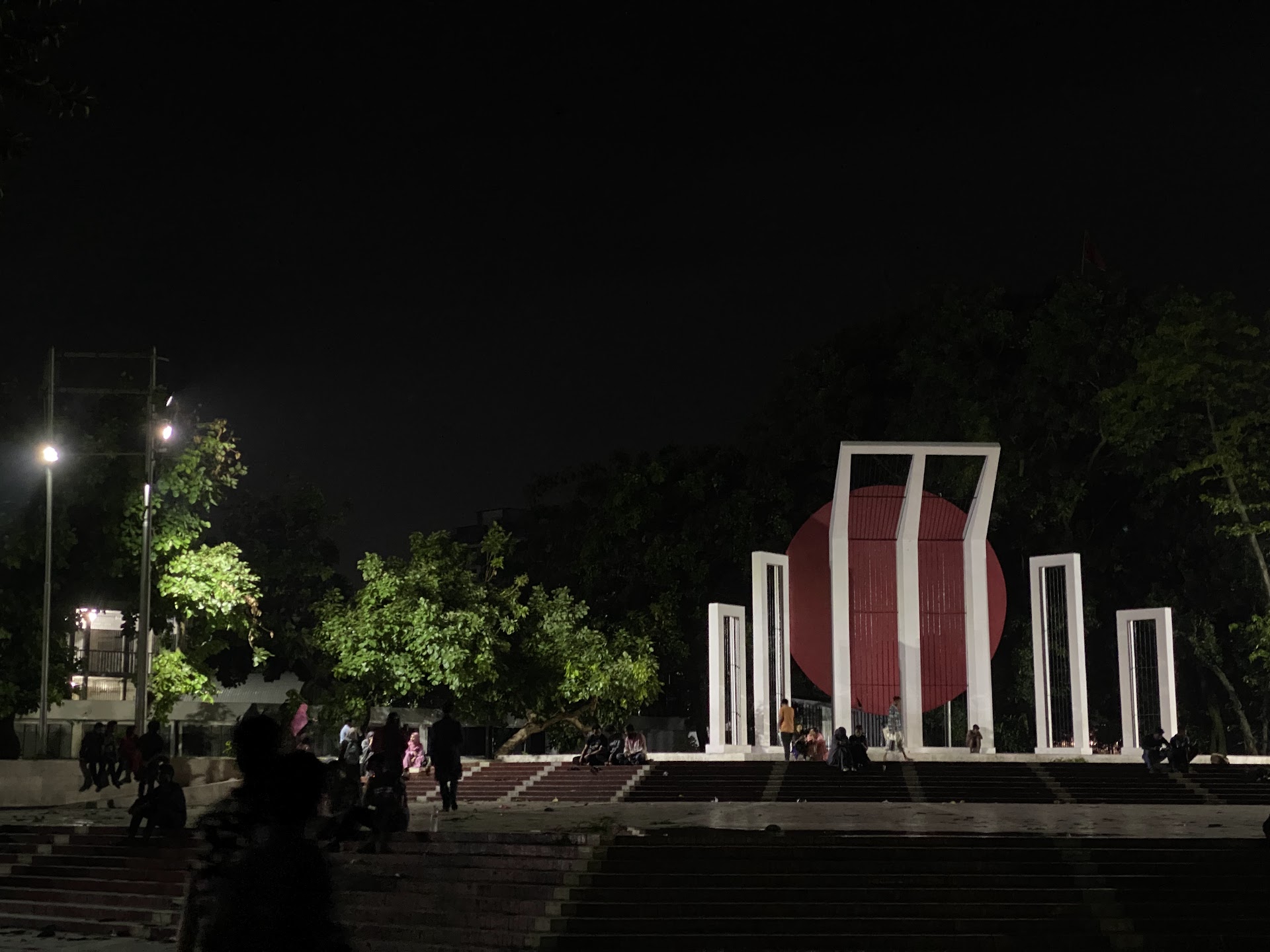
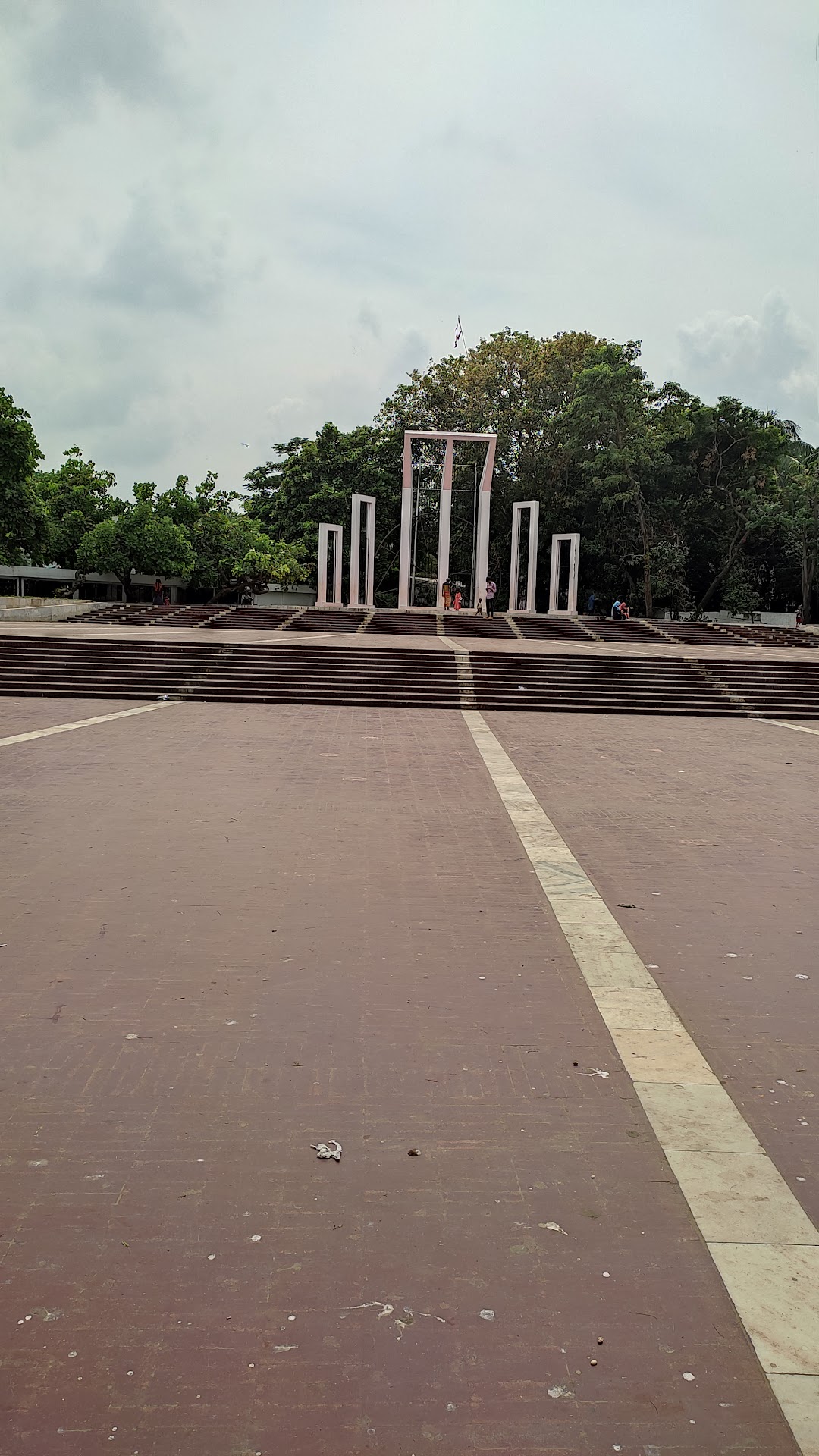
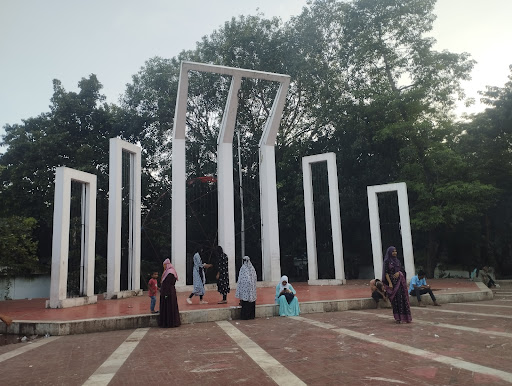
Here’s an in‑depth look at Central Shaheed Minar, the iconic national monument in Dhaka: The Shaheed Minar stands in the University of Dhaka area, adjacent to Dhaka Medical College Hospital, marking where the tragic events of 21–22 February 1952 unfolded during the Bengali Language Movement . Its creation honors the students and activists who were shot by police as they protested for recognition of Bengali as a state language . Design & Architecture • Designed by sculptors Hamidur Rahman and Novera Ahmed, this modernist structure features a semi-circular array of white columns, symbolizing a grieving mother with her fallen sons, set against a large red disk representing the rising sun . • Standing approximately 14 m (46 ft) tall, it is built with marble flooring, white-painted stairs and barriers, and includes sculpted poetry lines etched into the railings. A 1,500 sq ft mural on the basement illustrates the history of the Language Movement • Designed by sculptors Hamidur Rahman and Novera Ahmed, this modernist structure features a semi-circular array of white columns, symbolizing a grieving mother with her fallen sons, set against a large red disk representing the rising sun . Standing approximately 14 m (46 ft) tall, it is built with marble flooring, white-painted stairs and barriers, and includes sculpted poetry lines etched into the railings. A 1,500 sq ft mural on the basement illustrates the history of the Language Movement A Timeline of Struggle & Rebirth • 23 Feb 1952: Students erected a hastily built brick memorial, demolished just days later by authorities . • 1957–1963: Construction of the permanent monument began; completed under political constraints, it was inaugurated in February 1963 (). • 1971: The monument was destroyed by Pakistani forces during the Liberation War. • Reconstructed in 1973, and further expanded in 1983, becoming the version that remains today . ⸻ 🧬 Symbolism & Cultural Role • It symbolizes linguistic nationalism, cultural pride, and respect for the martyrs of the Bengali language cause . • The site serves as a focal point for national observances—especially 21 February (Language Movement Day / Shaheed Dibas), now also UNESCO-recognized International Mother Language Day . ⸻ 🚶 Visiting Guide & Visitor Tips • Location: Inside Dhaka University campus, right beside Dhaka Medical College. • Accessibility: Open 24/7 with no entry fee; often visited barefoot as a sign of respect; accessible for most visitors . • Best time to visit: Cooler months from November to February; early morning or late afternoon recommended to avoid crowds and heat . • How to get there: Easy rickshaw or CNG access from around the university area; public buses stop nearby at Polashi or Medical College gate .
See more posts
See more posts
hotel
Find your stay

Pet-friendly Hotels in Dhaka Metropolitan

Find a cozy hotel nearby and make it a full experience.

Shaheed Minar monument built in memory of the mother language martyrs, who were killed on 21 February 1952 during the language movement. A memorial to the martyrs was built immediately after the killings, on 23 February 1952. The planning, selection of the site and the construction work of the memorial were done on the initiative of the students of Dhaka Medical College. The small structure of the first memorial, on a base 101/2 feet high and 6 feet wide, was constructed at the spot where the shootings had taken place: the south-eastern corner of the present Shaheed Minar premises. Immediately after construction, a plate with the words ‘Shaheed Smrtistambha’ (monument in the memory of the martyrs) was affixed to the monument. Original Shaheed Minar 1952, Dhaka The memorial became a focal point for the city dwellers and became the symbol of protests. People thronged there in groups. The memorial was formally inaugurated by abul kalam shamsuddin, the then editor of the daily azad, on the morning of 26 February. Police cordoned the Medical College hostel that afternoon and demolished the monument. Although the monument was demolished, the Pakistani ruling coterie could not efface the memory of the martyrs. Innumerable small memorials on the same model were built all over the country, specially in the educational institutions. In 1953 the students and youth community of the country observed 21 February as 'Shaheed Dibas' (martyrs' day). A replica of the memorial in red paper was installed in 1953 in the yard of the Medical College Hostel at the spot where the first memorial had been built. It was covered with a black cloth. From that symbolic Shaheed Minar, students launched their prabhat pheri (mourning procession) on 21 February for the first time that year. The following year (1954) as well the students observed Shaheed Day in a similar manner. The United Front Government assumed power on 3 April 1954. In the Session of 9 May the government announced that, according to their commitment in the 21-point programme, the Shaheed Minar would be built. 21 February was declared as Shaheed Day and also as a public holiday. However, the United Front Government could not execute its decision as it was ousted from power on 30 May the same year. The foundation stone of the Shaheed Minar was laid for the second time on 21 February 1956 by Abu Hossain Sarkar, the then Chief Minister of East Pakistan, along with Maulana abdul hamid khan bhasani and Hasina Begum, mother of Abul Barkat, the language martyr. Simultaneously, 21 February was formally declared Shaheed Day as well as a public holiday. In 1957, with an Awami League government in power in East Pakistan, the construction work of the Shaheed Minar commenced in the yard of the Medical College Hostel. hamidur rahman had designed a massive Shaheed Minar complex on a large tract of land. In the design there was a half-circular column as a symbol of the mother and her martyred sons standing on the dais in the main part of the monument. Many yellow and deep blue pieces of glass were to be imbedded in the column as symbols of eyes from which the rays of the sun would be reflected. Besides, there was to be a railing adorned with the Bangla alphabet in front of the monument complex and also two footprints, one red and one black, symbolising the two opposing forces. The design also included a museum, a library and a series of mural paintings. At one end there was supposed to be an eye-shaped fountain with a high undulating platform.
Saki’s Kaizen Journey

Saki’s Kaizen Journey

hotel
Find your stay

Affordable Hotels in Dhaka Metropolitan

Find a cozy hotel nearby and make it a full experience.

Get the Appoverlay
Get the AppOne tap to find yournext favorite spots!
Title: Paying Tribute to the Legacy of Sacrifice at DU Shaheed Minar Introduction: Recently, I had the privilege of visiting DU Shaheed Minar, a monument of great historical and emotional significance. This iconic structure, located in Dhaka, Bangladesh, serves as a tribute to the brave souls who sacrificed their lives for the language movement of 1952. In this review, I will share my experience and reflect on the profound impact the DU Shaheed Minar has on visitors. Historical Significance: DU Shaheed Minar stands as a symbol of the language movement and the struggle for linguistic and cultural identity in Bangladesh. It commemorates the sacrifices made by students and activists who fought for the recognition of the Bengali language. As I stood in front of the monument, I couldn't help but feel a deep sense of reverence for those who had given their lives for such a noble cause. Architectural Grandeur: The architectural design of DU Shaheed Minar is both striking and evocative. The monument's towering structure, adorned with intricate detailing, commands attention and exudes a sense of solemnity. Its red brick construction, reminiscent of traditional Bengali architecture, adds to its cultural significance. The beauty and grandeur of the monument are a testament to the enduring legacy it represents. Emotional Atmosphere: Visiting DU Shaheed Minar evokes a strong emotional response. The site is often filled with visitors paying their respects, leaving flowers, and reciting poems or prayers. The air is filled with a mixture of sadness, pride, and remembrance. It is a place where history and collective memory come together, creating a deeply moving and reflective atmosphere. Symbol of Unity: The DU Shaheed Minar serves as a unifying force, bringing people together from all walks of life. Regardless of age, religion, or social background, visitors come to pay homage to the martyrs who fought for the preservation of their language. The monument fosters a sense of national identity and unity among the Bangladeshi people, reminding us of the power of language and cultural heritage. Educational Value: In addition to its emotional impact, DU Shaheed Minar also offers educational value. The site provides historical information through plaques and signage, allowing visitors to deepen their understanding of the language movement and its significance. It serves as a reminder to future generations about the importance of preserving and celebrating cultural diversity. Conclusion: Visiting DU Shaheed Minar was a profoundly moving experience. Its historical significance, architectural grandeur, emotional atmosphere, symbol of unity, and educational value all contribute to its importance as a national monument. This sacred site stands as a reminder of the sacrifices made for language and cultural identity. If you find yourself in Dhaka, I highly recommend taking the time to visit DU Shaheed Minar to pay homage to the martyrs and to gain a deeper appreciation of Bangladesh's rich history and heritage.
Rejwan Rafi

Rejwan Rafi

hotel
Find your stay

The Coolest Hotels You Haven't Heard Of (Yet)

Find a cozy hotel nearby and make it a full experience.

hotel
Find your stay

Trending Stays Worth the Hype in Dhaka Metropolitan

Find a cozy hotel nearby and make it a full experience.

Here’s an in‑depth look at Central Shaheed Minar, the iconic national monument in Dhaka: The Shaheed Minar stands in the University of Dhaka area, adjacent to Dhaka Medical College Hospital, marking where the tragic events of 21–22 February 1952 unfolded during the Bengali Language Movement . Its creation honors the students and activists who were shot by police as they protested for recognition of Bengali as a state language . Design & Architecture • Designed by sculptors Hamidur Rahman and Novera Ahmed, this modernist structure features a semi-circular array of white columns, symbolizing a grieving mother with her fallen sons, set against a large red disk representing the rising sun . • Standing approximately 14 m (46 ft) tall, it is built with marble flooring, white-painted stairs and barriers, and includes sculpted poetry lines etched into the railings. A 1,500 sq ft mural on the basement illustrates the history of the Language Movement • Designed by sculptors Hamidur Rahman and Novera Ahmed, this modernist structure features a semi-circular array of white columns, symbolizing a grieving mother with her fallen sons, set against a large red disk representing the rising sun . Standing approximately 14 m (46 ft) tall, it is built with marble flooring, white-painted stairs and barriers, and includes sculpted poetry lines etched into the railings. A 1,500 sq ft mural on the basement illustrates the history of the Language Movement A Timeline of Struggle & Rebirth • 23 Feb 1952: Students erected a hastily built brick memorial, demolished just days later by authorities . • 1957–1963: Construction of the permanent monument began; completed under political constraints, it was inaugurated in February 1963 (). • 1971: The monument was destroyed by Pakistani forces during the Liberation War. • Reconstructed in 1973, and further expanded in 1983, becoming the version that remains today . ⸻ 🧬 Symbolism & Cultural Role • It symbolizes linguistic nationalism, cultural pride, and respect for the martyrs of the Bengali language cause . • The site serves as a focal point for national observances—especially 21 February (Language Movement Day / Shaheed Dibas), now also UNESCO-recognized International Mother Language Day . ⸻ 🚶 Visiting Guide & Visitor Tips • Location: Inside Dhaka University campus, right beside Dhaka Medical College. • Accessibility: Open 24/7 with no entry fee; often visited barefoot as a sign of respect; accessible for most visitors . • Best time to visit: Cooler months from November to February; early morning or late afternoon recommended to avoid crowds and heat . • How to get there: Easy rickshaw or CNG access from around the university area; public buses stop nearby at Polashi or Medical College gate .
Morshed Alam

Morshed Alam

See more posts
See more posts