The Great Musa Khan Mosque, located in the heart of the city, is a striking example of historical Islamic architecture, and one that captures both the spiritual and cultural essence of the region. A gem tucked away in the bustling streets, the mosque is a testament to the region's deep-rooted Islamic history and its rich architectural heritage.
Architectural Marvel
The first thing that catches your attention when you approach the mosque is its grandeur. The mosque is designed in a classic Mughal style, with intricately carved arches, impressive minarets, and a central dome that rises majestically into the sky. The delicate mosaic work and frescoes on the walls are breathtaking; they depict scenes of Islamic art and abstract patterns that transport you to another era. The mosqueâs structure, though timeless, has been carefully maintained, preserving its original beauty and charm.
The courtyard is expansive, providing ample space for worshippers, with a peaceful and serene atmosphere that contrasts beautifully with the busy city life outside. The prayer hall inside is equally awe-inspiring, with large columns supporting the roof, and detailed calligraphy decorating the walls. The ambiance is calm and reverent, inviting visitors to reflect and meditate.
Historical Significance
The Great Musa Khan Mosque holds deep historical significance, as it has been a central place of worship for generations. Named after Musa Khan, a revered figure in local history, the mosque serves as a spiritual hub, drawing people from all walks of life. Whether youâre there for prayers or simply to admire the architecture, the mosque offers a sense of connection to the past. It's a reminder of the rich cultural heritage that continues to influence the community today.
Peaceful Atmosphere
One of the most striking features of the Great Musa Khan Mosque is the peaceful atmosphere. Despite being located in a busy part of the city, the mosque remains a place of tranquility. The sound of the call to prayer echoes across the surroundings, and the calm of the mosque offers a brief respite from the fast-paced world outside. Visitors can take a moment to breathe in the spiritual serenity of the space.
Cultural Experience
For those interested in Islamic culture and architecture, the Great Musa Khan Mosque offers an unforgettable experience. It is not just a place of worship but a cultural landmark. Tourists and locals alike can take in the exquisite details of the mosqueâs design and learn about the traditions associated with it. The mosque plays an important role in preserving the region's Islamic heritage, making it a must-visit for anyone keen on learning about the history of the area.
Conclusion
The Great Musa Khan Mosque is more than just a place of prayer; it is a symbol of the cityâs rich cultural, architectural, and religious legacy. Its beauty, history, and tranquility make it a must-see destination, whether you are seeking spiritual solace or simply marveling at its architectural brilliance. Whether you're a local or a tourist, a visit to this mosque is an enriching experience that leaves you with a sense of awe...
   Read moreConstructed in the Indo-Persian architectural style, this mosque is a harmonious synthesis of cultural influences, with its origins attributed to Dewan Mohammad, the grandchild of Masnad-e-Ala Isa Khan. Located within the prominent Curzon Hall arena, this architectural gem not only reflects religious significance but also stands as a testament to historical craftsmanship.
Notably, alongside the Shahbaz Khan mosque in close proximity, both these structures have earned a coveted place in the protected monuments list curated by the Bangladesh Archaeology Department. This recognition underscores the cultural and historical importance assigned to these mosques, marking them as heritage sites deserving preservation and careful maintenance for future generations. The intricate details and historical lineage associated with these mosques make them not only places of worship but also key contributors to Bangladesh's rich architectural legacy.
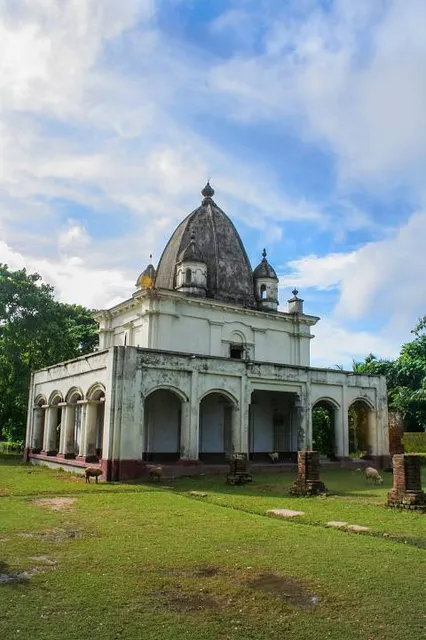
The region formerly referred to as Bagh-e-Musa Khan carries significant historical importance, owing to its association with Musa Khan, who was the son of the esteemed Baro Bhuyia Zamidar Isa Khan. While Musa Khan is traditionally attributed to the construction of the mosque within this area, its architectural style bears the hallmarks of Shaista Khani design, suggesting that the actual architect may have been Musa Khan's grandson, Munawar Khan. It is believed that Munawar Khan likely oversaw the construction during the era of Shaista Khan. The mosque itself is a striking replica of the Haji Khawaja Shahbaz mosque, which dates back to the year 1679 AD. Situated adjacent to the mosque, towards the north-eastern direction, is the tomb of Musa Khan, further enriching the cultural and historical fabric...
   Read moreA mosque of almost 350 years old that is one of few existent Mughal structures in Bangladesh. It is situated in the Dhaka University campus and near Dr. Muhammad Shahidullah Hall, and behind Curzon Hall and in front of Geology Department. People say that the most prominent emperor of Bar-Bhuiyans, the son of Emperor Isa khan, Musa khan built this mosque. But there is a contradiction in this story. The mosque was actually built in 1679 during the period of Subedar Sayesta khan and Musa khan died in 1623. Actually this was built by Diwan Munwar khan, the grandson of Emperor Musa khan in his(Musa khan) remembrance. So the clear history is that the mosque was named after the Emperor Musa Khan. One of the most interesting facts of this mosque is it is built on a vaulted platform of about 3 meters height. It has 3 domes in total. And you will have a staircase in the southwestern corner of the mosque. You will also see the grave of Musa khan in front of the mosque (north-eastern corner of the mosque). You are welcome to visit this one of the oldest Mughal structures...
   Read more