The people of Bangladesh are welcoming the new Bangla year, Pohela Boishakh 1425, with much enthusiasm and colourful festivals.
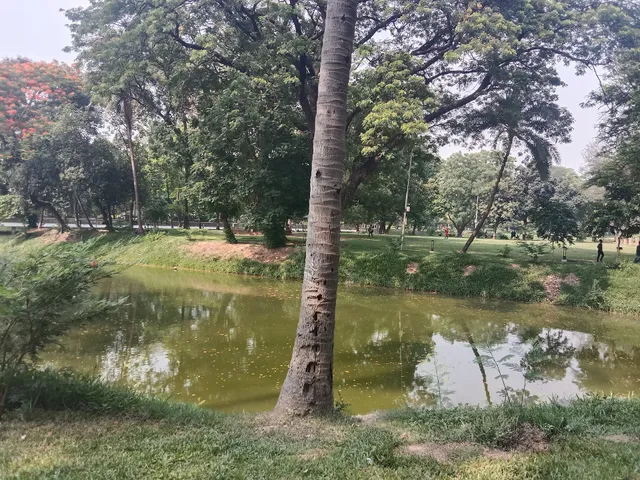
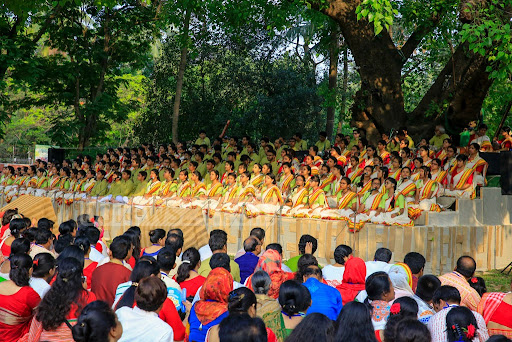
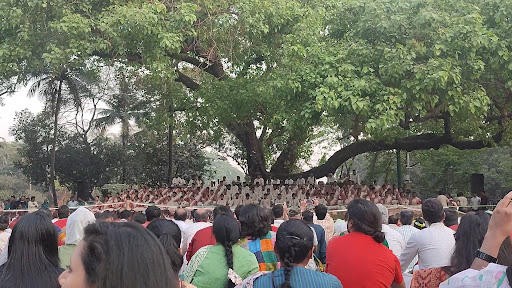
In Dhaka, thousands of people joined Chhayanaut’s programmes at the Ramna Batamul after Friday’s sunrise to welcome Boishakh where its in-house artists have been performing since 6am.
Chhayanaut says this year they will be presenting innovative performances. The first segment featured an instrumental session followed by music and poetry. Lokpala will be in the last segment.
After welcoming Boishakh, 115 artists sang “Aloker Ei Jhornadharay”.
This was the opening song in the first-ever Chhayanaut-organised Pohela Boishakh celebrations in 1967 protesting against the oppression and cultural aggression of the Pakistan. The song has since been sung in following Pohela Boishakh celebrations.
Chhayanaut’s this year’s theme is ‘joy, search for identity and humanity’.
Marking Chhayanaut’s 50th anniversary, Md Farashuddin unveiled the cover of “Aloker Jhornatola” memorial at Romeshchandra Dutt memorial auditorium at Chhayanaut building on Thursday afternoon.
Pohela Boishakh is one of the most colourful festivals through which the Bangalis bid farewell to the old year and welcome the new year.
Meanwhile, security has been ratcheted up around the Ramna Batamul. Police are not allowing anyone to enter the area with any kind of bags.
Dhaka Metropolitan Police (DMP) is giving out free bottled drinking water to women, children and the elderly people. Thousands of people have turned up this year in festive mood.
Police have ordered to wrap up open-air events in Dhaka before 5pm and said such programmes on the Dhaka University campus must end before 6pm.
The day is a public holiday. The government has planned programmes to celebrate the day.
Initiatives have been taken by different ministries to observe Pohela Boishakh this year with more importance after the Mongol Shobhajatra was inscribed on the Unesco’s Representative List of Intangible Cultural Heritage in November last year.
The government has ordered all the educational institutions to bring out Shobhajatra.
President Abdul Hamid and Prime Minister Sheikh Hasina greeted the people in separate messages on the occasion.
Different national dailies will publish supplements while Bangladesh Television and Bangladesh Betar will air special...
Read moreRamna Batamul is more than just a cultural programme. It is a celebration of life and a expression of hope in the face of adversity. It is a symbol of unity and a source of inspiration for the people of Bangladesh. It is a legacy of tradition and a vision of future¹.
Every year, on the first day of the Bengali New Year, Chaayanot, the leading cultural organization of Bangladesh, arranges Ramna Batamul in Ramna Park, a prestigious area in Dhaka⁴. Thousands of people gather there to witness the colourful performances of various artists, such as singers, dancers, musicians, poets, and actors. They also enjoy the festive atmosphere and the delicious food. Ramna Batamul is a occasion to share joy and a opportunity to learn from each other¹.
However, Ramna Batamul also has a historical significance. In 2001, it became the site of a bomb attack by a militant group called Harkat-ul-Jihad al-Islami (HuJI), who targeted the celebrations and killed ten people and injured fifty others¹². It was a heinous attack and unprecedented in the history of Bangladesh². Eight of the accused were sentenced to death and six to life in prison by a court in Dhaka in 2014². The families of the victims still wait for justice as two cases filed over the incident are yet to be disposed of 21 years later³.
Ramna Batamul is not only a cultural programme, but also a message of peace and a call for change. It shows that despite the challenges and conflicts, Bangladesh can still celebrate its diversity and harmony. It shows that despite the violence and hatred, Bangladesh can still uphold its values and aspirations. It shows that despite the past and present, Bangladesh can still dream for a...
Read moreবাংলা শুভ নববর্ষ পয়লা বৈশাখ বা পহেলা বৈশাখ (বাংলা পঞ্জিকার প্রথম মাস বৈশাখের ১ তারিখ) বাংলা সনের প্রথম দিন, তথা বাংলা নববর্ষ। দিনটি বাংলাদেশ এবং ভারতের পশ্চিমবঙ্গে শুভ নববর্ষ হিসেবে বিশেষ উৎসবের সাথে পালিত হয়। ত্রিপুরায় বসবাসরত বাঙালিরাও এই উৎসবে অংশ নেয়। সে হিসেবে এটি বাঙালিদের একটি সর্বজনীন উৎসব। বিশ্বের সকল প্রান্তের সকল বাঙালি এ দিনে নতুন বছরকে বরণ করে নেয়, ভুলে যাবার চেষ্টা করে অতীত বছরের সকল দুঃখ-গ্লানি। সবার কামনা থাকে যেন নতুন বছরটি সমৃদ্ধ ও সুখময় হয়। বিভিন্ন পর্যায়ের ব্যবসায়ীরা একে নতুনভাবে ব্যবসা শুরু করার উপলক্ষ্য হিসেবে বরণ করে নেয়। গ্রেগরীয় বর্ষপঞ্জি অনুসারে ১৪ই এপ্রিল অথবা ১৫ই এপ্রিল পহেলা বৈশাখ পালিত হয়। আধুনিক বা প্রাচীন যে কোন পঞ্জিকাতেই এই বিষয়ে মিল রয়েছে। বাংলাদেশে প্রতি বছর ১৪ই এপ্রিল এই উৎসব পালিত হয়। বাংলা একাডেমী কর্তৃক নির্ধারিত আধুনিক পঞ্জিকা অনুসারে এই দিন নির্দিষ্ট করা হয়েছে। এদিন বাংলাদেশ ও পশ্চিমবঙ্গের সকল সরকারি ও বেসরকারি প্রতিষ্ঠান বন্ধ থাকে।
বাংলা দিনপঞ্জীর সঙ্গে হিজরী ও খ্রিস্টীয় সনের মৌলিক পার্থক্য হলো হিজরী সন চাঁদের হিসাবে এবং খ্রিস্টীয় সন ঘড়ির হিসাবে চলে। এ কারণে হিজরী সনে নতুন তারিখ শুরু হয় সন্ধ্যায় নতুন চাঁদের আগমনে। ইংরেজি দিন শুর হয় মধ্যরাতে। পহেলা বৈশাখ রাত ১২ টা থেকে শুরু না সূর্যদোয় থেকে থেকে শুরু এটা নিয়ে অনেকের দ্বিধাদ্বন্দ্ব আছে, ঐতিহ্যগত ভাবে সূর্যদোয় থেকে বাংলা দিন গণনার রীতি থাকলেও ১৪০২ সালের ১ বৈশাখ থেকে বাংলা একাডেমী এই নিয়ম বাতিল করে আন্তর্জাতিক রীতির সাথে সামঞ্জস্য রাখতে রাত ১২.০০টায় দিন গণনা শুরুর নিয়ম চালু হয়।
ইতিহাস
হিন্দু সৌর পঞ্জিকা অনুসারে বাংলা বারটি মাস অনেক আগে থেকেই পালিত হত। এই সৌর পঞ্জিকার শুরু হত গ্রেগরীয় পঞ্জিকায় এপ্রিল মাসের মাঝামাঝি সময় হতে। হিন্দু সৌর বছরের প্রথম দিন আসাম, বঙ্গ, কেরল, মনিপুর, নেপাল, উড়িষ্যা, পাঞ্জাব, তামিল নাড়ু এবং ত্রিপুরার সংস্কৃতির অবিচ্ছেদ্য অংশ হিসেবে অনেক আগে থেকেই পালিত হত।এখন যেমন নববর্ষ নতুন বছরের সূচনার নিমিত্তে পালিত একটি সর্বজনীন উৎসবে পরিণত হয়েছে, এক সময় এমনটি ছিল না। তখন বাংলা শুভ নববর্ষ বা পহেলা বৈশাখ আর্তব উৎসব তথা ঋতুধর্মী উৎসব হিসেবে পালিত হত। তখন এর মূল তাৎপর্য ছিল কৃষিকাজ। প্রাযুক্তিক প্রয়োগের যুগ শুরু না হওয়ায় কৃষকদের ঋতুর উপরই নির্ভর করতে হত।
ভারতবর্ষে মুঘল সম্রাজ্য প্রতিষ্ঠার পর সম্রাটরা হিজরী পঞ্জিকা অনুসারে কৃষি পণ্যের খাজনা আদায় করত। কিন্তু হিজরি সন চাঁদের উপর নির্ভরশীল হওয়ায় তা কৃষি ফলনের সাথে মিলত না। এতে অসময়ে কৃষকদেরকে খজনা পরিশোধ করতে বাধ্য করতেহত। খাজনা আদায়ে সুষ্ঠুতা প্রণয়নের লক্ষ্যে মুঘল সম্রাট আকবর বাংলা সনের প্রবর্তন করেন। তিনি মূলত প্রাচীন বর্ষপঞ্জতে সংস্কার আনার আদেশ দেন। সম্রাটের আদেশ মতে তৎকালীন বাংলার বিখ্যাত জ্যোতির্বিজ্ঞানী ও চিন্তাবিদ ফতেহউল্লাহ সিরাজি সৌর সন এবং আরবি হিজরী সনের উপর ভিত্তি করে নতুন বাংলা সনের নিয়ম বিনির্মাণ করেন। ১৫৮৪ খ্রিস্টাব্দের ১০ই মার্চ বা ১১ই মার্চ থেকে বাংলা সন গণনা শুরু হয়। তবে এই গণনা পদ্ধতি কার্যকর করা হয় আকবরের সিংহাসন আরোহণের সময় (৫ই নভেম্বর, ১৫৫৬) থেকে। প্রথমে এই সনের নাম ছিল ফসলি সন, পরে বঙ্গাব্দ বা বাংলা বর্ষ নামে পরিচিত হয়।
আকবরের সময়কাল থেকেই পহেলা বৈশাখ উদ্যাপন শুরু হয়। তখন প্রত্যেককে চৈত্র মাসের শেষ দিনের মধ্যে সকল খাজনা, মাশুল ও শুল্ক পরিশোধ করতে হত। এর পর দিন অর্থাৎ পহেলা বৈশাখে ভূমির মালিকরা নিজ নিজ অঞ্চলের অধিবাসীদেরকে মিষ্টান্ন দ্বারা আপ্যায়ন করতেন। এ উপলক্ষ্যে বিভিন্ন উৎসবের আয়োজন করা হত। এই উৎসবটি একটি সামাজিক অনুষ্ঠানে পরিণত হয় যার রুপ পরিবর্তন হয়ে বর্তমানে এই পর্যায়ে এসেছে। তখনকার সময় এই দিনের প্রধান ঘটনা ছিল একটি হালখাতা তৈরি করা। হালখাতা বলতে একটি নতুন হিসাব বই বোঝানো হয়েছে। প্রকৃতপক্ষে হালখাতা হল বাংলা সনের প্রথম দিনে দোকানপাঠের হিসাব আনুষ্ঠানিকভাবে হালনাগাদ করার প্রক্রিয়া। গ্রাম, শহর বা বাণিজ্যিক এলাকা, সকল স্থানেই পুরনো বছরের হিসাব বই বন্ধ করে নতুন হিসাব বই খোলা হয়। হালখাতার দিনে দোকনদাররা তাদের ক্রেতাদের মিষ্টান্ন আপ্যায়ন করে থাকে। এই প্রথাটি এখনও অনেকাংশে প্রচলিত আছে, বিশেষত স্বর্ণের দোকানে।
আধুনিক নববর্ষ উদযাপনের খবর প্রথম পাওয়া যায় ১৯১৭ সালে। প্রথম মহাযুদ্ধে ব্রিটিশদের বিজয় কামনা করে সে বছর পহেলা বৈশাখে হোম কীর্ত্তণ ও পূজার ব্যবস্থা করা হয়। এরপর ১৯৩৮ সালেও অনুরূপ কর্মকান্ডের উল্লেখ পাওযা যায়। পরবর্তী সময়ে ১৯৬৭ সনের আগে ঘটা করে পহেলা বৈশাখ পালনের রীতি তেমন একটা...
Read more