Gin Museum Hasselt things to do, attractions, restaurants, events info and trip planning

Basic Info
Gin Museum Hasselt
Witte Nonnenstraat 19, 3500 Hasselt, Belgium
4.3(646)
Closed
Save
spot
spot
Ratings & Description
Info
attractions: Art Museum Z33, Modemuseum Hasselt, Hasselt University, Cathedral St. Quintinus, Het Volkstehuis, Het Stadsmus, Escape Room Hasselt, Toerisme Hasselt, Het Kunstuur Hasselt, Sparkx Hasselt, restaurants: Baron Bonbon, 't Borrelhuis, G’days Cocktailbar, De Kwizien, Bocca Nera, The Hedgehog, Maison Dix, L’Aperi Vino, The Barrel - Hasselt, Coffee Cafe, local businesses: Fritz & Co, Bientje, Mens Concept ✂, Asian Foods Hasselt - Micheal Anh, Cremerie Valvekens, D’Andrea, Virga-Jessebasiliek, Frituur 't Willeke, Psychobarbershop💈, What The Fleet
 Learn more insights from Wanderboat AI.
Phone
+32 11 23 98 60
Website
jenevermuseum.be
Open hoursSee all hours
Wed10 AM - 5 PMClosed
Plan your stay

Pet-friendly Hotels in Hasselt
Find a cozy hotel nearby and make it a full experience.

Affordable Hotels in Hasselt
Find a cozy hotel nearby and make it a full experience.

The Coolest Hotels You Haven't Heard Of (Yet)
Find a cozy hotel nearby and make it a full experience.

Trending Stays Worth the Hype in Hasselt
Find a cozy hotel nearby and make it a full experience.
Reviews
Live events
Candlelight: Ed Sheeran meets Coldplay
Sat, Feb 28 • 9:15 PM
Kesselskade 43, Maastricht, 6211 EP
View details
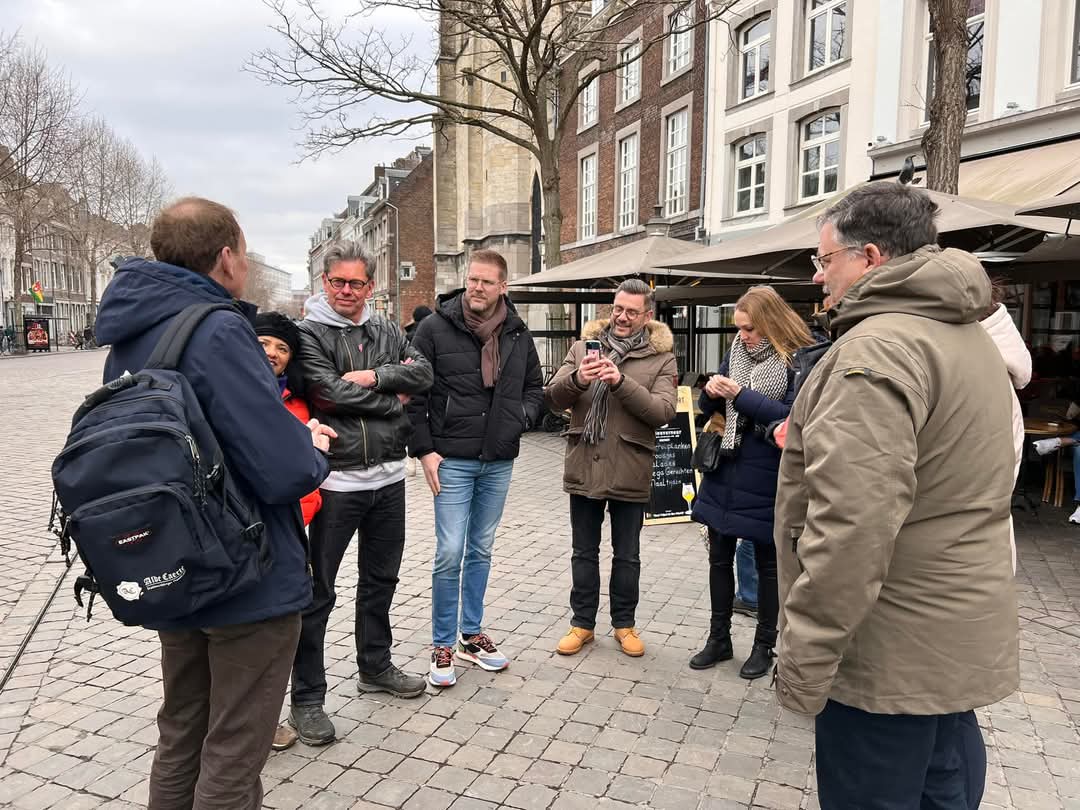
Maastricht: Private Walking Tour with Local Guide
Thu, Feb 26 • 9:00 AM
6211 HD, Maastricht, Netherlands
View details
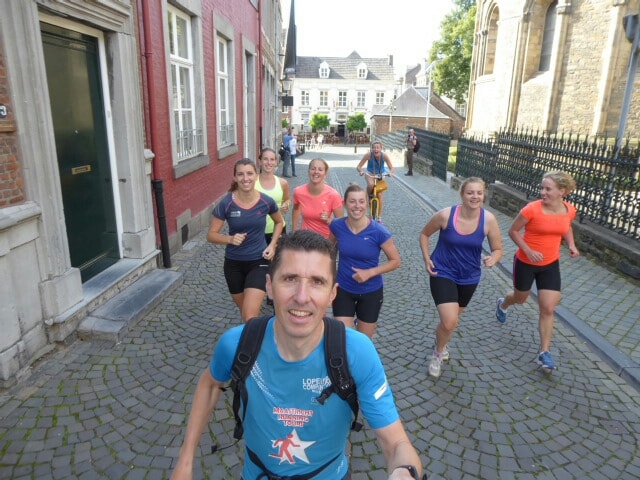
Get to know Maastricht while running
Fri, Feb 27 • 7:00 AM
6221, Maastricht, Netherlands
View details
Nearby attractions of Gin Museum Hasselt
Art Museum Z33
Modemuseum Hasselt
Hasselt University
Cathedral St. Quintinus
Het Volkstehuis
Het Stadsmus
Escape Room Hasselt
Toerisme Hasselt
Het Kunstuur Hasselt
Sparkx Hasselt
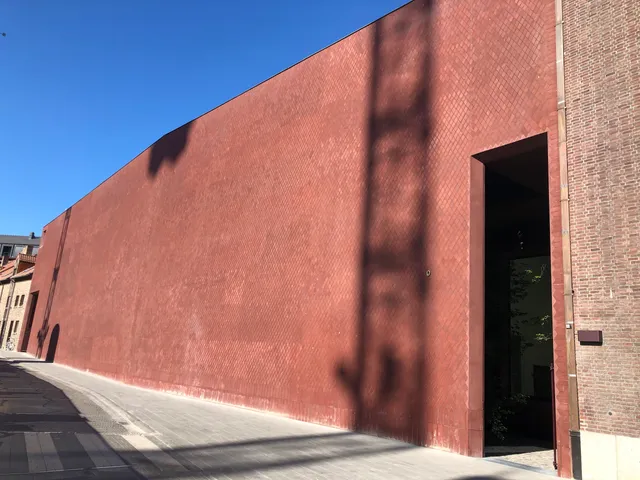
Art Museum Z33
4.4
(344)
Open until 12:00 AM
Click for details
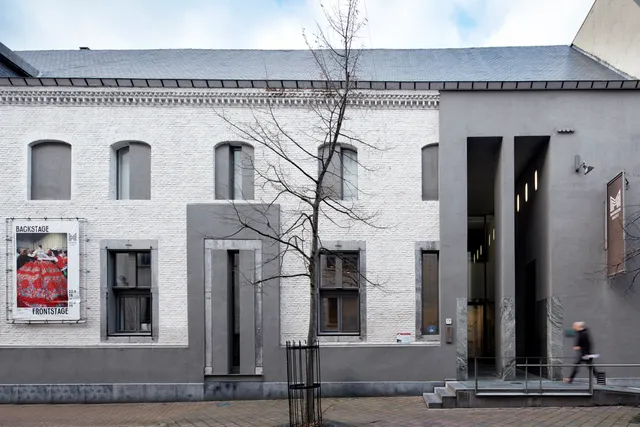
Modemuseum Hasselt
4.2
(355)
Closed
Click for details

Hasselt University
4.4
(51)
Closed
Click for details
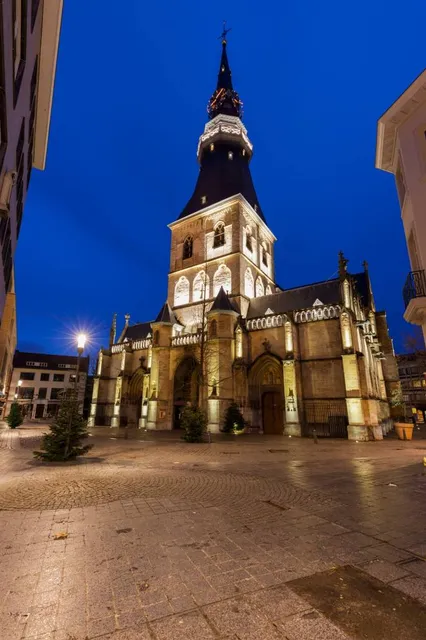
Cathedral St. Quintinus
4.4
(213)
Closed
Click for details
Nearby restaurants of Gin Museum Hasselt
Baron Bonbon
't Borrelhuis
G’days Cocktailbar
De Kwizien
Bocca Nera
The Hedgehog
Maison Dix
L’Aperi Vino
The Barrel - Hasselt
Coffee Cafe

Baron Bonbon
5.0
(10)
Closed
Click for details
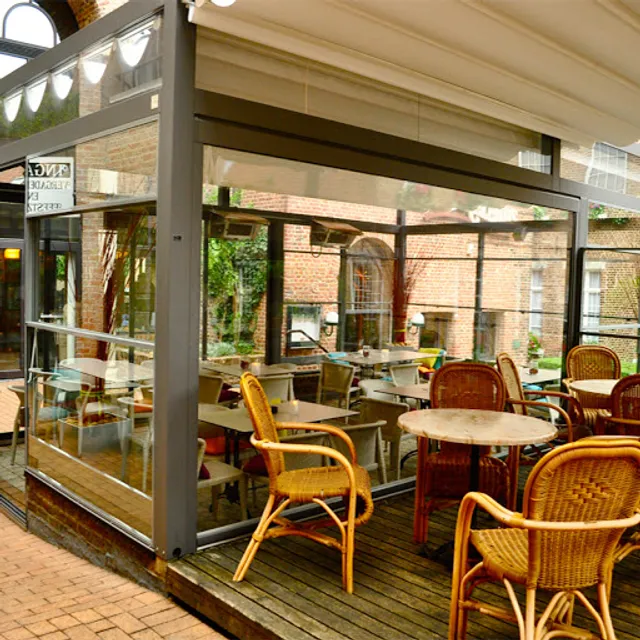
't Borrelhuis
4.2
(414)
Open until 11:45 PM
Click for details

G’days Cocktailbar
4.9
(12)
Open until 12:00 AM
Click for details
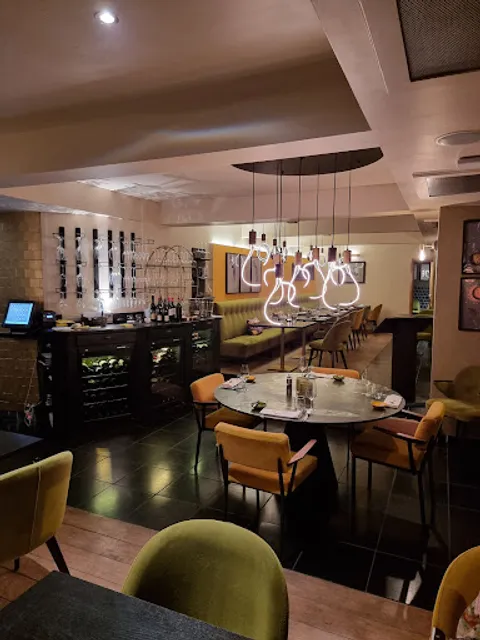
De Kwizien
4.7
(203)
Open until 12:00 AM
Click for details
Nearby local services of Gin Museum Hasselt
Fritz & Co
Bientje
Mens Concept ✂
Asian Foods Hasselt - Micheal Anh
Cremerie Valvekens
D’Andrea
Virga-Jessebasiliek
Frituur 't Willeke
Psychobarbershop💈
What The Fleet
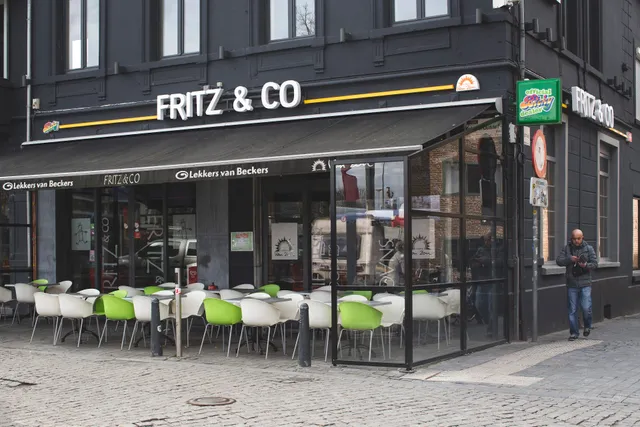
Fritz & Co
4.0
(429)
Click for details
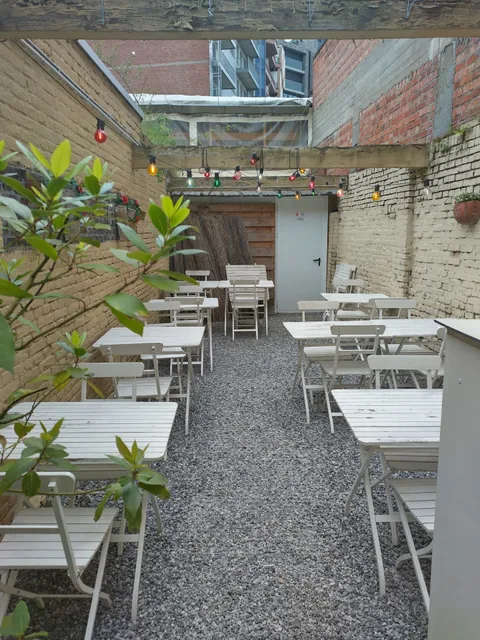
Bientje
4.0
(117)
Click for details

Mens Concept ✂
4.8
(74)
Click for details
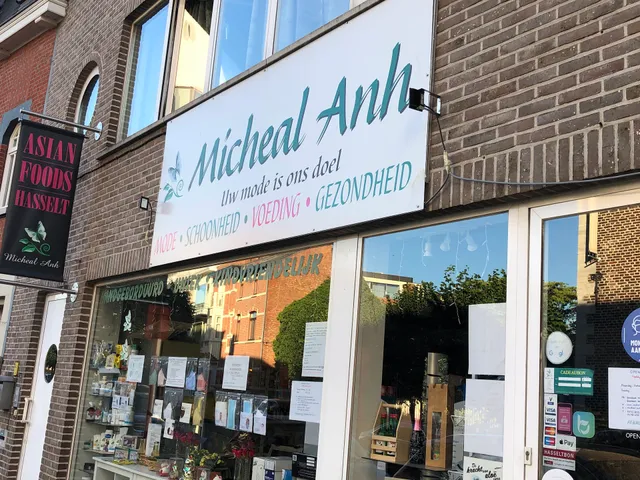
Asian Foods Hasselt - Micheal Anh
4.5
(92)
Click for details







