HTML SitemapExplore
logo
Find Things to DoFind The Best Restaurants

Fort Chambly National Historic Site — Attraction in Chambly

Name
Fort Chambly National Historic Site
Description
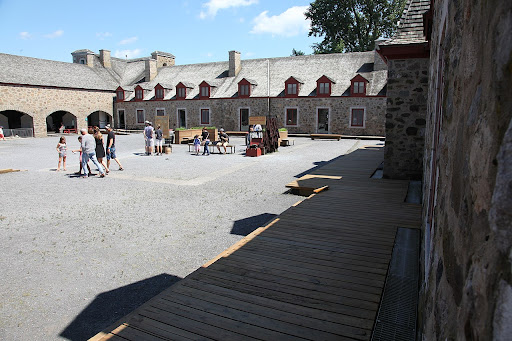
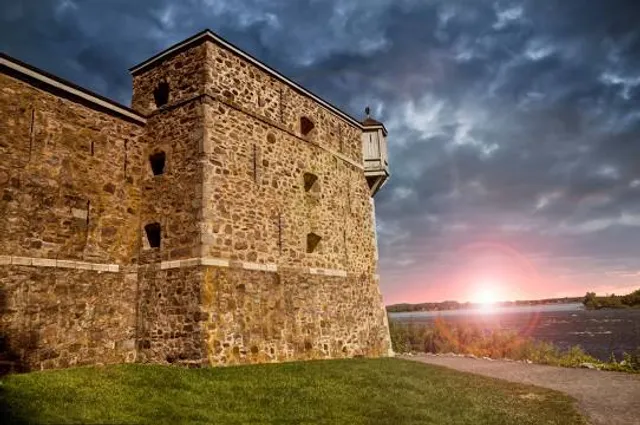
Fort Chambly is a historic fort in La Vallée-du-Richelieu Regional County Municipality, Quebec. It is designated as a National Historic Site of Canada. Fort Chambly was formerly known as Fort St. Louis.
Nearby attractions
Parc des Ateliers | Lieu historique national du Canal-de-Chambly
1840 Av. Bourgogne, Chambly, QC J3L 1Z3, Canada
Écluse de Chambly | Lieu historique national du Canal-de-Chambly
Avenue Bourgogne, Chambly, Quebec J3L 4C3, Canada
Nearby restaurants
Nord Laboratoire Culinaire
1887 Av. Bourgogne, Chambly, QC J3L 1Y8, Canada
Grillades Du Fort
1717 Av. Bourgogne, Chambly, QC J3L 1Y8, Canada
La Taverne Vieux chambly
1737 Av. Bourgogne, Chambly, QC J3L 1Y8, Canada
Restaurant Tre Colori inc.
1696 Av. Bourgogne, Chambly, QC J3L 1Z2, Canada
La Cochonne Rit
1670 Av. Bourgogne, Chambly, QC J3L 1Z1, Canada
Küto Comptoir à Tartares Chambly
1706 Av. Bourgogne, Chambly, QC J3L 1Z2, Canada
Bonté Divine
1665 Av. Bourgogne, Chambly, QC J3L 1Y9, Canada
Bambourouge
1869 Bd de Périgny, Chambly, QC J3L 4C3, Canada
Restaurant Au Coin De La Baie
1643 Av. Bourgogne, Chambly, QC J3L 1Y8, Canada
L’Œufrier (Chambly)
1255 Bd de Périgny, Chambly, QC J3L 1W7, Canada
Nearby hotels
Eau Villa - Chambly
1765 Av. Bourgogne, Chambly, QC J3L 1Y8, Canada
Related posts
Keywords
Fort Chambly National Historic Site tourism.Fort Chambly National Historic Site hotels.Fort Chambly National Historic Site bed and breakfast. flights to Fort Chambly National Historic Site.Fort Chambly National Historic Site attractions.Fort Chambly National Historic Site restaurants.Fort Chambly National Historic Site travel.Fort Chambly National Historic Site travel guide.Fort Chambly National Historic Site travel blog.Fort Chambly National Historic Site pictures.Fort Chambly National Historic Site photos.Fort Chambly National Historic Site travel tips.Fort Chambly National Historic Site maps.Fort Chambly National Historic Site things to do.
Fort Chambly National Historic Site things to do, attractions, restaurants, events info and trip planning
Fort Chambly National Historic Site
CanadaQuebecChamblyFort Chambly National Historic Site

Basic Info

Fort Chambly National Historic Site

2 Rue de Richelieu, Chambly, QC J3L 2B9, Canada
4.6(375)
Open 24 hours
Save
spot

Ratings & Description

Info

Fort Chambly is a historic fort in La Vallée-du-Richelieu Regional County Municipality, Quebec. It is designated as a National Historic Site of Canada. Fort Chambly was formerly known as Fort St. Louis.

Cultural
Family friendly
Accessibility
attractions: Parc des Ateliers | Lieu historique national du Canal-de-Chambly, Écluse de Chambly | Lieu historique national du Canal-de-Chambly, restaurants: Nord Laboratoire Culinaire, Grillades Du Fort, La Taverne Vieux chambly, Restaurant Tre Colori inc., La Cochonne Rit, Küto Comptoir à Tartares Chambly, Bonté Divine, Bambourouge, Restaurant Au Coin De La Baie, L’Œufrier (Chambly)
logoLearn more insights from Wanderboat AI.
Phone
+1 450-658-1585
Website
parcs.canada.ca

Plan your stay

hotel
Pet-friendly Hotels in Chambly
Find a cozy hotel nearby and make it a full experience.

hotel
Affordable Hotels in Chambly
Find a cozy hotel nearby and make it a full experience.

hotel
The Coolest Hotels You Haven't Heard Of (Yet)
Find a cozy hotel nearby and make it a full experience.

hotel
Trending Stays Worth the Hype in Chambly
Find a cozy hotel nearby and make it a full experience.

Reviews

Nearby attractions of Fort Chambly National Historic Site

Parc des Ateliers | Lieu historique national du Canal-de-Chambly

Écluse de Chambly | Lieu historique national du Canal-de-Chambly

Parc des Ateliers | Lieu historique national du Canal-de-Chambly

Parc des Ateliers | Lieu historique national du Canal-de-Chambly

4.5

(124)

Open until 11:00 PM
Click for details
Écluse de Chambly | Lieu historique national du Canal-de-Chambly

Écluse de Chambly | Lieu historique national du Canal-de-Chambly

4.6

(554)

Open 24 hours
Click for details

Things to do nearby

The Bagel Class : Montreal Bagel Making Workshop
Fri, Dec 12 • 10:00 AM
Montreal, Quebec, H2H 1A5, Canada
View details
Learn to knit and start a scarf with tricotherapy
Thu, Dec 11 • 11:00 AM
Montreal, Quebec, H4G 2Z3, Canada
View details
Explore the underground city with a comedian
Wed, Dec 10 • 10:30 AM
Montreal, Quebec, H2Y 2H7, Canada
View details

Nearby restaurants of Fort Chambly National Historic Site

Nord Laboratoire Culinaire

Grillades Du Fort

La Taverne Vieux chambly

Restaurant Tre Colori inc.

La Cochonne Rit

Küto Comptoir à Tartares Chambly

Bonté Divine

Bambourouge

Restaurant Au Coin De La Baie

L’Œufrier (Chambly)

Nord Laboratoire Culinaire

Nord Laboratoire Culinaire

4.9

(106)

Click for details
Grillades Du Fort

Grillades Du Fort

4.0

(429)

$$$

Click for details
La Taverne Vieux chambly

La Taverne Vieux chambly

3.6

(305)

$$

Click for details
Restaurant Tre Colori inc.

Restaurant Tre Colori inc.

4.1

(855)

$$

Click for details
Get the Appoverlay
Get the AppOne tap to find yournext favorite spots!
Wanderboat LogoWanderboat

Your everyday Al companion for getaway ideas

CompanyAbout Us
InformationAI Trip PlannerSitemap
SocialXInstagramTiktokLinkedin
LegalTerms of ServicePrivacy Policy

Get the app

© 2025 Wanderboat. All rights reserved.
logo

Reviews of Fort Chambly National Historic Site

4.6
(375)
avatar
5.0
5y

Fort Chambly is a historic fort in La Vallée-du-Richelieu Regional County Municipality, Quebec. It is designated as a National Historic Site of Canada. Fort Chambly was formerly known as Fort St. Louis. It was part of a series of five fortifications built along the Richelieu River that were built to protect travellers on the river from the Iroquois. The region is informally known as la Vallée-des-Forts.

Fort Chambly at the foot of the Chambly rapids on the Richelieu River in Quebec, Canada, was built by the French in 1711. It was the last of three forts to be built on the same site. The first — then called Fort Saint Louis — was constructed in 1665 by captain Jacques de Chambly, to protect New France from Iroquois attacks.

After minor repairs, the fort was burned by the Indians in 1702, but was reconstructed the same year. By then it was already known as Fort Chambly. However, with the Great Peace of Montreal in 1701, the war between the French and Iroquois was over. Also at this time the War of the Spanish Succession broke out, and boiled over into the colonies of France and England. Thus, to defend against a more powerful European attack, including the threat of cannon fire, Governor Philippe de Rigaud Vaudreuil ordered that the fort be rebuilt in stone in 1709. The engineer responsible for the design and construction of the new fort was Josué Boisberthelot de Beaucours. He also oversaw major improvements carried out on the fort between 1718 and 1720, modifications he felt would greatly increase the fort's defenses.

For many years Fort Chambly was the main footing of the defensive chain of fortifications along the Richelieu River, which was the easiest invasion route into New France. However, with the construction of Fort Saint-Frédéric (1731) and Fort Saint-Jean (Quebec) (1748) further south, Fort Chambly lost most of its defensive purpose and so was converted into a warehouse and rally-point for soldiers, although the fort was never abandoned. With the Seven Years' War, Fort Chambly was re-fortified and reoccupied, although it failed to stop the British from approaching Montreal and Quebec City. The substantial stone structure which still stands today was lost to the British in 1760 in The Conquest of New France, also known as the French and Indian War.

Captured by American forces on October 20, 1775 during the American Invasion of Canada of 1775–76, it was held until the spring of 1776 when it was evacuated and burned, as the Americans retreated southward to Fort Ticonderoga. Subsequently, prisoners-of-war from the Continental Army, including Colonel William Stacy, were held at Fort Chambly until the end of the American Revolutionary War.

After the Fenian Raids in the 1860s, during which the fort was reoccupied, it was allowed to fall into ruin. In 1881 a citizen of Chambly, Joseph-Octave Dion, personally repaired and restored the site. In the 20th century the Canadian government recognized Fort Chambly's cultural and historical worth and undertook its maintenance. Between 1965 and 1985 extensive archaeological digs were carried out, and today a fully reconstructed version of the final phase of Fort Chambly (1718–1720) is maintained by Parks Canada and is open to the public as the Fort Chambly National Historic...

   Read more
avatar
4.0
9y

Where: Fort Chambly What: A historical fort, similar to Old Fort Henry just smaller and cheaper. How was it: We stumbled upon this place after having breakfast at Dame Tartine. As we approached the water front, we got a closer look and noticed that we could enter for a very reasonable price. We spent roughly $12 between the two of us. It doesn't look big from the outside but once you're in, it's quite surprising. It's a good place to go with kids and there's some interaction as you walk through. There is also a timed information session with a guide that we were fortunate to assist. Grade: Eli = 4, Serge = 4+ Recommend: Yes, it's very affordable and a nice place to visit if you are...

   Read more
avatar
4.0
5y

The fortress itself might not be an extra ordinery building but the town of chambly has a lot of interesting sites and you can have a lot of fun. Honestly I didn't expect this visit to be as magnificent. But besides all water sports and boat rentals on the river, you can have a walk all the way through the main street of chambly with many bars and restaurants and at the same time you have the perfect landscape of "bassin de chambly". Something intreresting about the fortress was that it has been used for defense against first nations, British army and then US army in different...

   Read more
Page 1 of 7
Previous
Next

Posts

Me 1974Me 1974
Fort Chambly is a historic fort in La Vallée-du-Richelieu Regional County Municipality, Quebec. It is designated as a National Historic Site of Canada. Fort Chambly was formerly known as Fort St. Louis. It was part of a series of five fortifications built along the Richelieu River that were built to protect travellers on the river from the Iroquois. The region is informally known as la Vallée-des-Forts. Fort Chambly at the foot of the Chambly rapids on the Richelieu River in Quebec, Canada, was built by the French in 1711. It was the last of three forts to be built on the same site. The first — then called Fort Saint Louis — was constructed in 1665 by captain Jacques de Chambly, to protect New France from Iroquois attacks. After minor repairs, the fort was burned by the Indians in 1702, but was reconstructed the same year. By then it was already known as Fort Chambly. However, with the Great Peace of Montreal in 1701, the war between the French and Iroquois was over. Also at this time the War of the Spanish Succession broke out, and boiled over into the colonies of France and England. Thus, to defend against a more powerful European attack, including the threat of cannon fire, Governor Philippe de Rigaud Vaudreuil ordered that the fort be rebuilt in stone in 1709. The engineer responsible for the design and construction of the new fort was Josué Boisberthelot de Beaucours. He also oversaw major improvements carried out on the fort between 1718 and 1720, modifications he felt would greatly increase the fort's defenses. For many years Fort Chambly was the main footing of the defensive chain of fortifications along the Richelieu River, which was the easiest invasion route into New France. However, with the construction of Fort Saint-Frédéric (1731) and Fort Saint-Jean (Quebec) (1748) further south, Fort Chambly lost most of its defensive purpose and so was converted into a warehouse and rally-point for soldiers, although the fort was never abandoned. With the Seven Years' War, Fort Chambly was re-fortified and reoccupied, although it failed to stop the British from approaching Montreal and Quebec City. The substantial stone structure which still stands today was lost to the British in 1760 in The Conquest of New France, also known as the French and Indian War. Captured by American forces on October 20, 1775 during the American Invasion of Canada of 1775–76, it was held until the spring of 1776 when it was evacuated and burned, as the Americans retreated southward to Fort Ticonderoga. Subsequently, prisoners-of-war from the Continental Army, including Colonel William Stacy, were held at Fort Chambly until the end of the American Revolutionary War. After the Fenian Raids in the 1860s, during which the fort was reoccupied, it was allowed to fall into ruin. In 1881 a citizen of Chambly, Joseph-Octave Dion, personally repaired and restored the site. In the 20th century the Canadian government recognized Fort Chambly's cultural and historical worth and undertook its maintenance. Between 1965 and 1985 extensive archaeological digs were carried out, and today a fully reconstructed version of the final phase of Fort Chambly (1718–1720) is maintained by Parks Canada and is open to the public as the Fort Chambly National Historic Site of Canada.
Lucia PatinoLucia Patino
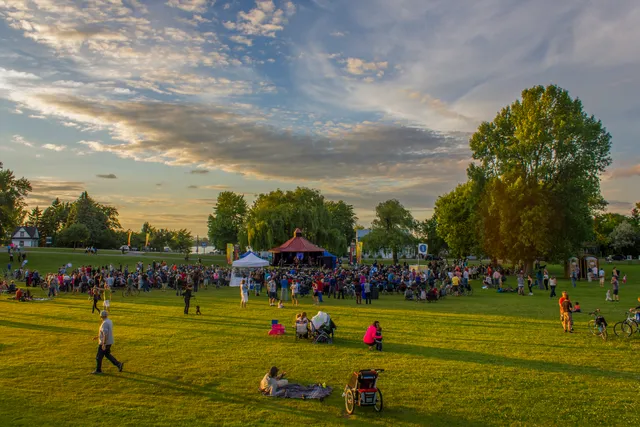
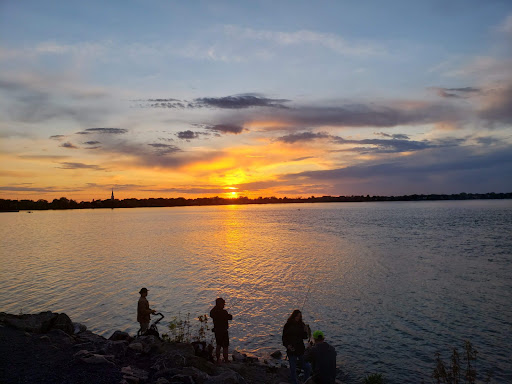
Lovely place. Nice for the whole family. Plenty of space to do a picnic, to play, dogs are allowed. You can see the sunset there. There is one entrance to the river where you can sit on a rock and put your feet into the fresh water. There are picnic tables. There are some bathrooms and water fountains. Some people fish, but I'm not sure it is allowed. You can visit the historic building. The parking is limited and free, but I have never been forced to park outside. It is 5 min away from the restaurants and ice cream places. Nice place to take tourists. 👌
WGBWGB
While staying in Saint Jean Sur Richelieu my wife and I decided to take a drive along the Richelieu River which was a very pleasant drive to Fort Chambly. The fort is situated on the Richelieu River and adjacent park. We had a really great time walking in and around the fort. The history and displays made it an enjoyable experience. The guides were helpful and polite and very knowledgeable. The fort and park is very well maintained and worth visiting if you have the time.
See more posts
See more posts
hotel
Find your stay

Pet-friendly Hotels in Chambly

Find a cozy hotel nearby and make it a full experience.

Fort Chambly is a historic fort in La Vallée-du-Richelieu Regional County Municipality, Quebec. It is designated as a National Historic Site of Canada. Fort Chambly was formerly known as Fort St. Louis. It was part of a series of five fortifications built along the Richelieu River that were built to protect travellers on the river from the Iroquois. The region is informally known as la Vallée-des-Forts. Fort Chambly at the foot of the Chambly rapids on the Richelieu River in Quebec, Canada, was built by the French in 1711. It was the last of three forts to be built on the same site. The first — then called Fort Saint Louis — was constructed in 1665 by captain Jacques de Chambly, to protect New France from Iroquois attacks. After minor repairs, the fort was burned by the Indians in 1702, but was reconstructed the same year. By then it was already known as Fort Chambly. However, with the Great Peace of Montreal in 1701, the war between the French and Iroquois was over. Also at this time the War of the Spanish Succession broke out, and boiled over into the colonies of France and England. Thus, to defend against a more powerful European attack, including the threat of cannon fire, Governor Philippe de Rigaud Vaudreuil ordered that the fort be rebuilt in stone in 1709. The engineer responsible for the design and construction of the new fort was Josué Boisberthelot de Beaucours. He also oversaw major improvements carried out on the fort between 1718 and 1720, modifications he felt would greatly increase the fort's defenses. For many years Fort Chambly was the main footing of the defensive chain of fortifications along the Richelieu River, which was the easiest invasion route into New France. However, with the construction of Fort Saint-Frédéric (1731) and Fort Saint-Jean (Quebec) (1748) further south, Fort Chambly lost most of its defensive purpose and so was converted into a warehouse and rally-point for soldiers, although the fort was never abandoned. With the Seven Years' War, Fort Chambly was re-fortified and reoccupied, although it failed to stop the British from approaching Montreal and Quebec City. The substantial stone structure which still stands today was lost to the British in 1760 in The Conquest of New France, also known as the French and Indian War. Captured by American forces on October 20, 1775 during the American Invasion of Canada of 1775–76, it was held until the spring of 1776 when it was evacuated and burned, as the Americans retreated southward to Fort Ticonderoga. Subsequently, prisoners-of-war from the Continental Army, including Colonel William Stacy, were held at Fort Chambly until the end of the American Revolutionary War. After the Fenian Raids in the 1860s, during which the fort was reoccupied, it was allowed to fall into ruin. In 1881 a citizen of Chambly, Joseph-Octave Dion, personally repaired and restored the site. In the 20th century the Canadian government recognized Fort Chambly's cultural and historical worth and undertook its maintenance. Between 1965 and 1985 extensive archaeological digs were carried out, and today a fully reconstructed version of the final phase of Fort Chambly (1718–1720) is maintained by Parks Canada and is open to the public as the Fort Chambly National Historic Site of Canada.
Me 1974

Me 1974

hotel
Find your stay

Affordable Hotels in Chambly

Find a cozy hotel nearby and make it a full experience.

Get the Appoverlay
Get the AppOne tap to find yournext favorite spots!
Lovely place. Nice for the whole family. Plenty of space to do a picnic, to play, dogs are allowed. You can see the sunset there. There is one entrance to the river where you can sit on a rock and put your feet into the fresh water. There are picnic tables. There are some bathrooms and water fountains. Some people fish, but I'm not sure it is allowed. You can visit the historic building. The parking is limited and free, but I have never been forced to park outside. It is 5 min away from the restaurants and ice cream places. Nice place to take tourists. 👌
Lucia Patino

Lucia Patino

hotel
Find your stay

The Coolest Hotels You Haven't Heard Of (Yet)

Find a cozy hotel nearby and make it a full experience.

hotel
Find your stay

Trending Stays Worth the Hype in Chambly

Find a cozy hotel nearby and make it a full experience.

While staying in Saint Jean Sur Richelieu my wife and I decided to take a drive along the Richelieu River which was a very pleasant drive to Fort Chambly. The fort is situated on the Richelieu River and adjacent park. We had a really great time walking in and around the fort. The history and displays made it an enjoyable experience. The guides were helpful and polite and very knowledgeable. The fort and park is very well maintained and worth visiting if you have the time.
WGB

WGB

See more posts
See more posts