Bethune Memorial House National Historic Site things to do, attractions, restaurants, events info and trip planning
Basic Info
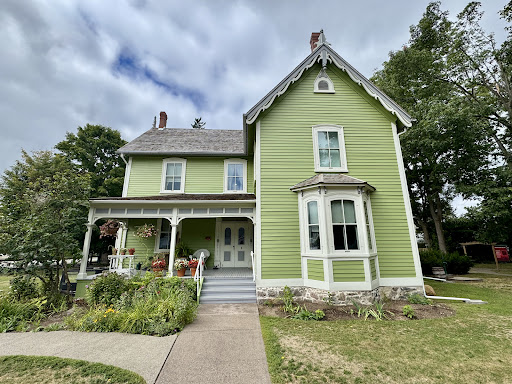
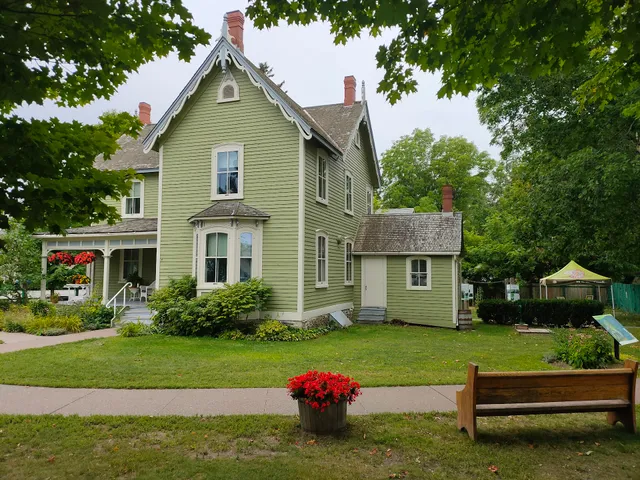
Bethune Memorial House National Historic Site
297 John St N, Gravenhurst, ON P1P 1G4, Canada
4.5(256)
Open 24 hours
Save
spot
spot
Ratings & Description
Info
Cultural
Family friendly
Accessibility
attractions: Sawdust City Brewing Co., Arts at the Albion, The Big Yellow Chair, Gravenhurst Opera House, Gravenhurst Muskoka Wharf, Gravenhurst Public Library, Lookout Park, Gull Lake Rotary Park, Matchless Adventures Inc., Gull Lake Rotary Park, restaurants: Chuck’s Roadhouse Bar & Grill, The Oar Restaurant, Old Mill Family Restaurant, Relish, Sugar & Spice Café & Desserts, Bethune's Bistro, Albion Tavern, Essence Of Spice, The Bakery, China House Restaurant, local businesses: Auburn Gallery of Fine Art, Muskoka Steamships, Gull Lake Rotary Park, Muskoka Boat Rentals
 Learn more insights from Wanderboat AI.
Phone
+1 705-687-4261
Website
pc.gc.ca
Plan your stay

Pet-friendly Hotels in District Municipality of Muskoka
Find a cozy hotel nearby and make it a full experience.

Affordable Hotels in District Municipality of Muskoka
Find a cozy hotel nearby and make it a full experience.

The Coolest Hotels You Haven't Heard Of (Yet)
Find a cozy hotel nearby and make it a full experience.

Trending Stays Worth the Hype in District Municipality of Muskoka
Find a cozy hotel nearby and make it a full experience.
Reviews
Nearby attractions of Bethune Memorial House National Historic Site
Sawdust City Brewing Co.
Arts at the Albion
The Big Yellow Chair
Gravenhurst Opera House
Gravenhurst Muskoka Wharf
Gravenhurst Public Library
Lookout Park
Gull Lake Rotary Park
Matchless Adventures Inc.
Gull Lake Rotary Park

Sawdust City Brewing Co.
4.7
(461)
Open until 9:00 PM
Click for details
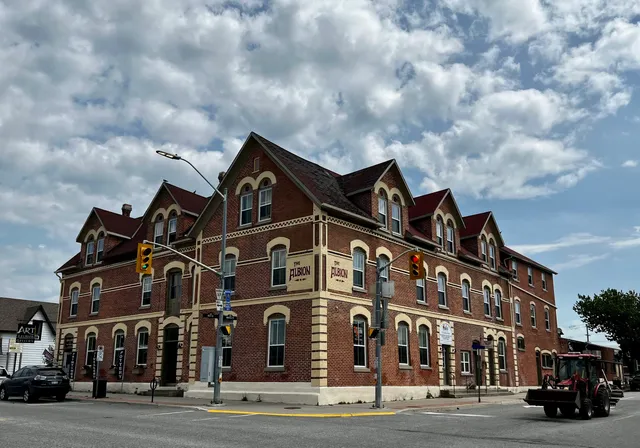
Arts at the Albion
4.7
(27)
Closed
Click for details

The Big Yellow Chair
4.6
(8)
Open 24 hours
Click for details

Gravenhurst Opera House
4.6
(120)
Open 24 hours
Click for details
Nearby restaurants of Bethune Memorial House National Historic Site
Chuck’s Roadhouse Bar & Grill
The Oar Restaurant
Old Mill Family Restaurant
Relish
Sugar & Spice Café & Desserts
Bethune's Bistro
Albion Tavern
Essence Of Spice
The Bakery
China House Restaurant
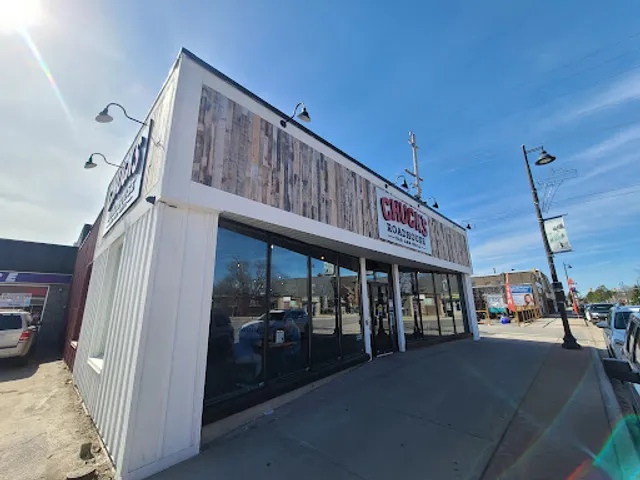
Chuck’s Roadhouse Bar & Grill
4.0
(245)
Open until 12:00 AM
Click for details
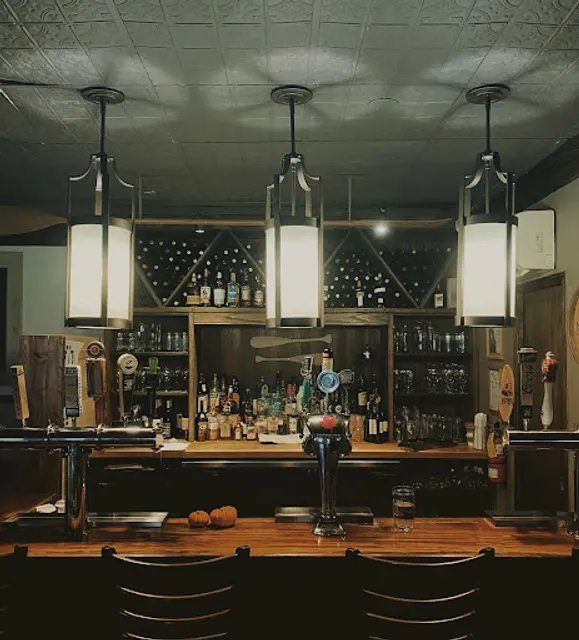
The Oar Restaurant
4.4
(454)
Closed
Click for details
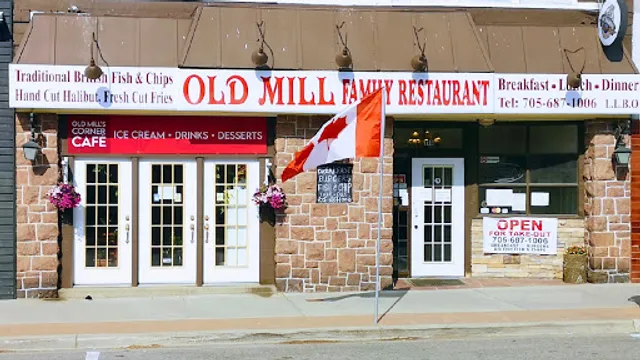
Old Mill Family Restaurant
4.4
(326)
Click for details
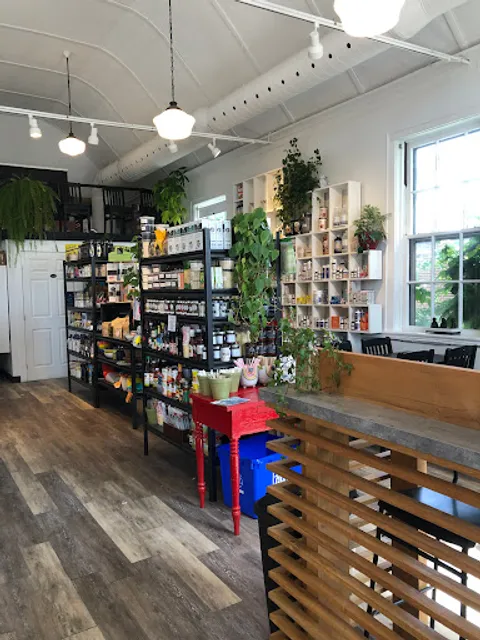
Relish
4.7
(132)
Closed
Click for details
Nearby local services of Bethune Memorial House National Historic Site
Auburn Gallery of Fine Art
Muskoka Steamships
Gull Lake Rotary Park
Muskoka Boat Rentals

Auburn Gallery of Fine Art
4.7
(12)
Click for details
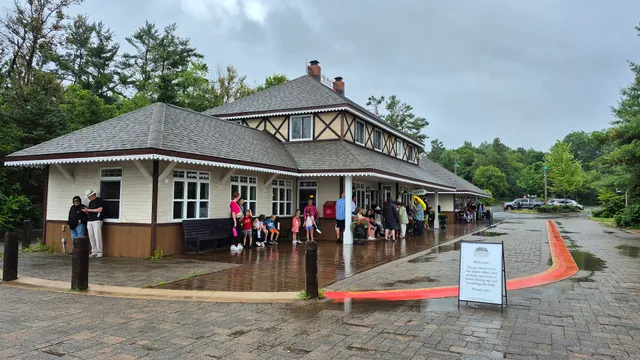
Muskoka Steamships
4.6
(463)
Click for details
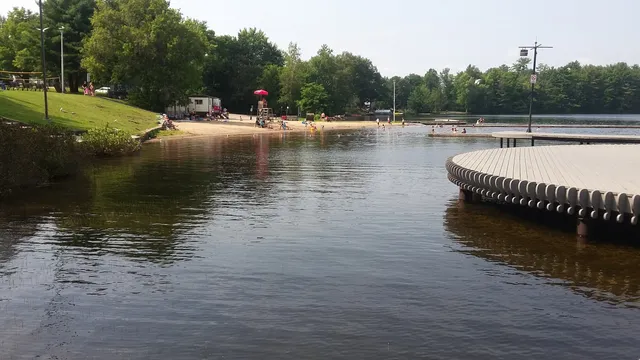
Gull Lake Rotary Park
4.6
(72)
Click for details

Muskoka Boat Rentals
4.7
(562)
Click for details