Nitobe Memorial Garden things to do, attractions, restaurants, events info and trip planning
Basic Info
Nitobe Memorial Garden
1895 Lower Mall, Vancouver, BC V6T 1Z4, Canada
4.7(732)
Closed

tickets
Save
spot
spot
Ratings & Description
Info
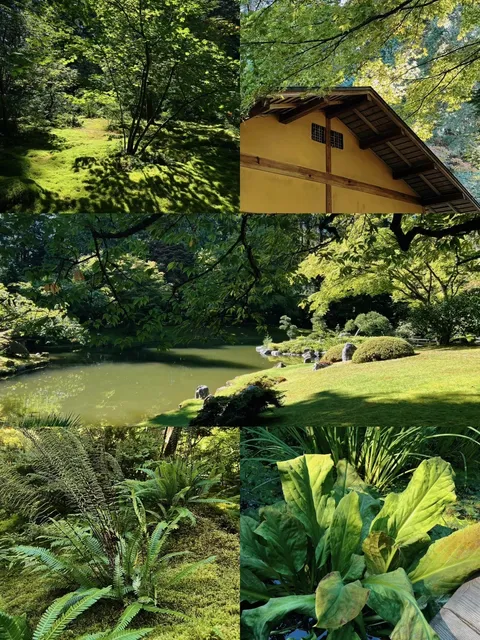
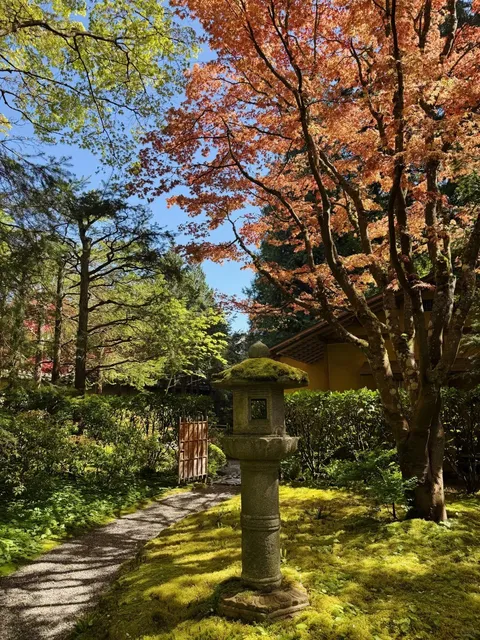
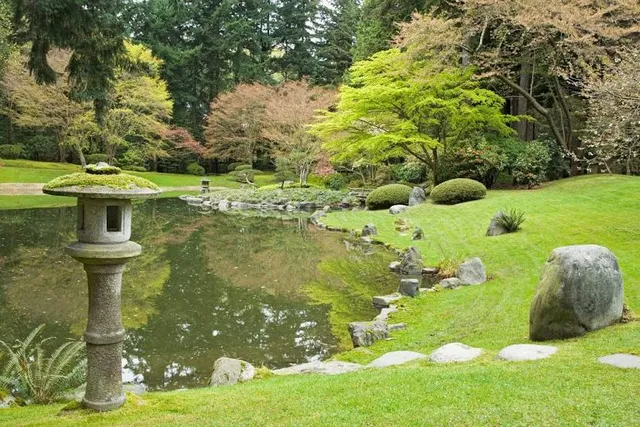
The Nitobe Memorial Garden is a 2+1⁄2-acre traditional Japanese garden located at the University of British Columbia, just outside the city limits of Vancouver, British Columbia, Canada.
Cultural
Outdoor
Relaxation
Scenic
Family friendly
Accessibility
attractions: Museum of Anthropology at UBC, Frederic Wood Theatre, UBC Rose Garden, UBC Opera, Morris and Helen Belkin Art Gallery, Wreck Beach, The Chan Centre for the Performing Arts, Dorothy Somerset Studio, Cecil Green Park House, Point Grey Battery, restaurants: Koerner's Pub, Gather at Vanier, Mercante, Triple O's, Stir It Up Café, Cedar Café at MOA, Loafe Café - Sauder UBC, DaBao, Tim Hortons, Loafe Café - Alumni Centre UBC, local businesses: Asian Centre, Wreck Beach, UBC Rose Garden Parkade, UBC Old Auditorium, Nest Catering & Conferences, Great Trek Run, Tower Beach
 Learn more insights from Wanderboat AI.
Phone
+1 604-822-6038
Website
botanicalgarden.ubc.ca
Open hoursSee all hours
Fri10 AM - 2 PMClosed
Plan your stay

Pet-friendly Hotels in Electoral Area A
Find a cozy hotel nearby and make it a full experience.

Affordable Hotels in Electoral Area A
Find a cozy hotel nearby and make it a full experience.

The Coolest Hotels You Haven't Heard Of (Yet)
Find a cozy hotel nearby and make it a full experience.

Trending Stays Worth the Hype in Electoral Area A
Find a cozy hotel nearby and make it a full experience.
Reviews
Live events
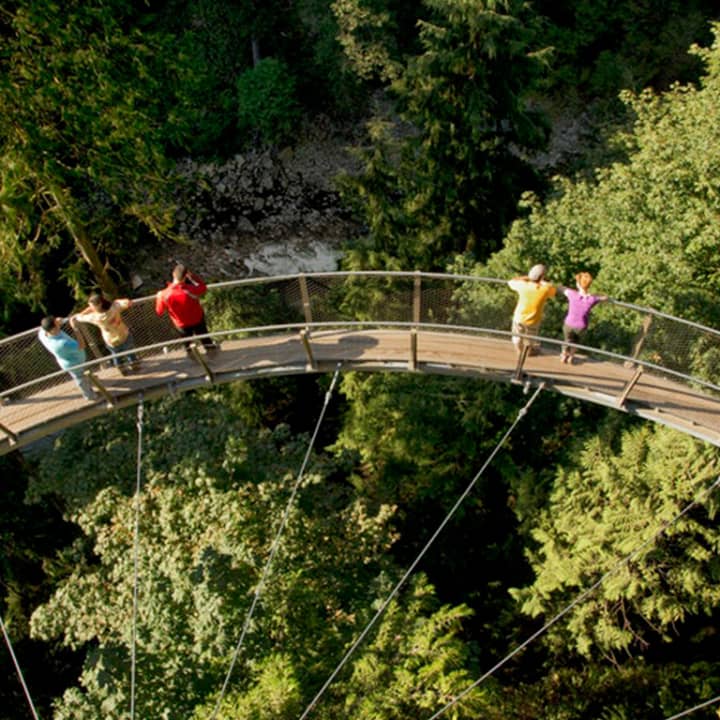
Capilano Suspension Bridge Park: Walk the treetops of the rainforest
Fri, Feb 20 • 10:00 AM
3735 Capilano Road, North Vancouver, V7R 4J1
View details
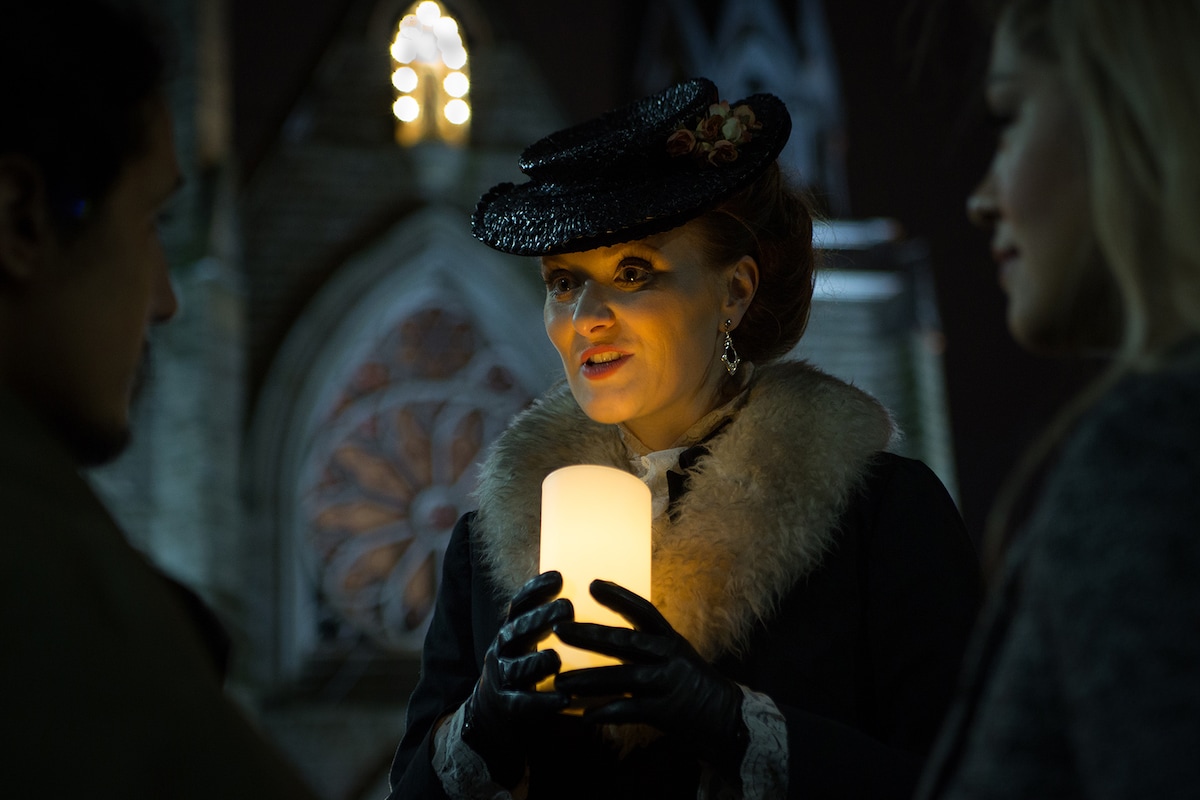
Discover the Lost Souls of Gastown
Fri, Feb 20 • 7:00 PM
Vancouver, British Columbia, V6B 1B6, Canada
View details
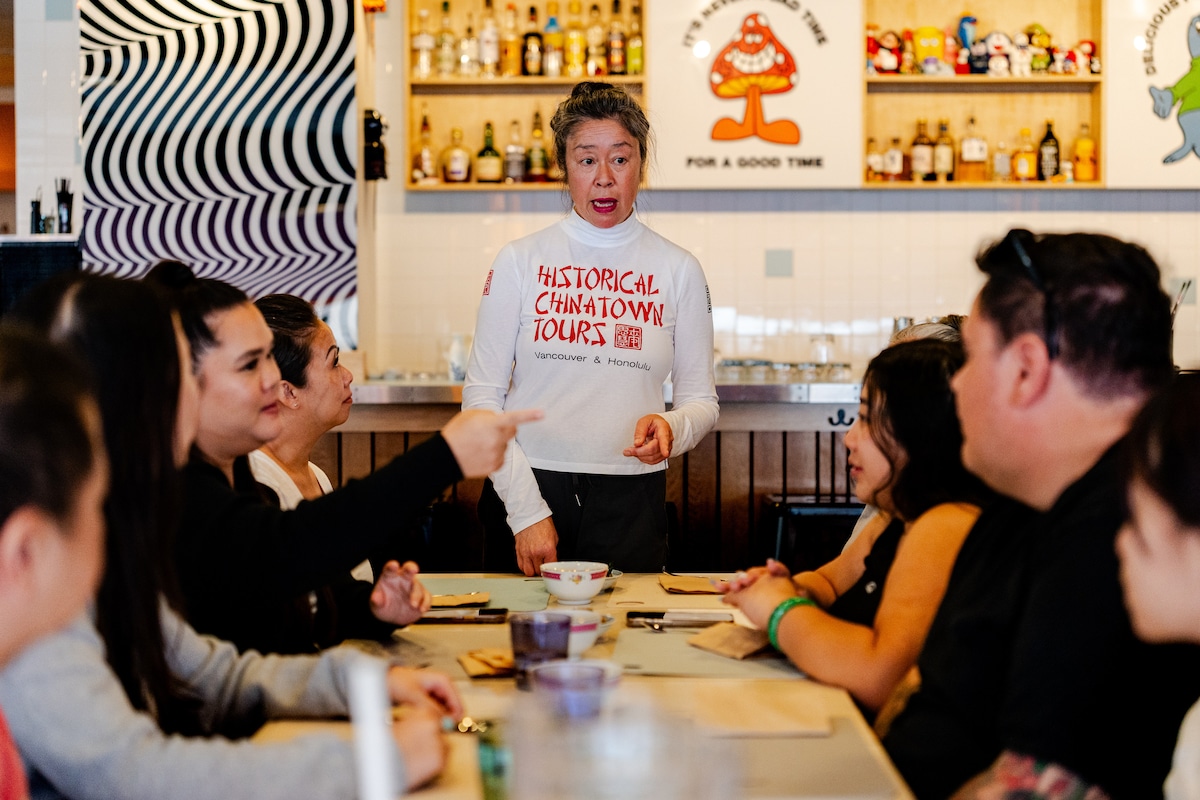
Masterclass Dumplings
Sat, Feb 21 • 5:00 PM
Vancouver, British Columbia, V6A 2T4, Canada
View details
Nearby attractions of Nitobe Memorial Garden
Museum of Anthropology at UBC
Frederic Wood Theatre
UBC Rose Garden
UBC Opera
Morris and Helen Belkin Art Gallery
Wreck Beach
The Chan Centre for the Performing Arts
Dorothy Somerset Studio
Cecil Green Park House
Point Grey Battery
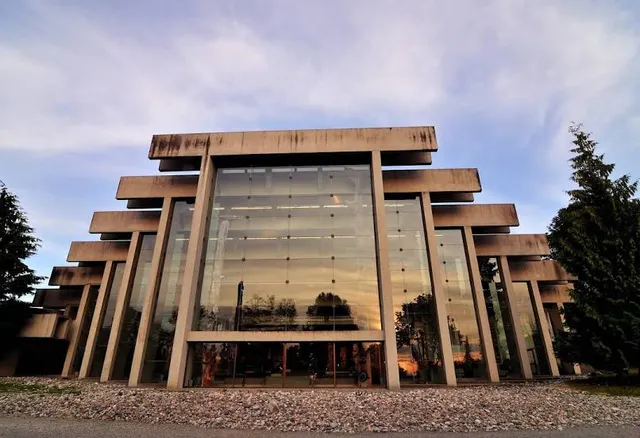
Museum of Anthropology at UBC
4.7
(2.5K)
Closed
Click for details

Frederic Wood Theatre
4.6
(70)
Open 24 hours
Click for details
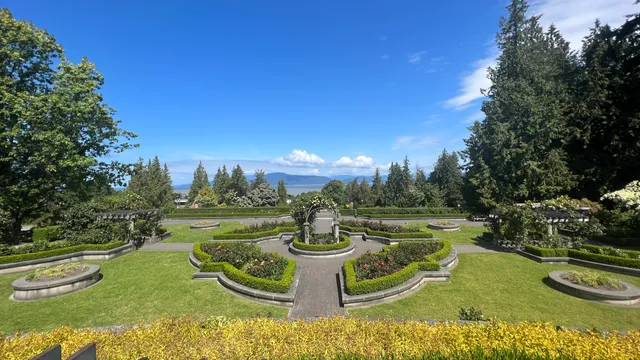
UBC Rose Garden
4.7
(468)
Open until 12:00 AM
Click for details

UBC Opera
4.7
(34)
Open 24 hours
Click for details
Nearby restaurants of Nitobe Memorial Garden
Koerner's Pub
Gather at Vanier
Mercante
Triple O's
Stir It Up Café
Cedar Café at MOA
Loafe Café - Sauder UBC
DaBao
Tim Hortons
Loafe Café - Alumni Centre UBC
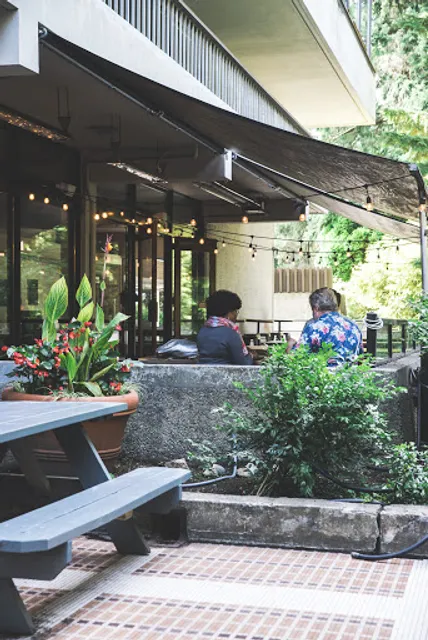
Koerner's Pub
4.1
(365)
$
Open until 11:00 PM
Click for details

Gather at Vanier
3.2
(120)
Open until 10:00 PM
Click for details
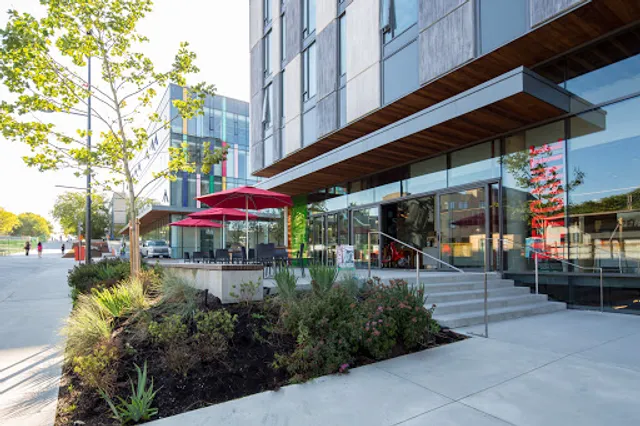
Mercante
4.0
(468)
$
Open until 11:00 PM
Click for details

Triple O's
3.5
(321)
Open until 8:00 PM
Click for details
Nearby local services of Nitobe Memorial Garden
Asian Centre
Wreck Beach
UBC Rose Garden Parkade
UBC Old Auditorium
Nest Catering & Conferences
Great Trek Run
Tower Beach
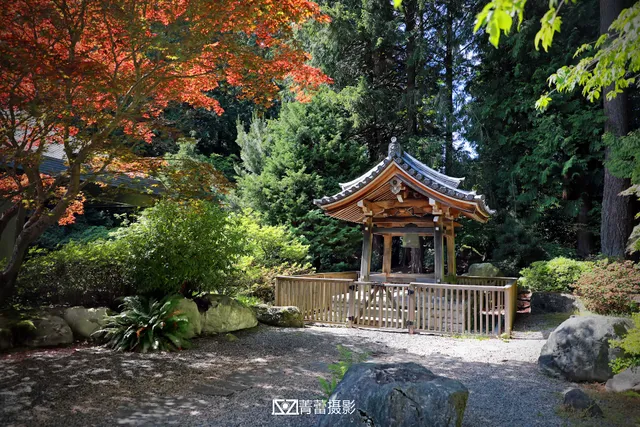
Asian Centre
4.6
(31)
Click for details

Wreck Beach
4.7
(502)
Click for details
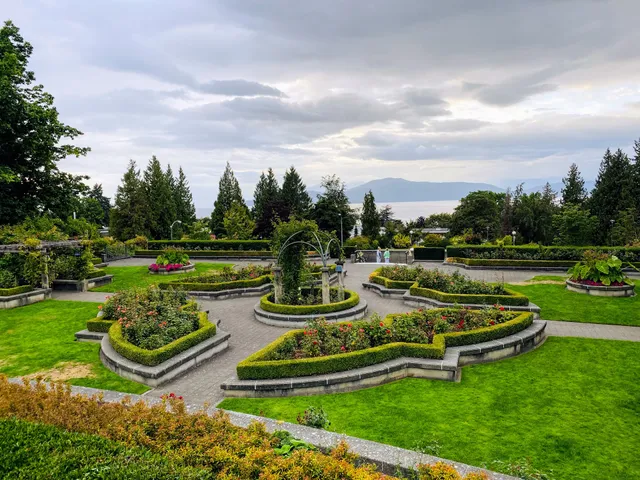
UBC Rose Garden Parkade
4.5
(90)
Click for details
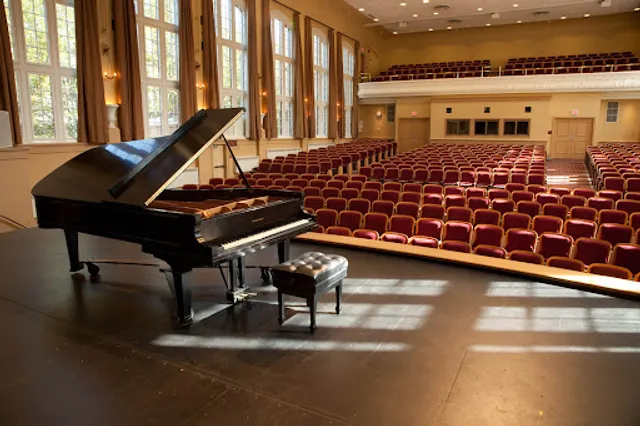
UBC Old Auditorium
4.8
(10)
Click for details