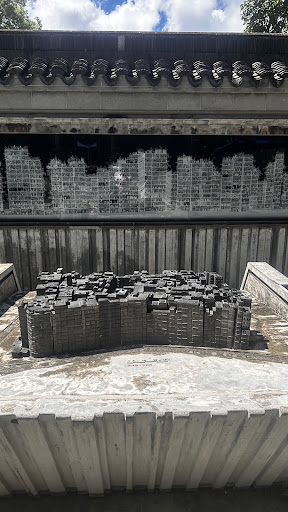
Former Yamen Building of Kowloon Walled City things to do, attractions, restaurants, events info and trip planning
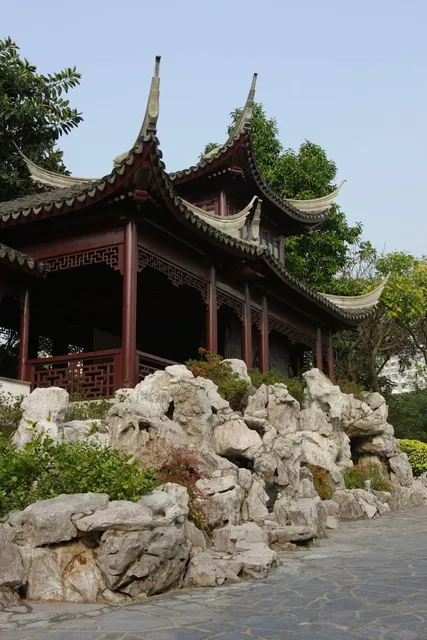
Basic Info
Former Yamen Building of Kowloon Walled City
Kowloon City, Hong Kong
4.4(80)
Open until 7:00 PM
Save
spot
spot
Ratings & Description
Info
Cultural
Scenic
Family friendly
Accessibility
attractions: Kowloon Walled City Park, Carpenter Road Park, Remnants of the South Gate of Kowloon Walled City, Stone Houses Family Garden, Hau Wong Temple, Junction Road, Kowloon City, The Hong Kong Chinese Christian Churches Union, Morse Park (Park No. 4), Jumpin Gym U.S.A., Lok Fu Recreation Ground, Kowloon Tsai Park, restaurants: Fong Wing Kee, Fook Yuen Seafood Restaurant, Chong Fat Chiu Chow Restaurant, Shalom, Pavia, Wall City Flavor, McDonald's (Kowloon City Plaza), Li Tak Hot Pot, Thai Hot, Thai Chang House, local businesses: Kowloon Walled City Park, Kowloon City Sports Centre, Wenzhou Dream Garden Amusement Equipment Co.,Ltd, Sheung Tai Temple, 莎莎Sasa - 九龍城九龍城廣場, Lee Fai Kee, YATA Supermarket San Po Kong, Shanghai Hongfu, Mikiki, JAI SABAI Thai massage 泰式按摩 (HUA WONG RD.) 27187189
 Learn more insights from Wanderboat AI.
Open hoursSee all hours
Sat9 AM - 7 PMOpen
Plan your stay

Pet-friendly Hotels in Hong Kong
Find a cozy hotel nearby and make it a full experience.

Affordable Hotels in Hong Kong
Find a cozy hotel nearby and make it a full experience.

The Coolest Hotels You Haven't Heard Of (Yet)
Find a cozy hotel nearby and make it a full experience.

Trending Stays Worth the Hype in Hong Kong
Find a cozy hotel nearby and make it a full experience.
Reviews
Live events
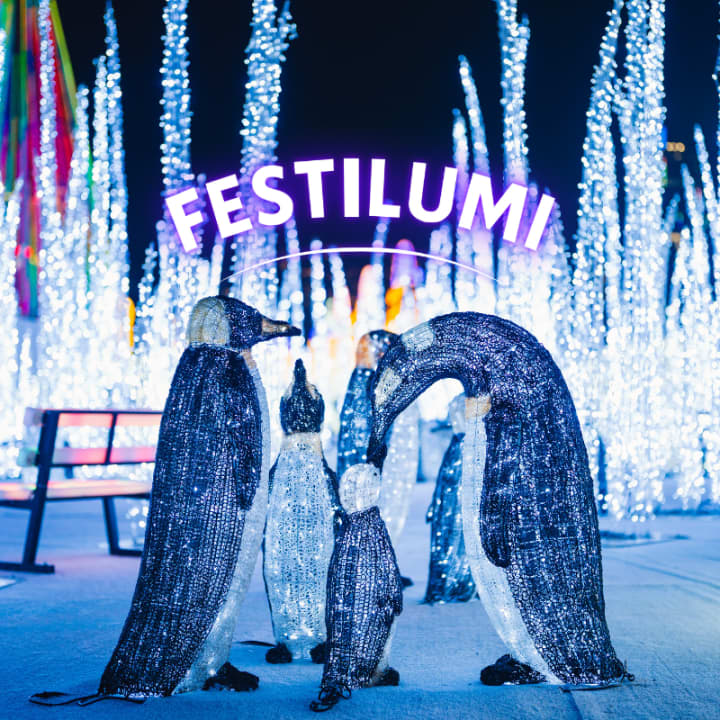
Festilumi - 香港
Sat, Jan 31 • 6:30 PM
3 Hung Hing Rd, Wan Chai, 00000
View details

Hong Kong Murder Mystery 2: Crime on Date Night!
Fri, Jan 23 • 12:00 AM
Chung Kong Rd, Sheung Wan, 999077
View details
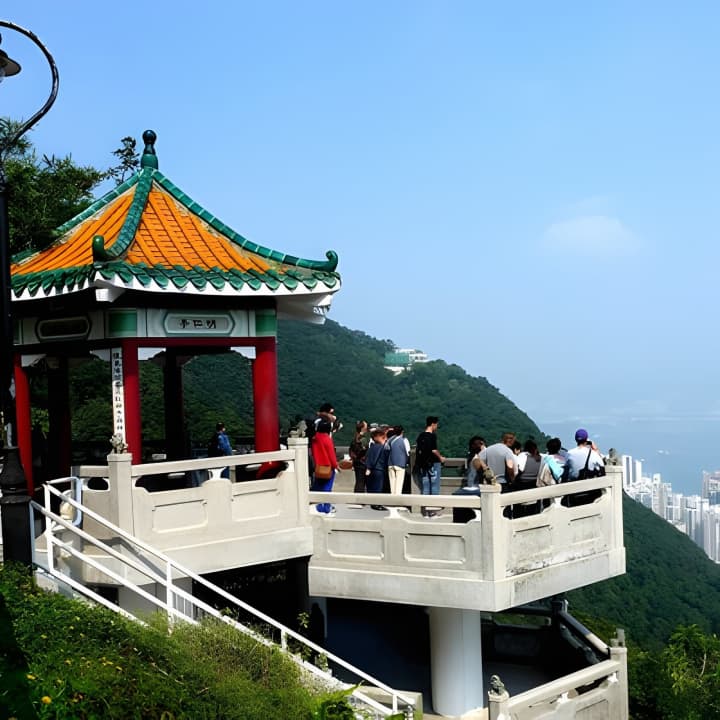
维多利亚山顶参加语音导览,经半山扶手电梯登上山顶
Sat, Jan 31 • 12:00 AM
中環租庇利街
View details
Nearby attractions of Former Yamen Building of Kowloon Walled City
Kowloon Walled City Park
Carpenter Road Park
Remnants of the South Gate of Kowloon Walled City
Stone Houses Family Garden
Hau Wong Temple, Junction Road, Kowloon City
The Hong Kong Chinese Christian Churches Union
Morse Park (Park No. 4)
Jumpin Gym U.S.A.
Lok Fu Recreation Ground
Kowloon Tsai Park
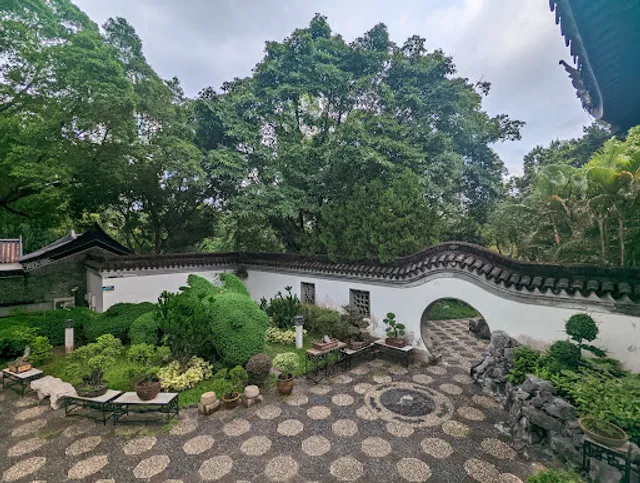
Kowloon Walled City Park
4.3
(2.3K)
Open until 11:00 PM
Click for details
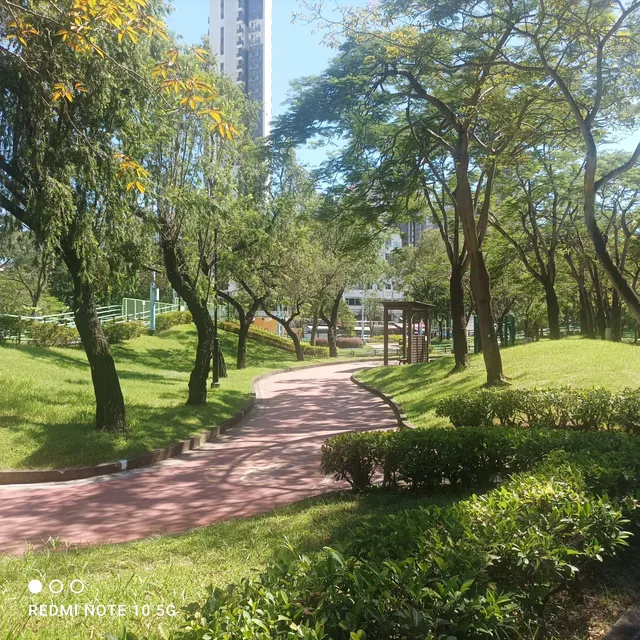
Carpenter Road Park
4.0
(1.5K)
Open until 12:00 AM
Click for details
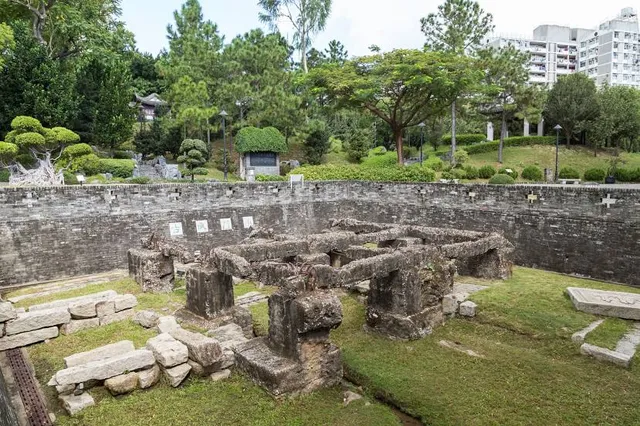
Remnants of the South Gate of Kowloon Walled City
4.5
(97)
Open until 11:00 PM
Click for details
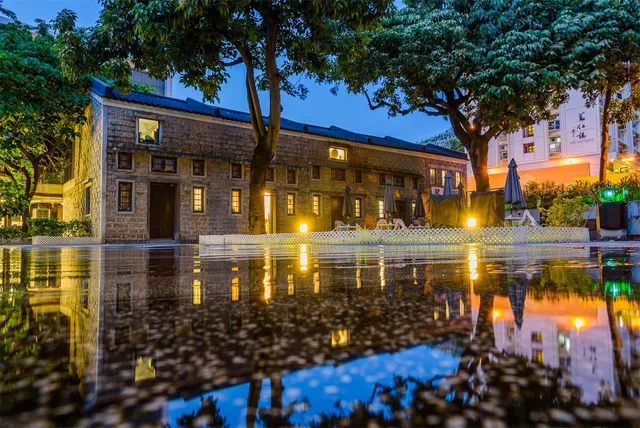
Stone Houses Family Garden
4.1
(251)
Open until 6:00 PM
Click for details
Nearby restaurants of Former Yamen Building of Kowloon Walled City
Fong Wing Kee
Fook Yuen Seafood Restaurant
Chong Fat Chiu Chow Restaurant
Shalom
Pavia
Wall City Flavor
McDonald's (Kowloon City Plaza)
Li Tak Hot Pot
Thai Hot
Thai Chang House
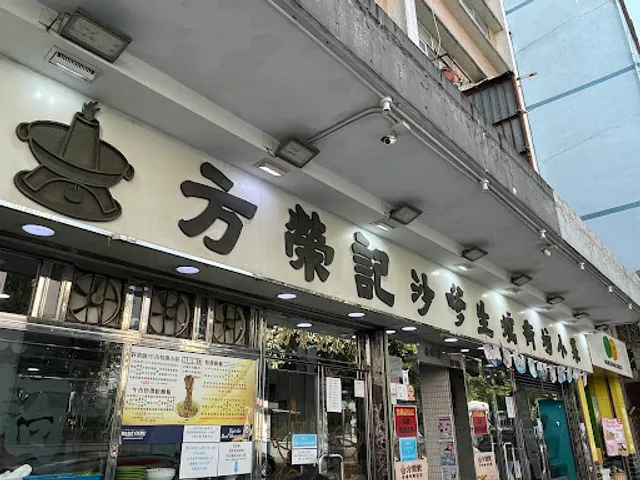
Fong Wing Kee
3.5
(513)
$$
Closed
Click for details
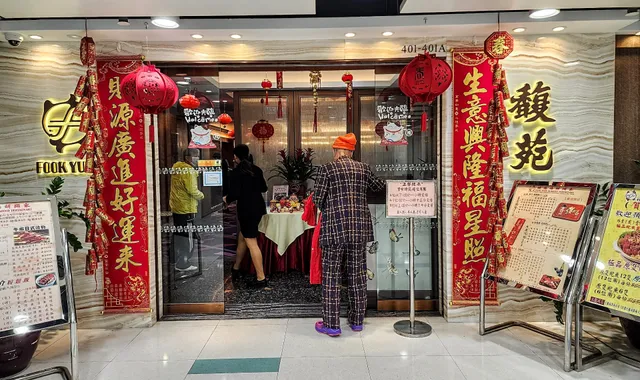
Fook Yuen Seafood Restaurant
3.8
(216)
Open until 12:00 AM
Click for details
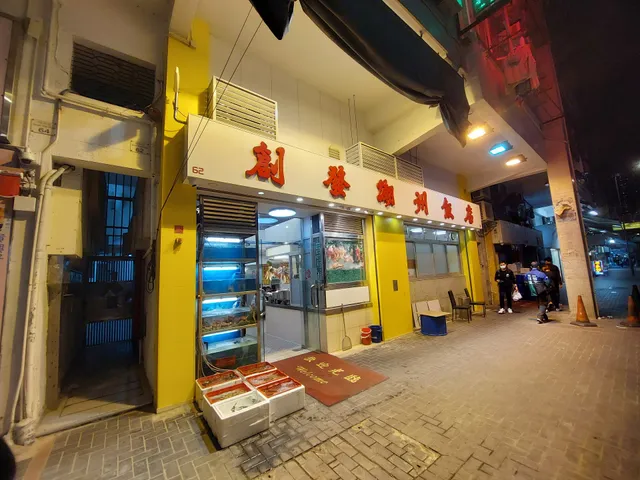
Chong Fat Chiu Chow Restaurant
3.6
(312)
$$$
Closed
Click for details
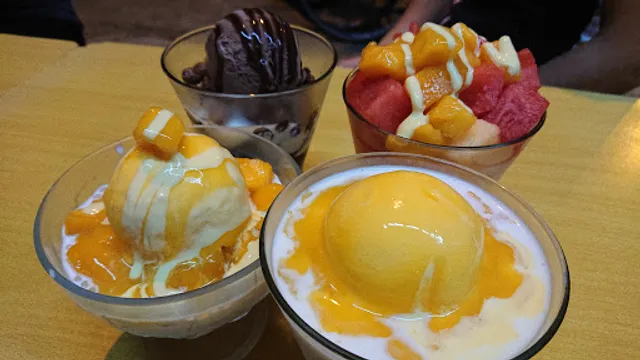
Shalom
4.6
(163)
Closed
Click for details
Nearby local services of Former Yamen Building of Kowloon Walled City
Kowloon Walled City Park
Kowloon City Sports Centre
Wenzhou Dream Garden Amusement Equipment Co.,Ltd
Sheung Tai Temple
莎莎Sasa - 九龍城九龍城廣場
Lee Fai Kee
YATA Supermarket San Po Kong
Shanghai Hongfu
Mikiki
JAI SABAI Thai massage 泰式按摩 (HUA WONG RD.) 27187189
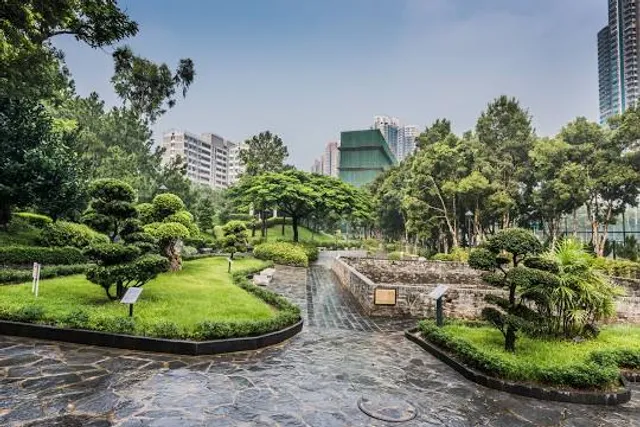
Kowloon Walled City Park
4.2
(1.6K)
Click for details
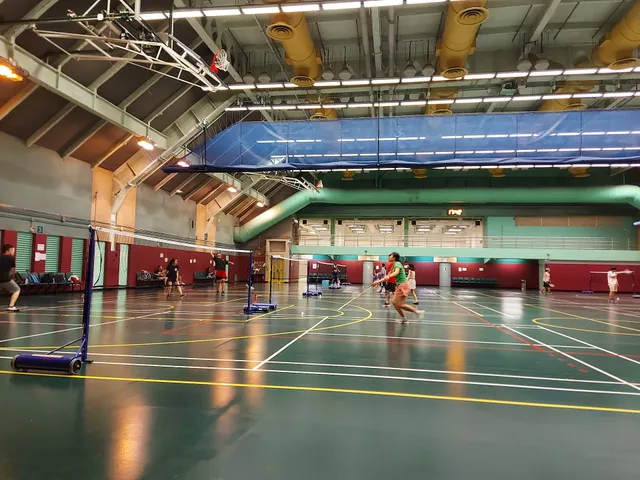
Kowloon City Sports Centre
3.8
(182)
Click for details
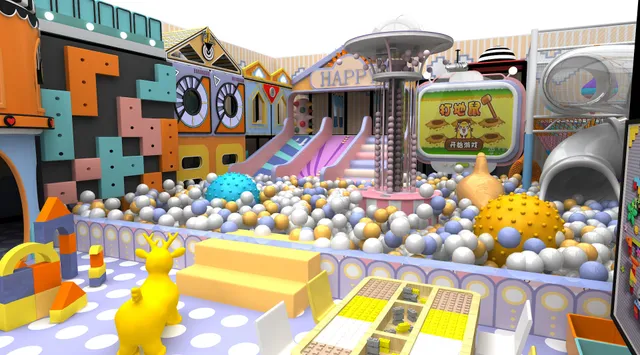
Wenzhou Dream Garden Amusement Equipment Co.,Ltd
4.8
(19)
Click for details
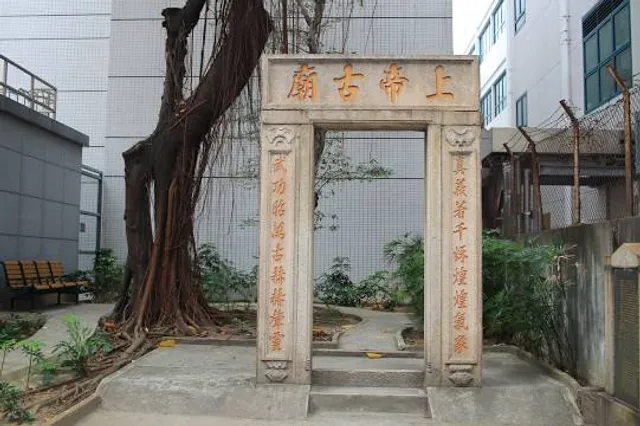
Sheung Tai Temple
3.8
(13)
Click for details