Hau Wong Temple, Junction Road, Kowloon City things to do, attractions, restaurants, events info and trip planning
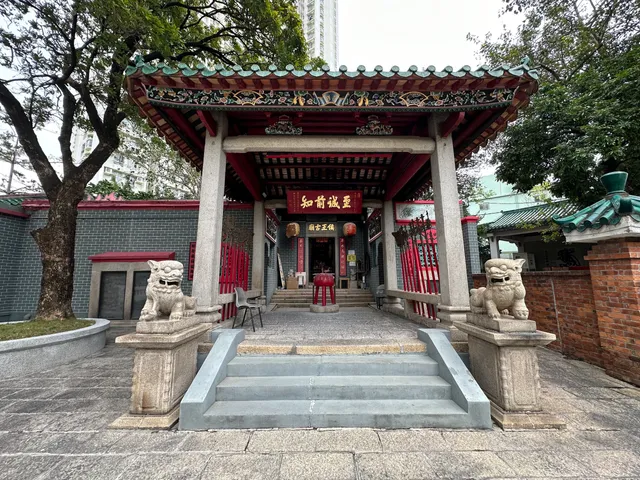
Basic Info
Hau Wong Temple, Junction Road, Kowloon City
130 Junction Rd, Pak Hok Shan, Hong Kong
4.2(111)
Closed
Save
spot
spot
Ratings & Description
Info
Cultural
attractions: Stone Houses Family Garden, Carpenter Road Park, Kowloon Walled City Park, The Hong Kong Chinese Christian Churches Union, Kowloon Tsai Park, Jumpin Gym U.S.A., Former Yamen Building of Kowloon Walled City, Remnants of the South Gate of Kowloon Walled City, Lok Fu Recreation Ground, Lok Fu Service Reservoir Rest Garden, restaurants: Stone Houses Cafe, Fook Yuen Seafood Restaurant, Wall City Flavor, Fong Wing Kee, Eat Chinese Restaurant, McDonald's (Kowloon City Plaza), Kam Ho Restaurant, 一襌 NIZEN, Wan Fung Tong, Fairwood, local businesses: Kowloon Walled City Park, 莎莎Sasa - 九龍城九龍城廣場, Kowloon City Sports Centre, Checkerboard Hill, Champion Court Car Park, Sheung Tai Temple, Lee Fai Kee, Physical, Shanghai Hongfu, JAI SABAI Thai massage 泰式按摩 (HUA WONG RD.) 27187189
 Learn more insights from Wanderboat AI.
Phone
+852 2336 0375
Website
ctc.org.hk
Open hoursSee all hours
Sun8 AM - 5 PMClosed
Plan your stay

Pet-friendly Hotels in Hong Kong
Find a cozy hotel nearby and make it a full experience.

Affordable Hotels in Hong Kong
Find a cozy hotel nearby and make it a full experience.

The Coolest Hotels You Haven't Heard Of (Yet)
Find a cozy hotel nearby and make it a full experience.

Trending Stays Worth the Hype in Hong Kong
Find a cozy hotel nearby and make it a full experience.
Reviews
Live events
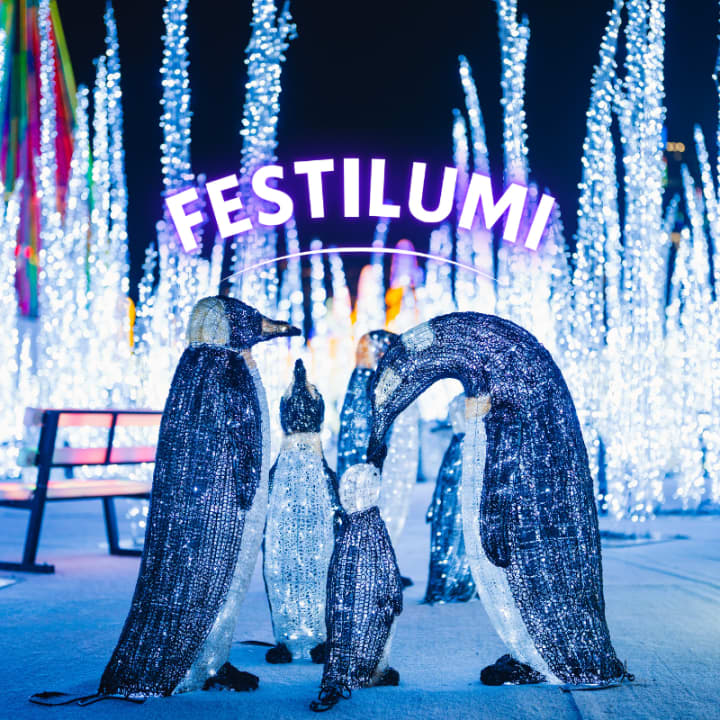
Festilumi - 香港
Sun, Feb 15 • 7:45 PM
3 Hung Hing Rd, Wan Chai, 00000
View details

Candlelight: Ed Sheeran Meets Coldplay
Thu, Feb 19 • 7:00 PM
109 Repulse Bay Rd, Repulse Bay, 000000
View details
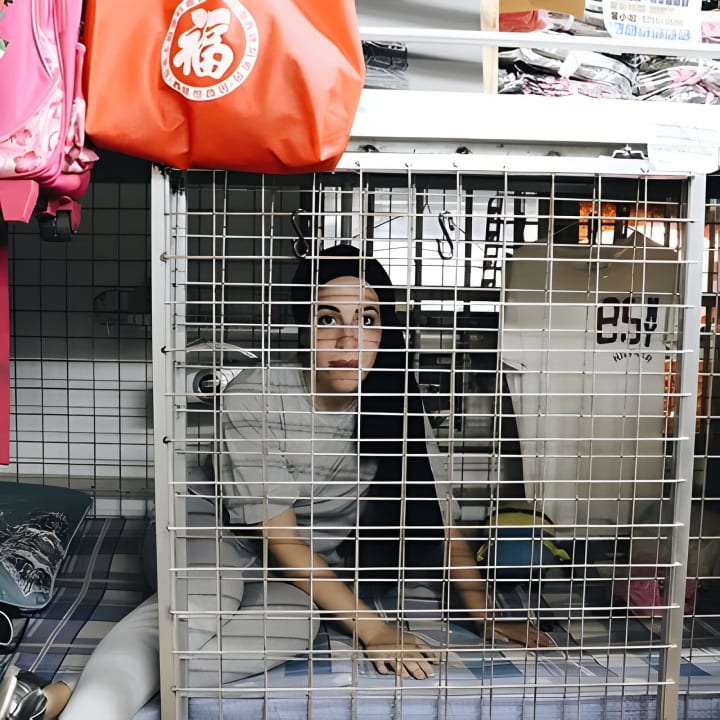
香港的黑暗面 - 九龙笼屋漫步之旅
Mon, Feb 16 • 11:00 AM
太子彌敦道
View details
Nearby attractions of Hau Wong Temple, Junction Road, Kowloon City
Stone Houses Family Garden
Carpenter Road Park
Kowloon Walled City Park
The Hong Kong Chinese Christian Churches Union
Kowloon Tsai Park
Jumpin Gym U.S.A.
Former Yamen Building of Kowloon Walled City
Remnants of the South Gate of Kowloon Walled City
Lok Fu Recreation Ground
Lok Fu Service Reservoir Rest Garden
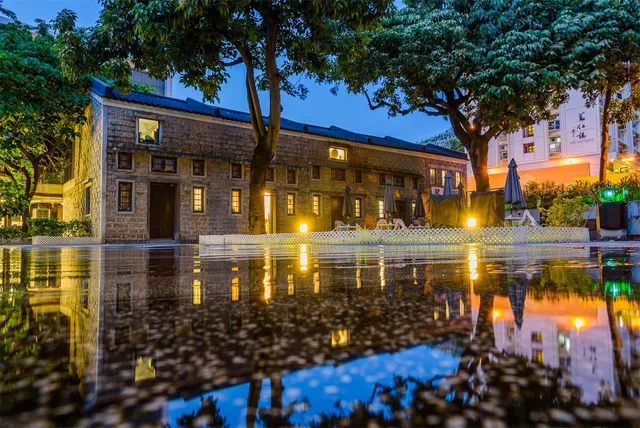
Stone Houses Family Garden
4.1
(251)
Closed
Click for details
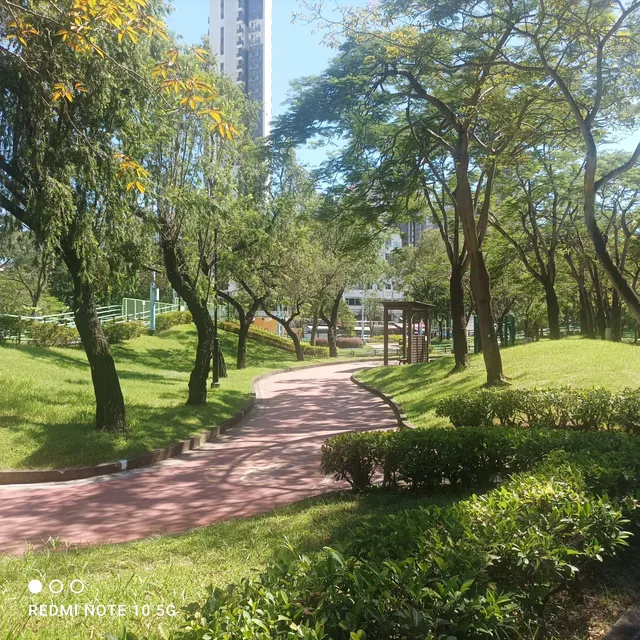
Carpenter Road Park
4.0
(1.5K)
Open until 12:00 AM
Click for details
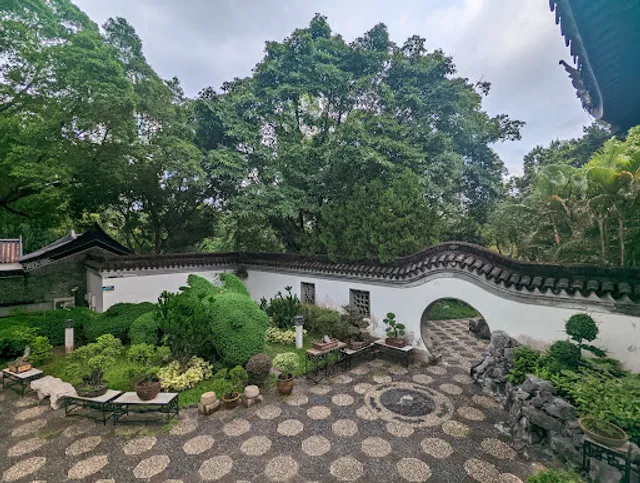
Kowloon Walled City Park
4.3
(2.3K)
Open until 11:00 PM
Click for details
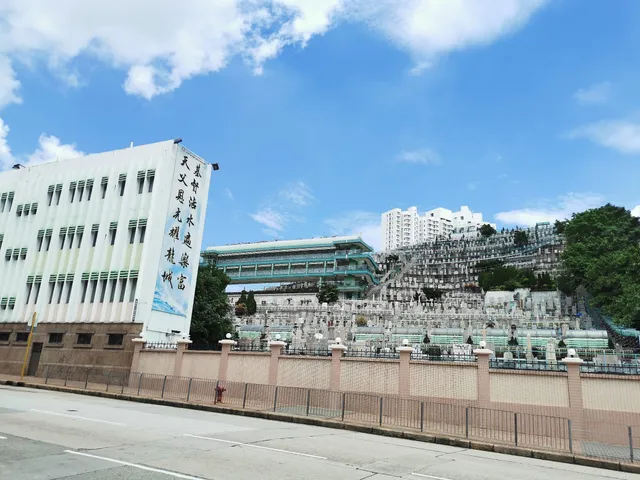
The Hong Kong Chinese Christian Churches Union
4.2
(150)
Closed
Click for details
Nearby restaurants of Hau Wong Temple, Junction Road, Kowloon City
Stone Houses Cafe
Fook Yuen Seafood Restaurant
Wall City Flavor
Fong Wing Kee
Eat Chinese Restaurant
McDonald's (Kowloon City Plaza)
Kam Ho Restaurant
一襌 NIZEN
Wan Fung Tong
Fairwood
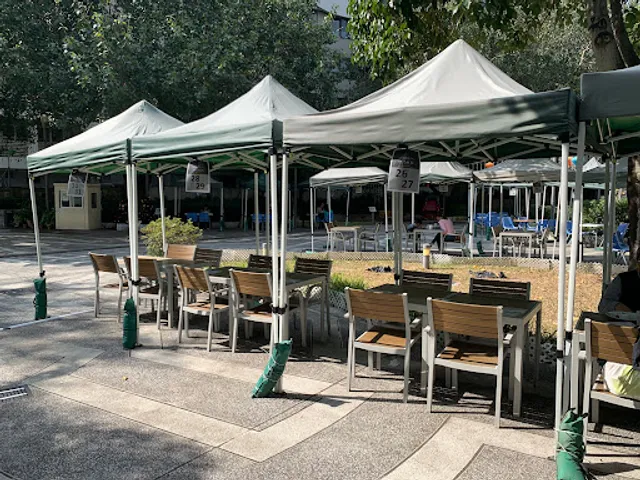
Stone Houses Cafe
4.0
(293)
Closed
Click for details
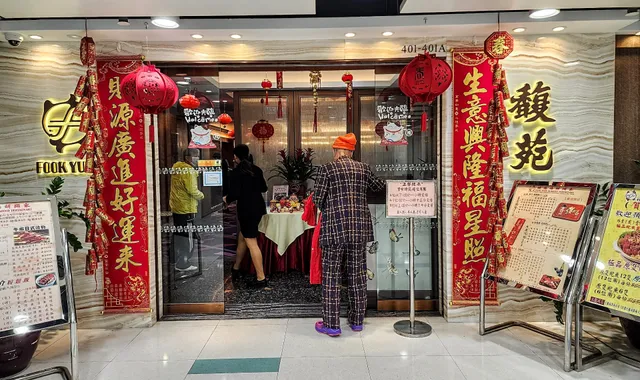
Fook Yuen Seafood Restaurant
3.8
(216)
Open until 12:00 AM
Click for details
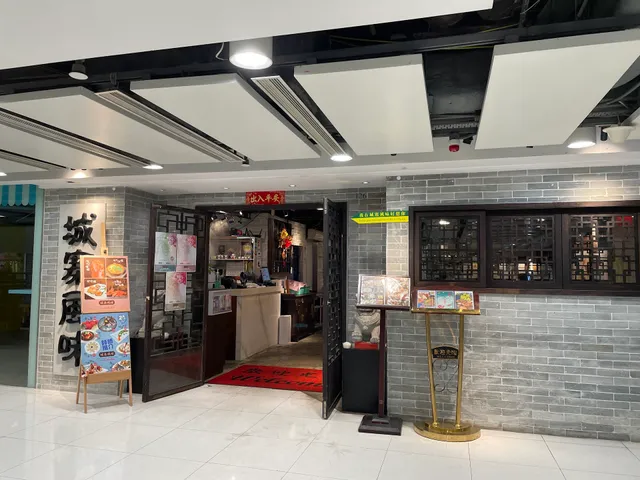
Wall City Flavor
3.7
(150)
$$
Open until 11:30 PM
Click for details
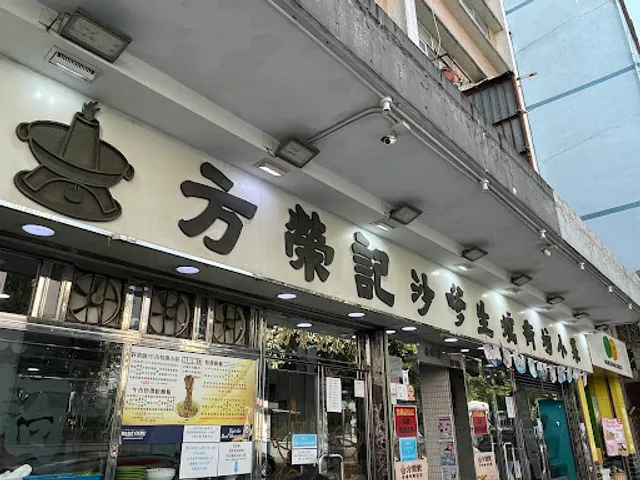
Fong Wing Kee
3.5
(513)
$$
Open until 11:45 PM
Click for details
Nearby local services of Hau Wong Temple, Junction Road, Kowloon City
Kowloon Walled City Park
莎莎Sasa - 九龍城九龍城廣場
Kowloon City Sports Centre
Checkerboard Hill
Champion Court Car Park
Sheung Tai Temple
Lee Fai Kee
Physical
Shanghai Hongfu
JAI SABAI Thai massage 泰式按摩 (HUA WONG RD.) 27187189
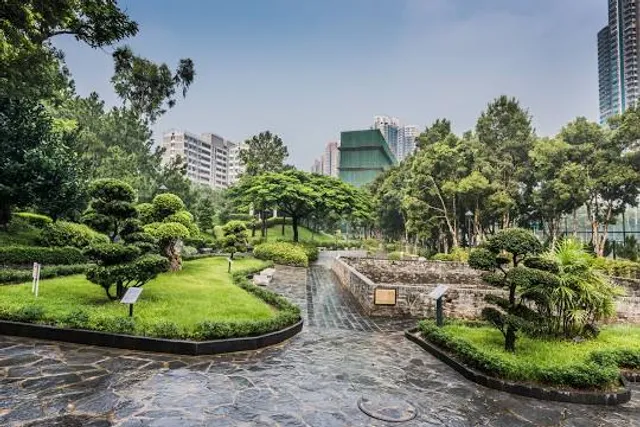
Kowloon Walled City Park
4.2
(1.6K)
Click for details
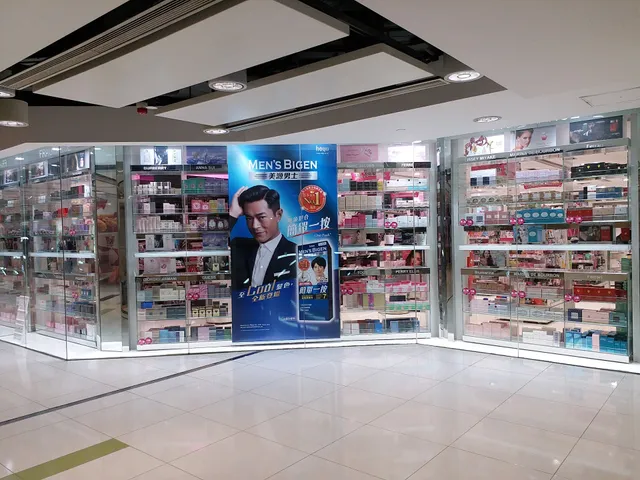
莎莎Sasa - 九龍城九龍城廣場
3.4
(12)
Click for details
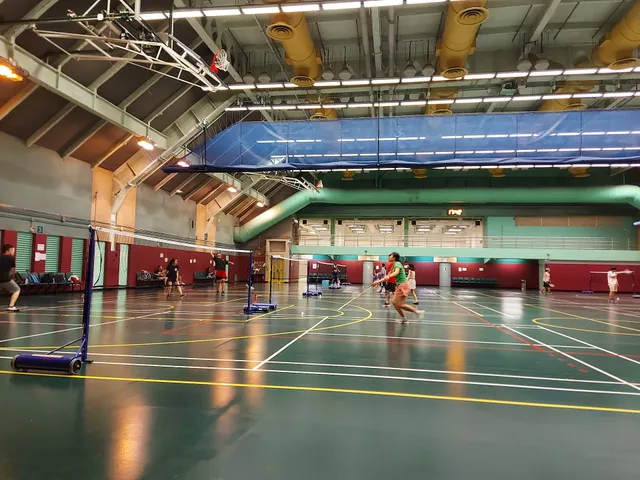
Kowloon City Sports Centre
3.8
(182)
Click for details
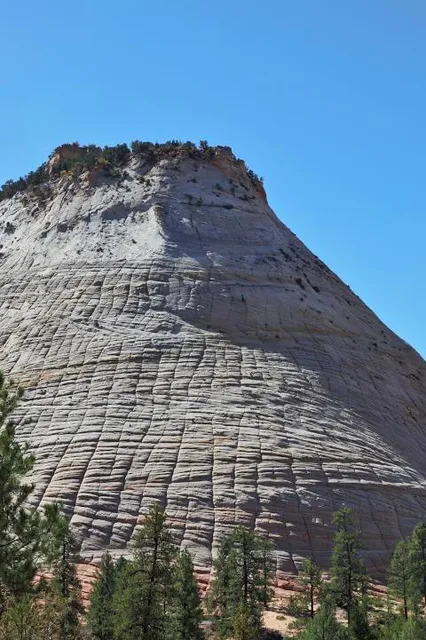
Checkerboard Hill
4.2
(121)
Click for details