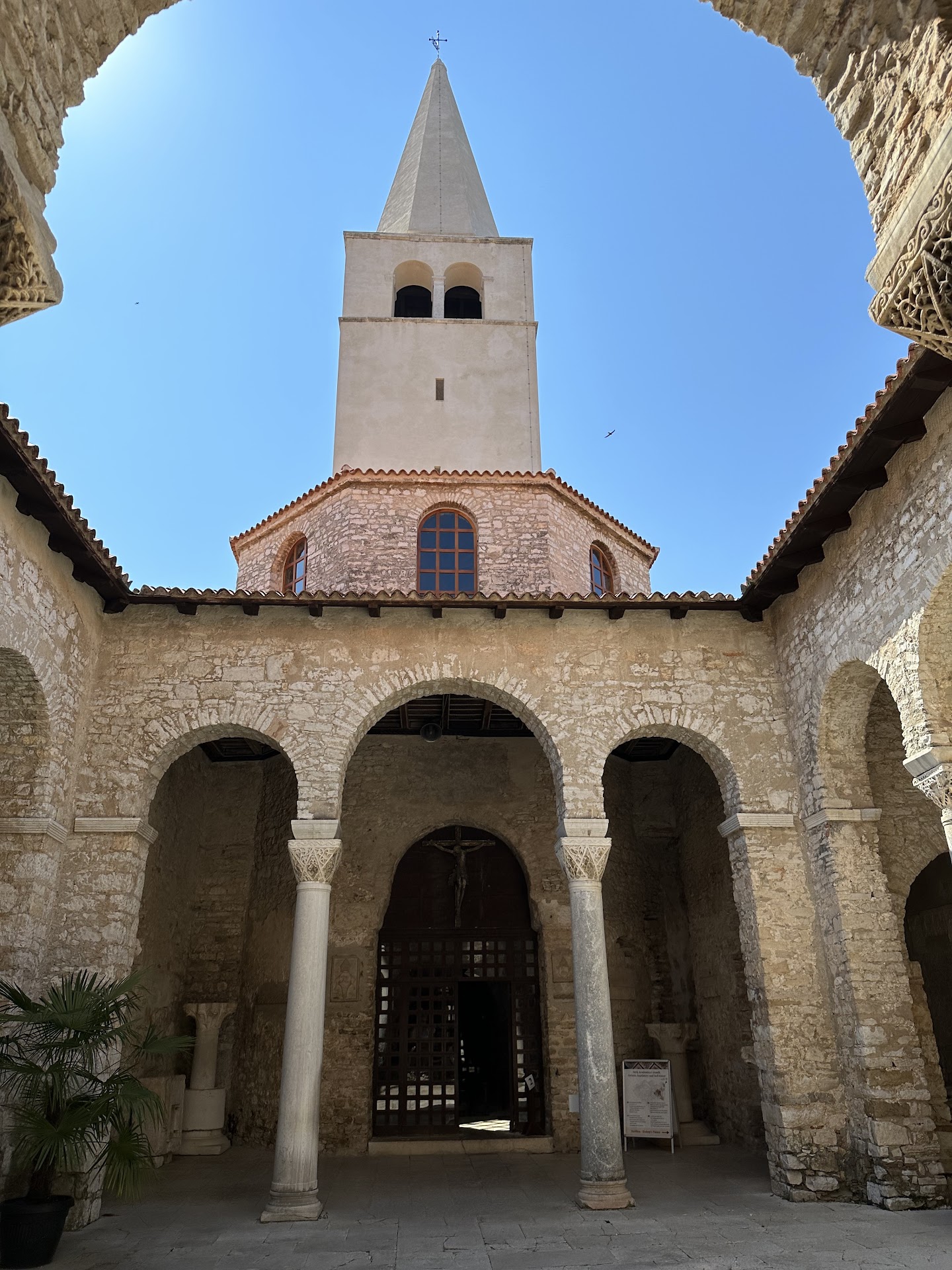
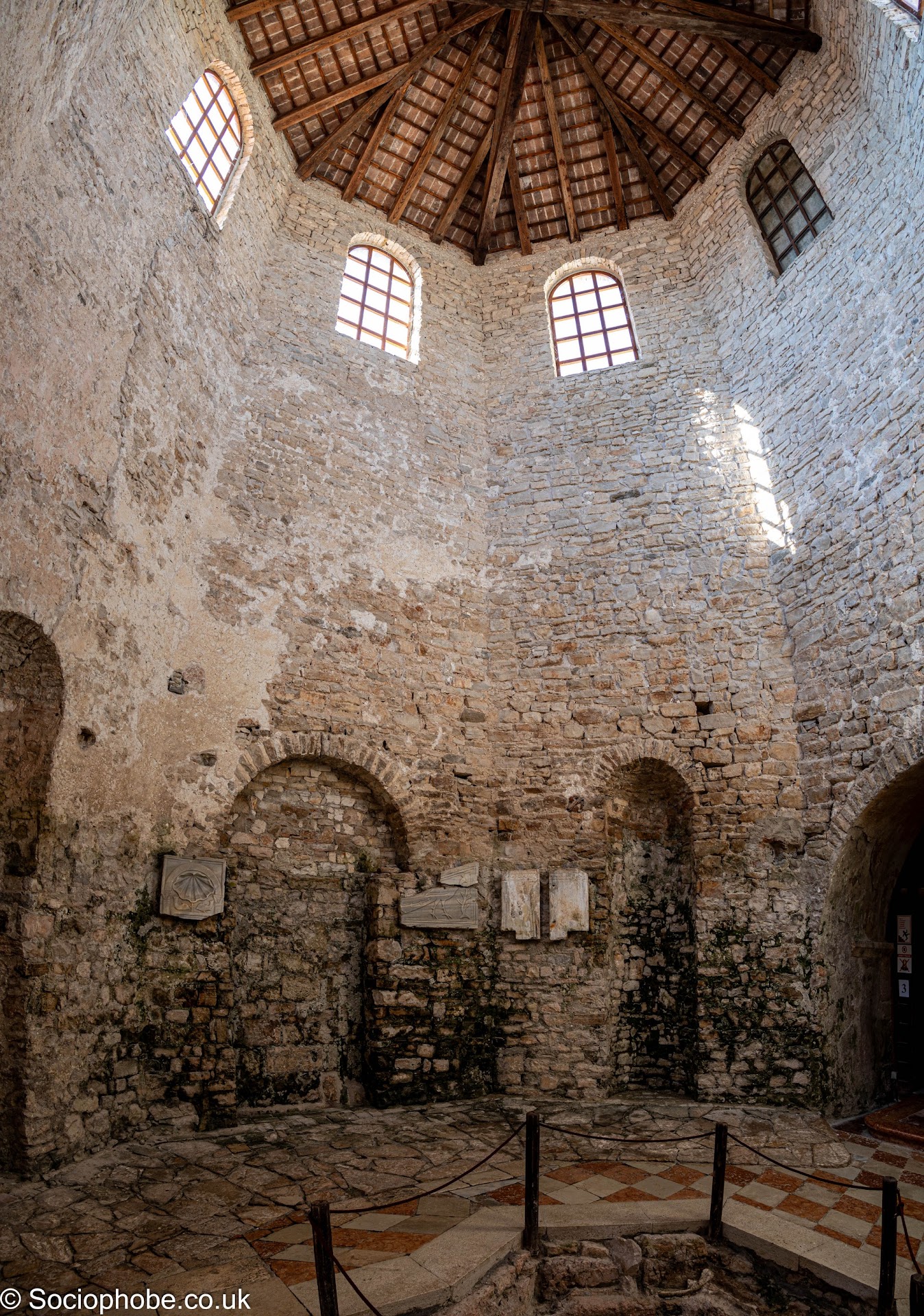
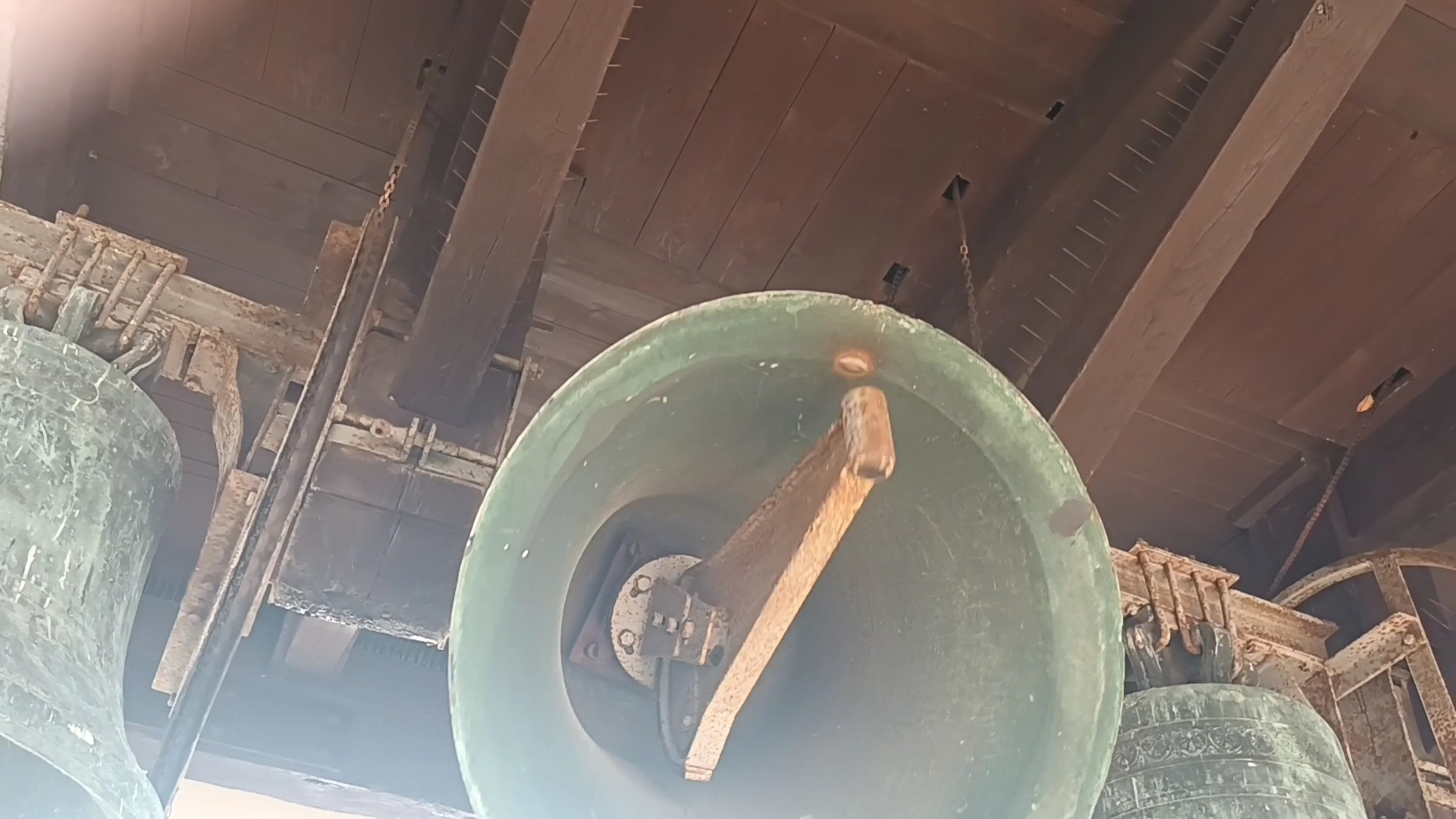
Euphrasian Basilica things to do, attractions, restaurants, events info and trip planning
Basic Info
Euphrasian Basilica
Eufrazijeva ul. 22, 52440, Poreč, Croatia
4.7(2.2K)
Closed

tickets
Save
spot
spot
Ratings & Description
Info
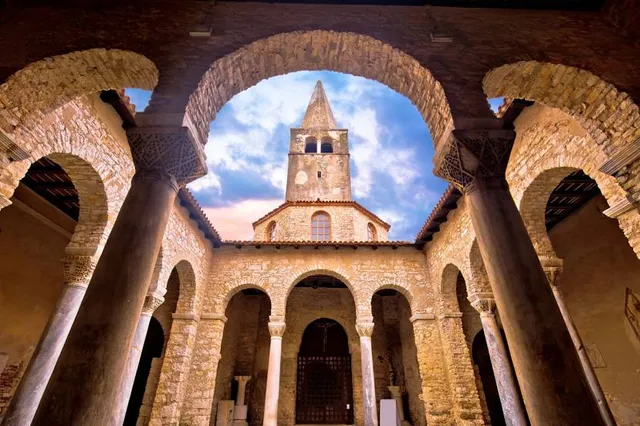
The Euphrasian Basilica or the Cathedral Basilica of the Assumption of Mary is a Roman Catholic basilica in the Istrian town of Poreč, Croatia.
Cultural
Accessibility
attractions: Poreč-Parenzo Town Museum, Istrian Assembly Hall, Bay Peskera Porec, LUX Istria Boat Tours, restaurants: Ciao-Ciao, Cotton Club Porec, Bacchus, Wine Bar OLD TOWN - Poreč, Pentagonal Tower / Peterokutna kula, Konoba Ćakula, L'insolito, Restoran Rialto, Restaurant Spinnaker, Restaurant Sveti Nikola, local businesses: Wine Corner Porec, Episcopal Complex of the Euphrasian Basilica in the Historic Centre of Poreč, beach Laguna, Beach Parentino (ex.Pical/Zagreb)
 Learn more insights from Wanderboat AI.
Phone
+385 52 451 784
Website
zupaporec.com
Open hoursSee all hours
Tue9 AM - 4 PMClosed
Plan your stay

Pet-friendly Hotels in Grad Poreč
Find a cozy hotel nearby and make it a full experience.

Affordable Hotels in Grad Poreč
Find a cozy hotel nearby and make it a full experience.

The Coolest Hotels You Haven't Heard Of (Yet)
Find a cozy hotel nearby and make it a full experience.

Trending Stays Worth the Hype in Grad Poreč
Find a cozy hotel nearby and make it a full experience.
Reviews
Live events
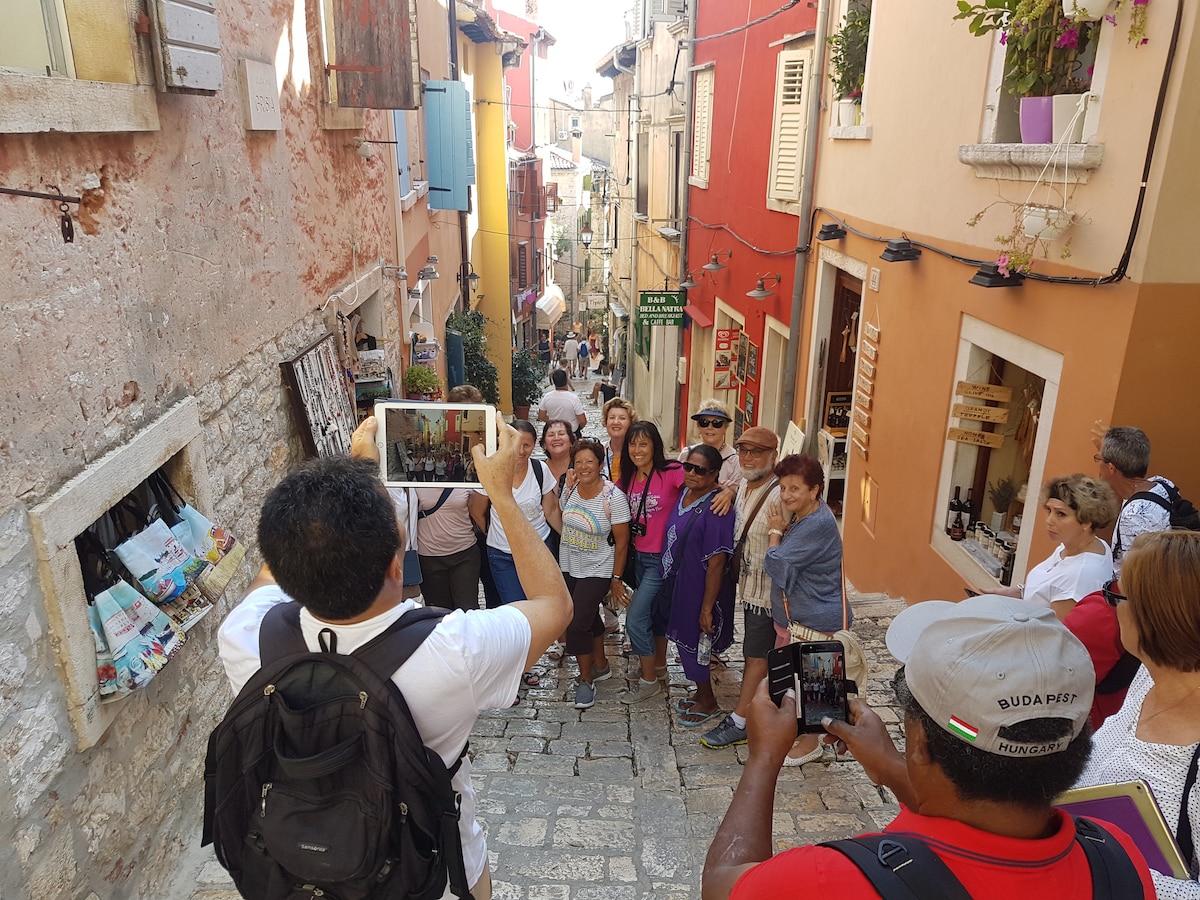
Discover Rovinjs hidden secrets
Wed, Feb 25 • 12:00 PM
52210, Rovinj, Croatia
View details
Nearby attractions of Euphrasian Basilica
Poreč-Parenzo Town Museum
Istrian Assembly Hall
Bay Peskera Porec
LUX Istria Boat Tours
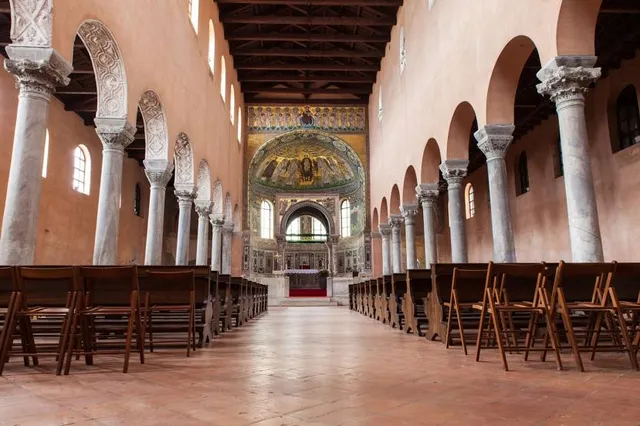
Poreč-Parenzo Town Museum
4.4
(22)
Open 24 hours
Click for details
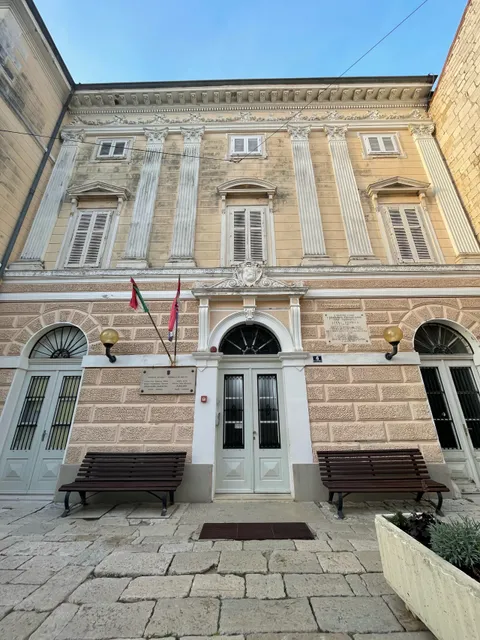
Istrian Assembly Hall
4.5
(24)
Open 24 hours
Click for details
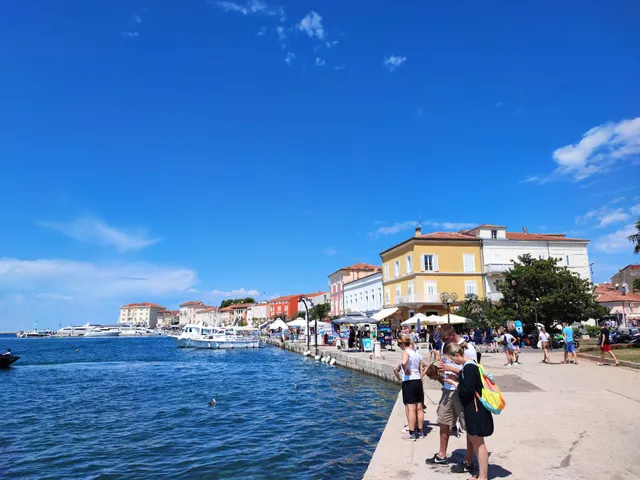
Bay Peskera Porec
4.5
(60)
Open until 12:00 AM
Click for details
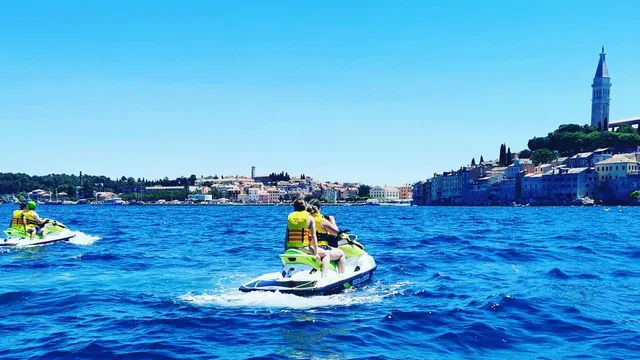
LUX Istria Boat Tours
3.0
(18)
Closed
Click for details
Nearby restaurants of Euphrasian Basilica
Ciao-Ciao
Cotton Club Porec
Bacchus
Wine Bar OLD TOWN - Poreč
Pentagonal Tower / Peterokutna kula
Konoba Ćakula
L'insolito
Restoran Rialto
Restaurant Spinnaker
Restaurant Sveti Nikola
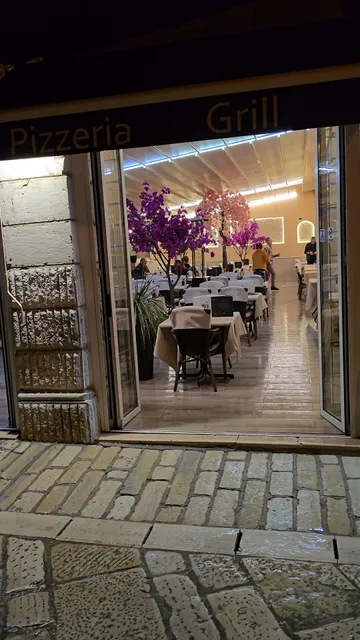
Ciao-Ciao
4.5
(1.9K)
Open until 12:00 AM
Click for details
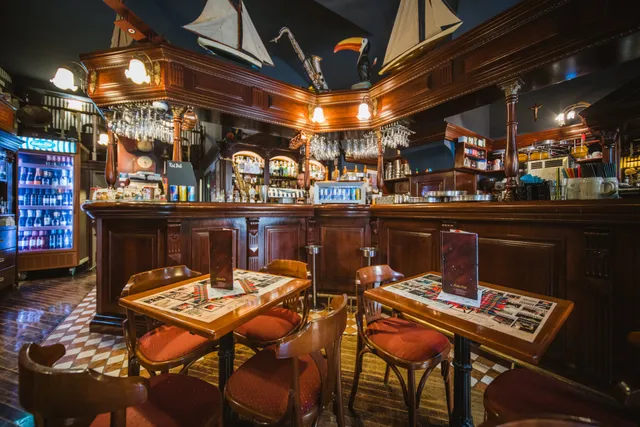
Cotton Club Porec
4.6
(1.5K)
$$
Open until 12:00 AM
Click for details
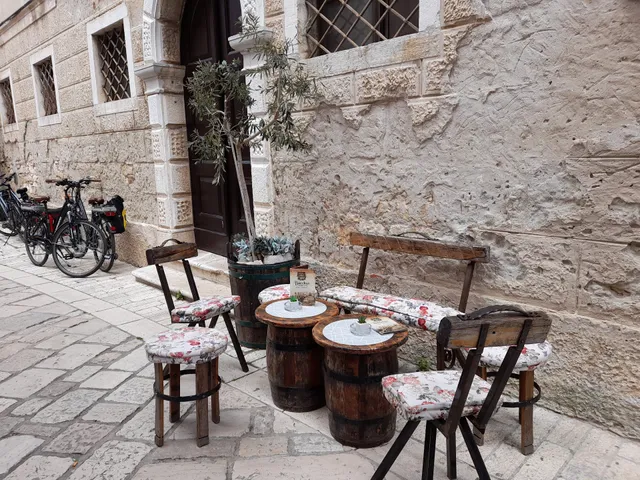
Bacchus
4.7
(936)
$$
Closed
Click for details
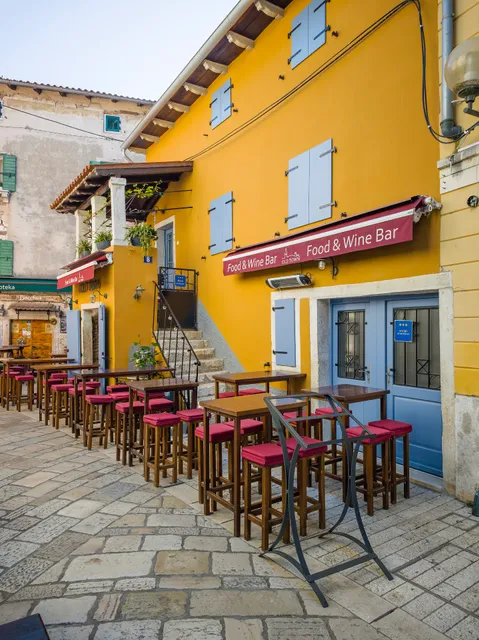
Wine Bar OLD TOWN - Poreč
4.9
(259)
$$
Closed
Click for details
Nearby local services of Euphrasian Basilica
Wine Corner Porec
Episcopal Complex of the Euphrasian Basilica in the Historic Centre of Poreč
beach Laguna
Beach Parentino (ex.Pical/Zagreb)
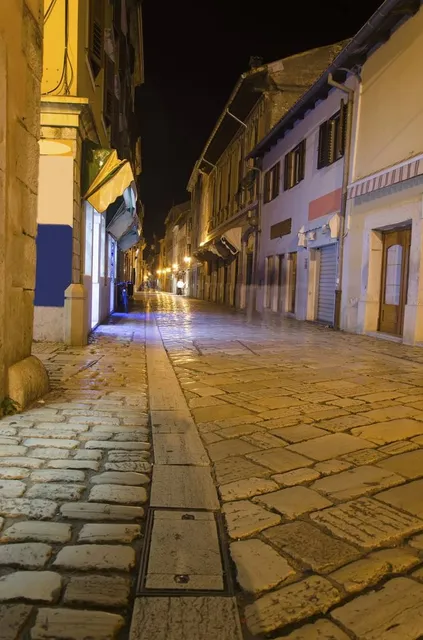
Wine Corner Porec
4.8
(381)
Click for details
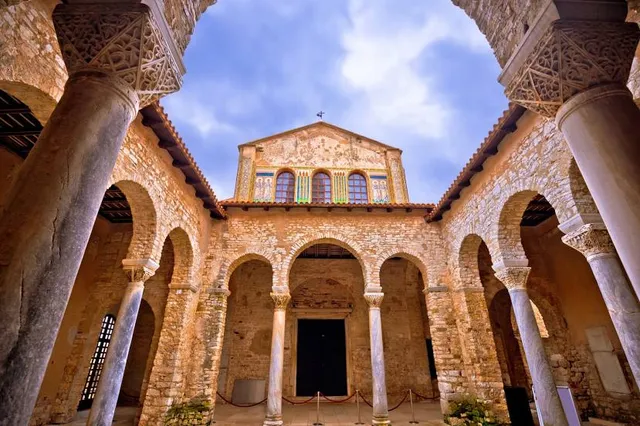
Episcopal Complex of the Euphrasian Basilica in the Historic Centre of Poreč
4.7
(47)
Click for details
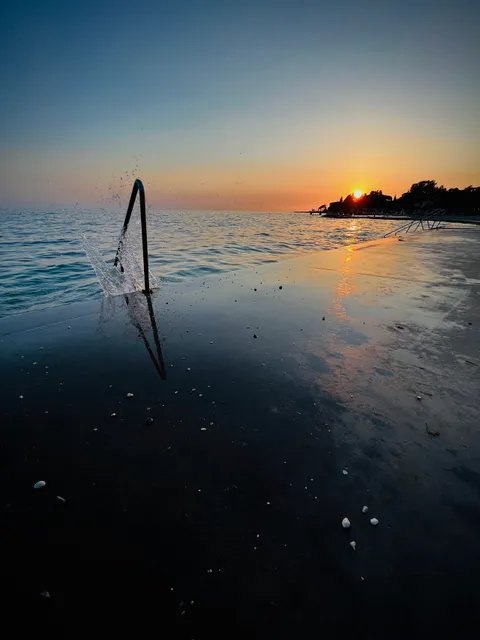
beach Laguna
4.5
(290)
Click for details
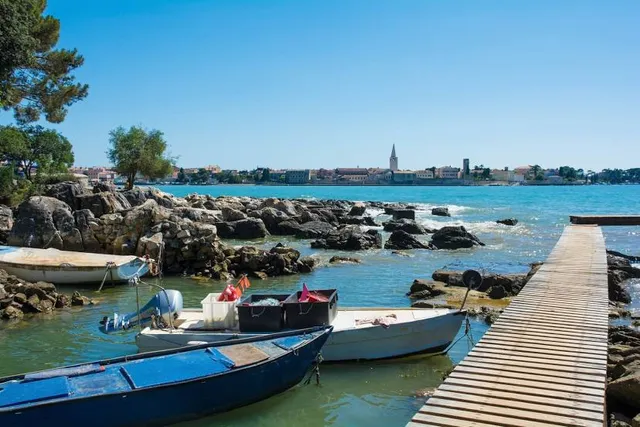
Beach Parentino (ex.Pical/Zagreb)
4.5
(593)
Click for details