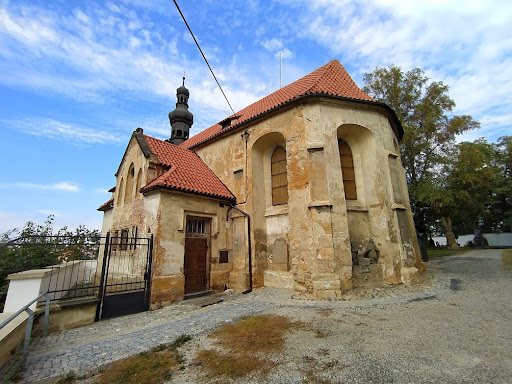
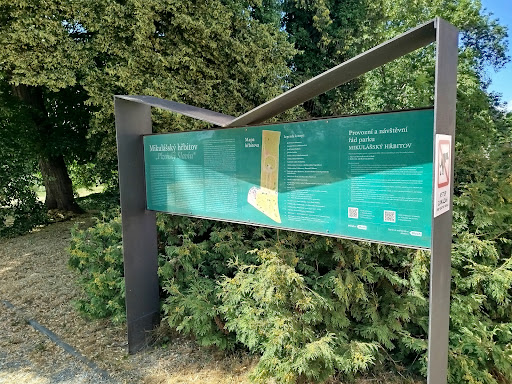
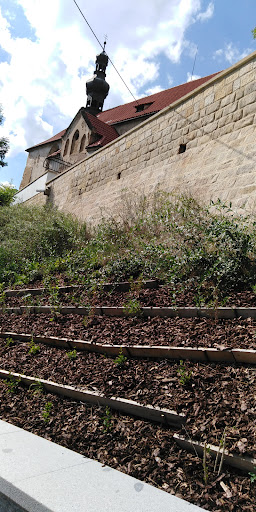
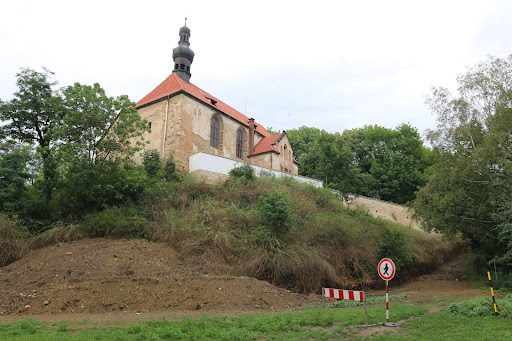
Church of St. Nicholas things to do, attractions, restaurants, events info and trip planning
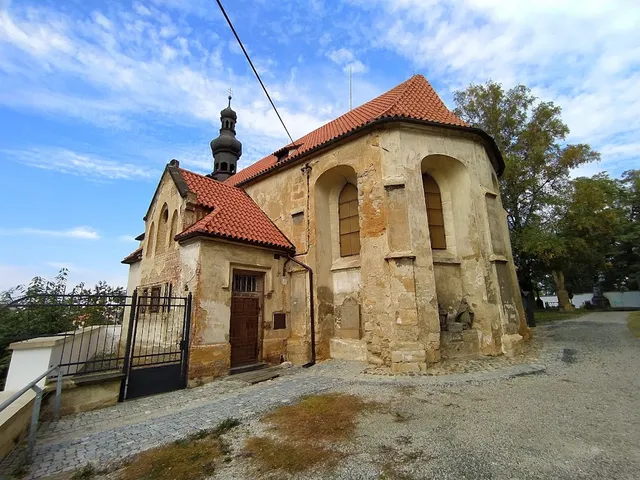
Basic Info
Church of St. Nicholas
Mikulášská, 326 00 Plzeň 2-Slovany, Czechia
4.7(34)
Open until 12:00 AM
Save
spot
spot
Ratings & Description
Info
Cultural
Scenic
Accessibility
attractions: Kostel Panny Marie Růžencové, Museum of West Bohemia in Pilsen, Municipal Commons, Náměstí Republiky, Plzeň, Church of the Assumption of the Blessed Virgin Mary, Muzeum církevního umění plzeňské diecéze, Franciscan monastery, Kostel svaté Anny, restaurants: Pizzeria & Restaurant Mikulášská, Pancho's, Papírna Plzeň, Masala Ghar Slovany, Your Time Café, U Jirky Plzeň Doudlevecká 9, Pizzeria Terra, Family Kebab, Vinafood, Indicka Nepalska Restaurant Kathmandu - Plzeň, local businesses: Casino PG Koterovská, Éčko Restaurace & Bowling, Museum of West Bohemia in Pilsen, Galerie Ladislava Sutnara, Františkánský Klášter, Plzeňský skleník, Zlatnictví Zlatá Koruna Plzeň, Plzák z Plzně s.r.o.
 Learn more insights from Wanderboat AI.
Website
svaty-mikulas.mozello.cz
Open hoursSee all hours
ThuClosedOpen
Plan your stay

Pet-friendly Hotels in okres Plzeň-město
Find a cozy hotel nearby and make it a full experience.

Affordable Hotels in okres Plzeň-město
Find a cozy hotel nearby and make it a full experience.

The Coolest Hotels You Haven't Heard Of (Yet)
Find a cozy hotel nearby and make it a full experience.

Trending Stays Worth the Hype in okres Plzeň-město
Find a cozy hotel nearby and make it a full experience.
Reviews
Live events

NEDĚLE VEČER / 8.2.2025
Sun, Feb 8 • 5:00 PM
Jablonského 604/7, 326 00 Plzeň 2-Slovany, Czechia
View details
Nearby attractions of Church of St. Nicholas
Kostel Panny Marie Růžencové
Museum of West Bohemia in Pilsen
Municipal Commons
Náměstí Republiky, Plzeň
Church of the Assumption of the Blessed Virgin Mary
Muzeum církevního umění plzeňské diecéze
Franciscan monastery
Kostel svaté Anny
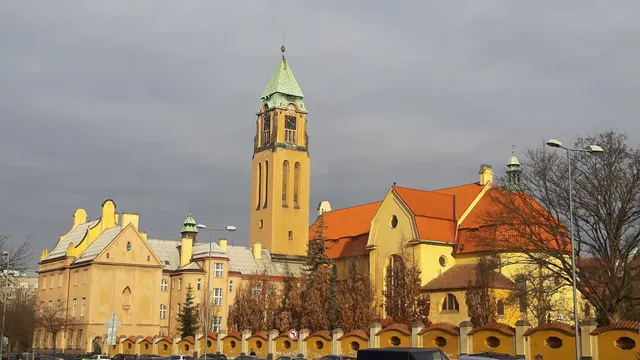
Kostel Panny Marie Růžencové
4.6
(113)
Open 24 hours
Click for details
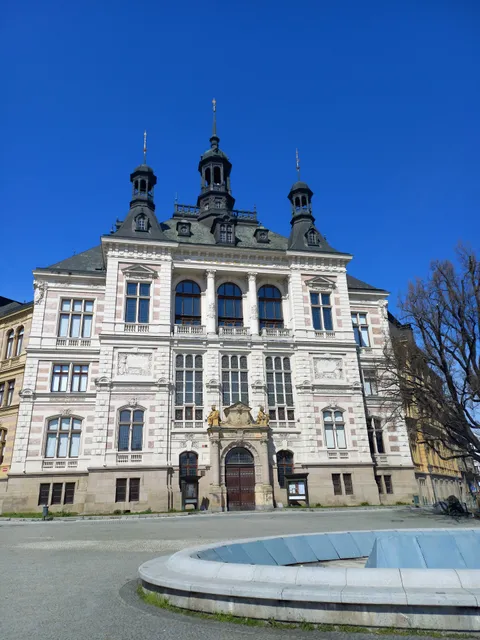
Museum of West Bohemia in Pilsen
4.6
(531)
Open until 6:00 PM
Click for details
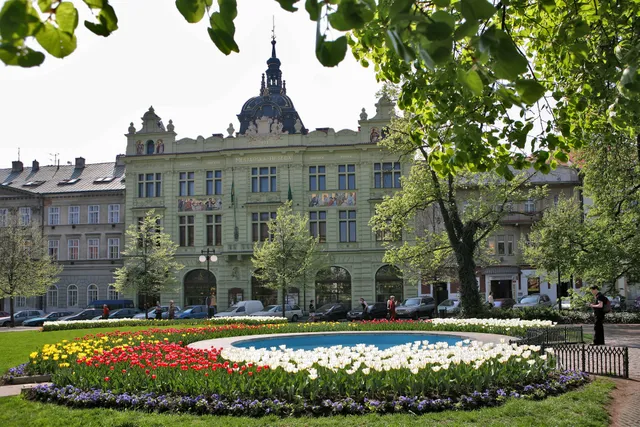
Municipal Commons
4.5
(1.2K)
Open until 12:00 AM
Click for details
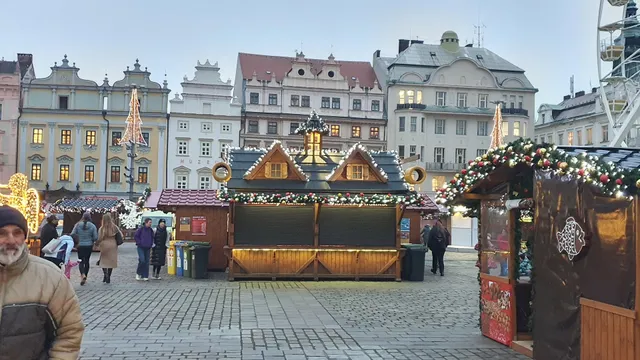
Náměstí Republiky, Plzeň
4.7
(1.1K)
Open until 12:00 AM
Click for details
Nearby restaurants of Church of St. Nicholas
Pizzeria & Restaurant Mikulášská
Pancho's
Papírna Plzeň
Masala Ghar Slovany
Your Time Café
U Jirky Plzeň Doudlevecká 9
Pizzeria Terra
Family Kebab
Vinafood
Indicka Nepalska Restaurant Kathmandu - Plzeň
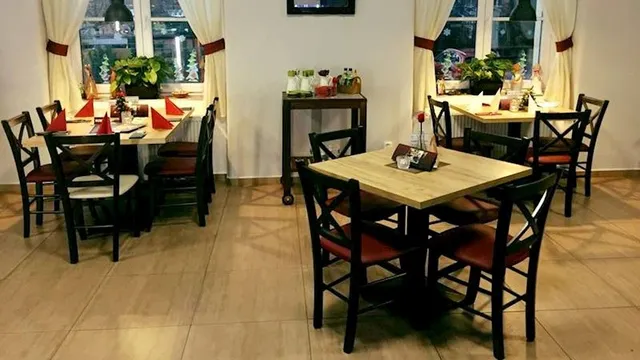
Pizzeria & Restaurant Mikulášská
4.1
(412)
Open until 11:00 PM
Click for details
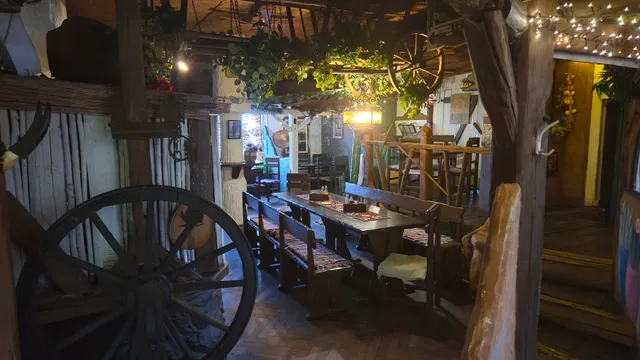
Pancho's
4.5
(849)
Open until 10:00 PM
Click for details
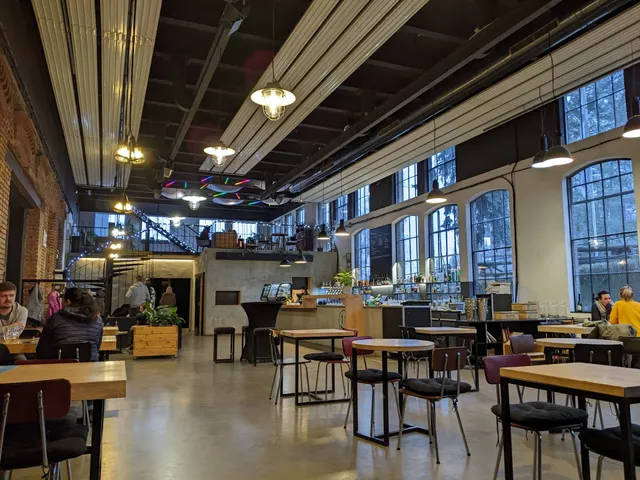
Papírna Plzeň
4.4
(856)
Open until 11:00 PM
Click for details
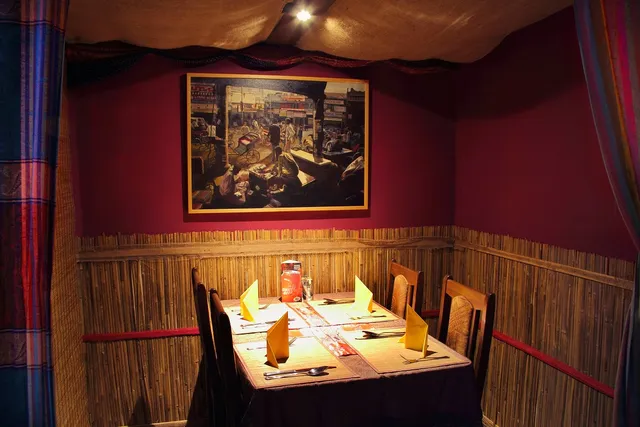
Masala Ghar Slovany
4.4
(132)
Closed
Click for details
Nearby local services of Church of St. Nicholas
Casino PG Koterovská
Éčko Restaurace & Bowling
Museum of West Bohemia in Pilsen
Galerie Ladislava Sutnara
Františkánský Klášter
Plzeňský skleník
Zlatnictví Zlatá Koruna Plzeň
Plzák z Plzně s.r.o.
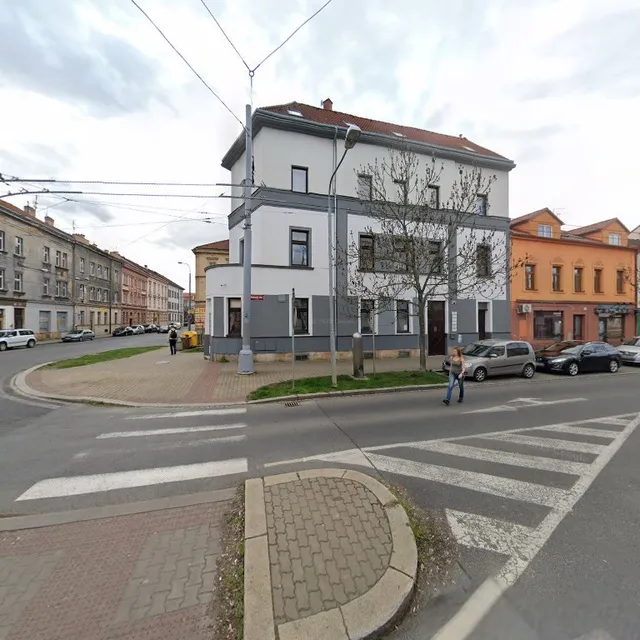
Casino PG Koterovská
3.2
(12)
Click for details
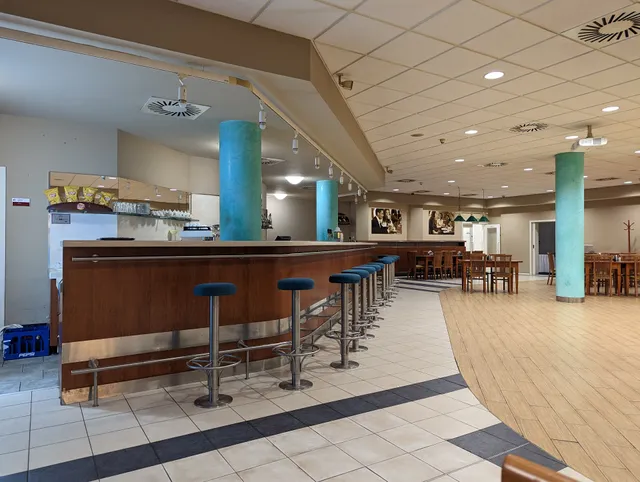
Éčko Restaurace & Bowling
4.0
(100)
Click for details
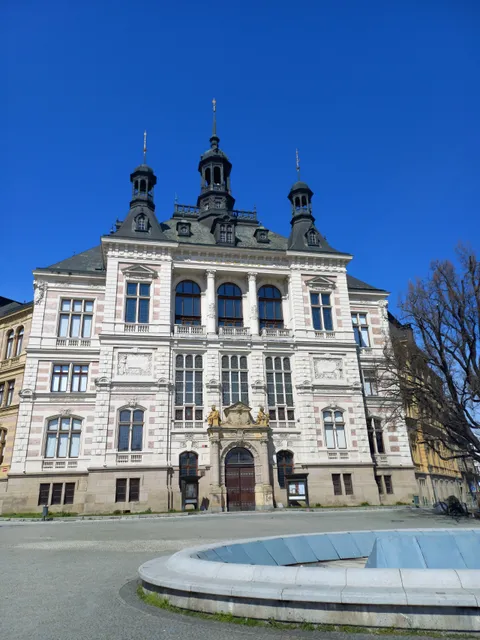
Museum of West Bohemia in Pilsen
4.6
(446)
Click for details
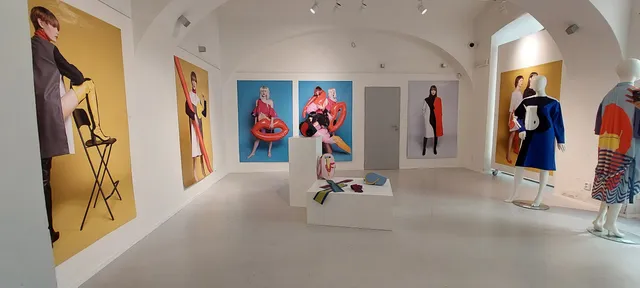
Galerie Ladislava Sutnara
4.5
(28)
Click for details