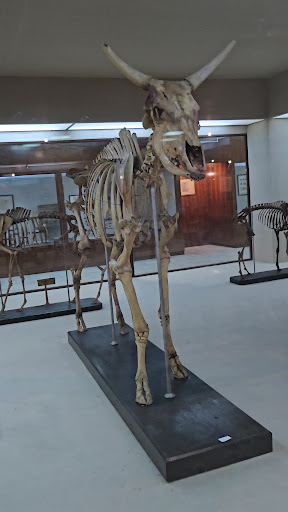
The Agricultural Museum in Egypt The purpose of its establishment was the documentation of Egypt's agricultural memory, and a window from which all generations overlook Egypt's agricultural civilization, as well as being a center of agricultural culture. The museum was established in the palaces of Princess Fatima Ismail, daughter of Khedive Ismail in the Dokki neighborhood, and work has begun It was established in 1930 when the decision of the Egyptian Cabinet was issued on November 21, 1927, and it was initially called "Fouad I Agricultural Museum". This museum can be considered eight museums, not one museum, and the area of this museum exceeds thirty acres, equivalent to 175 thousand square meters, and is the first agricultural museum in the world, Museum's holdings It includes thousands of exhibits and collectibles that in their entirety offer a historical reading of agriculture and its development in Egypt since the era of the Pharaohs. , And examples of historical agricultural machines such as the grinder or grain milling machine, which dates back to 15 thousand years, in addition to many photographs and oil artwork that refer you to the atmosphere of the past, the development of agricultural methods of the Egyptian farmer, and the forms of Village life throughout history Museum description It is the second most important place specialized in "agriculture" worldwide, after the Agricultural Museum in the Hungarian capital, Budapest. Thanks to the establishment of the Agricultural Museum belongs to King Fouad I, who believed that it was necessary for Egypt to have an agricultural museum whose mission is to spread agricultural and economic information in the country, and the designer of the agricultural museum in the Hungarian capital «Budapest» was used to design the Egyptian Agricultural Museum, and the choice was made on Saray Princess Fatima Ismail, daughter of Khedive Ismail, and sister of King Fouad I, to be an agricultural museum. The Agricultural Museum is one of the largest museums in Egypt with an area of 125 thousand square meters. The museum was a palace for Princess Fatima Ismail, daughter of Khedive Ismail, and the museum consists of three buildings for exhibits The first building dedicated plant kingdom and the second building of the exhibits of the animal kingdom and the third building houses the historical exhibition of Egyptian agriculture since the era of prehistoric to Eumanahma. The museum also has a library, cinemas and lectures, as well as a collection of...
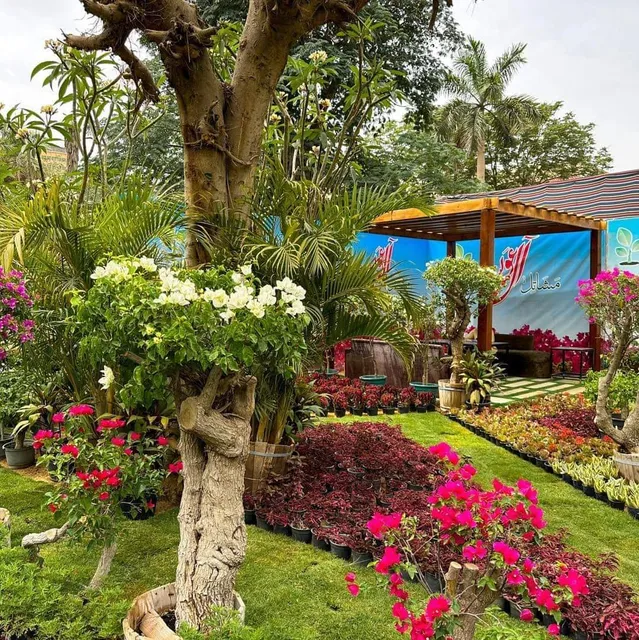
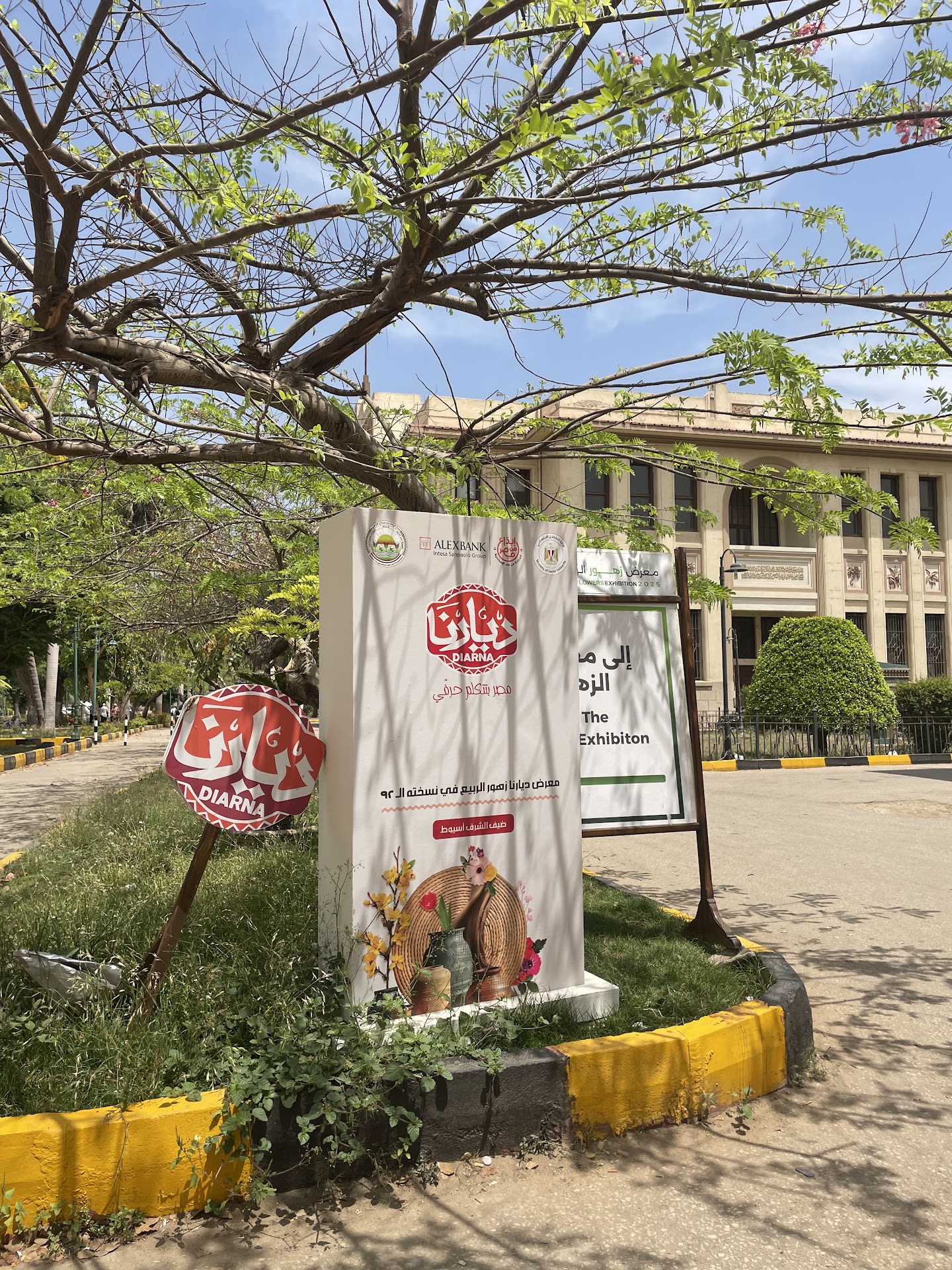
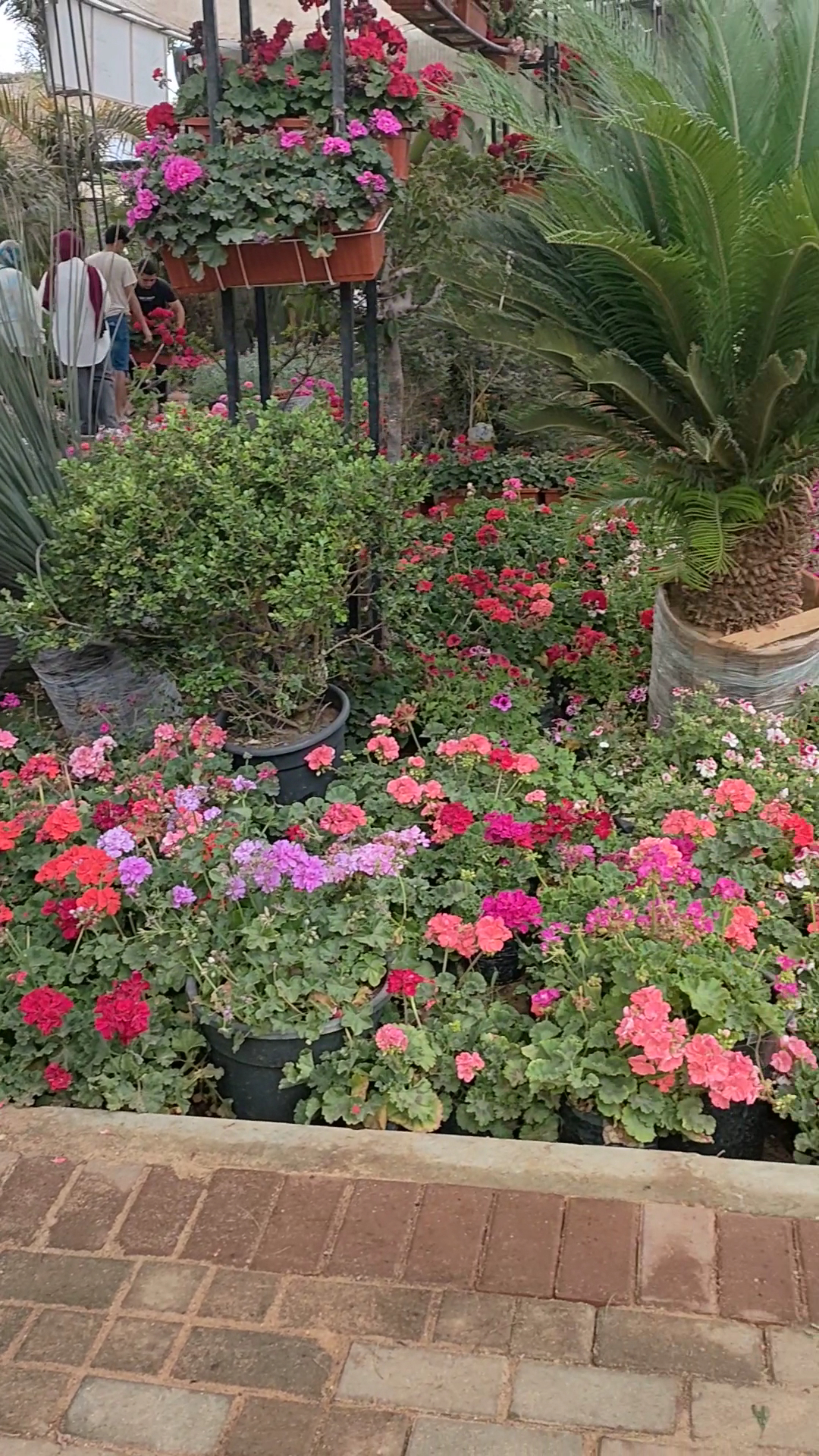
Read moreat the Agricultural Museum in Dokki, Cairo, was a vibrant celebration of Egypt's rich horticultural heritage. As the oldest and largest flower exhibition in the Middle East, first established in 1934, this annual event continues to captivate visitors with its diverse floral displays and cultural offerings.
Floral Diversity and Exhibitors
This year's exhibition featured over 200 exhibitors showcasing a wide array of ornamental plants, rare species, and landscaping innovations. Visitors were treated to displays of cut flowers, shade plants, succulents, and exotic cacti, reflecting both local cultivation and international horticultural trends. The inclusion of rare plant species cultivated in Egypt highlighted the nation's botanical diversity and expertise.
Cultural and Environmental Initiatives
Beyond the floral displays, the exhibition emphasized environmental awareness and cultural heritage. Workshops and seminars focused on the importance of ornamental plants in enhancing environmental quality and combating climate change. The event also featured traditional Egyptian handicrafts, promoting local artisans and their contributions to cultural preservation. International Collaboration and Future Outlook
The 92nd edition marked a significant step towards internationalization, with participation from the Food and Agriculture Organization (FAO) and attendance by various foreign ambassadors. This collaboration aims to elevate the exhibition to a global platform, fostering international partnerships and trade opportunities in the horticultural sector. Visitor Experience
The exhibition provided a delightful experience for visitors of all ages. Affordable plant prices, starting from just 5 Egyptian pounds, made it accessible to a broad audience. The event's layout facilitated leisurely strolls among the vibrant displays, creating an inviting atmosphere for families, gardening enthusiasts, and...
Read moreThe Agricultural Museum in Cairo is a notable institution dedicated to showcasing the history, techniques, and innovations of agriculture in Egypt. Located in the Dokki district of Cairo, the museum provides visitors with insights into the country's agricultural heritage and its importance to the economy and society.
The museum's exhibits cover various aspects of agriculture, including farming practices, irrigation methods, crop cultivation, livestock breeding, and agricultural machinery. Visitors can explore displays of traditional farming tools, ancient artifacts related to agriculture, models of farming techniques, and interactive exhibits highlighting modern agricultural practices and innovations.
The Agricultural Museum serves as a valuable educational resource for students, researchers, and anyone interested in learning about Egypt's agricultural history and its impact on food production and rural development. It offers a comprehensive overview of the country's agricultural heritage and its ongoing efforts to enhance productivity and sustainability in...
Read more