Mortuary Temple of Amenhotep III things to do, attractions, restaurants, events info and trip planning
Basic Info
Mortuary Temple of Amenhotep III
PJC5+GJG, Al Bairat, Luxor, Luxor Governorate 1341703, Egypt
4.6(3.4K)
Closed
Save
spot
spot
Ratings & Description
Info
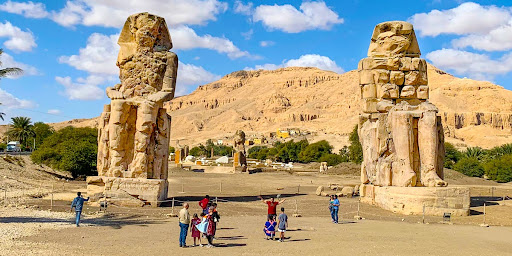
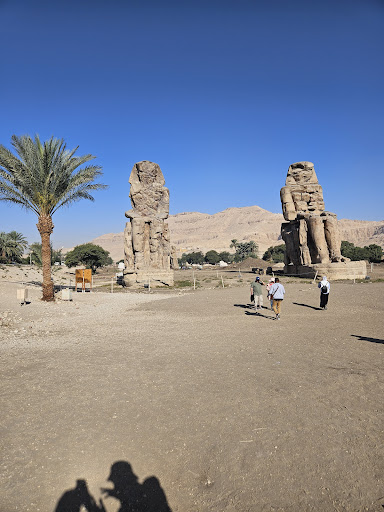
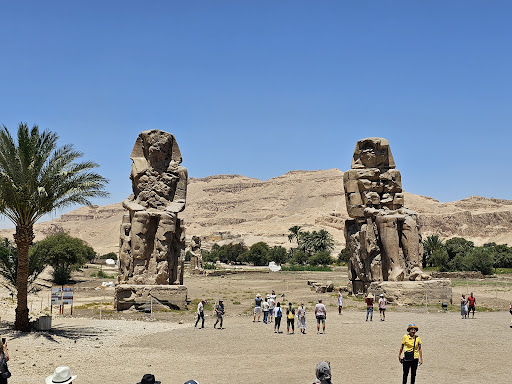
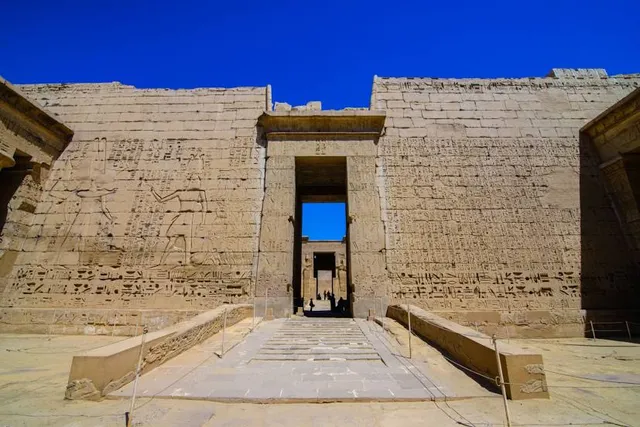
The Mortuary Temple of Amenhotep III, also known as Kom el-Hettân, was built by the main architect Amenhotep, son of Hapu, for Pharaoh Amenhotep III during the 18th Dynasty of the New Kingdom. The mortuary temple is located on the Western bank of the Nile river, across from the eastern bank city of Luxor.
Cultural
Accessibility
attractions: Colossi of Memnon, Ramesseum, 메디넷 하부, Qurnet Murai Necropolis, restaurants: Saray El Nile Restaurant مطعم سرايا النيل, Memnon Guesthouse, Restaurant & Cafe, Bedouin island restaurant, Ali Baba Restaurant, Cleopatra fresh juice cafe, Restaurant Mohamed, Restaurant Paris, Café & Restaurant Maratonga - Medinet Habu, Luxor, Belzoni Alaa El Din, Habu Garden, local businesses: Colossi of Memnon, Nefertari Papyrus Institute
 Learn more insights from Wanderboat AI.
Open hoursSee all hours
Wed6 AM - 5 PMClosed
Plan your stay

Pet-friendly Hotels in New Al Qarnh City
Find a cozy hotel nearby and make it a full experience.

Affordable Hotels in New Al Qarnh City
Find a cozy hotel nearby and make it a full experience.

The Coolest Hotels You Haven't Heard Of (Yet)
Find a cozy hotel nearby and make it a full experience.

Trending Stays Worth the Hype in New Al Qarnh City
Find a cozy hotel nearby and make it a full experience.
Reviews
Live events
![[Private]Valley of The Kings Hatshpsut Habu &lunch](https://a0.muscache.com/im/pictures/Mt/MtTemplate-293927/original/25670b2a-c800-4702-8183-62c3b1a7490e.jpeg)
[Private]Valley of The Kings Hatshpsut Habu &lunch
Wed, Jan 28 • 5:30 AM
Luxor City, Luxor Governorate, 1362404, Egypt
View details

Balloons ride over luxor, Fly with Captain Moo
Wed, Jan 28 • 4:00 AM
Luxor City, Luxor Governorate, 00000, Egypt
View details
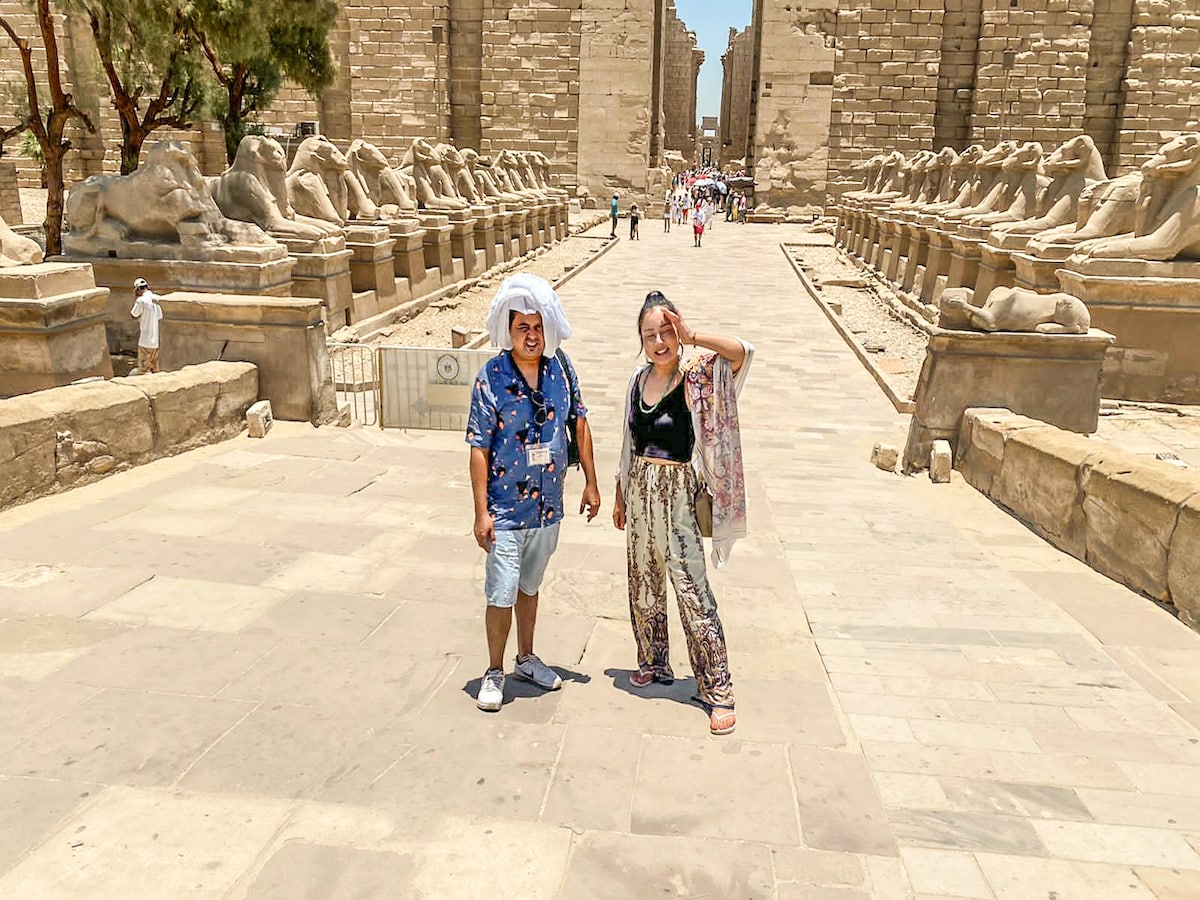
Private customized day trip in Luxor with Lunch
Wed, Jan 28 • 6:00 AM
Al Qarna, Luxor Governorate, 1340413, Egypt
View details
Nearby attractions of Mortuary Temple of Amenhotep III
Colossi of Memnon
Ramesseum
메디넷 하부
Qurnet Murai Necropolis
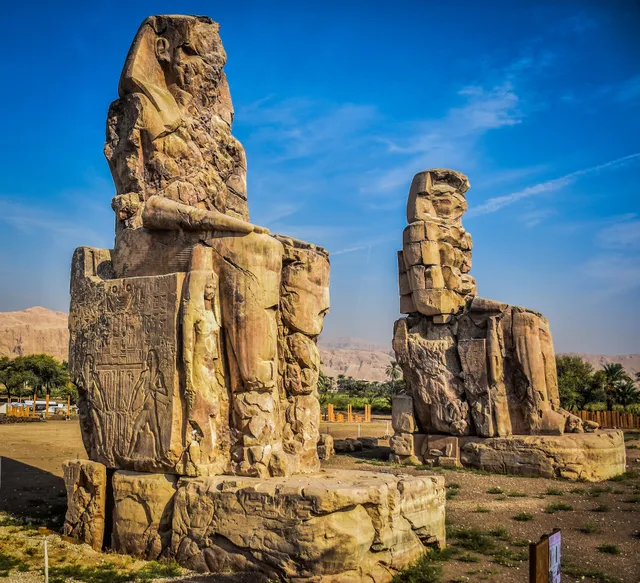
Colossi of Memnon
4.6
(4.4K)
Open 24 hours
Click for details
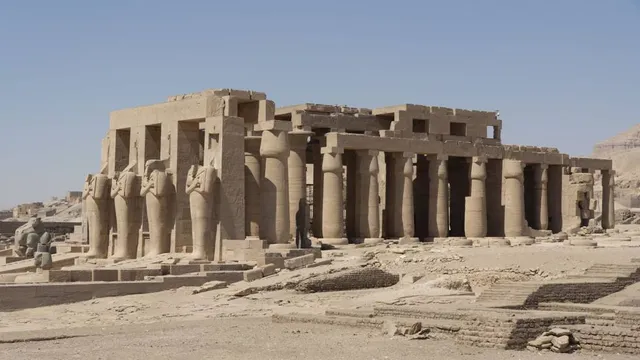
Ramesseum
4.7
(466)
Open until 12:00 AM
Click for details
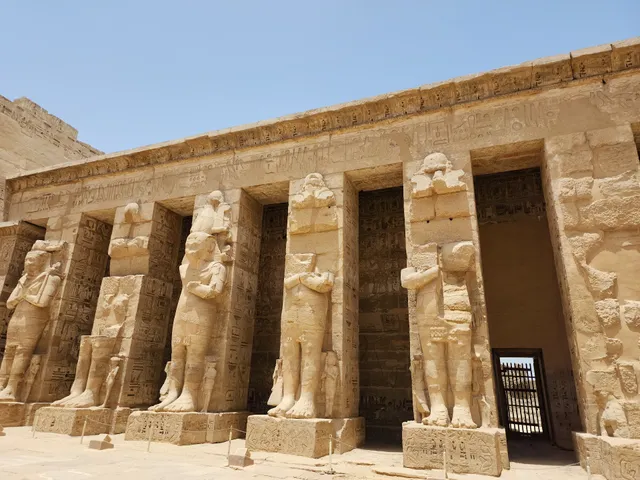
메디넷 하부
4.8
(462)
Closed
Click for details
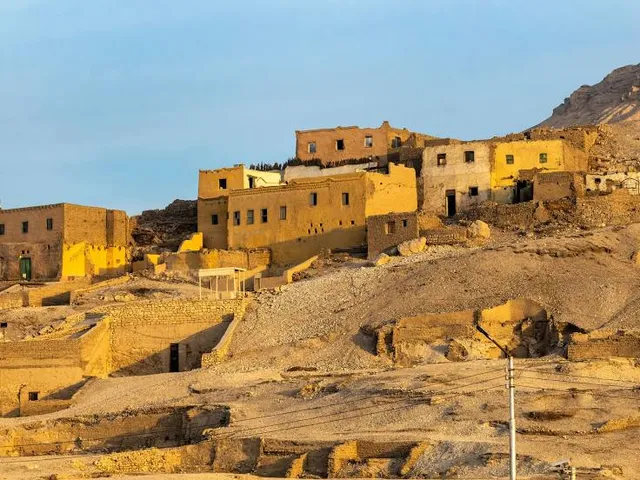
Qurnet Murai Necropolis
4.3
(12)
Closed
Click for details
Nearby restaurants of Mortuary Temple of Amenhotep III
Saray El Nile Restaurant مطعم سرايا النيل
Memnon Guesthouse, Restaurant & Cafe
Bedouin island restaurant
Ali Baba Restaurant
Cleopatra fresh juice cafe
Restaurant Mohamed
Restaurant Paris
Café & Restaurant Maratonga - Medinet Habu, Luxor
Belzoni Alaa El Din
Habu Garden
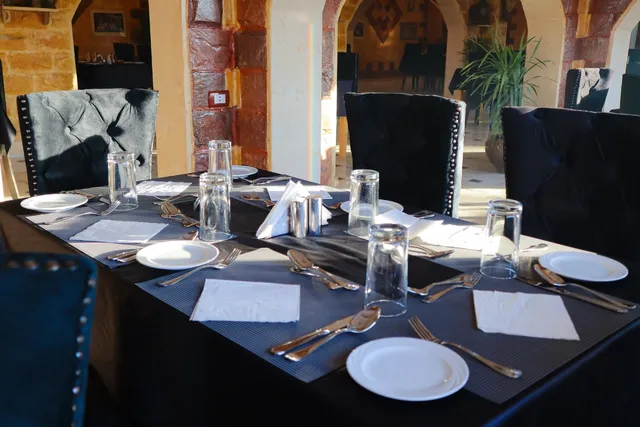
Saray El Nile Restaurant مطعم سرايا النيل
4.6
(82)
Open until 12:00 AM
Click for details
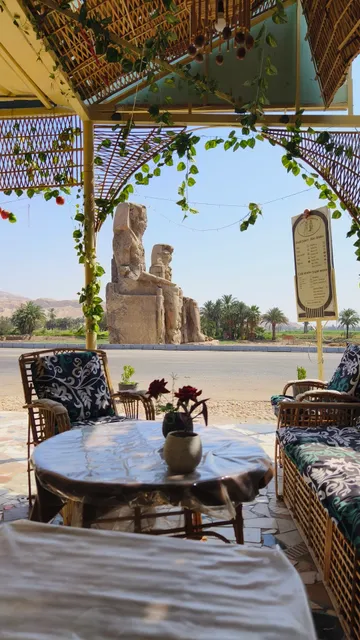
Memnon Guesthouse, Restaurant & Cafe
4.5
(51)
Click for details
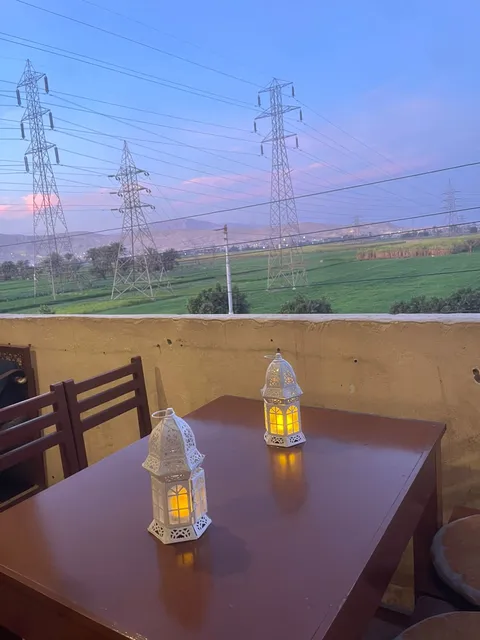
Bedouin island restaurant
4.9
(32)
Closed
Click for details

Ali Baba Restaurant
4.6
(50)
Closed
Click for details
Nearby local services of Mortuary Temple of Amenhotep III
Colossi of Memnon
Nefertari Papyrus Institute
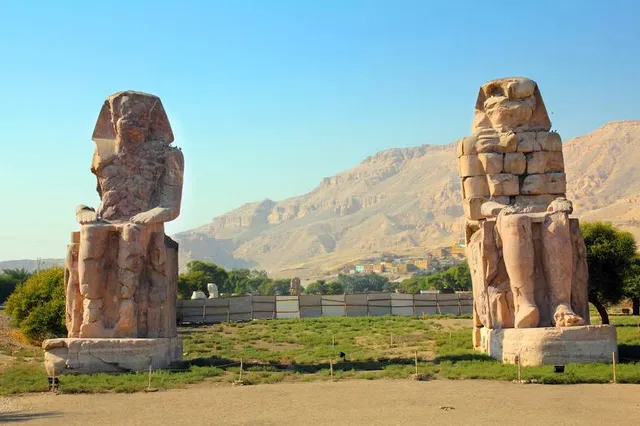
Colossi of Memnon
4.6
(3.1K)
Click for details
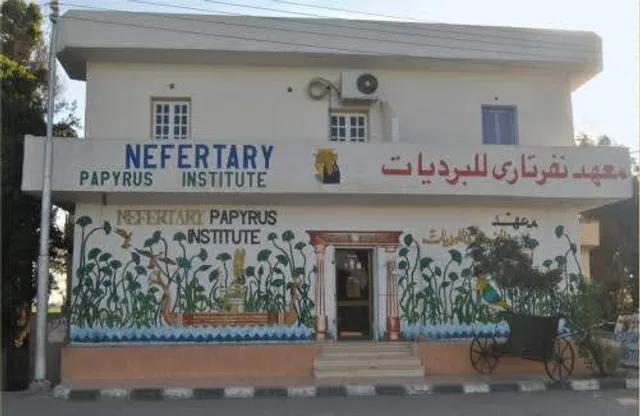
Nefertari Papyrus Institute
4.4
(31)
Click for details