Temple of Ramesses III things to do, attractions, restaurants, events info and trip planning
Basic Info
Temple of Ramesses III
PM94+8Q9, Karnak, Luxor, Luxor Governorate, Egypt
4.8(143)
Open until 5:30 PM
Save
spot
spot
Ratings & Description
Info
Cultural
Scenic
Family friendly
Accessibility
attractions: Karnak, Precinct of Amun-Re, Hypostyle Hall, First Pylon, Obelisk of Thutmose I, Temple of Thutmose III, Karnak Open-air Museum, Sound & Light, Temple of Ramesses II, The temple of opet, restaurants: White Coffee & Restaraunt, Beyt Ward Restaurant and cafe shop, مطعم النيل السياحى - Nile Restaurant Luxor, El Hussein Seafood Restaurant, Jockey Cafe, المطعم الصيني يو شان فانج, El Hussein 2 seafood Restaurant, Cafe Grande, local businesses:
 Learn more insights from Wanderboat AI.
Open hoursSee all hours
Thu8 a.m. - 5:30 p.m.Open
Plan your stay

Pet-friendly Hotels in Old Karnak
Find a cozy hotel nearby and make it a full experience.

Affordable Hotels in Old Karnak
Find a cozy hotel nearby and make it a full experience.

The Coolest Hotels You Haven't Heard Of (Yet)
Find a cozy hotel nearby and make it a full experience.

Trending Stays Worth the Hype in Old Karnak
Find a cozy hotel nearby and make it a full experience.
Reviews
Live events
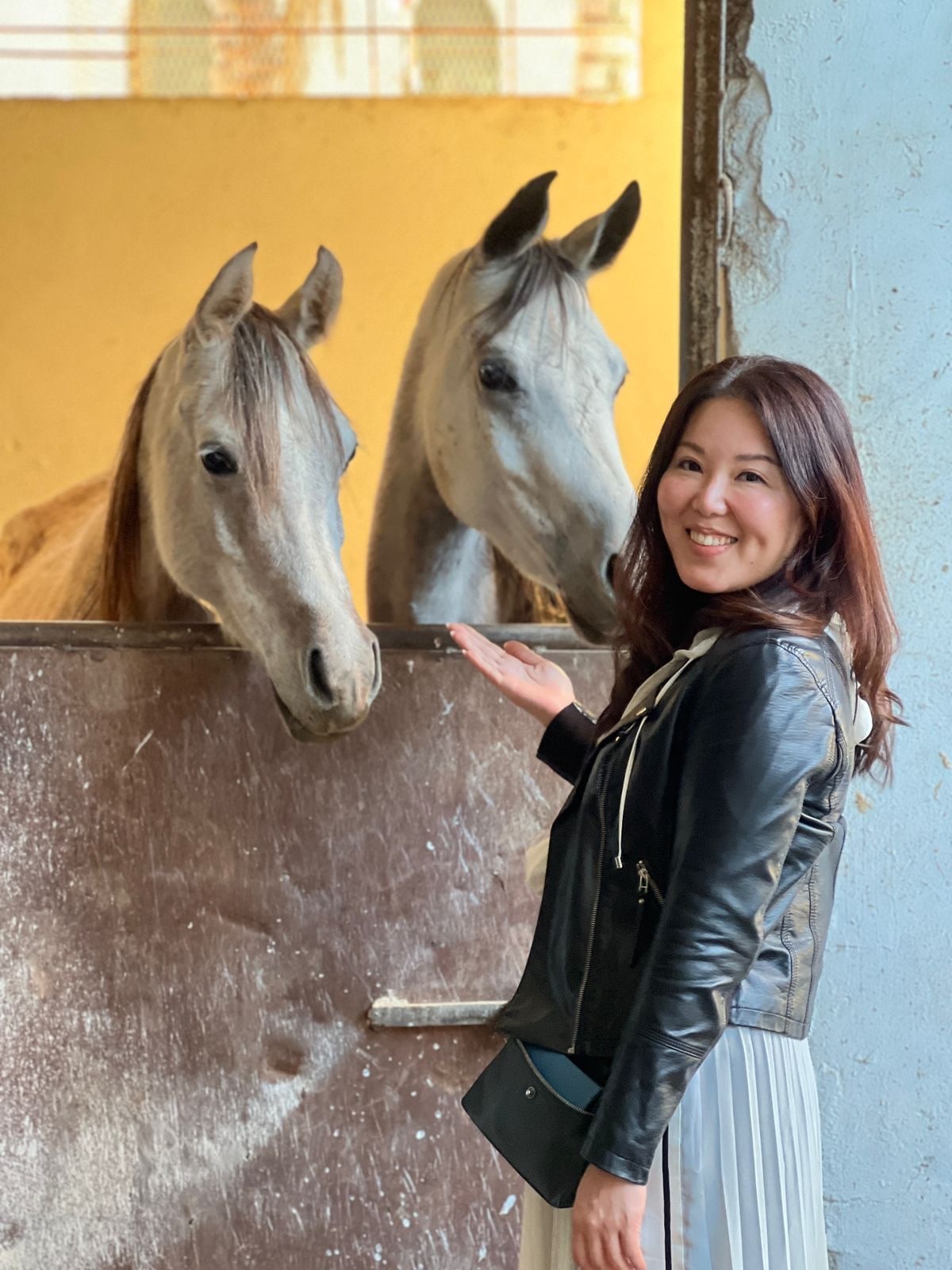
Morning at the Farm & Traditional Egyptian Snacks
Thu, Jan 22 • 2:00 PM
Luxor, Luxor Governorate, 11432, Egypt
View details
![[Private]Valley of The Kings Hatshpsut Habu &lunch](https://a0.muscache.com/im/pictures/Mt/MtTemplate-293927/original/25670b2a-c800-4702-8183-62c3b1a7490e.jpeg)
[Private]Valley of The Kings Hatshpsut Habu &lunch
Thu, Jan 22 • 10:00 AM
Luxor City, Luxor Governorate, 1362404, Egypt
View details
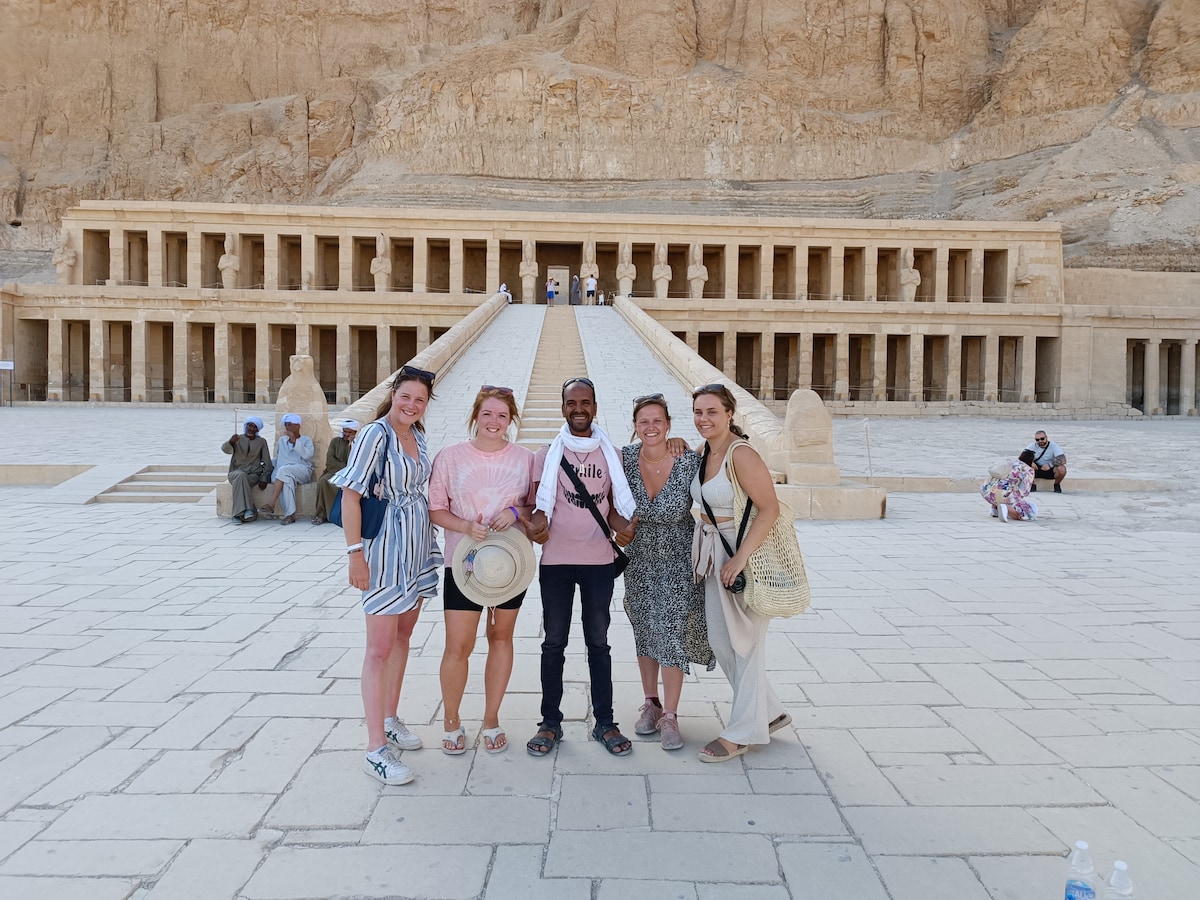
Luxor full-day tour to East&West banks of Luxor
Fri, Jan 23 • 7:00 AM
Luxor, Luxor Governorate, 85954, Egypt
View details
Nearby attractions of Temple of Ramesses III
Karnak
Precinct of Amun-Re
Hypostyle Hall
First Pylon
Obelisk of Thutmose I
Temple of Thutmose III
Karnak Open-air Museum
Sound & Light
Temple of Ramesses II
The temple of opet
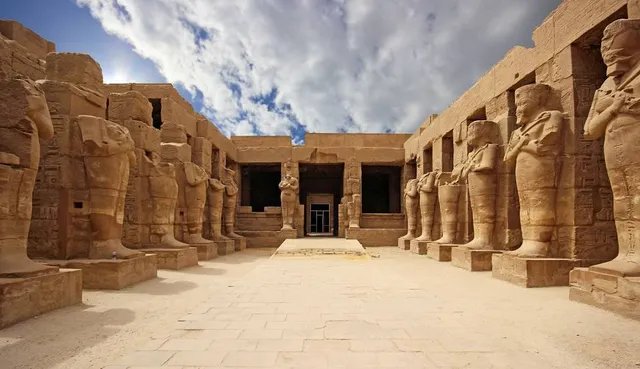
Karnak
4.8
(11K)
Closed
Click for details
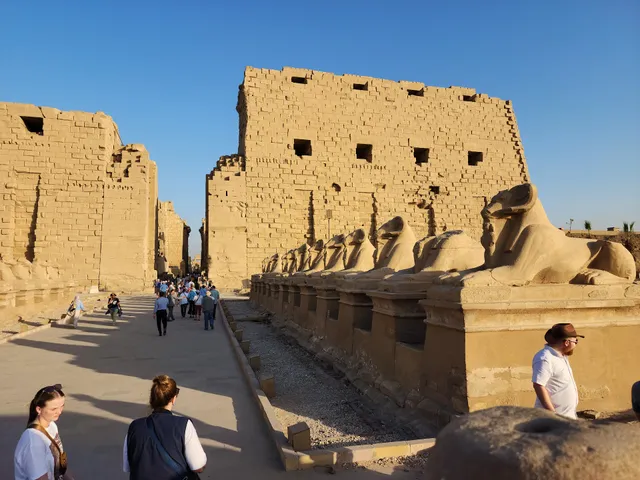
Precinct of Amun-Re
4.8
(241)
Open until 5:30 PM
Click for details
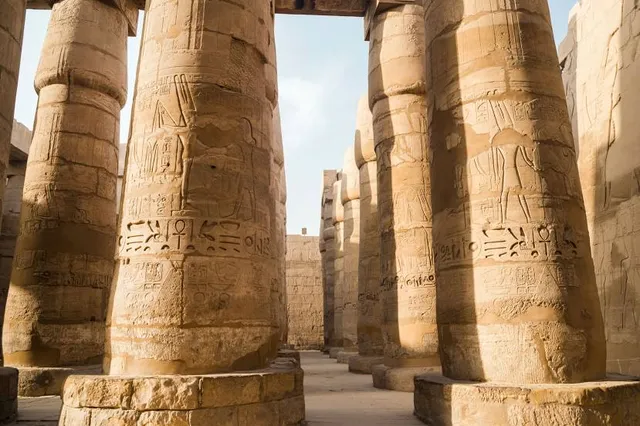
Hypostyle Hall
4.9
(144)
Closed
Click for details
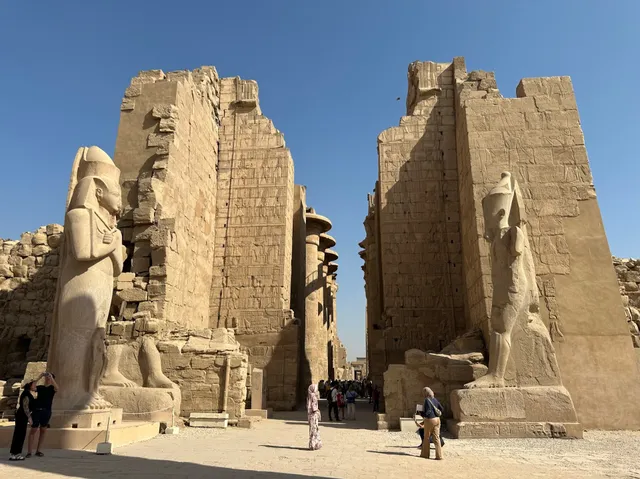
First Pylon
4.8
(59)
Closed
Click for details
Nearby restaurants of Temple of Ramesses III
White Coffee & Restaraunt
Beyt Ward Restaurant and cafe shop
مطعم النيل السياحى - Nile Restaurant Luxor
El Hussein Seafood Restaurant
Jockey Cafe
المطعم الصيني يو شان فانج
El Hussein 2 seafood Restaurant
Cafe Grande
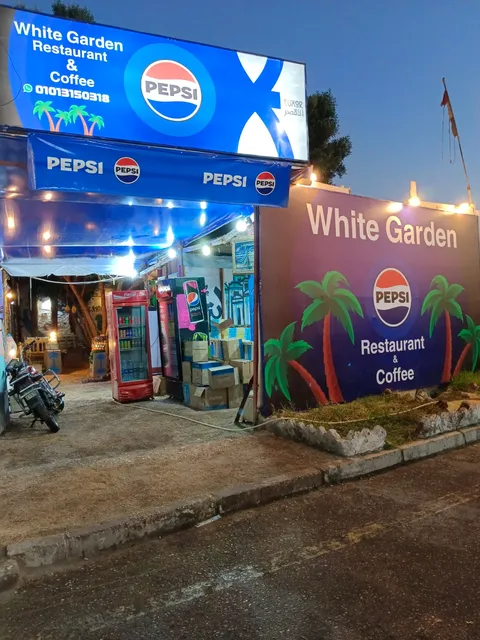
White Coffee & Restaraunt
4.8
(292)
Open until 9:00 PM
Click for details
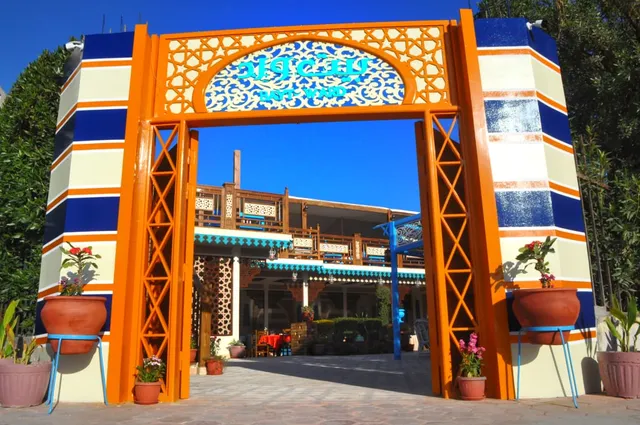
Beyt Ward Restaurant and cafe shop
4.4
(295)
Open until 1:00 AM
Click for details
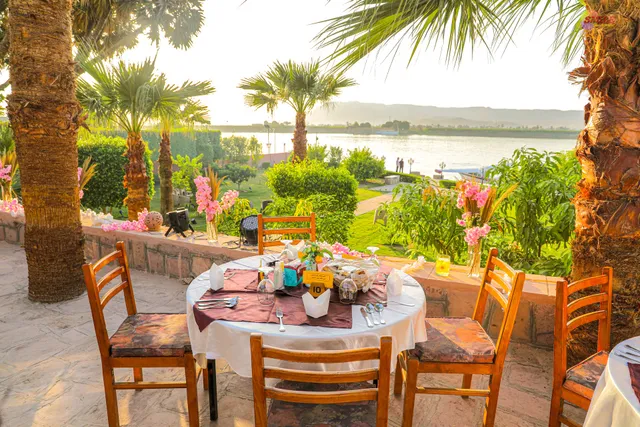
مطعم النيل السياحى - Nile Restaurant Luxor
4.0
(81)
Open until 12:00 AM
Click for details
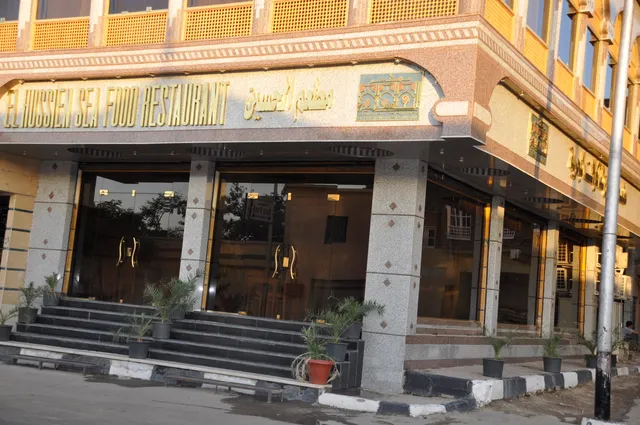
El Hussein Seafood Restaurant
4.8
(191)
Closed
Click for details