HTML SitemapExplore

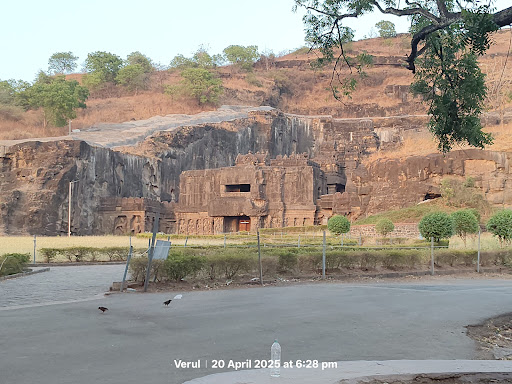
Ellora Cave No. 16. — Attraction in Maharashtra

Name
Ellora Cave No. 16.
Description
Nearby attractions
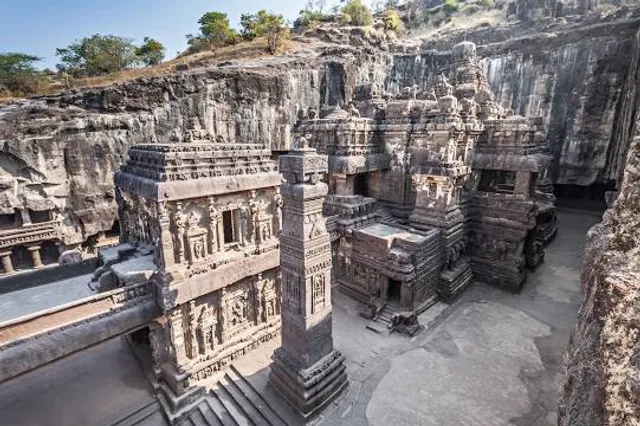
Kailasa Temple
Ellora, Verul, Maharashtra 431102, India
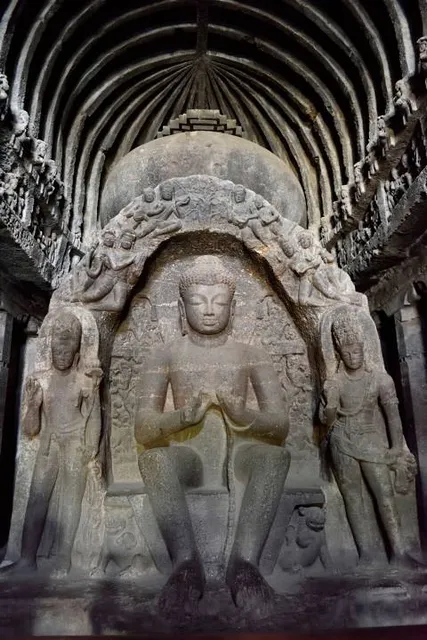
Ellora Cave No. 10
25CH+CV4, Ellora Cave Rd, Verul, Maharashtra 431102, India
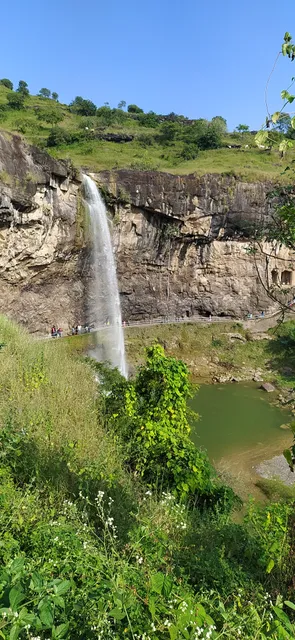
Waghora Waterfall
25HH+927, Water Fall of Verul, Ellora, Maharashtra 431102, India
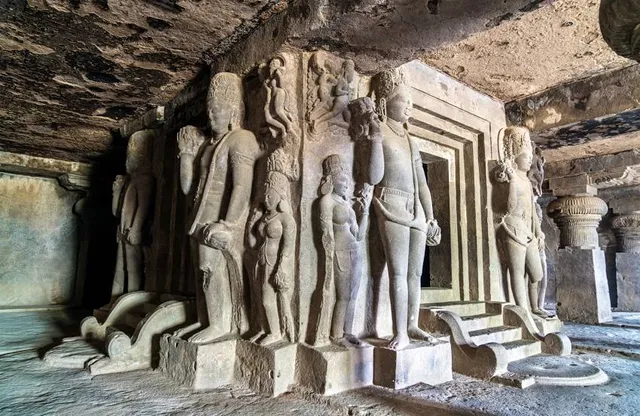
Ellora Cave No. 29 The Dhumar Lena
25HG+FM3, Ellora Cave Rd, Verul, Maharashtra 431102, India
Nearby restaurants
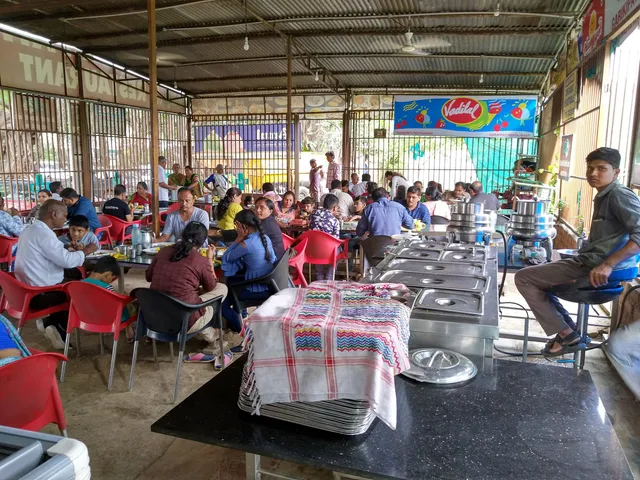
modern hotel
25FH+664, near restaurant, Ellora, Verul, Maharashtra 431102, India
Garikipati Restaurant
Garikipati restaurant ,post Ellora caves, tq, Maharashtra 431102, India
Ellora Restaurant
Front of Ellora caves, Main Road, get, Chhatrapati Sambhajinagar, Ellora, Maharashtra 431102, India
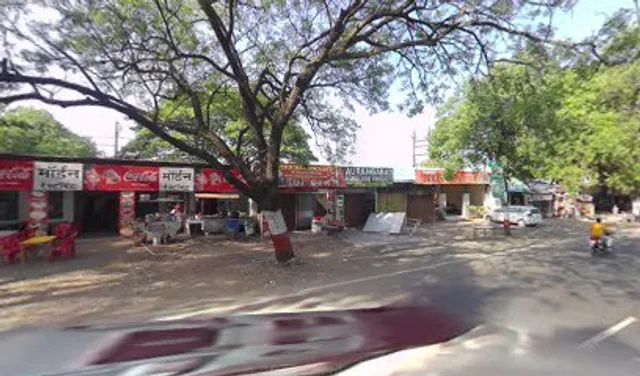
Modern Restaurant
Samartha Nagar, Aurangabad SH-22, Dhule Daulatabad, Nagpur - Aurangabad - Mumbai Hwy, Aurangabad, Maharashtra 431102, India
MAHARAJA RESTAURANT
SHOP NO 3, Verul, Maharashtra 431102, India
Vrindavan Restaurant
25FF+668, Verul, Maharashtra 431102, India
Om Shanti Raswanti
25FG+69G, फुलब्री - खुलताबाद - ऐलोरा मार्ग, Verul, Maharashtra 431102, India
Mast Tea Center
25GG+JCR, Verul, Maharashtra 431102, India
Quality Restaurant
Samartha Nagar, Aurangabad, SH-22, Dhule Daulatabad Highway, Aurangabad, Aurangabad, Maharashtra 431102, India
Tulsi Family Restaurant
Grushnewar Temple, beside Ellora, Verul, Maharashtra 431102, India
Nearby hotels
Hotel Kailas
NH. 211, Opp Ellora Caves, Aurangabad, Maharashtra 431102, India
Hotel Vrindavan
Near, Ellora Cave Rd, Ellora, Verul, Maharashtra 431102, India
Abhayanand Agro Tourism
behind Tulsi Restaurant, near Ellora Caves, Aurangabad, Verul, Maharashtra 431102, India
HOTEL KANHAIYA & RESTAURANT
25FC+HJH, Verul, Maharashtra 431102, India
Hotel Ellora view
25FC+GWV, Verul, Maharashtra 431102, India
Hotel Tulsi Inn
Hotel Tulsi inn, Ghrushneshwar Mandir Rd, Ellora, Verul, Maharashtra 431102, India
Related posts
Keywords
Ellora Cave No. 16. tourism.Ellora Cave No. 16. hotels.Ellora Cave No. 16. bed and breakfast. flights to Ellora Cave No. 16..Ellora Cave No. 16. attractions.Ellora Cave No. 16. restaurants.Ellora Cave No. 16. travel.Ellora Cave No. 16. travel guide.Ellora Cave No. 16. travel blog.Ellora Cave No. 16. pictures.Ellora Cave No. 16. photos.Ellora Cave No. 16. travel tips.Ellora Cave No. 16. maps.Ellora Cave No. 16. things to do.
Ellora Cave No. 16. things to do, attractions, restaurants, events info and trip planning
Ellora Cave No. 16.
IndiaMaharashtraEllora Cave No. 16.

Basic Info

Ellora Cave No. 16.

25FH+FPW, Ellora Cave Rd, Verul, Maharashtra 431102, India
4.8(506)
Open 24 hours
Save
spot

Ratings & Description

Info

Cultural
Scenic
Family friendly
attractions: Kailasa Temple, Ellora Cave No. 10, Waghora Waterfall, Ellora Cave No. 29 The Dhumar Lena, restaurants: modern hotel, Garikipati Restaurant, Ellora Restaurant, Modern Restaurant, MAHARAJA RESTAURANT, Vrindavan Restaurant, Om Shanti Raswanti, Mast Tea Center, Quality Restaurant, Tulsi Family Restaurant
logoLearn more insights from Wanderboat AI.

Plan your stay

hotel
Pet-friendly Hotels in Maharashtra
Find a cozy hotel nearby and make it a full experience.
hotel
Affordable Hotels in Maharashtra
Find a cozy hotel nearby and make it a full experience.
hotel
The Coolest Hotels You Haven't Heard Of (Yet)
Find a cozy hotel nearby and make it a full experience.
hotel
Trending Stays Worth the Hype in Maharashtra
Find a cozy hotel nearby and make it a full experience.

Reviews

Nearby attractions of Ellora Cave No. 16.

Kailasa Temple

Ellora Cave No. 10

Waghora Waterfall

Ellora Cave No. 29 The Dhumar Lena

Kailasa Temple

Kailasa Temple

4.8

(4K)

Open 24 hours
Click for details
Ellora Cave No. 10

Ellora Cave No. 10

4.8

(238)

Open 24 hours
Click for details
Waghora Waterfall

Waghora Waterfall

4.6

(64)

Open 24 hours
Click for details
Ellora Cave No. 29 The Dhumar Lena

Ellora Cave No. 29 The Dhumar Lena

4.7

(103)

Open 24 hours
Click for details

Nearby restaurants of Ellora Cave No. 16.

modern hotel

Garikipati Restaurant

Ellora Restaurant

Modern Restaurant

MAHARAJA RESTAURANT

Vrindavan Restaurant

Om Shanti Raswanti

Mast Tea Center

Quality Restaurant

Tulsi Family Restaurant

modern hotel

modern hotel

3.2

(4)

Click for details
Garikipati Restaurant

Garikipati Restaurant

4.3

(562)

Click for details
Ellora Restaurant

Ellora Restaurant

3.6

(37)

Click for details
Modern Restaurant

Modern Restaurant

3.4

(8)

Click for details
Get the Appoverlay
Get the AppOne tap to find yournext favorite spots!
Wanderboat LogoWanderboat

Your everyday Al companion for getaway ideas

CompanyAbout Us
InformationAI Trip PlannerSitemap
SocialXInstagramTiktokLinkedin
LegalTerms of ServicePrivacy Policy

Get the app

© 2025 Wanderboat. All rights reserved.

Reviews of Ellora Cave No. 16.

4.8
(506)
avatar
4.0
7y

Cave 16:celebrated as the Kailash. Shiva's mountain abode, is by far best of all Ellora excavations and it is one of India's most famous monuments. Here is rock cut architecture at the apex of technical skill of eighth and early ninth centuries. Regarded as the greatest monolithic structure in the world Kailash combines immensity with grace, energy and superb genius. Its conception and planning are matched by the jewel-like execution. Hundred of architects and sculptures created this grandeur out of living rock in an inspired period of the country's art history As one of the earliest European visitors remarks, "It is a wonder to see so great a mass in the which seems so slenderly under-dropped that one could hardly forbes shudder on first entering it". There is no nobler achievement of Indian architects and sculptors, and no greater marvel of Indian sculpture. This and the superb sculptures of Elephanta Caves (in Bombay) which regista the consummation of the same style, The work began at the chiff top. A rectangular trench was cut downward into the rock depths. Some three million cubic feet of rock seem to have been chiselled out so that a great pit was formed.The enormous block left at the centre was then chiselled through decades of time in the familiar shape of a Shiva temple, as complete in detail as the brick and mortar structures.at its base, with several ancillary features added later While the temple grew out of the shaping of the great mass of monolith detached from the ridge by the scoop area around, the sculptors were busy simultaneously, adding profuse ornamentation, achieving a wonderful composition, The entire architecture is, infact, a gigantic sculptural piece. The spacious court has three buildings connected by an overhead bridge. The main temple has high plinth, the sides of which are done into bold friezes of life-size elephants. The huge beasts seem astrain with the great burden of the temple on their backs The roof is pyramidal having a three-tier tower and a projecting gable front. There is a cupola on top. From the outer courts extreme right-hand corner, a panoramic view of the edifice brings out the main outlines. The northern court is featured by a huge elephant which has trunk, and also a Victory Pillar. Further up, a gallery of twelve panels plastic renderings of Shiva legends. Most of them depict the god with Parvati. The panels that continues in the eastern gallery reveal the god in other attitudes. The adjoining wall makes the southern gallery. Here, Vishnu provides a variation. He is, for instance, seen in the Man-lion incarnation (Narsingh Avtar) tearing with his claws the body of a demon king. The demon king was blessed with a boon from the Creator which made him invulnerable to any one in human or animal form. Drunk with power, with none to challenge his might for the gods also were human in their image, he became an intolerable tyrant. Vishnu solved the problem of his destruction by attacking him in the form of a man lion, neither human or animal. Close to this gallery is a sculpture masterpiece known as "Ravana shaking Kailasa”. Ravana, a central figure in the great epic Ramayana, stepped under Kailasha and tried to lift the mountain abode on his head as an exhibition of his great strength. By way of an answer, Shiva simply put his foot down on the floor and under the enormous pressure exerted, Ravana became helplessly trapped. The depiction shows Parvati clinging to her husband, an alarmed maid in flight, and attendants seated unperturbed with full faith in the Lord of Kailasha. Several other halls contains work of considerable valuecontributing to the total effect. The main hall on the first floor has well-decom balconies. A central door leads to the shrine containing the great lingam. The temple is faced by a pavilion,high and level with the main structure to which it is connected.is the abode of Nandi. On each side of the Nandi shrine is a pillar, a stone and a "flagstaff high with finely wrought carvings of Shiva cult. These two pillars are among the best work of art...

   Read more
avatar
5.0
48w

The Kailash Temple (Cave 16) at the Ellora Caves in Maharashtra is one of the most remarkable rock-cut monuments in the world. It is dedicated to Lord Shiva and represents Mount Kailash, his mythical abode. Here’s a detailed overview:

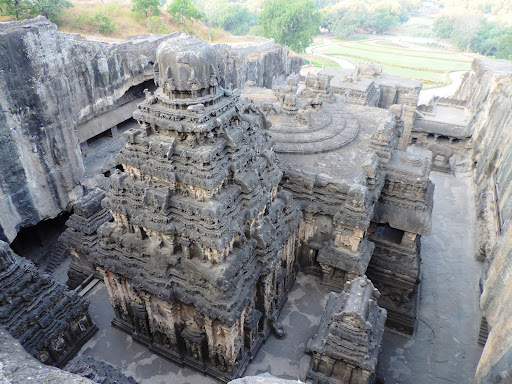
Architectural Significance • The Kailash Temple is an entire monolithic structure carved out of a single basalt rock. • Built in the 8th century by the Rashtrakuta king Krishna I, it showcases the pinnacle of ancient Indian engineering and artistry. • The temple complex spans approximately 195 feet in length, 108 feet in width, and 100 feet in height.

Features Main Shrine: • Houses a grand Shiva Lingam. • The sanctum sanctorum is surrounded by finely carved pillars and sculptures. Intricate Carvings: • Depicts scenes from Hindu epics like the Ramayana, Mahabharata, and the life of Lord Shiva. • Magnificent carvings of elephants, lions, and other mythological figures. Nandi Mandapa: • A freestanding Nandi (bull) pavilion facing the main temple. • Symbolizes Lord Shiva’s vehicle. Vertical Excavation: • Unlike most rock-cut structures carved horizontally, the Kailash Temple was excavated top-down, starting from the roof. Sculptures and Art: • Massive statues of Goddess Durga slaying Mahishasura. • Detailed panels of Ravana lifting Mount Kailash, showcasing extraordinary artistic skill.

Historical Context • The temple is part of the Ellora Caves, a UNESCO World Heritage Site comprising 34 rock-cut caves (17 Hindu, 12 Buddhist, and 5 Jain). • Kailash Temple reflects the religious harmony and architectural innovation of the era.

Tourist Experience Entry Fee: • ₹40 for Indian nationals. • $10 for foreign tourists. • Children below 15 years enter free. Timings: • Open from 6:00 AM to 6:00 PM. • Closed on Tuesdays. Accessibility: • Located 30 km from Aurangabad city. • Easily accessible by road or rail. Nearby Attractions: • Ajanta Caves (100 km). • Bibi Ka Maqbara in Aurangabad.

Why Visit?

The Kailash Temple is not just a marvel of ancient engineering but a testimony to India’s cultural and artistic heritage. Its grandeur leaves visitors in awe, making it a must-visit destination for history buffs, art lovers, and spiritual...

   Read more
avatar
5.0
17w

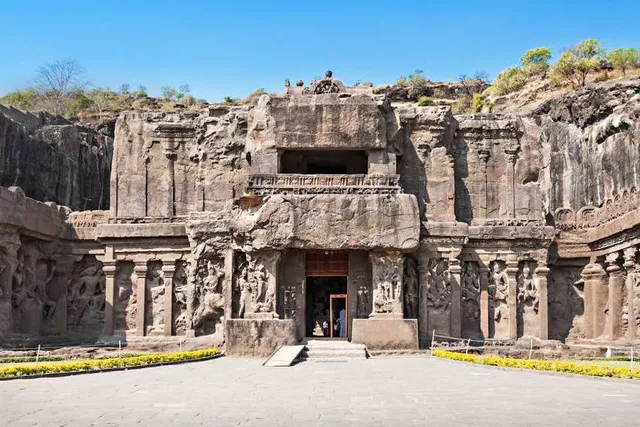
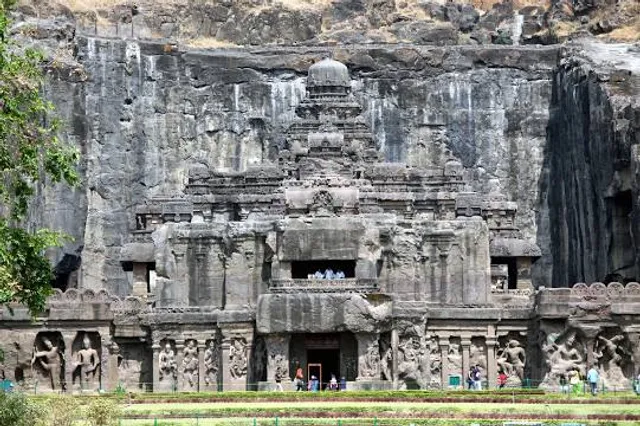
The rock-cut technique of architecture at Ellora reaches its zenith in Cave 16 with the wonderful monolithic Kailasa temple, named after the mountain abode of Siva. The main temple is said to have been excavated by the Rashtrakuta king, Krishna I. The temple was hewn from a mass of rock obtained by cutting three big trenches in the three sides of the hill. The outer screen wall is recessed and has several vertical compartments containing magnificent sculptures, including dikpalas, dancing Siva, Vishnu on Garuda, Lingodbhava Siva, Trivikrama, Narasimha and Bhuvaraha. Atop the main gateway is a two-storeyed wagon shaped gopura carved into the wall. Beautiful sculptures like that of the Tripurantaka, line both wings of the inner side of the wall.

A large sculpture of Gaja-Lakshmi stands facing the gateway with huge monolithic elephants standing at either end of the passage. To the east of this passage, at a higher level, is a well-finished cubical column, the dhvajastambha, which marks the beginning of the courtyard of the temple.

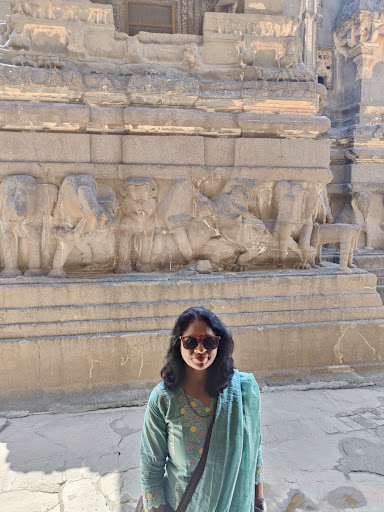
The temple consists of a main shrine, a sixteen pillared mandapa, a Nandimandapa and a gopura, of which the last three are connected by rock-bridges.The main shrine and mandapa have a high solid basement, embellished with a continuous frieze of huge elephants, griffins and other mythological animals, executed with considerable spirit and realism.

The renowned Ravananugrahamurti, or Ravana shaking the Kailasa mountain, is on the southern side of the basement. Another famous sculpture, that of Andhakari, is on the eastern face of the Nandimandapa, below the bridge that connects it to the mandapa of the main shrine. A remarkable sculpture of Dakshinamurti surrounded by the four sages graces the facing wall. There is a flight of steps on either side of this bridge. The northern staircase is embellished with friezes in bas-relief, illustrating scenes from the Mahabharata and the Bhagavata, while on the corresponding staircase are bas-reliefs representing scenes from...

   Read more
Page 1 of 7
Previous
Next

Posts

Vikas SinghVikas Singh
The rock-cut technique of architecture at Ellora reaches its zenith in Cave 16 with the wonderful monolithic Kailasa temple, named after the mountain abode of Siva. The main temple is said to have been excavated by the Rashtrakuta king, Krishna I. The temple was hewn from a mass of rock obtained by cutting three big trenches in the three sides of the hill. The outer screen wall is recessed and has several vertical compartments containing magnificent sculptures, including dikpalas, dancing Siva, Vishnu on Garuda, Lingodbhava Siva, Trivikrama, Narasimha and Bhuvaraha. Atop the main gateway is a two-storeyed wagon shaped gopura carved into the wall. Beautiful sculptures like that of the Tripurantaka, line both wings of the inner side of the wall. A large sculpture of Gaja-Lakshmi stands facing the gateway with huge monolithic elephants standing at either end of the passage. To the east of this passage, at a higher level, is a well-finished cubical column, the dhvajastambha, which marks the beginning of the courtyard of the temple. The temple consists of a main shrine, a sixteen pillared mandapa, a Nandimandapa and a gopura, of which the last three are connected by rock-bridges.The main shrine and mandapa have a high solid basement, embellished with a continuous frieze of huge elephants, griffins and other mythological animals, executed with considerable spirit and realism. The renowned Ravananugrahamurti, or Ravana shaking the Kailasa mountain, is on the southern side of the basement. Another famous sculpture, that of Andhakari, is on the eastern face of the Nandimandapa, below the bridge that connects it to the mandapa of the main shrine. A remarkable sculpture of Dakshinamurti surrounded by the four sages graces the facing wall. There is a flight of steps on either side of this bridge. The northern staircase is embellished with friezes in bas-relief, illustrating scenes from the Mahabharata and the Bhagavata, while on the corresponding staircase are bas-reliefs representing scenes from the Ramayana.
NishNish
Ellora Cave No. 16, also known as the Kailasa Temple, is truly one of the most extraordinary architectural wonders not just in India, but in the world. Carved entirely out of a single monolithic rock, this majestic structure is a testimony to the unmatched craftsmanship, vision, and devotion of ancient Indian artisans and engineers. Located in the heart of the Ellora cave complex in Maharashtra, Cave 16 stands as a glorious tribute to Lord Shiva. The most striking feature of the Kailasa Temple is its sheer size and symmetry. Measuring about 164 feet in length, 109 feet in width, and 98 feet in height, it’s hard to believe this was carved top-down using only hammers and chisels over a thousand years ago. It is estimated that over 200,000 tons of rock were excavated to bring this structure to life — an achievement that continues to baffle historians and engineers alike. The temple boasts intricately carved panels, massive stone pillars, and towering sculptures of deities, animals, and celestial beings. The central shrine, housing a linga, is surrounded by life-sized sculptures of Lord Shiva and Parvati, flanked by mythological depictions from the Ramayana and Mahabharata. Every inch of the temple tells a story, and walking through its corridors feels like stepping back into a divine era. Despite being carved out of stone, there’s an incredible fluidity and energy in the artwork. The Nandi mandapa facing the main shrine, the elegant elephants seemingly holding up the structure, and the detailed friezes all speak volumes of the devotion and skill involved. The spiritual aura, combined with architectural brilliance, makes Ellora Cave 16 a must-visit. It’s a place where history, mythology, and art blend seamlessly, leaving visitors in absolute awe. I came away humbled, inspired, and deeply moved. Highly recommended for history buffs, art lovers, and spiritual seekers alike.
Lalit PrajapatiLalit Prajapati
Ellora Cave 16, also known as the Kailasha Temple, is a masterpiece of ancient Indian architecture and a must-visit destination. Here's what makes it special: Key Features - *Largest Monolithic Rock Excavation*: The Kailasha Temple is the largest monolithic rock excavation in the world, carved out of a single rock. - *Dedicated to Lord Shiva*: This magnificent temple is dedicated to Lord Shiva and showcases intricate carvings and sculptures depicting various stories from Hindu mythology. - *Architectural Marvel*: The temple's design and execution are a testament to the artistic and engineering prowess of ancient India. - *Rich History*: The temple was built during the reign of Rastrakuta King Dantidurga and Krishna I, with over 10 generations of workers employed in its excavation over a span of 200 years. Visitor Experience - *Breathtaking Architecture*: Visitors are left awestruck by the sheer scale and craftsmanship of the temple. - *Intricate Carvings*: The temple features intricate carvings and sculptures depicting various stories from Hindu mythology, including the Ramayana and Mahabharata. - *Peaceful Ambiance*: The temple's surroundings are picturesque, with green grass and yellow flowers, making it a great spot for photography. Tips for Visitors - *Hire a Guide*: Consider hiring a guide to gain deeper insights into the temple's history and architecture. - *Visit Early Morning*: Visiting the temple early in the morning can be a great experience, with softer sunlight and a calmer atmosphere. - *Respect the Monument*: Remember to respect the ancient monument and follow guidelines on preservation.
See more posts
See more posts
hotel
Find your stay

Pet-friendly Hotels in Maharashtra

Find a cozy hotel nearby and make it a full experience.

The rock-cut technique of architecture at Ellora reaches its zenith in Cave 16 with the wonderful monolithic Kailasa temple, named after the mountain abode of Siva. The main temple is said to have been excavated by the Rashtrakuta king, Krishna I. The temple was hewn from a mass of rock obtained by cutting three big trenches in the three sides of the hill. The outer screen wall is recessed and has several vertical compartments containing magnificent sculptures, including dikpalas, dancing Siva, Vishnu on Garuda, Lingodbhava Siva, Trivikrama, Narasimha and Bhuvaraha. Atop the main gateway is a two-storeyed wagon shaped gopura carved into the wall. Beautiful sculptures like that of the Tripurantaka, line both wings of the inner side of the wall. A large sculpture of Gaja-Lakshmi stands facing the gateway with huge monolithic elephants standing at either end of the passage. To the east of this passage, at a higher level, is a well-finished cubical column, the dhvajastambha, which marks the beginning of the courtyard of the temple. The temple consists of a main shrine, a sixteen pillared mandapa, a Nandimandapa and a gopura, of which the last three are connected by rock-bridges.The main shrine and mandapa have a high solid basement, embellished with a continuous frieze of huge elephants, griffins and other mythological animals, executed with considerable spirit and realism. The renowned Ravananugrahamurti, or Ravana shaking the Kailasa mountain, is on the southern side of the basement. Another famous sculpture, that of Andhakari, is on the eastern face of the Nandimandapa, below the bridge that connects it to the mandapa of the main shrine. A remarkable sculpture of Dakshinamurti surrounded by the four sages graces the facing wall. There is a flight of steps on either side of this bridge. The northern staircase is embellished with friezes in bas-relief, illustrating scenes from the Mahabharata and the Bhagavata, while on the corresponding staircase are bas-reliefs representing scenes from the Ramayana.
Vikas Singh

Vikas Singh

hotel
Find your stay

Affordable Hotels in Maharashtra

Find a cozy hotel nearby and make it a full experience.

Get the Appoverlay
Get the AppOne tap to find yournext favorite spots!
Ellora Cave No. 16, also known as the Kailasa Temple, is truly one of the most extraordinary architectural wonders not just in India, but in the world. Carved entirely out of a single monolithic rock, this majestic structure is a testimony to the unmatched craftsmanship, vision, and devotion of ancient Indian artisans and engineers. Located in the heart of the Ellora cave complex in Maharashtra, Cave 16 stands as a glorious tribute to Lord Shiva. The most striking feature of the Kailasa Temple is its sheer size and symmetry. Measuring about 164 feet in length, 109 feet in width, and 98 feet in height, it’s hard to believe this was carved top-down using only hammers and chisels over a thousand years ago. It is estimated that over 200,000 tons of rock were excavated to bring this structure to life — an achievement that continues to baffle historians and engineers alike. The temple boasts intricately carved panels, massive stone pillars, and towering sculptures of deities, animals, and celestial beings. The central shrine, housing a linga, is surrounded by life-sized sculptures of Lord Shiva and Parvati, flanked by mythological depictions from the Ramayana and Mahabharata. Every inch of the temple tells a story, and walking through its corridors feels like stepping back into a divine era. Despite being carved out of stone, there’s an incredible fluidity and energy in the artwork. The Nandi mandapa facing the main shrine, the elegant elephants seemingly holding up the structure, and the detailed friezes all speak volumes of the devotion and skill involved. The spiritual aura, combined with architectural brilliance, makes Ellora Cave 16 a must-visit. It’s a place where history, mythology, and art blend seamlessly, leaving visitors in absolute awe. I came away humbled, inspired, and deeply moved. Highly recommended for history buffs, art lovers, and spiritual seekers alike.
Nish

Nish

hotel
Find your stay

The Coolest Hotels You Haven't Heard Of (Yet)

Find a cozy hotel nearby and make it a full experience.

hotel
Find your stay

Trending Stays Worth the Hype in Maharashtra

Find a cozy hotel nearby and make it a full experience.

Ellora Cave 16, also known as the Kailasha Temple, is a masterpiece of ancient Indian architecture and a must-visit destination. Here's what makes it special: Key Features - *Largest Monolithic Rock Excavation*: The Kailasha Temple is the largest monolithic rock excavation in the world, carved out of a single rock. - *Dedicated to Lord Shiva*: This magnificent temple is dedicated to Lord Shiva and showcases intricate carvings and sculptures depicting various stories from Hindu mythology. - *Architectural Marvel*: The temple's design and execution are a testament to the artistic and engineering prowess of ancient India. - *Rich History*: The temple was built during the reign of Rastrakuta King Dantidurga and Krishna I, with over 10 generations of workers employed in its excavation over a span of 200 years. Visitor Experience - *Breathtaking Architecture*: Visitors are left awestruck by the sheer scale and craftsmanship of the temple. - *Intricate Carvings*: The temple features intricate carvings and sculptures depicting various stories from Hindu mythology, including the Ramayana and Mahabharata. - *Peaceful Ambiance*: The temple's surroundings are picturesque, with green grass and yellow flowers, making it a great spot for photography. Tips for Visitors - *Hire a Guide*: Consider hiring a guide to gain deeper insights into the temple's history and architecture. - *Visit Early Morning*: Visiting the temple early in the morning can be a great experience, with softer sunlight and a calmer atmosphere. - *Respect the Monument*: Remember to respect the ancient monument and follow guidelines on preservation.
Lalit Prajapati

Lalit Prajapati

See more posts
See more posts