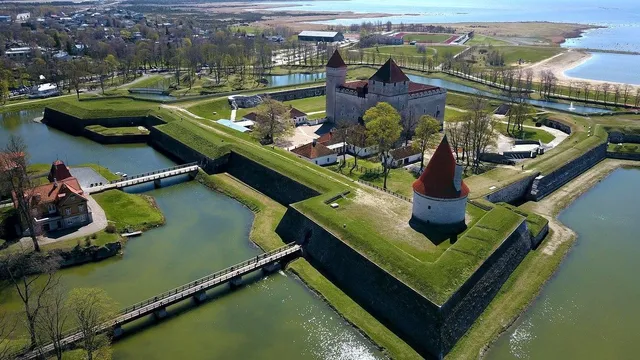
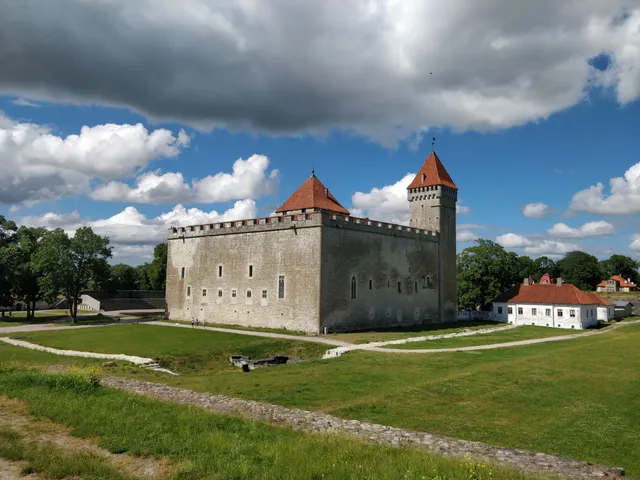
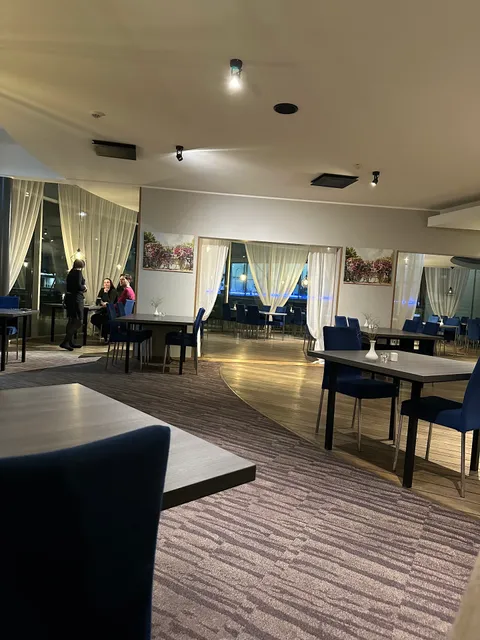
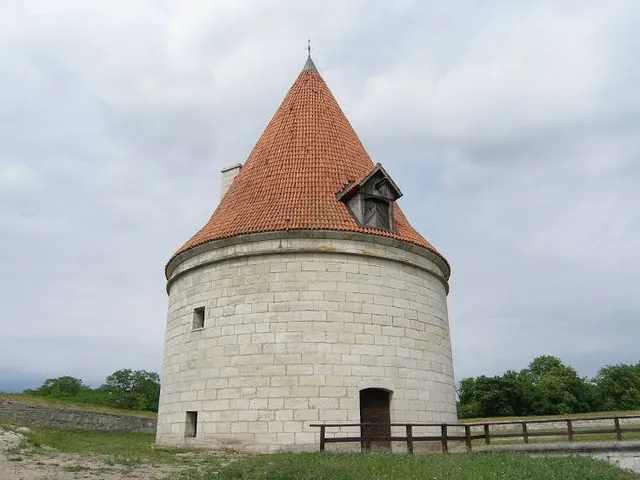
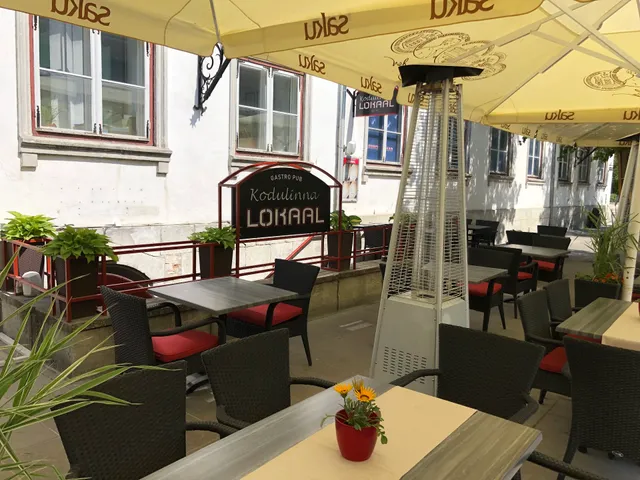
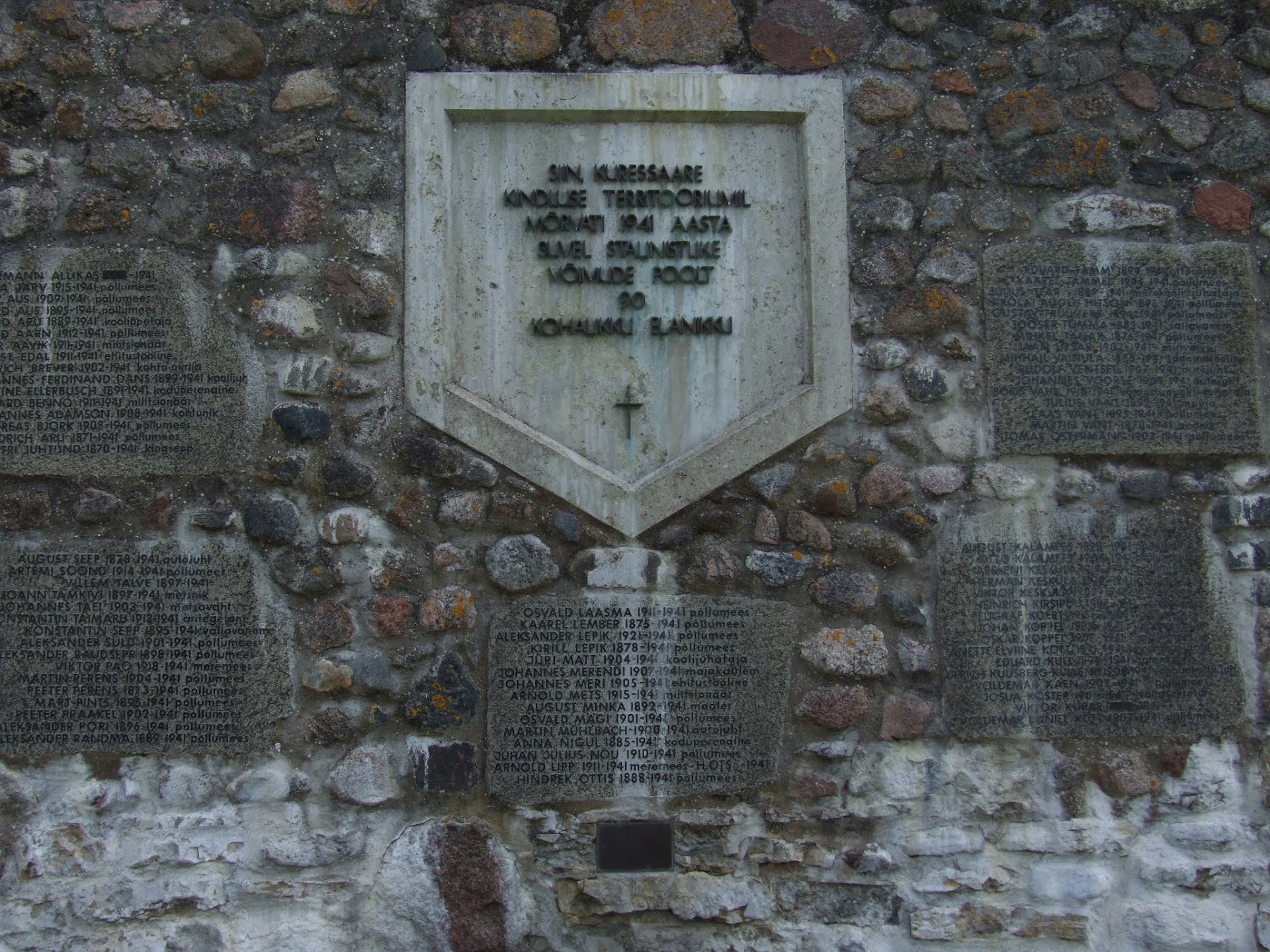
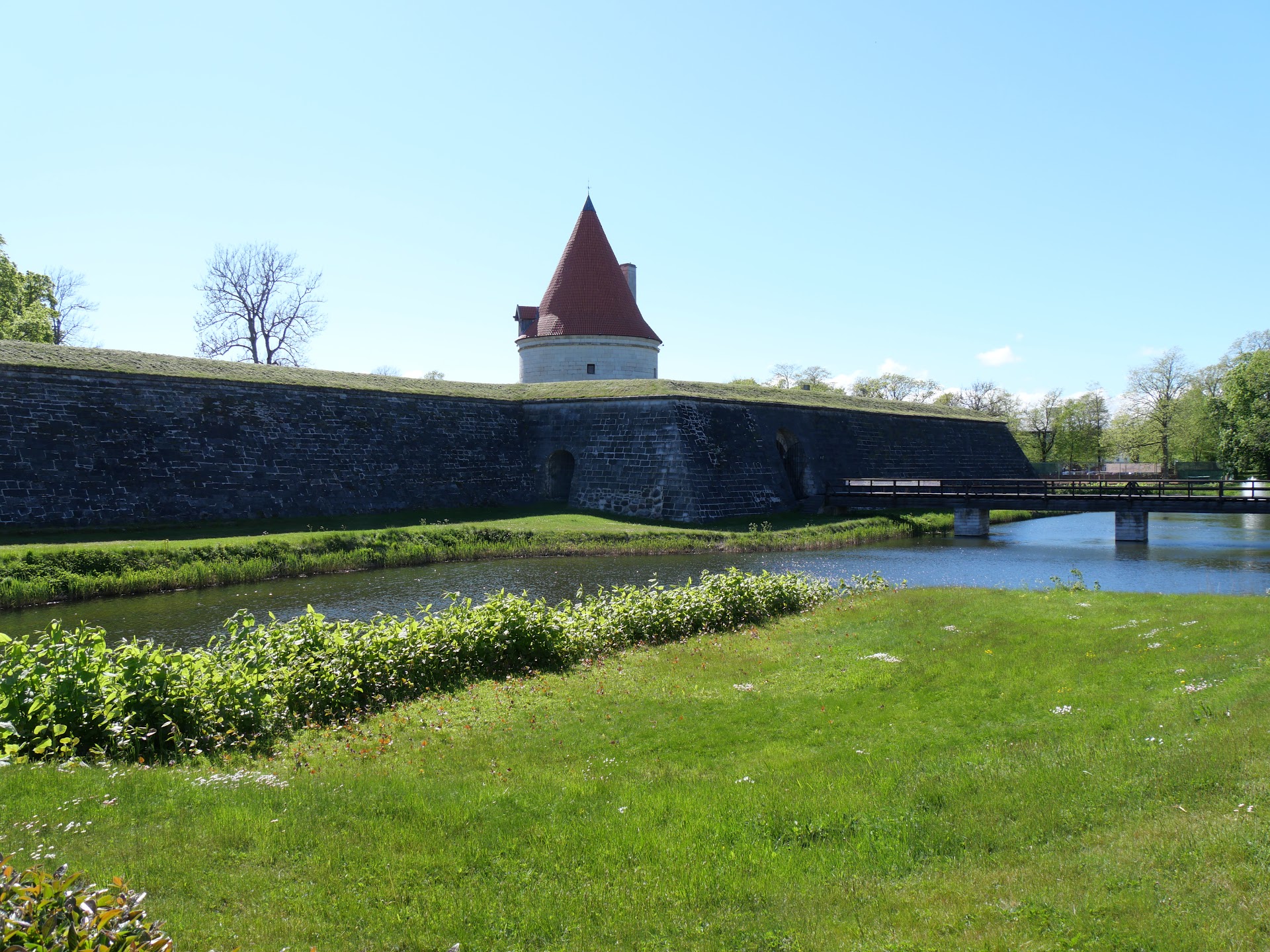
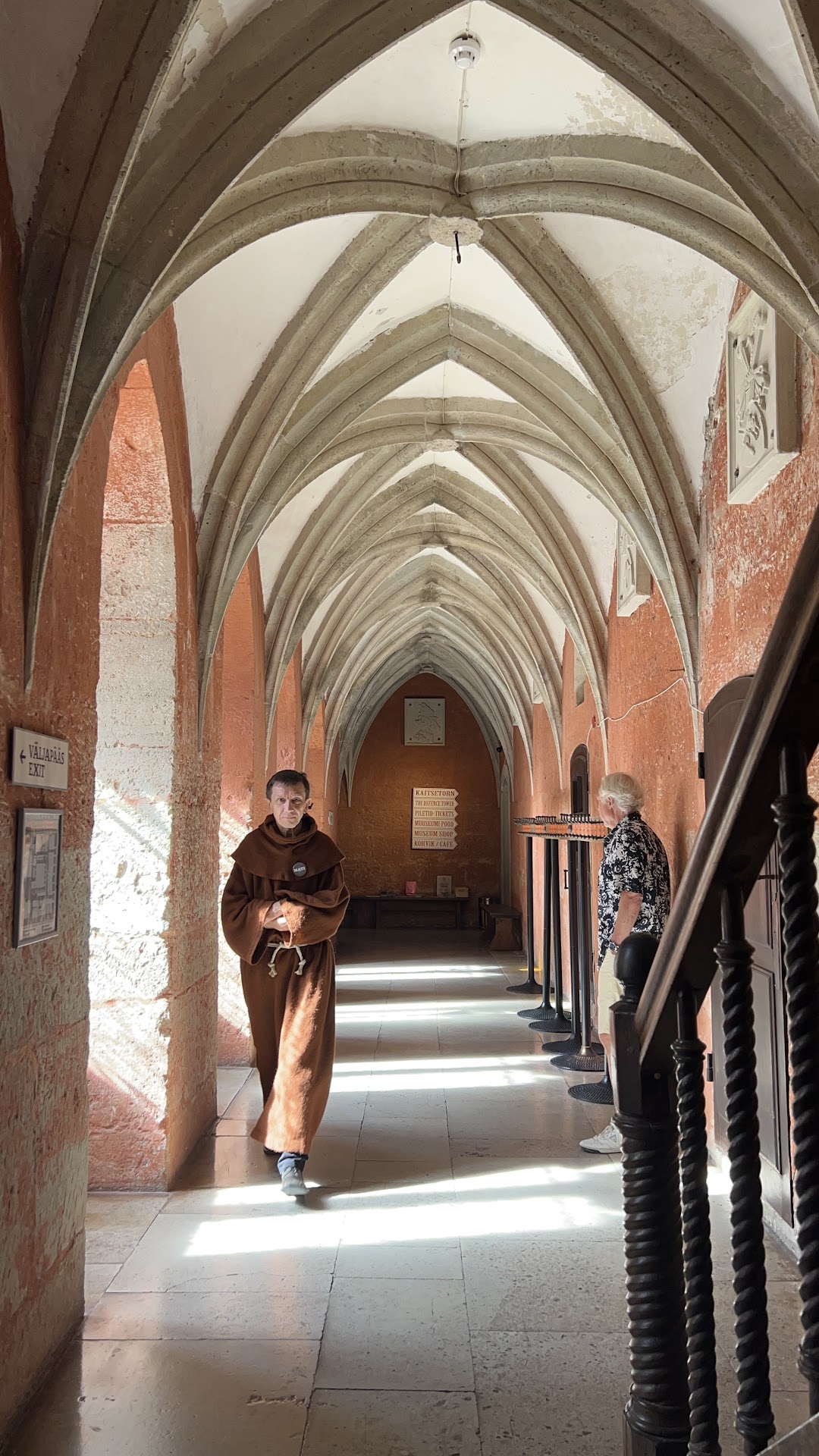
The castle is the biggest architectural attraction of the island (outside nature). The Saaremaa Regional Museum was arranged in the castle, which richly presents the history, nature of the economy and activities of the island's inhabitants, a collection of costumes and antique musical instruments. From the courtyard is the entrance to the dungeons. In one of the corners of the defensive walls a small room was placed, and on the wall a plaque commemorating the communist crime of 1941 on the inhabitants of Saarema. Inside the fortress there are historic buildings, but much younger than the castle. Around the walls there is a nice and large park, where there are forest buildings, including Kursaal. On top of the tower you can drink coffee in a cafe, on the ground floor there is a souvenir shop, postcards. Here you can also buy postage stamps, but mailboxes are only in the city center. A ticket for the castle and all exhibitions costs 8 Euro for an adult.
Zamek jest największą atrakcją architektoniczną wyspy (poza przyrodą) Na zamku urządzono Muzeum Regionalne Saaremaa, które bogato przedstawia historię, przyrodę gospodarkę i zajęcia mieszkańców wyspy, kolekcję strojów oraz zabytkowych instrumentów muzycznych. Z dziedzińca jest wejście do lochów. W jednym z narożników murów obronnych ulokowano mała salkę, a na murze tablicę upamiętniającą zbrodnię komunistyczną z 1941 roku na mieszkańcach Saaremy. Na terenie wewnątrz twierdzy stoją zabytkowe budynki, ale dużo młodsze niż zamek. Wokół murów roztacza się ładny i spory park, w którym znajdują się budynki leśne, m.in. Kursaal. Na wieży można wypić kawę w kawiarni, na parterze jest sklep z pamiątkami, pocztówkami. Tu też można kupić znaczki pocztowe, jednak skrzynki pocztowe są dopiero w centrum miasta. Bilet na zamek i wszystkie wystawy kosztuje 8 Euro dla...
Read moreCompact and intact. Since the inhabitants of Ösel (Saaremaa) strongly resisted their Christianization, the Prince-Bishop of Ösel-Wiek (Saare-Lääne) had the castle Arensburg (the Castle of Kuresaare) built in the second half of the 14th century. The Late Gothic castle is quite simple and compact in design, and since the main resident held a religious position, the main building, the castle, consists of a so-called convent building. Apart from the 37-meter-high northern defense tower, most of the rooms of the castle seem to come straight out of a monastery: on the main floor, a cloister houses the refectory, a dormitory and the private quarters of the Prince-Bishop. Kuresaare castle was one of the most important strongholds of this Prince-Bishop. At the end of the 14th and beginning of the 15th century, a 625-meter-long defensive wall was built around the castle. In 1559, Saaremaa, and thus the castle, became Danish property and the fortifications were modernized. Barely a century later, in 1645, the castle became Swedish property and Field Marshal Erik Dahlbergh had the Vauban-type fortress with the typical bastions and ravelins built. During the Great Northern War (1700-1721), the castle fell into Russian hands, and as the borders of the Russian Empire shifted further west, Kuresaare Castle lost its military function in 1836. In the 19th century, the castle was used as a poorhouse. Due to two major restorations (in 1904-1912 and 1968), Kuresaare Castle can be considered one of the best preserved castles in Estonia. The castle, which today houses the Saaremaa Museum, is one of the absolute highlights...
Read moreNice place. One can walk around the castle walls freely but signs do say that any the owner of the area will not be responsible if anything happens traversing the walls. There are plaques around that explain every notable place a bit but one needs to know some specific words about old castles to understand some details. The houses around the keep looked like they were for the employees. There is a singing stage and at the time of my visit there was an event going on so I guess this place can be booked for events. At the time of my visit the cafe and "tavern" were closed so I can't comment on those. Now, the main castle or as I think it's called, the keep, is the main museum. The first floor was under reconstruction at the time of my visit. There were multiple WCs available at site. The ticket sales area doubles as a gift shop. The workers wore old timey clothes/robes. The museum goes in general and in detail over the whole history of Saaremaa and the local proximity. From ancient times when humanity used sticks and stones to to the communist occupation and re-inependence of Estonia. Didn't see any exhibits on the modern times. The plaques and writing in the museum, and also outside, is in Estonian and English. The majority also have Russian translation but not all. Notably at the exhibition about the history of the communist occupation was missin Russian translation...
Read more