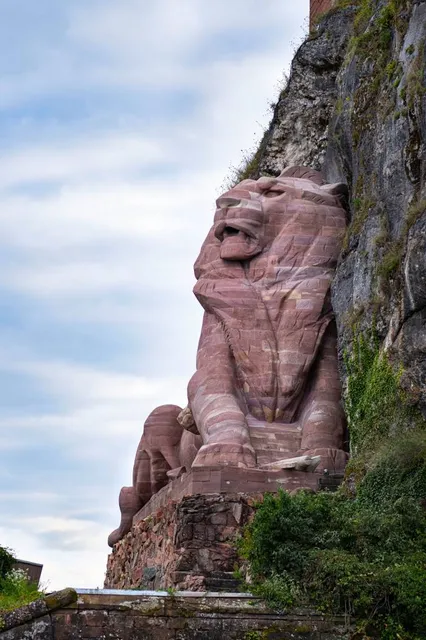
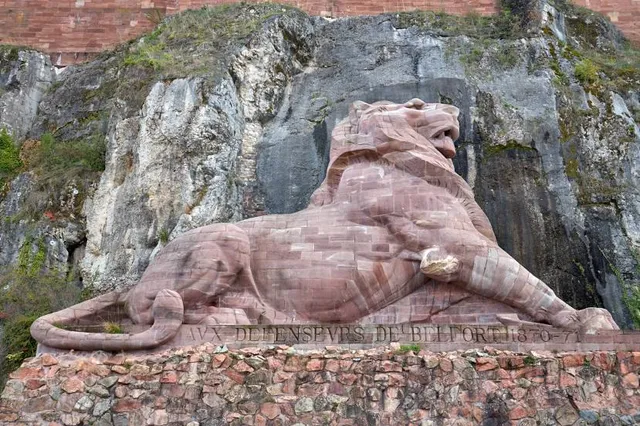
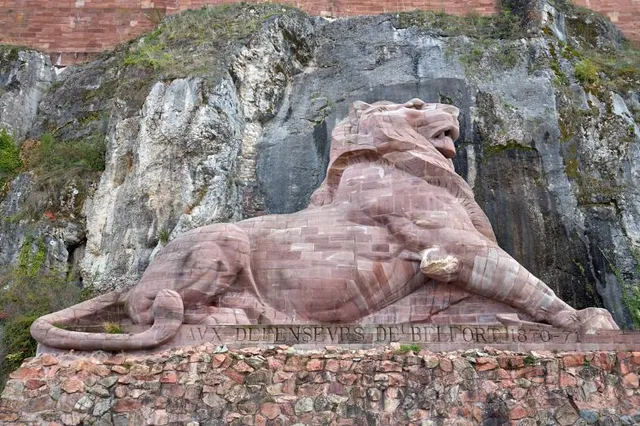
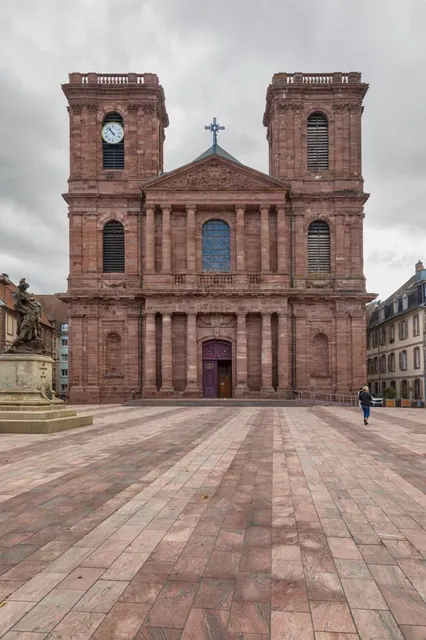
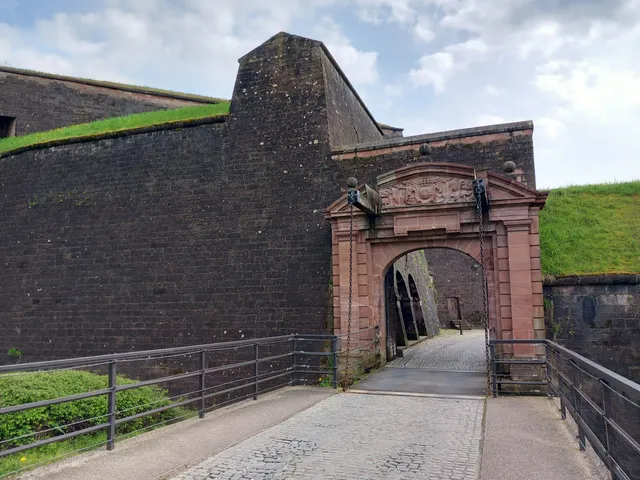
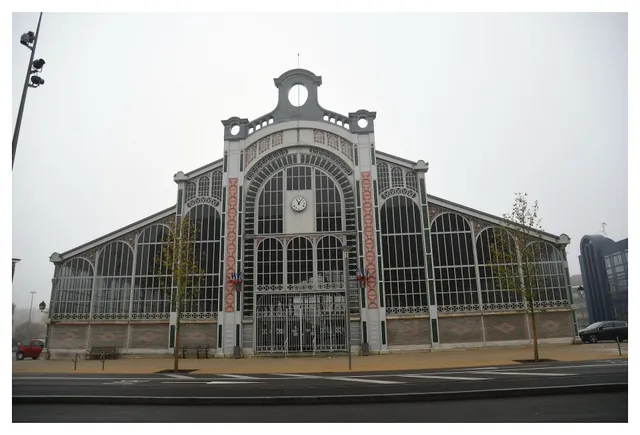
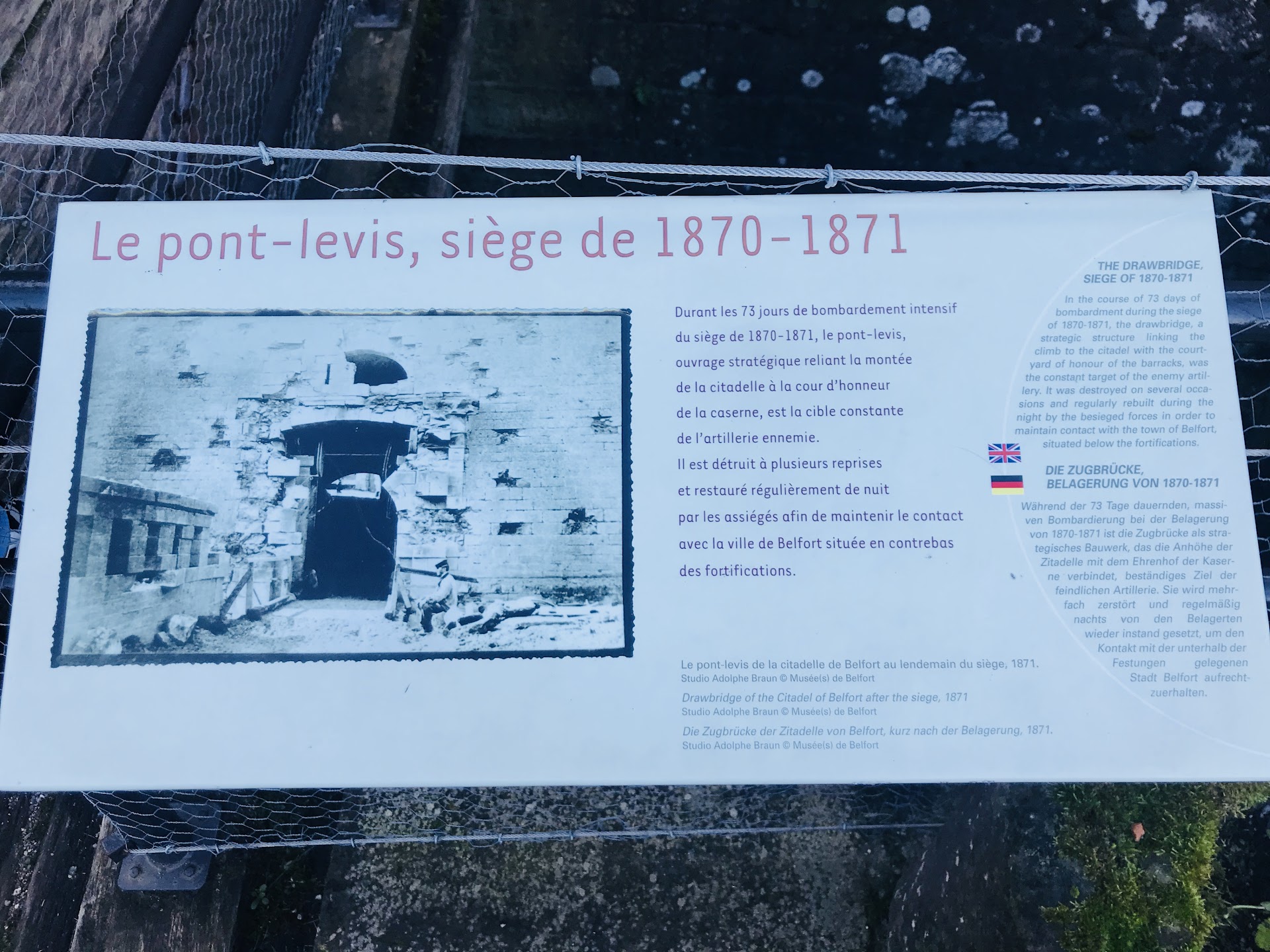
The Belfort Lion stands as an awe-inspiring symbol of courage, resilience, and national pride. This monumental sculpture, located in Belfort, France, has not only captured the essence of its historical significance but has also become a testament to the power of art in commemorating pivotal moments in history. Erected in 1879, the Belfort Lion serves as a reminder of the city's valiant resistance during the Franco-Prussian War of 1870-1871.
Crafted by the gifted sculptor Frédéric Bartholdi, who is renowned for his iconic creation, the Statue of Liberty, the Belfort Lion exemplifies his extraordinary ability to infuse life and emotion into stone. This statue portrays a majestic and fierce lion atop a colossal rock, poised with a defiant stance that encapsulates the spirit of the people of Belfort. The symbolism is rich and multi-faceted, as it represents not only the city's unyielding resistance against the Prussian siege but also the broader theme of human determination in the face of adversity.
The craftsmanship and attention to detail in the Belfort Lion are remarkable. Bartholdi meticulously rendered the lion's powerful muscles, fierce expression, and intricate mane, breathing life into the sculpture. The choice of a lion as the central figure was not arbitrary – it signifies strength, bravery, and majesty, qualities that mirror the spirit of the people who defended Belfort during the war.
As a historical artifact, the Belfort Lion embodies the resilience and sacrifice of the city's inhabitants. The siege of Belfort was one of the longest and most grueling battles of the Franco-Prussian War, lasting for over 103 days. The lion's positioning atop the rock serves as a poignant reminder of the elevated position where it was strategically placed, watching over the city as its guardian. This symbolism serves as a lasting tribute to the brave soldiers and citizens who stood united against the Prussian forces.
Beyond its historical significance, the Belfort Lion has also become an iconic tourist attraction, drawing visitors from around the world to marvel at its grandeur and artistic magnificence. The statue's location on the Citadel of Belfort offers panoramic views of the surrounding landscape, adding to the overall experience of those who visit. The site has been meticulously maintained over the years, ensuring that future generations can continue to appreciate its beauty and historical importance.
In conclusion, the Belfort Lion stands as a monumental work of art that goes beyond its role as a commemorative sculpture. It is a testament to human resilience, valor, and the enduring power of art to encapsulate and convey the essence of significant historical events. With its remarkable craftsmanship, profound symbolism, and enduring legacy, the Belfort Lion continues to inspire and captivate individuals, paying homage to the indomitable spirit of the people...
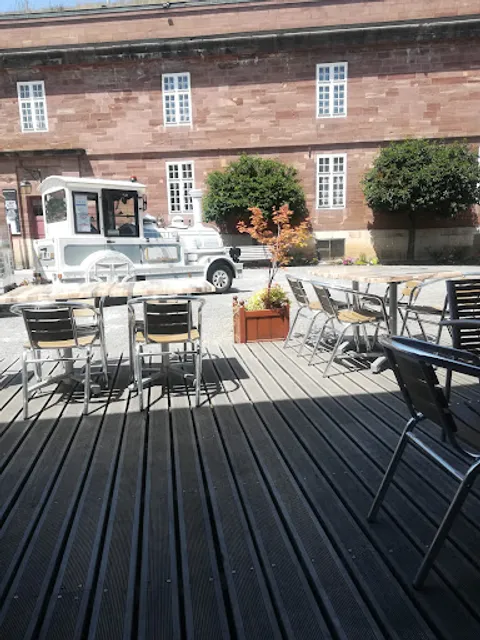
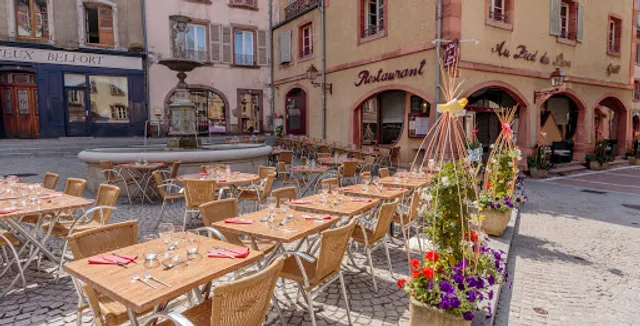
Read moreInteresting place in belfort. It is situated at the top of the belfort castle. It’s is made entirely of red sandstone and was finished in 1880. The rock lion is very big, which symbolizes the heroic french resistance during the seige of belfort. You can have a panoramic view of the entire city from the top of the belfort castle. Interesting thing about this lion is it’s sculpted by Frédéric Auguste Bartholdi who is famously known for sculpting the Statue of Liberty. There is a museum inside the castle which has som antic coins and old monuments. The lion itself is very famous so you can find many small versions in the museum. The entire castle is very big so make sure to bring a bottle of water with you if you want to explore thoroughly. There is a nice restaurant in the castle which serves delicious food but I’m not sure if it’s open on all days. I visited this twice and the weather was quite good both times. The second time is visited this place there was a history festival going on based on world war 1 which was quite impressive. All in all a very interesting place with a rich...
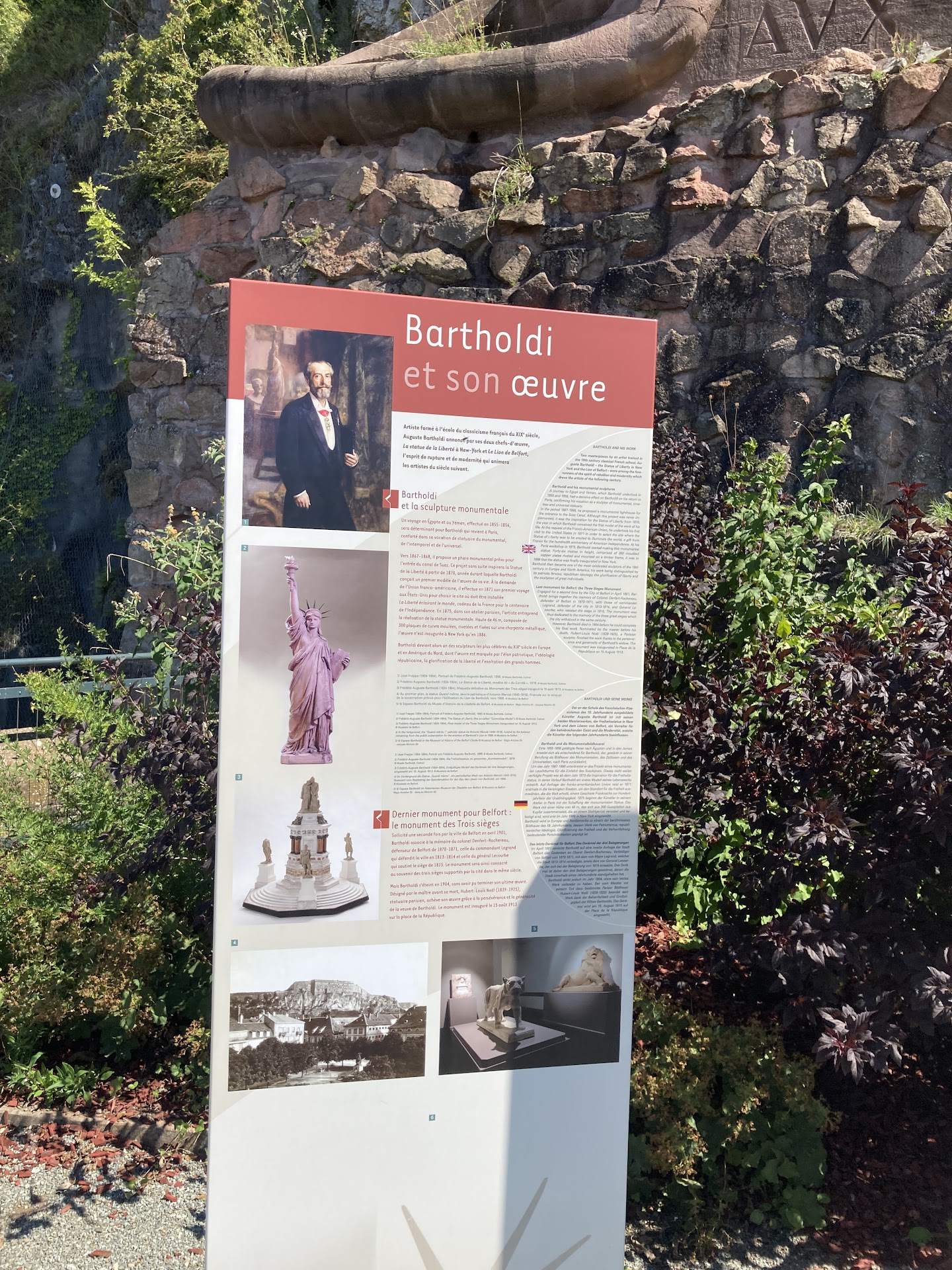
Read moreLe Lion de Belfort est un monument commémoratif en haut-relief situé à Belfort, en France, au pied de la falaise de la citadelle. Œuvre du sculpteur alsacien Auguste Bartholdi, il commémore la résistance de la ville assiégée par les Prussiens durant la guerre franco-allemande de 1870. La ville et l'arrondissement de Belfort, correspondant à l'actuel Territoire de Belfort, furent laissés à la France lors de la signature du traité de Francfort en 1871, faisant de ce territoire la seule partie de l'Alsace à rester française.
Reposant sur un piédestal en rocaillage, la sculpture est longue de 22 m et haute de 11 m[1], ce qui en fait la plus grande statue de pierre de France[2]. Elle est constituée de blocs de grès rose de Pérouse (type de grès rouge des Vosges au lieu du calcaire blanc prévu par le conseil municipal de Belfort), sculptés individuellement, puis déplacés sur une terrasse verdoyante[3] et adossée à la paroi calcaire grise de la falaise sous le château de Belfort, citadelle édifiée par Vauban puis remaniée par le général Haxo, pour y être assemblés. À la suite de protestations allemandes alors que l'Europe est dominée par Otto von Bismarck, le fauve — qui devait à l'origine faire face à l'ennemi — a la tête tournée vers l’ouest : « Bartholdi le fit alors le dos tourné à l'adversaire, dans une attitude dédaigneuse. Mais, entre ses pattes, il place une flèche tournée vers la frontière allemande » selon le directeur des musées de Belfort, Nicolas Surlapierre[4].
L'œuvre symbolise la résistance héroïque de la ville menée par le colonel Denfert-Rochereau pendant le siège de Belfort par l'armée prussienne, durant 103 jours (de décembre 1870 à février 1871)[1]. Selon Bartholdi, « le monument représente, sous forme colossale, un lion harcelé, acculé et terrible encore en sa fureur » et « le sentiment exprimé dans l’œuvre doit surtout glorifier l’énergie de la défense. Ce n’est ni une victoire ni une défaite qu’elle doit rappeler »[5].
La sculpture à peine achevée, l'image du lion inspire, autant comme modèle que comme caricature, poètes, chansonniers, et sculpteurs (tel Max Ernst qui détourne sa figure dans plusieurs lithographies d'Une semaine de bonté) ; elle est exploitée à des fins publicitaires en cartes postales, assiettes, gravures, montres, miniatures, lessives, épiceries… Bartholdi tolère d'abord cette exploitation puis, devant la profusion des reproductions à partir de 1898, gagne les procès qu'il intente. Mais à sa mort, Belfort est devenue la « Cité du Lion » et ne tarde pas à en faire son...
Read more