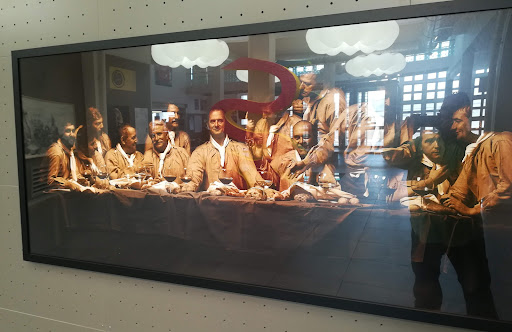
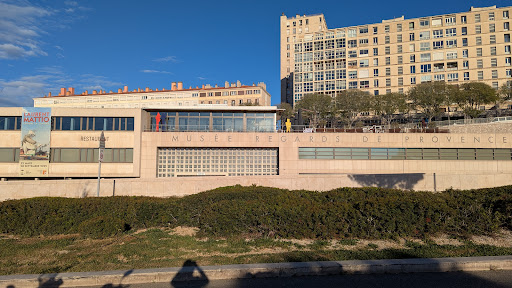
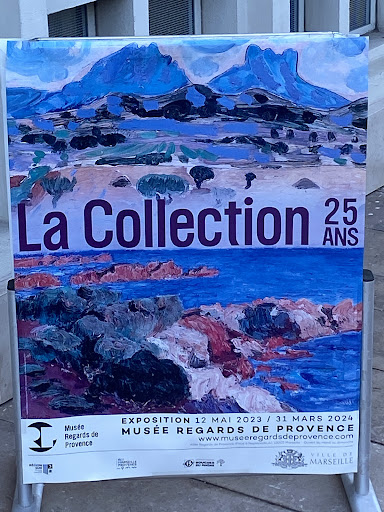
Musée Regards de Provence things to do, attractions, restaurants, events info and trip planning
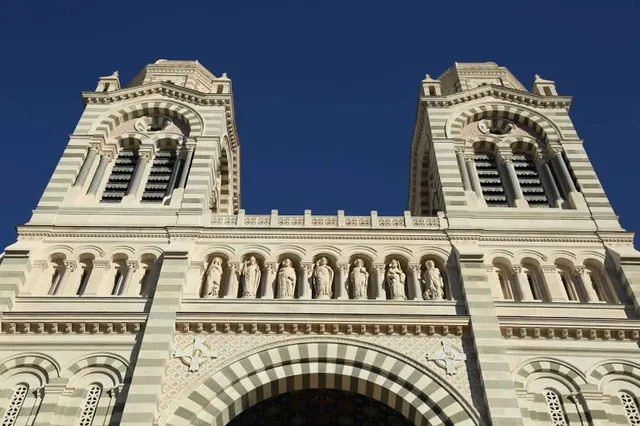
Basic Info
Musée Regards de Provence
Av. Vaudoyer, 13002 Marseille, France
4.3(538)
Closed


tickets
Save
spot
spot
Ratings & Description
Info
Cultural
Scenic
Relaxation
Family friendly
Accessibility
attractions: Musée de l'illusion Marseille, Cosquer Méditerranée, Cathédrale Basilique Sainte-Marie-Majeure, dit « La Major », Mucem - Museum of Civilizations of Europe and the Mediterranean, Les Petits Trains de Marseille, Église Saint-Laurent, Fort Saint-Jean, UndARTground Concept Store, Bàti Bàti Marseille - Concept Store - Atelier Créatif, Préau des Accoules - Musée des enfants de la Ville de Marseille, restaurants: Gelateria Major, Bring Me My Coffee, Andia Marseille, Santa Gusto, Hododa, Le Palais de la Major - Restaurant Marseille, Le Glacier du Roi, Le Vieux Panier - Restaurant - Pizzeria, L’écailler du panier, Les Halles de la Major, local businesses: Musée de l'illusion Marseille, Old Port of Marseille, L'Espérantine de Marseille- Provence, Hijama Therapy / The Cupping House, Super Boutique, Les Voûtes de la Major, L'Espérantine de Marseille - Boutique du Panier, Lyly Concept Store Marseille, Le Phare De Provence, Chouchou Marseille – Douceurs fourrées & glaces artisanales
 Learn more insights from Wanderboat AI.
Phone
+33 4 96 17 40 40
Website
museeregardsdeprovence.com
Open hoursSee all hours
Sun10 AM - 6 PMClosed
Plan your stay

Pet-friendly Hotels in Marseille
Find a cozy hotel nearby and make it a full experience.

Affordable Hotels in Marseille
Find a cozy hotel nearby and make it a full experience.

The Coolest Hotels You Haven't Heard Of (Yet)
Find a cozy hotel nearby and make it a full experience.

Trending Stays Worth the Hype in Marseille
Find a cozy hotel nearby and make it a full experience.
Reviews
Live events

Grande Vente de Plantes Marseille
Fri, Feb 6 • 9:00 AM
12 Rue de la République 13001 Marseille
View details

Soirée de lancement Marseille, ville d’hospitalités. Vraiment ?
Mon, Feb 9 • 6:30 PM
28 Boulevard National 13001 Marseille
View details

Découvrir l’IA générative – Atelier IAgenGO (1h30) – Marseille
Wed, Feb 11 • 12:00 PM
2 Rue Henri Barbusse 13001 Marseille
View details
Nearby attractions of Musée Regards de Provence
Musée de l'illusion Marseille
Cosquer Méditerranée
Cathédrale Basilique Sainte-Marie-Majeure, dit « La Major »
Mucem - Museum of Civilizations of Europe and the Mediterranean
Les Petits Trains de Marseille
Église Saint-Laurent
Fort Saint-Jean
UndARTground Concept Store
Bàti Bàti Marseille - Concept Store - Atelier Créatif
Préau des Accoules - Musée des enfants de la Ville de Marseille

Musée de l'illusion Marseille
4.5
(3.8K)
Closed
Click for details
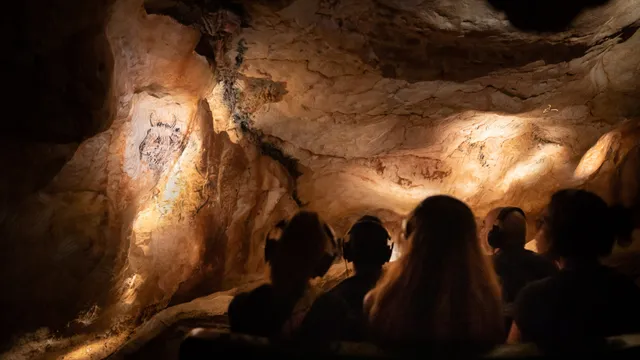
Cosquer Méditerranée
4.7
(3.1K)
Closed
Click for details
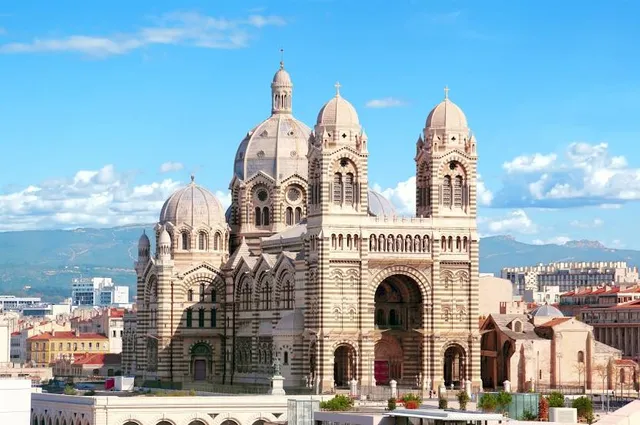
Cathédrale Basilique Sainte-Marie-Majeure, dit « La Major »
4.7
(7.1K)
Closed
Click for details
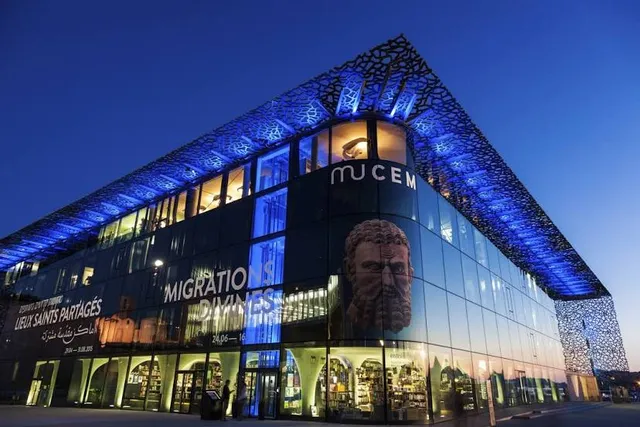
Mucem - Museum of Civilizations of Europe and the Mediterranean
4.4
(9K)
Closed
Click for details
Nearby restaurants of Musée Regards de Provence
Gelateria Major
Bring Me My Coffee
Andia Marseille
Santa Gusto
Hododa
Le Palais de la Major - Restaurant Marseille
Le Glacier du Roi
Le Vieux Panier - Restaurant - Pizzeria
L’écailler du panier
Les Halles de la Major
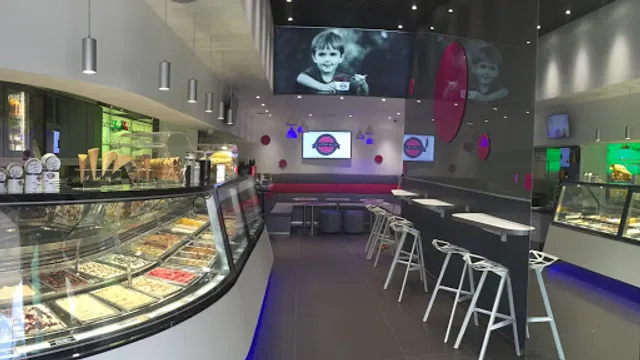
Gelateria Major
4.2
(491)
$$
Closed
Click for details
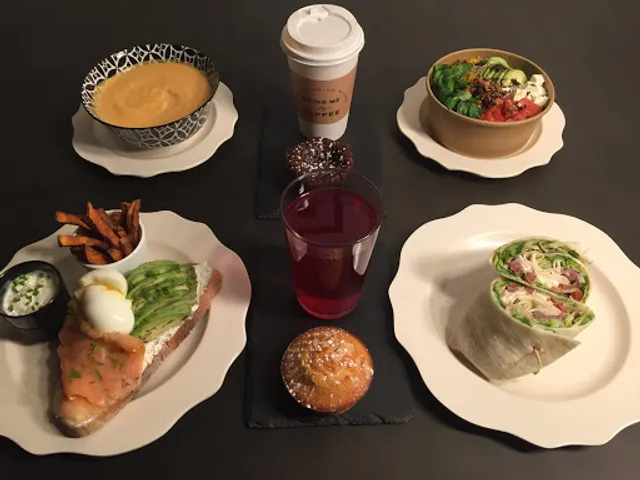
Bring Me My Coffee
4.8
(305)
Closed
Click for details
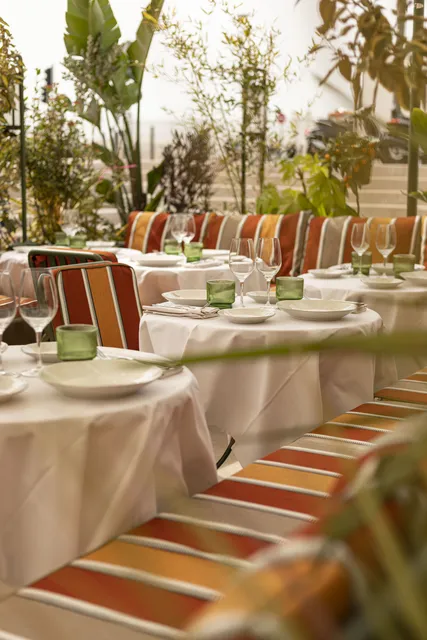
Andia Marseille
3.7
(641)
Closed
Click for details
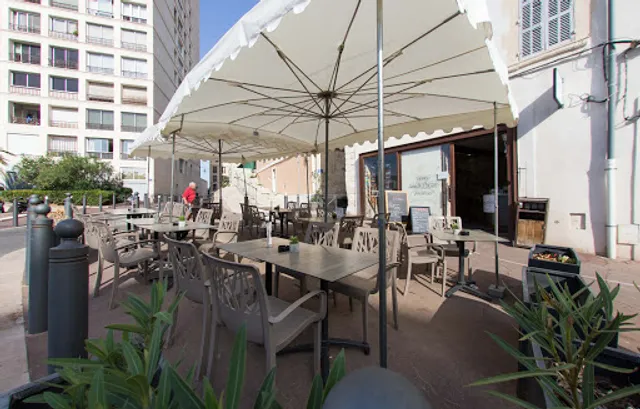
Santa Gusto
4.8
(404)
Closed
Click for details
Nearby local services of Musée Regards de Provence
Musée de l'illusion Marseille
Old Port of Marseille
L'Espérantine de Marseille- Provence
Hijama Therapy / The Cupping House
Super Boutique
Les Voûtes de la Major
L'Espérantine de Marseille - Boutique du Panier
Lyly Concept Store Marseille
Le Phare De Provence
Chouchou Marseille – Douceurs fourrées & glaces artisanales
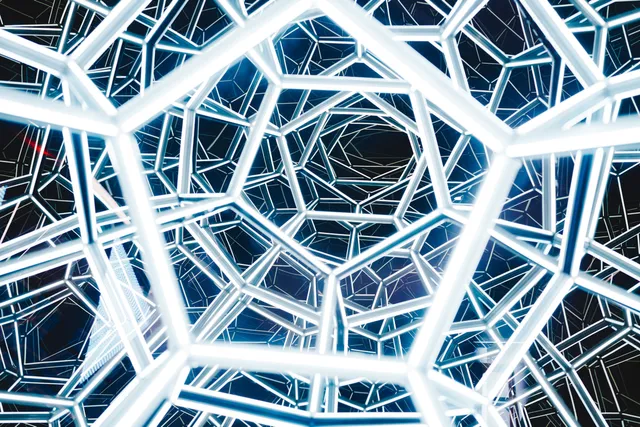
Musée de l'illusion Marseille
4.6
(856)
Click for details
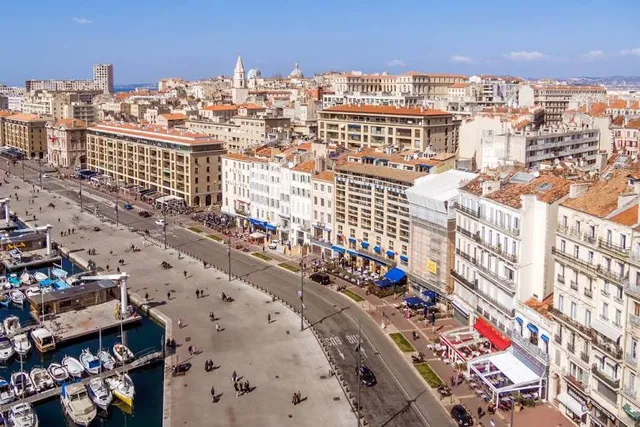
Old Port of Marseille
4.6
(3K)
Click for details

L'Espérantine de Marseille- Provence
4.6
(172)
Click for details

Hijama Therapy / The Cupping House
5.0
(230)
Click for details