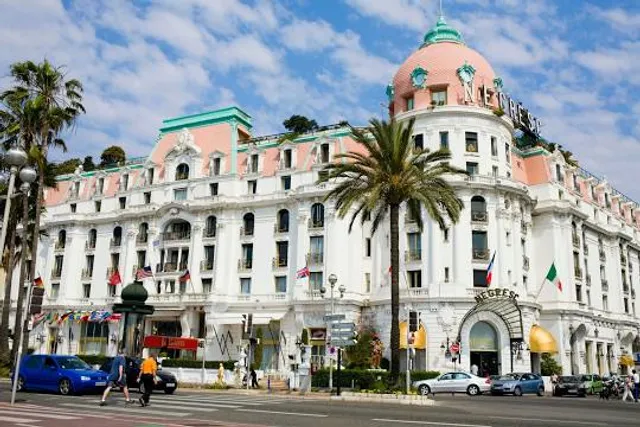
The Villa Masséna, Musée d'Art et d'Histoire is a prestigious museum located in Nice, France. Housed in a beautiful Belle Époque villa, the museum showcases a rich collection of art and historical artifacts, celebrating the cultural heritage of Nice and the French Riviera. Here’s a detailed overview of the villa, its collections, and its significance:
History Construction: The villa was built between 1898 and 1901 for the wealthy industrialist and politician Victor Masséna, a member of the prominent Masséna family in Nice. The villa was designed by architect Hans-Georg Tersling in the Neo-Classical style, reflecting the grandeur of the Belle Époque period. Acquisition by the City: In 1966, the villa was acquired by the city of Nice and transformed into a museum. It has since been dedicated to preserving and showcasing the artistic and historical heritage of the region.
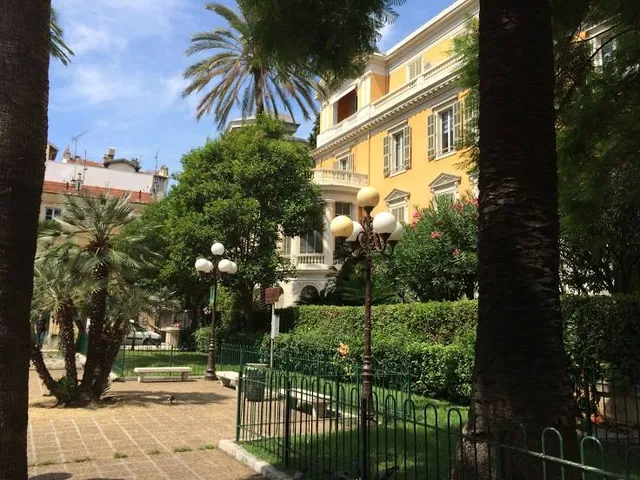
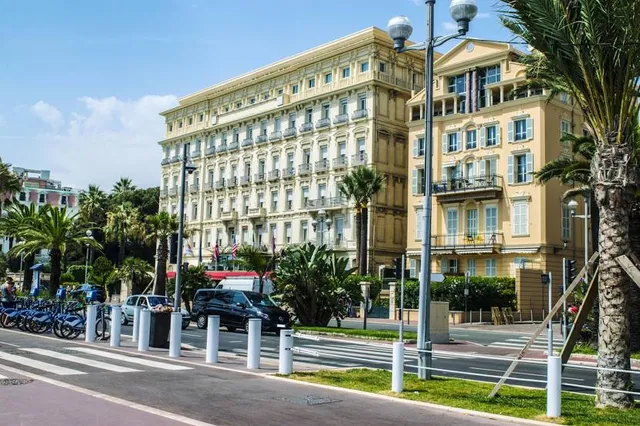
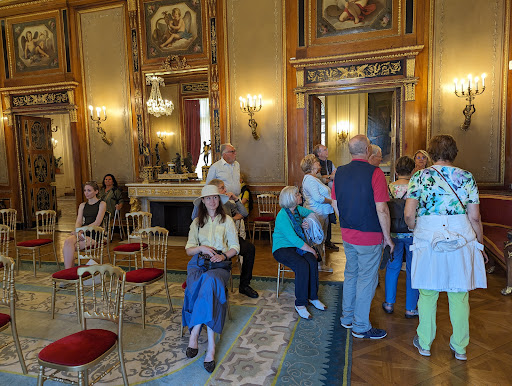
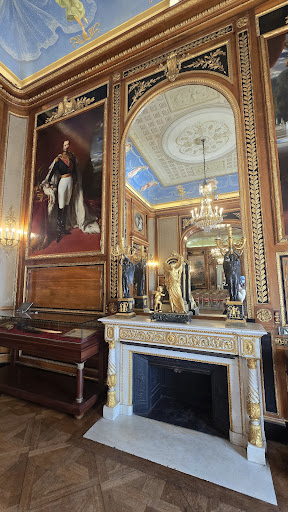
Architectural Features Exterior: The villa features an ornate façade with decorative elements, including balconies, columns, and intricate moldings. Its multi-colored façade is a hallmark of the Belle Époque style, making it a striking architectural landmark in Nice. Interior Design: Inside, the villa is adorned with elegant furnishings, period decor, and elaborate ceilings. The rooms are designed to reflect the lifestyle and tastes of the early 20th century, providing visitors with a glimpse into the opulence of the era.
Collections Art Collection: The museum houses a diverse collection of artworks, including paintings, sculptures, and decorative arts. The collection features works from the 18th to the 20th centuries, highlighting both local artists and international figures. Historical Artifacts: In addition to art, the museum includes a variety of historical artifacts that document the history of Nice and the surrounding region. This includes items related to the city's development, cultural events, and notable historical figures. Temporary Exhibitions: The villa frequently hosts temporary exhibitions, showcasing specific themes or artists. These exhibitions complement the permanent collection and provide fresh insights into various aspects of art and history.
Significance Cultural Heritage: The Villa Masséna serves as an important custodian of the cultural and historical heritage of Nice, illustrating the city’s evolution and its role as a cultural hub on the French Riviera. Educational Role: The museum offers educational programs and activities for schools and visitors, aiming to foster an appreciation for art and history. Workshops, guided tours, and special events enhance the visitor experience.
Visitor Information Access: The museum is easily accessible by public transport, and it is located near the Promenade des Anglais, making it a convenient stop for visitors exploring Nice. Opening Hours: The Villa Masséna typically operates year-round, but it’s advisable to check the official website for current opening hours and any special events or closures. Facilities: The museum may have a café and a gift shop, providing visitors with options for refreshments and souvenirs related to the museum’s collections.
Conclusion The Villa Masséna, Musée d'Art et d'Histoire is a captivating destination that combines stunning architecture with a rich collection of art and historical artifacts. Whether you are an art lover, a history enthusiast, or simply looking to explore the cultural heritage of Nice, the museum offers a unique and enriching experience. Its picturesque setting and engaging exhibits make it a must-visit location while in the...
Read moreMy guide book mislead me there for 10am but in the earlier part of the year it opens at 11, so I walked on to the Beaux Arts museum, also 11 am. The surrounding gardens are lovely and were renovated 2006/2007, when the museum was shut, so I missed it when I went to Nice in 2006. The downstairs is left as the opulent residence of a prince, with interior decor including some bought from a palace in Tuscany. It is beautifully maintained, and the rooms perfumed with a fragrance based on the island of Elba, a nice touch and good marketing as it is sold in the shop. Upstairs is the very interesting local history museum, tracing the development of the town from a small agricultural and fishing village to its Belle Époque heyday , with portraits and artifacts to illustrate this. Best were the two 'plan cadestral' based charts of land use along the shore. In 1813, it was overwhelmingly agricultural, with olive and orange groves and vines. By 1875 only one olive grove remained, the remainder of the land being occupied by houses, including Englis and Russian residents. Someone had made a Lego model of the shoreline today, and also of the now disappeared casino. The links with Italy are very well documented. I wish really I had bought a guide. A very enjoyable visit to a beautiful and...
Read moreEXPOSITION « HÉROÏQUE CATHERINE SÉGURANE, FIGURE LÉGENDAIRE DE NICE » AU MUSÉE MASSÉNA DE NICE
COMME D’HABITUDE, TRÈS RÉUSSI ! DE L’HISTOIRE À LA LÉGENDE.
La nouvelle exposition présentée par le musée Massena jusqu’au 7 janvier prochain, est, comme d’habitude, réussie. Pourquoi ?
Ce moment d’histoire que représente le siège de Nice par les armées turques alliées à celles françaises de François I, est important pour Nice. Il est même fondateur d’un ancrage de la capitale du Comté de Nice dans l’histoire internationale, mais aussi dans un imaginaire dont ont besoin tous les lieux et toutes les personnalités qui tentent de traverser la mémoire des siècles.
C’était en 1543. Nice est savoyarde et ce siège acharné a marqué la mémoire de la ville jusqu’à nos jours. La citadelle résiste (non la ville basse) et, à l’annonce de l’arrivée de troupes envoyées en renfort par le duc de Savoie, les alliés improbables (la France et les Ottomans) lèvent le siège. L’épreuve est violente. La ville est saccagée, brûlée, nombre de captifs sont enlevés par les Turcs.
Les panneaux explicatifs, les évocations illustrées du siège des Ottomans (comme la rade de Villefranche investie par les galères turques !), les rappels généalogiques des souverains en lice, etc. sont parfaits. Indispensables et parfaitement accessibles à un grand public non féru d’histoire.
Catherine Segurane est Niçoise et aurait résisté avec une force, une énergie et une bravoure telles que sa contribution à la victoire ne serait pas négligeable. Elle entre dans la légende. Elle devient la légende. Au fil des siècles, elle incarne Nice et son tempérament « identitaire » comme on le dirait de nos jours.
Les historiens et les rédacteurs des commentaires ont réussi avec élégance et tact à ne pas écorner la personnalité devenue presque intouchable de l’héroïne tout en faisant la part des légendes qui nourrissent tout événement historique, lui permettant de vivre à travers les siècles. On nous explique comment cette personnalité a été créée ou en tout cas, incarnée, même si elle a existé. On nous explique avec talent combien sa mémoire a été ensuite utile au fur et à mesure des aléas de l’histoire niçoise qui suivit.
Cette exposition est un vrai travail sérieux et scientifique tout en restant captivant et accessible à tous. Chacun y puise ce qu’il souhaite, ce qu’il peut, ce qu’il veut. Bravo !
Vous souhaitez disposer d'avis et de commentaires sur une exposition, un film, un musée ou un site culturels, liés à l'histoire ? Sur la page Facebook « CULTURE AVIS », Gérard GEIST apporte un éclairage personnel, sans langue de bois, sur l'actualité culturelle. Abonnez-vous. FB :...
Read more