Maison Carrée things to do, attractions, restaurants, events info and trip planning

Basic Info
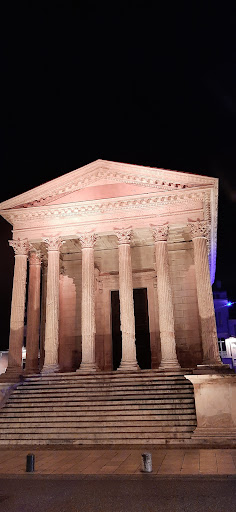
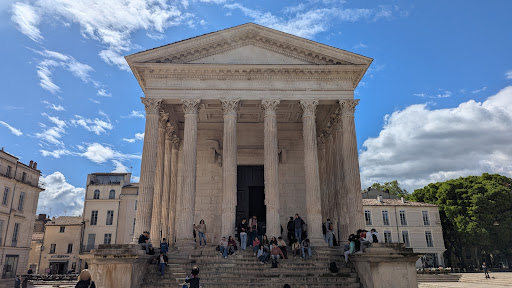
Maison Carrée
Pl. de la Maison Carrée, 30000 Nîmes, France
4.4(6.5K)
Open until 4:30 PM


tickets
Save
spot
spot
Ratings & Description
Info
The Maison carrée is an ancient Roman temple in Nîmes, southern France; it is one of the best-preserved Roman temples to survive in the territory of the former Roman Empire. It is a mid-sized Augustan provincial temple of the Imperial cult, a caesareum.
Cultural
Family friendly
Accessibility
attractions: Carré d'Art, Tour de l'Horloge de Nîmes, Library Carré D'art Nimes, Amphitheatre of Nîmes, Église Saint-Paul, Square Antonin, Jardin de La Fontaine, Theatre of Nîmes, L'Arbre Bleu NIMES, Nîmes Tourist Office, restaurants: La Locanda Comptoir italien, Carré Jazz, Barjoe Nîmes, Cali Kitchen | Brunch Nîmes, Côté Sushi Nîmes, Le Dé-K-Lé Bistrot Gourmand, LE NAPO, Café Carré, Pizzeria Cerutti Pizzeria San Diego, Au Flan Coco, local businesses: BLACK NEEDLE Tattoo, Free, Boutique SFR Nimes Perrier, Doux Joaillier, Cécile Fusellier, La Coupole des Halles, Fnac, Zara, Nim'Tattoo, GALANTE L'appartement
 Learn more insights from Wanderboat AI.
Phone
+33 4 66 21 82 56
Website
arenes-nimes.com
Open hoursSee all hours
Fri10 AM - 4:30 PMOpen
Plan your stay

Pet-friendly Hotels in Nîmes
Find a cozy hotel nearby and make it a full experience.

Affordable Hotels in Nîmes
Find a cozy hotel nearby and make it a full experience.

The Coolest Hotels You Haven't Heard Of (Yet)
Find a cozy hotel nearby and make it a full experience.

Trending Stays Worth the Hype in Nîmes
Find a cozy hotel nearby and make it a full experience.
Reviews
Live events
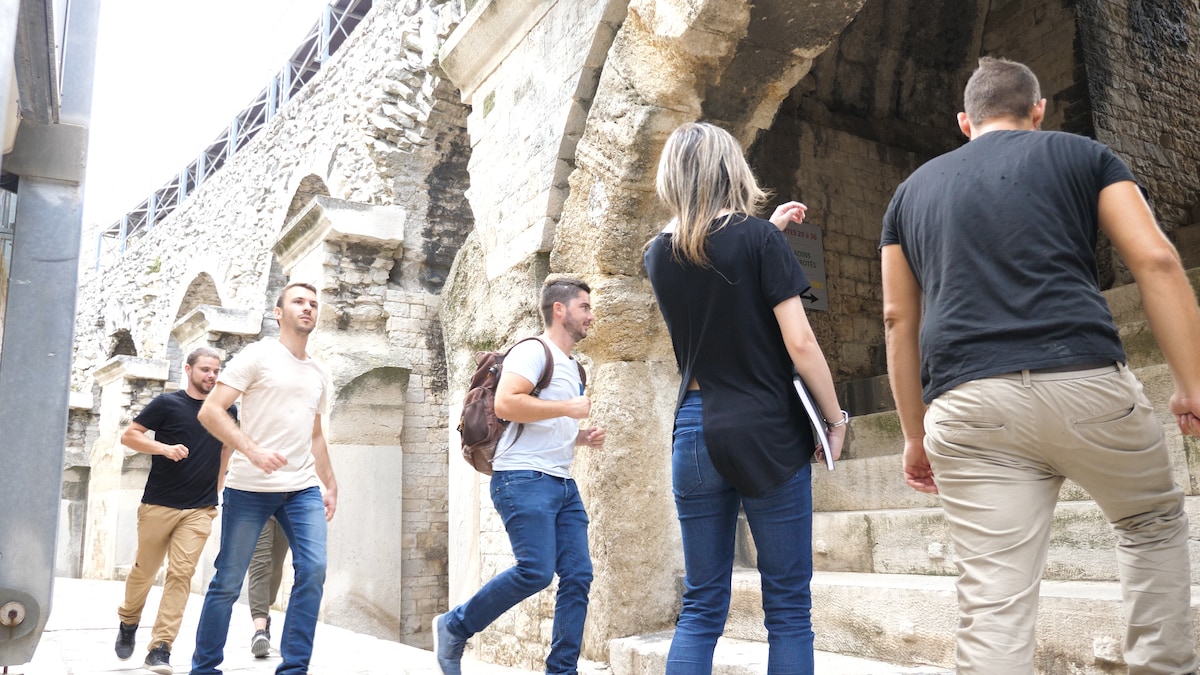
Solve mysteries in Nîmes
Sun, Feb 22 • 10:00 AM
30900, Nîmes, France
View details

Candlelight: Hommage à Charles Aznavour
Thu, Feb 26 • 7:00 PM
Rue Jean Reboul, Nîmes, 30000
View details

Brunch with ancient Roman flavors
Mon, Feb 23 • 11:00 AM
13200, Arles, France
View details
Nearby attractions of Maison Carrée
Carré d'Art
Tour de l'Horloge de Nîmes
Library Carré D'art Nimes
Amphitheatre of Nîmes
Église Saint-Paul
Square Antonin
Jardin de La Fontaine
Theatre of Nîmes
L'Arbre Bleu NIMES
Nîmes Tourist Office

Carré d'Art
4.2
(716)
Open until 6:00 PM
Click for details

Tour de l'Horloge de Nîmes
4.4
(353)
Open until 12:00 AM
Click for details

Library Carré D'art Nimes
4.1
(76)
Open until 6:00 PM
Click for details

Amphitheatre of Nîmes
4.6
(13.6K)
Open 24 hours
Click for details
Nearby restaurants of Maison Carrée
La Locanda Comptoir italien
Carré Jazz
Barjoe Nîmes
Cali Kitchen | Brunch Nîmes
Côté Sushi Nîmes
Le Dé-K-Lé Bistrot Gourmand
LE NAPO
Café Carré
Pizzeria Cerutti Pizzeria San Diego
Au Flan Coco
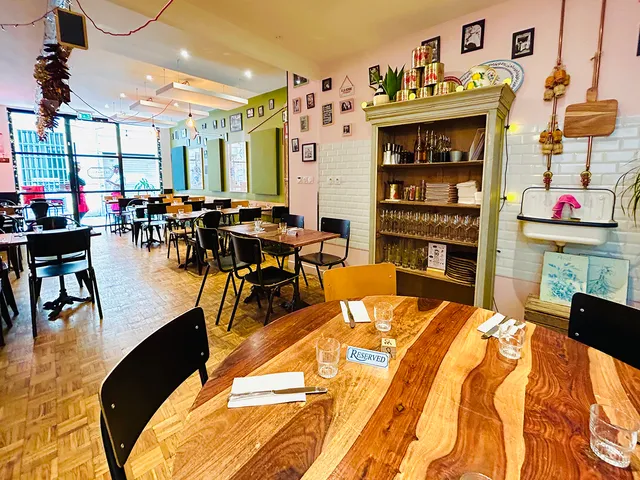
La Locanda Comptoir italien
4.6
(925)
Closed
Click for details
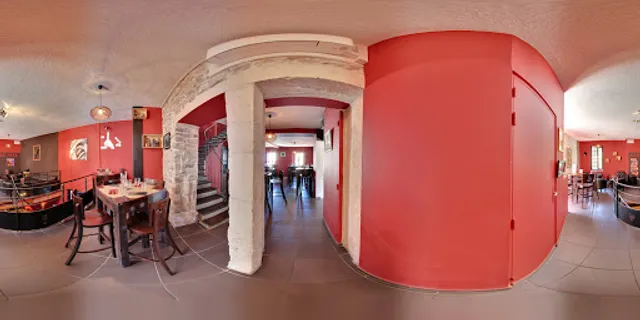
Carré Jazz
4.0
(535)
$$
Open until 1:00 AM
Click for details

Barjoe Nîmes
4.2
(732)
Open until 12:30 AM
Click for details
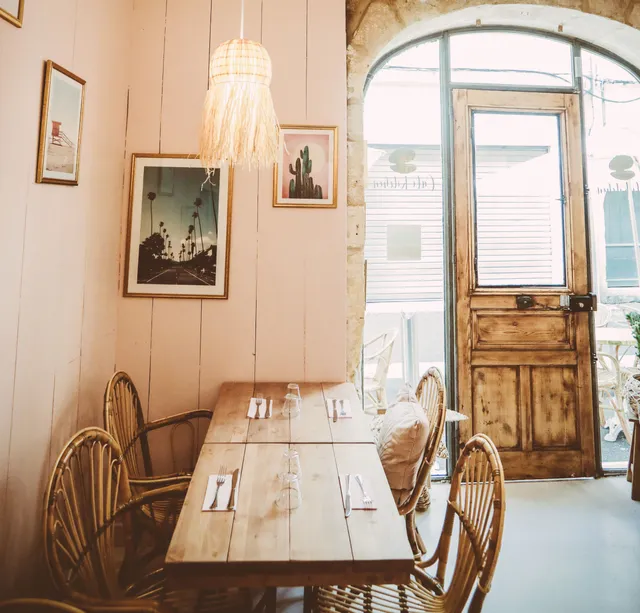
Cali Kitchen | Brunch Nîmes
4.8
(606)
$$
Open until 4:00 PM
Click for details
Nearby local services of Maison Carrée
BLACK NEEDLE Tattoo
Free
Boutique SFR Nimes Perrier
Doux Joaillier
Cécile Fusellier
La Coupole des Halles
Fnac
Zara
Nim'Tattoo
GALANTE L'appartement

BLACK NEEDLE Tattoo
5.0
(37)
Click for details

Free
4.0
(449)
Click for details

Boutique SFR Nimes Perrier
4.6
(569)
Click for details
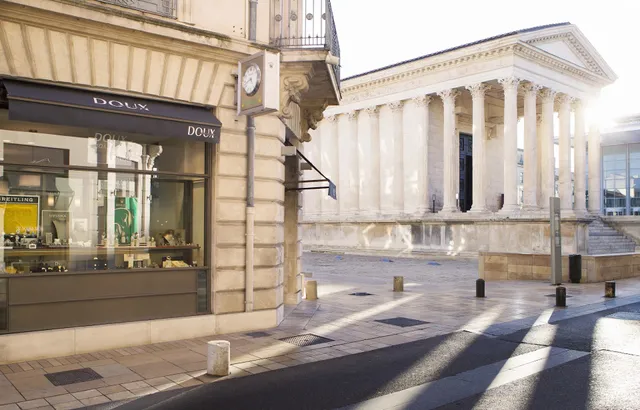
Doux Joaillier
4.6
(104)
Click for details