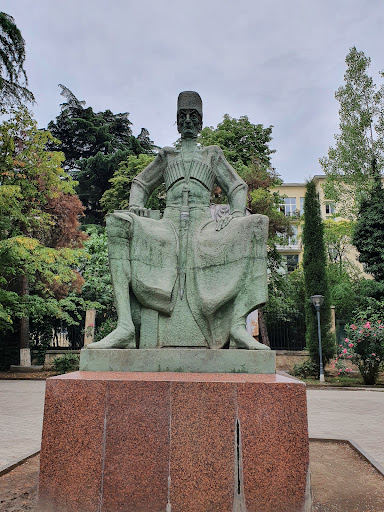
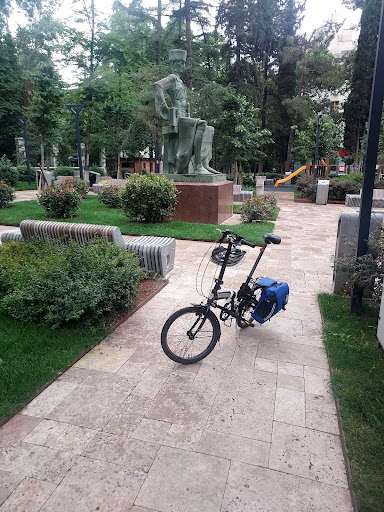
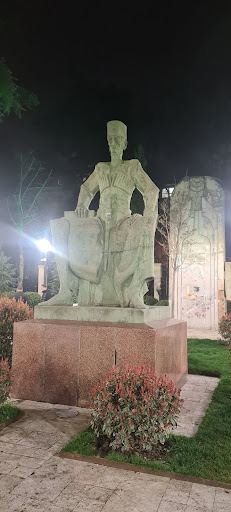
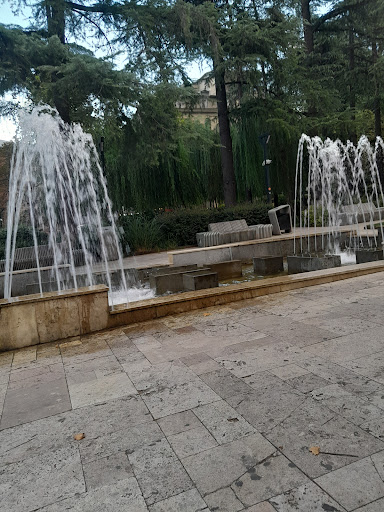
Konstantine Gamsakhurdia Monument things to do, attractions, restaurants, events info and trip planning
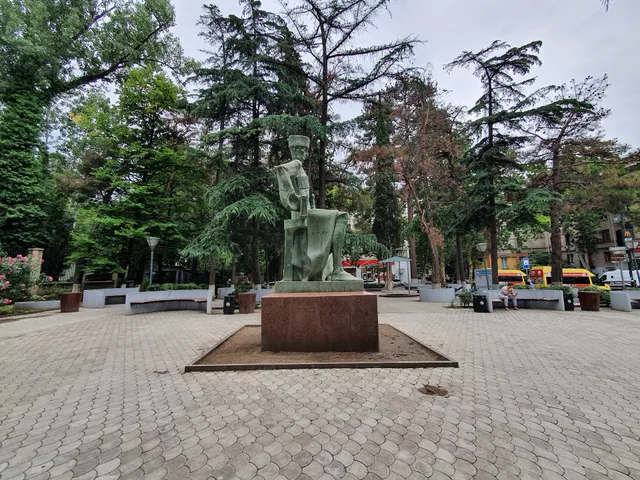
Basic Info
Konstantine Gamsakhurdia Monument
PQ59+7Q4, Zakaria Paliashvili Street, Tbilisi, Georgia
4.5(54)
Open until 12:00 AM
Save
spot
spot
Ratings & Description
Info
Cultural
Scenic
attractions: Mziuri Park, Wine Factory N1, restaurants: Lui Coffee, Chops By The River - Restaurant & Grill, Cafe Mziuri, Kikliko, Coffee LAB | Paliashvili Str, The LITTLE - specialty coffee house, Soup Kitchen, Le Marais, McDonald's, Luca Polare • ლუკა პოლარე, local businesses: N1 Steakhouse, Vintage Vault, Fire Wok Vake, VINTAGE STORE OVER LOVE, Bank of Georgia, Tbilisi Cable Car, Georgian Flavors, Jankhotely - Tattoo Gallery, Bank of Georgia Service Center, raise-vintage shop
 Learn more insights from Wanderboat AI.
Phone
+995 555 99 55 21
Open hoursSee all hours
TueOpen 24 hoursOpen
Plan your stay

Pet-friendly Hotels in Tbilisi
Find a cozy hotel nearby and make it a full experience.

Affordable Hotels in Tbilisi
Find a cozy hotel nearby and make it a full experience.

The Coolest Hotels You Haven't Heard Of (Yet)
Find a cozy hotel nearby and make it a full experience.

Trending Stays Worth the Hype in Tbilisi
Find a cozy hotel nearby and make it a full experience.
Reviews
Live events
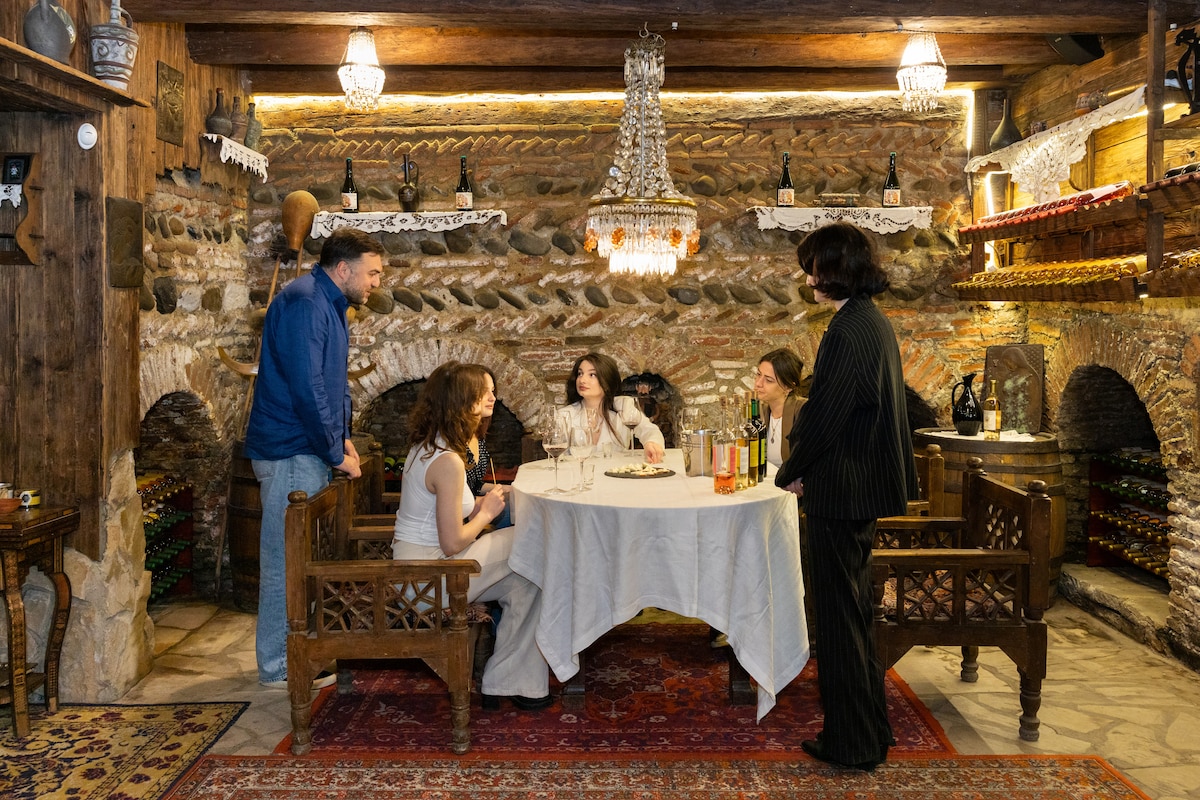
Wine tasting in historic cellar
Mon, Mar 2 • 9:00 PM
Tbilisi, 0105, Georgia
View details
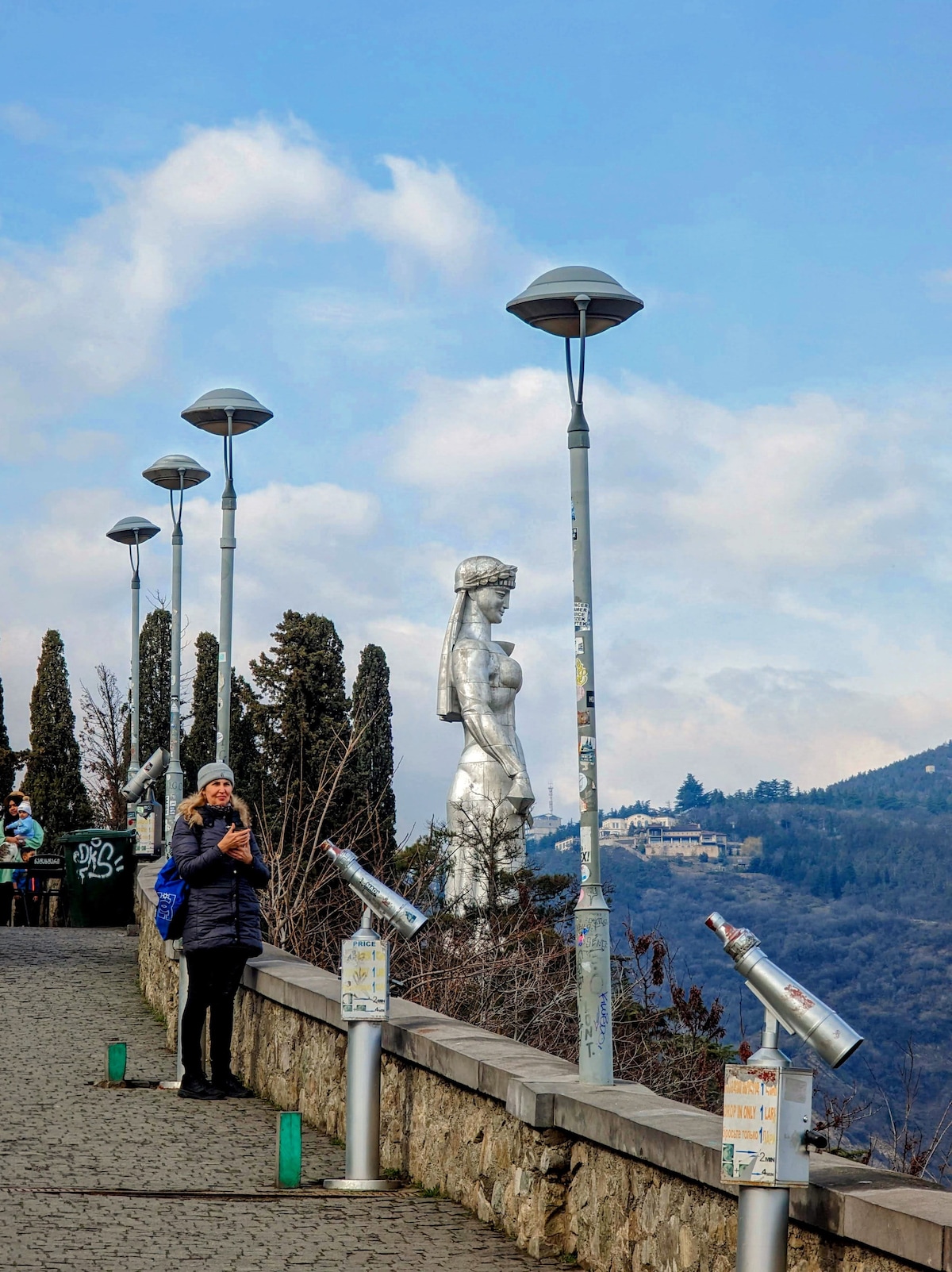
Walk Tbilisi Old Town with curated stops & stories
Wed, Feb 25 • 10:30 AM
Tbilisi, 1001, Georgia
View details
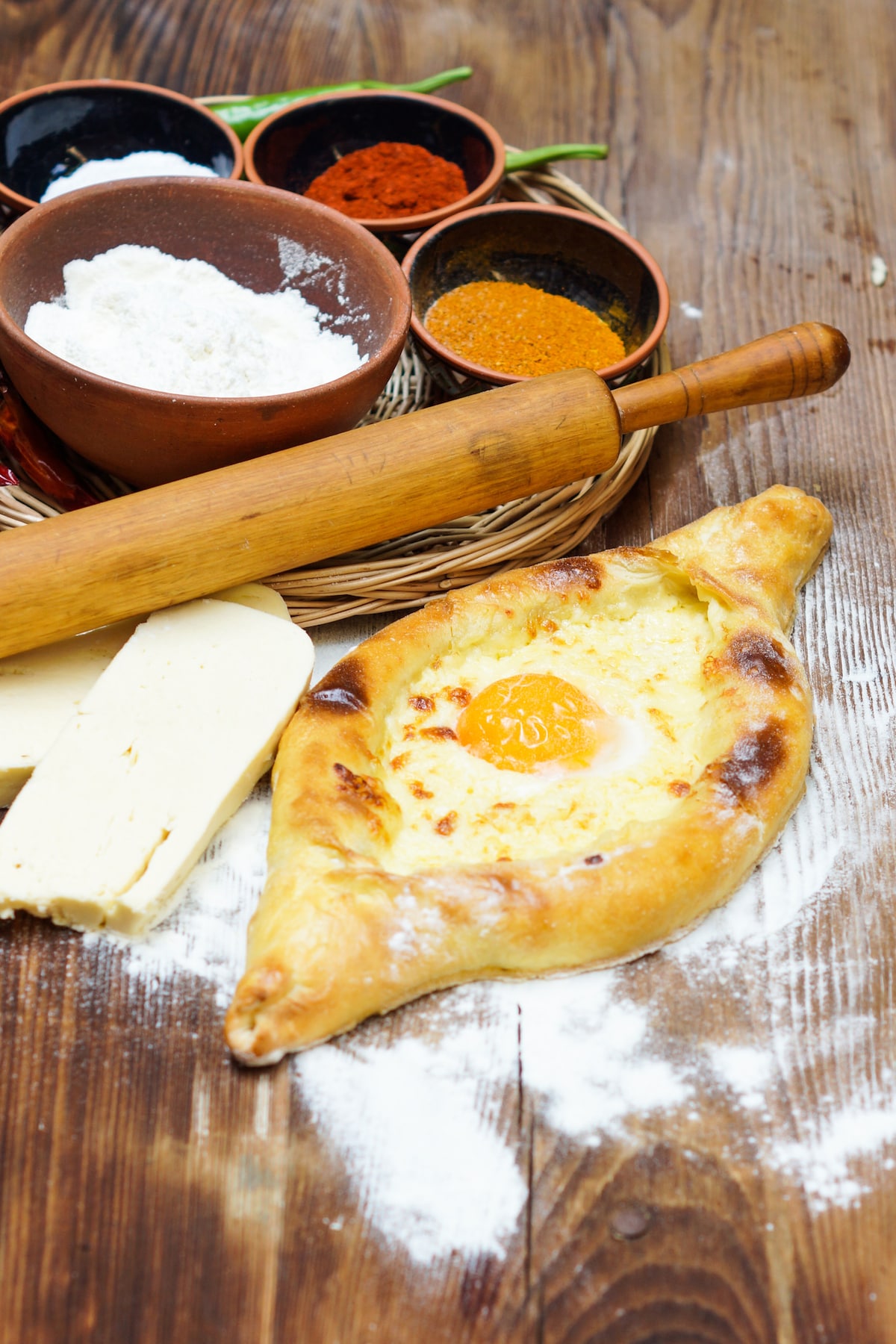
Learn Georgian grannys recipes
Thu, Feb 26 • 6:00 PM
Tbilisi, 0108, Georgia
View details
Nearby attractions of Konstantine Gamsakhurdia Monument
Mziuri Park
Wine Factory N1
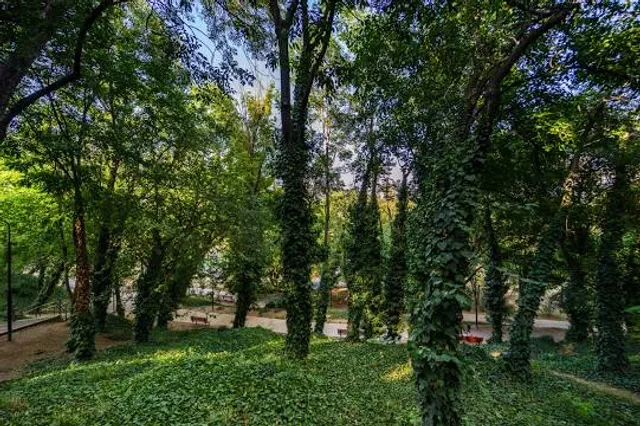
Mziuri Park
4.8
(1.9K)
Open until 12:00 AM
Click for details
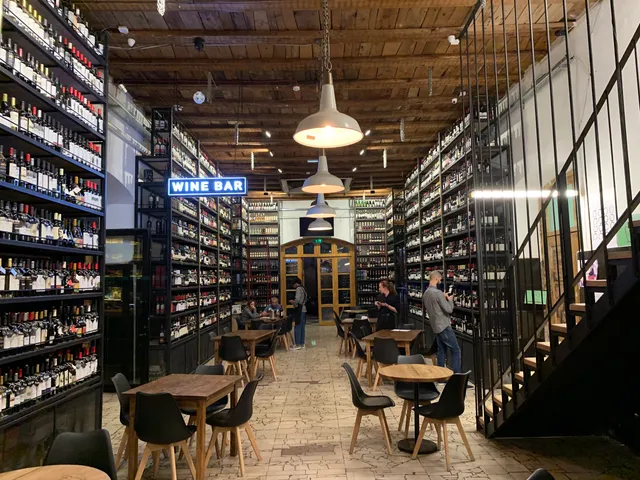
Wine Factory N1
4.6
(798)
Open until 2:00 AM
Click for details
Nearby restaurants of Konstantine Gamsakhurdia Monument
Lui Coffee
Chops By The River - Restaurant & Grill
Cafe Mziuri
Kikliko
Coffee LAB | Paliashvili Str
The LITTLE - specialty coffee house
Soup Kitchen
Le Marais
McDonald's
Luca Polare • ლუკა პოლარე
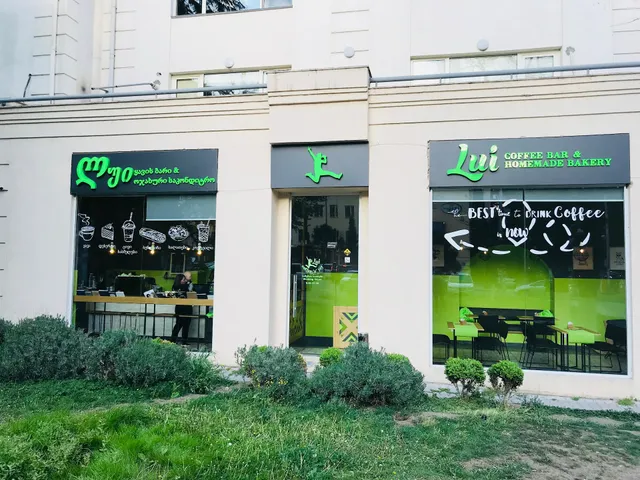
Lui Coffee
4.7
(1.7K)
Open until 12:00 AM
Click for details

Chops By The River - Restaurant & Grill
4.2
(140)
Open until 12:00 AM
Click for details
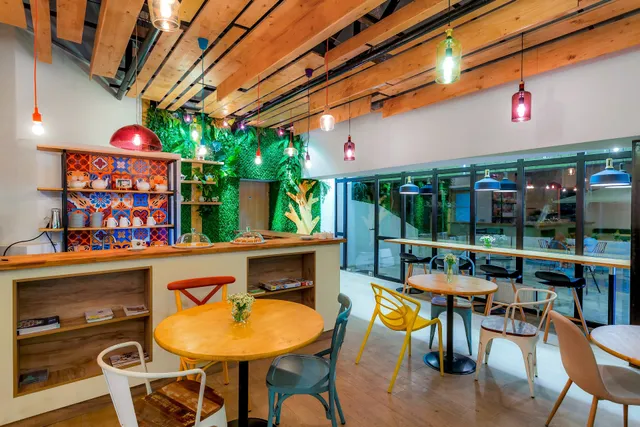
Cafe Mziuri
4.5
(883)
Open until 10:00 PM
Click for details
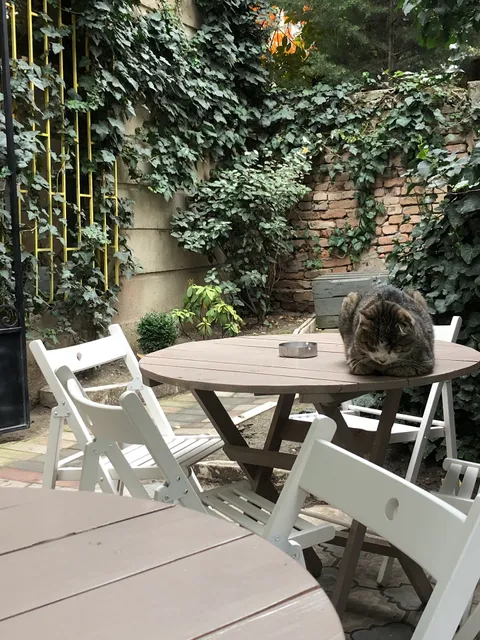
Kikliko
4.4
(341)
Closed
Click for details
Nearby local services of Konstantine Gamsakhurdia Monument
N1 Steakhouse
Vintage Vault
Fire Wok Vake
VINTAGE STORE OVER LOVE
Bank of Georgia
Tbilisi Cable Car
Georgian Flavors
Jankhotely - Tattoo Gallery
Bank of Georgia Service Center
raise-vintage shop
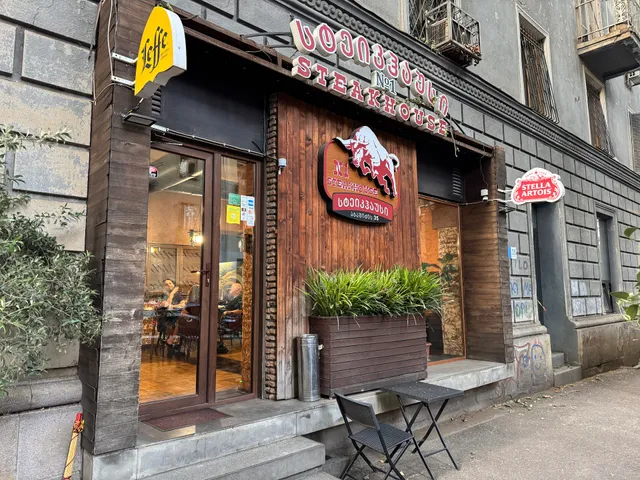
N1 Steakhouse
4.4
(392)
Click for details
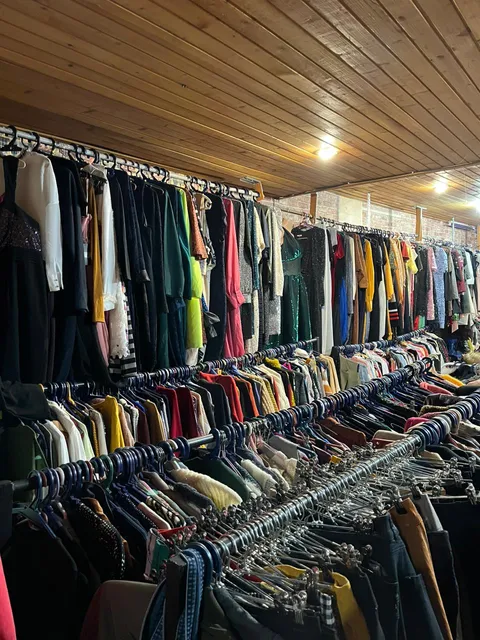
Vintage Vault
4.6
(20)
Click for details
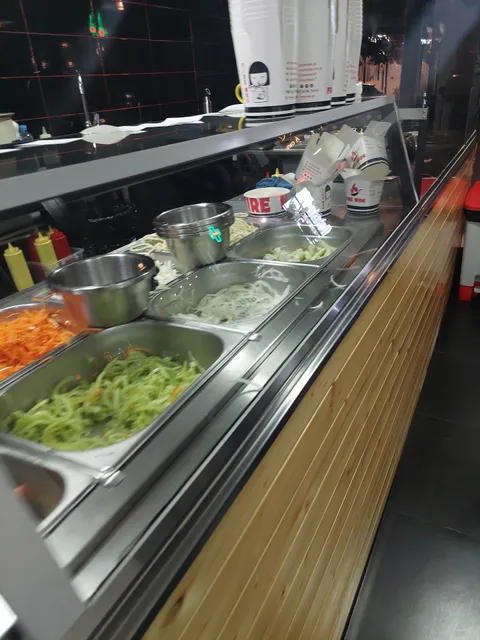
Fire Wok Vake
4.1
(94)
Click for details
VINTAGE STORE OVER LOVE
5.0
(19)
Click for details