Bachhaus Eisenach things to do, attractions, restaurants, events info and trip planning
Basic Info
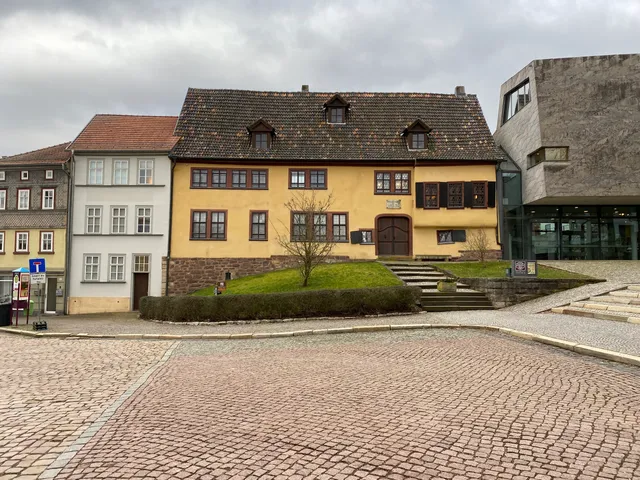
Bachhaus Eisenach
Frauenplan 21, 99817 Eisenach, Germany
4.6(1.1K)
Closed

tickets
Save
spot
spot
Ratings & Description
Info
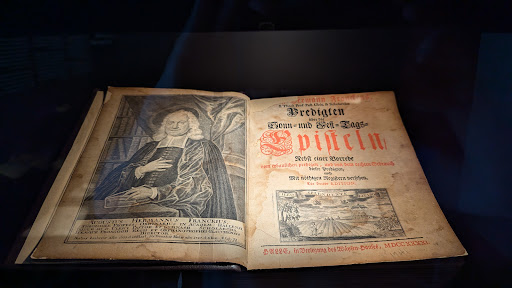
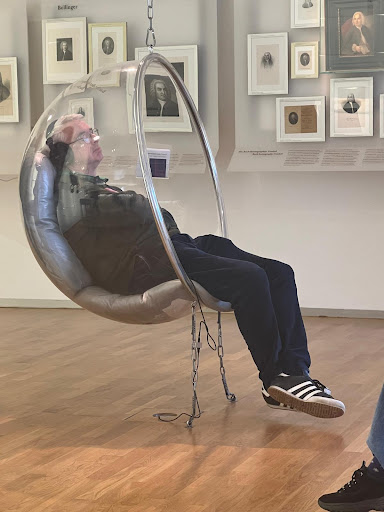
The Bach House in Eisenach, Thuringia, Germany, is a museum dedicated to the composer Johann Sebastian Bach who was born in the city. On its 600 m² it displays around 250 original exhibits, among them a Bach music autograph.
Cultural
Accessibility
attractions: Lutherhaus Eisenach, St George's Church, Stadtschloss Eisenach, St Nicholas's Church, Nicholas Gate, restaurants: B-A-C-H Restaurant, Trattoria La Grappa, Confectionery & Cafe Brüheim, Eiscafé und Bistro C’est la Vie, Da Vinci, Eskinivvach Burger Eisenach, La Cuchilla, Restaurant Café Süße Ecke - italienische Spezialitäten, Café Toccata, Griechisches Restaurant Mythos Eisenach, local businesses: Douglas Eisenach, Great Dragonstone
 Learn more insights from Wanderboat AI.
Phone
+49 3691 79340
Website
bachhaus.de
Open hoursSee all hours
Wed10 AM - 6 PMClosed
Plan your stay

Pet-friendly Hotels in Eisenach
Find a cozy hotel nearby and make it a full experience.

Affordable Hotels in Eisenach
Find a cozy hotel nearby and make it a full experience.

The Coolest Hotels You Haven't Heard Of (Yet)
Find a cozy hotel nearby and make it a full experience.

Trending Stays Worth the Hype in Eisenach
Find a cozy hotel nearby and make it a full experience.
Reviews
Nearby attractions of Bachhaus Eisenach
Lutherhaus Eisenach
St George's Church
Stadtschloss Eisenach
St Nicholas's Church
Nicholas Gate
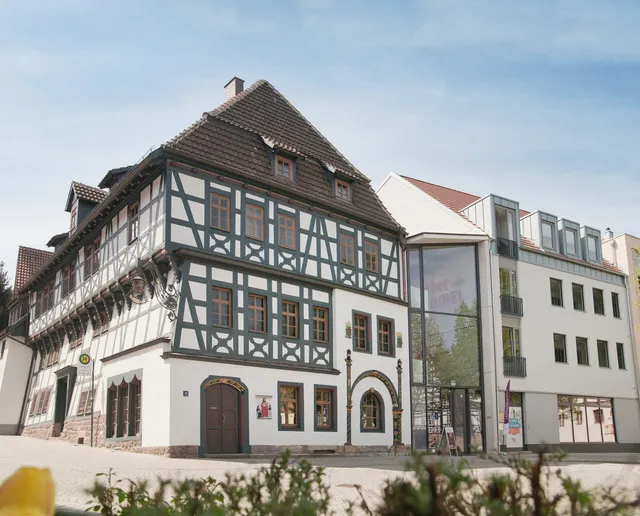
Lutherhaus Eisenach
4.5
(606)
Closed
Click for details
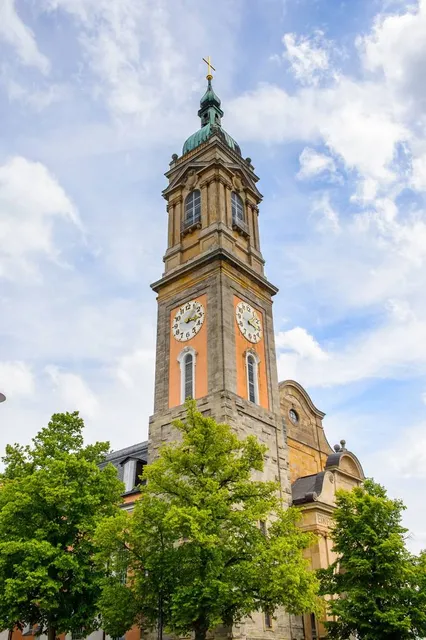
St George's Church
4.4
(340)
Closed
Click for details
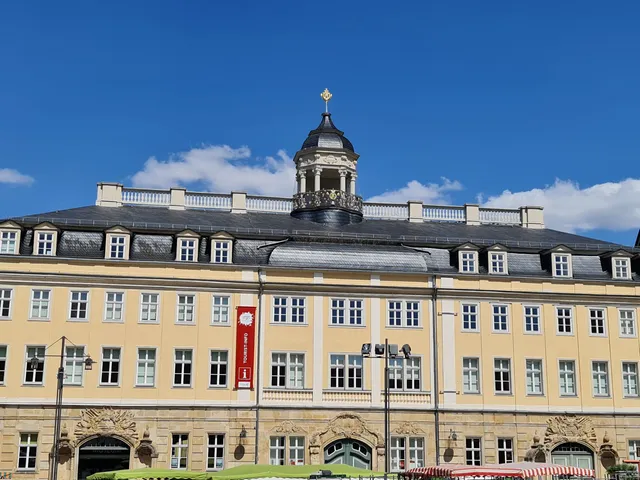
Stadtschloss Eisenach
4.5
(26)
Open until 12:00 AM
Click for details

St Nicholas's Church
4.4
(86)
Closed
Click for details
Nearby restaurants of Bachhaus Eisenach
B-A-C-H Restaurant
Trattoria La Grappa
Confectionery & Cafe Brüheim
Eiscafé und Bistro C’est la Vie
Da Vinci
Eskinivvach Burger Eisenach
La Cuchilla
Restaurant Café Süße Ecke - italienische Spezialitäten
Café Toccata
Griechisches Restaurant Mythos Eisenach
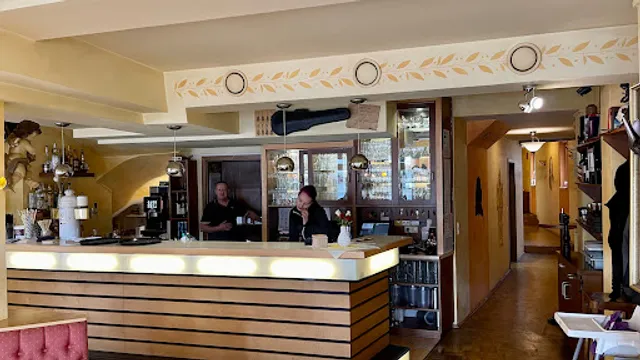
B-A-C-H Restaurant
4.4
(390)
Closed
Click for details
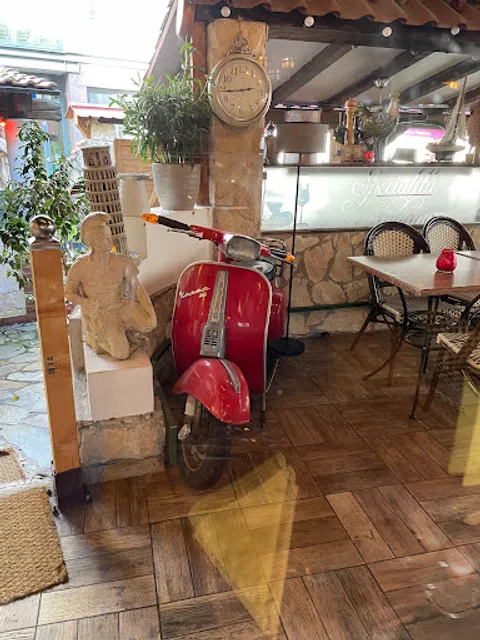
Trattoria La Grappa
4.7
(618)
Closed
Click for details
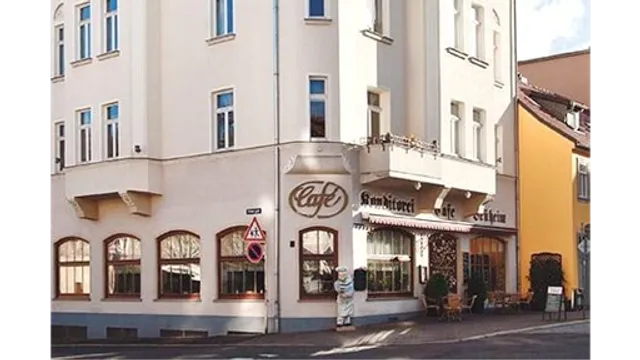
Confectionery & Cafe Brüheim
4.3
(257)
$$
Closed
Click for details
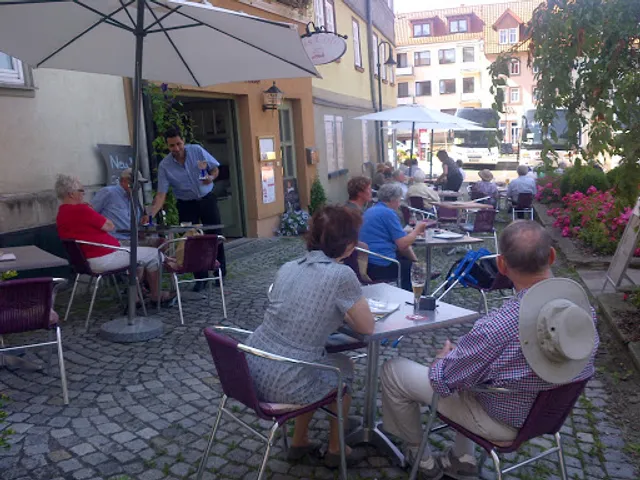
Eiscafé und Bistro C’est la Vie
4.5
(82)
Closed
Click for details
Nearby local services of Bachhaus Eisenach
Douglas Eisenach
Great Dragonstone
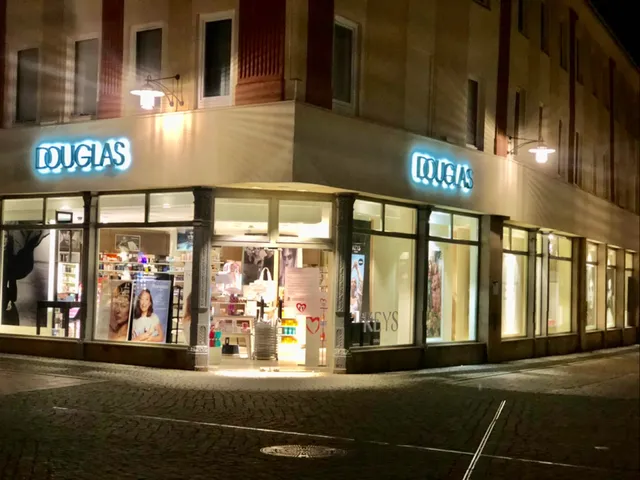
Douglas Eisenach
4.2
(141)
Click for details
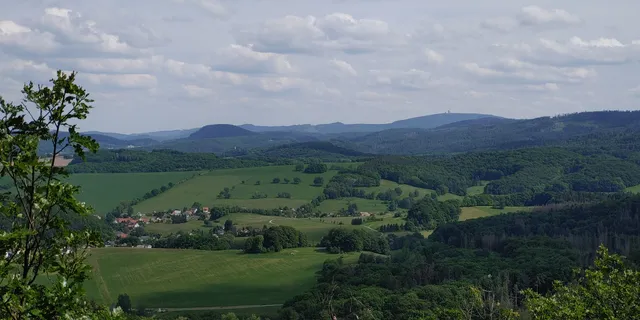
Great Dragonstone
4.8
(134)
Click for details