Old Bridge Heidelberg things to do, attractions, restaurants, events info and trip planning
Basic Info
Old Bridge Heidelberg
Alte Brücke, 69117 Heidelberg, Germany
4.8(7.2K)
Open until 12:00 AM
Save
spot
spot
Ratings & Description
Info
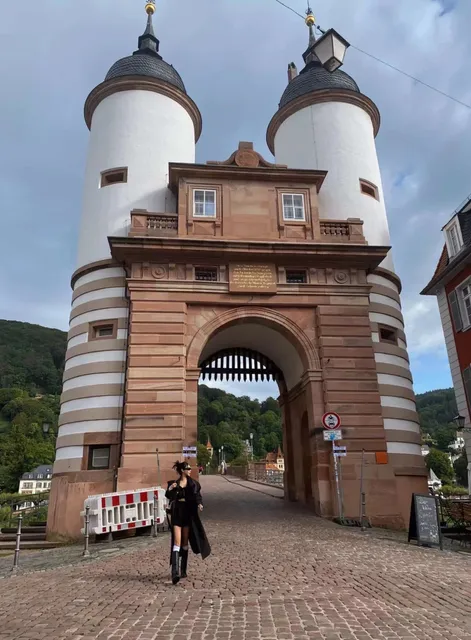
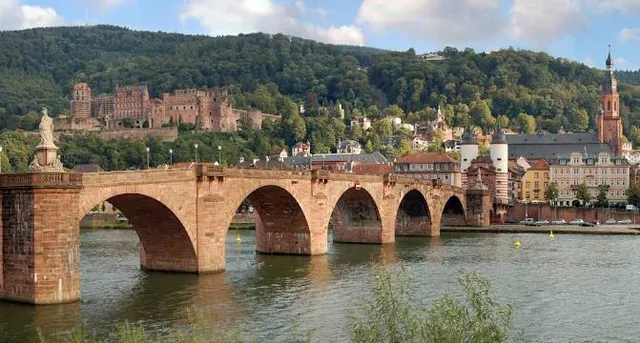
The Karl Theodor Bridge, commonly known as the Old Bridge, is an arch bridge in Heidelberg that crosses the Neckar river. It connects the Old City with the eastern part of the Neuenheim district of the city on the opposite bank.
Cultural
Outdoor
Family friendly
attractions: Brückenaffe, Heidelberger Marktplatz, Church of the Holy Spirit, Philosophers' Way, President Friedrich Ebert Memorial, Karlsplatz, Studentenkarzer, Jesuitenkirche, Museum House Cajeth, Heidelberg University, restaurants: Vetter's Alt Heidelberger Brauhaus, Earth Bowls, Der kleine Spanier, Cocodec, Hotel Schnookeloch, Hotel-Restaurant Hackteufel Heidelberg, Restaurant ON, Asia Heidelberg - Freunde der Sichuan Küche, Tavern Spreisel, Wirtshaus zum Nepomuk, local businesses: Lindt Boutique Heidelberg, Heidelberger Studentenkuss, Yufkas Kebap, Gloria / Gloriette, Souvenir from Heidelberg, Käthe Wohlfahrt Heidelberg, Bären-Treff Heidelberg, Waffelhaus Heidelberg, Close Up GmbH, Andenken&Mitbringsel -Authentic Souvenirs Heidelberg
 Learn more insights from Wanderboat AI.
Phone
+49 6221 5844444
Open hoursSee all hours
ThuOpen 24 hoursOpen
Plan your stay

Pet-friendly Hotels in Heidelberg
Find a cozy hotel nearby and make it a full experience.

Affordable Hotels in Heidelberg
Find a cozy hotel nearby and make it a full experience.

The Coolest Hotels You Haven't Heard Of (Yet)
Find a cozy hotel nearby and make it a full experience.

Trending Stays Worth the Hype in Heidelberg
Find a cozy hotel nearby and make it a full experience.
Reviews
Live events

Candlelight: Tribut an Hans Zimmer
Sat, Feb 28 • 6:30 PM
Stephan-Cosacchi-Platz 5, Frankenthal, 67227
View details

PROJEKTIL presents INFINITY – Kosmisches Staunen erleben
Thu, Feb 26 • 6:45 PM
Hauptstraße 189, Heidelberg, 69117
View details
Nearby attractions of Old Bridge Heidelberg
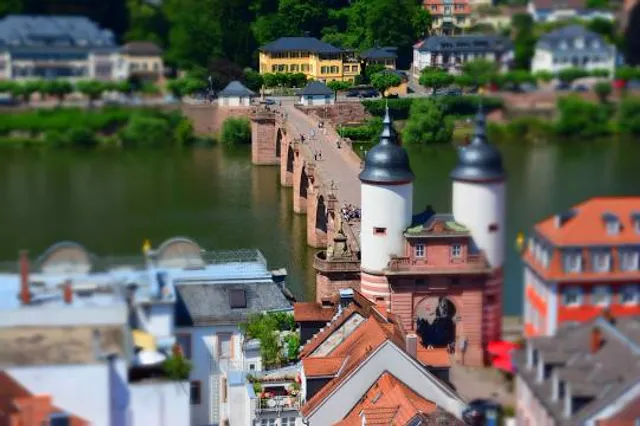
Brückenaffe
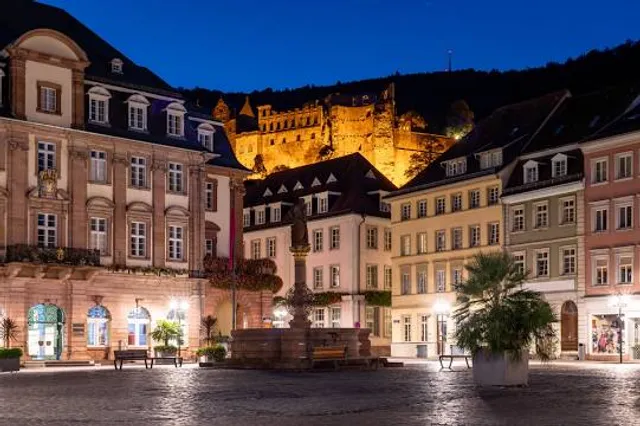
Heidelberger Marktplatz
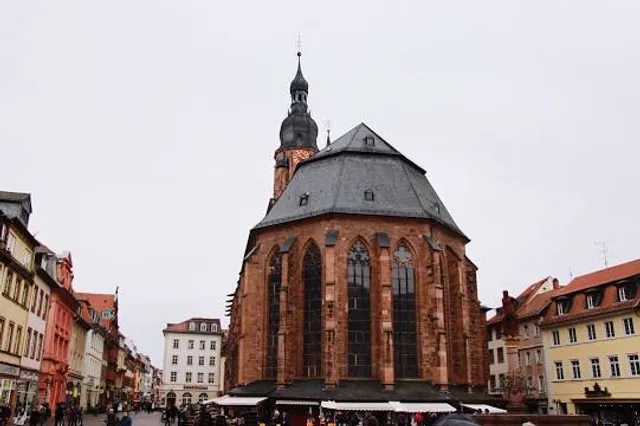
Church of the Holy Spirit
Philosophers' Way
President Friedrich Ebert Memorial
Karlsplatz
Studentenkarzer
Jesuitenkirche
Museum House Cajeth
Heidelberg University
Brückenaffe
4.6
(852)
Open until 12:00 AM
Click for details
Heidelberger Marktplatz
4.6
(3.7K)
Open until 12:00 AM
Click for details
Church of the Holy Spirit
4.5
(1.1K)
Closed
Click for details
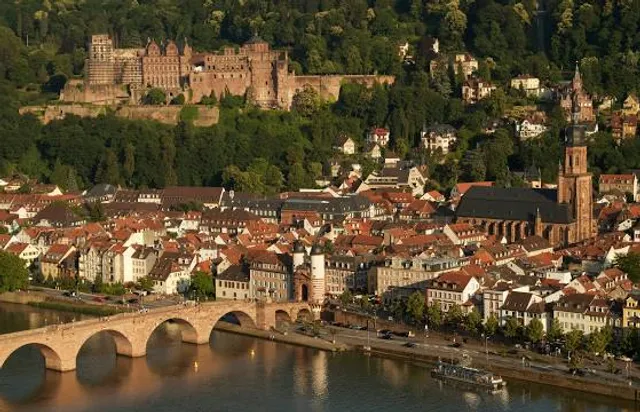
Philosophers' Way
4.7
(875)
Open until 12:00 AM
Click for details
Nearby restaurants of Old Bridge Heidelberg
Vetter's Alt Heidelberger Brauhaus
Earth Bowls
Der kleine Spanier
Cocodec
Hotel Schnookeloch
Hotel-Restaurant Hackteufel Heidelberg
Restaurant ON
Asia Heidelberg - Freunde der Sichuan Küche
Tavern Spreisel
Wirtshaus zum Nepomuk
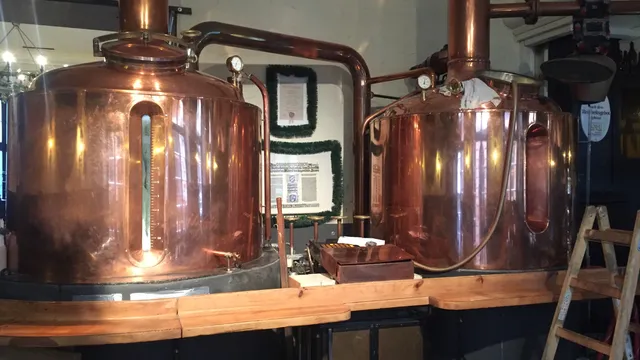
Vetter's Alt Heidelberger Brauhaus
4.6
(2.5K)
Closed
Click for details
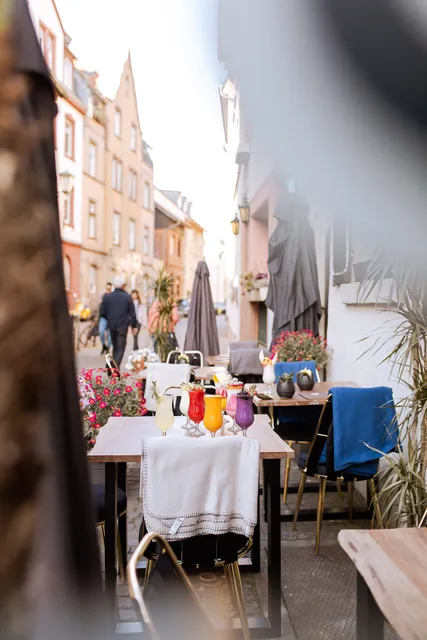
Earth Bowls
4.5
(522)
Click for details
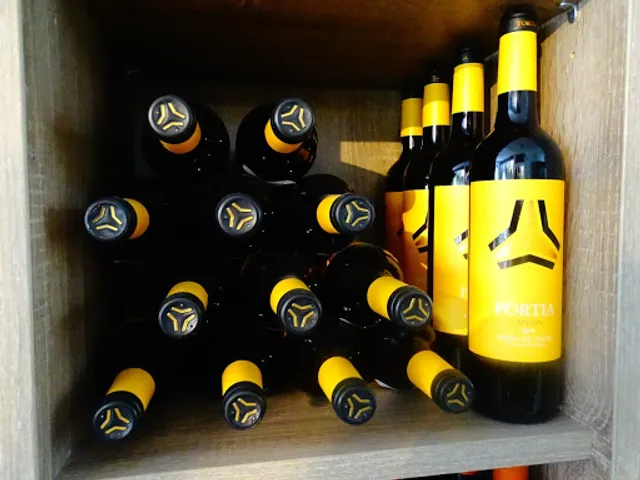
Der kleine Spanier
4.3
(340)
Open until 12:00 AM
Click for details
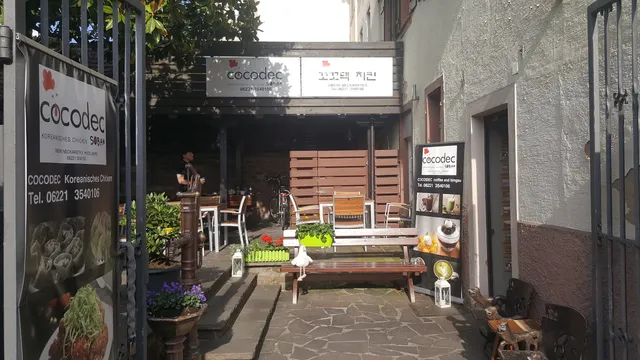
Cocodec
4.1
(453)
Closed
Click for details
Nearby local services of Old Bridge Heidelberg
Lindt Boutique Heidelberg
Heidelberger Studentenkuss
Yufkas Kebap
Gloria / Gloriette
Souvenir from Heidelberg
Käthe Wohlfahrt Heidelberg
Bären-Treff Heidelberg
Waffelhaus Heidelberg
Close Up GmbH
Andenken&Mitbringsel -Authentic Souvenirs Heidelberg
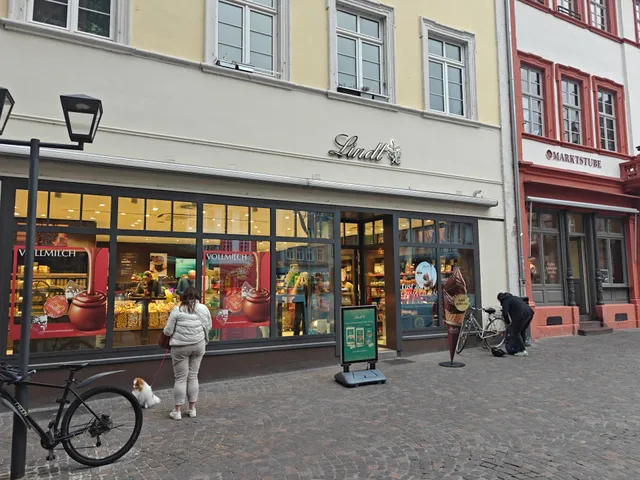
Lindt Boutique Heidelberg
4.6
(284)
Click for details
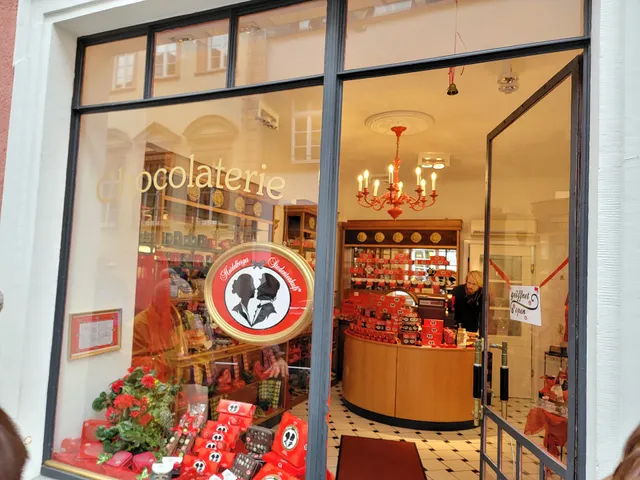
Heidelberger Studentenkuss
4.3
(175)
Click for details
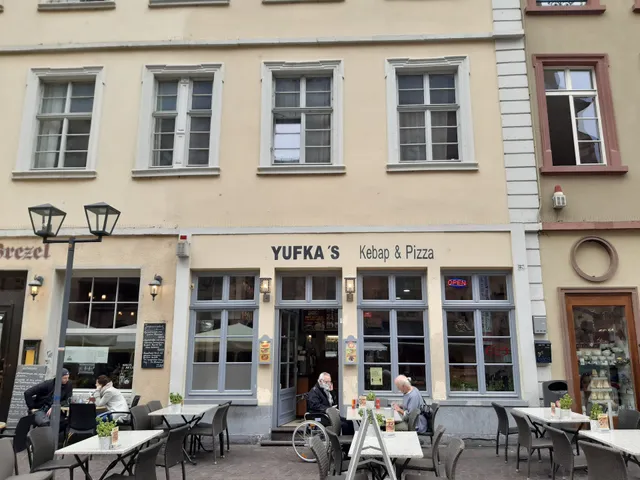
Yufkas Kebap
4.4
(369)
Click for details
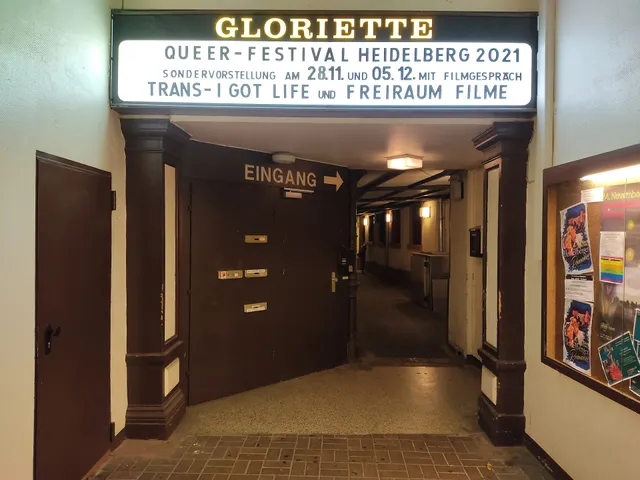
Gloria / Gloriette
4.6
(273)
Click for details