Roman Baths things to do, attractions, restaurants, events info and trip planning
Basic Info
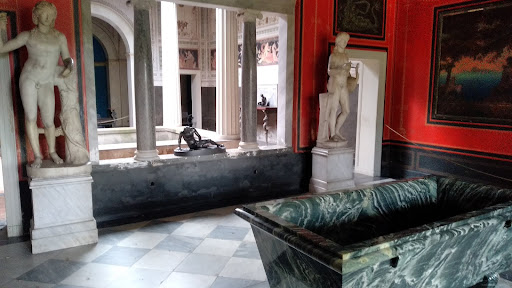
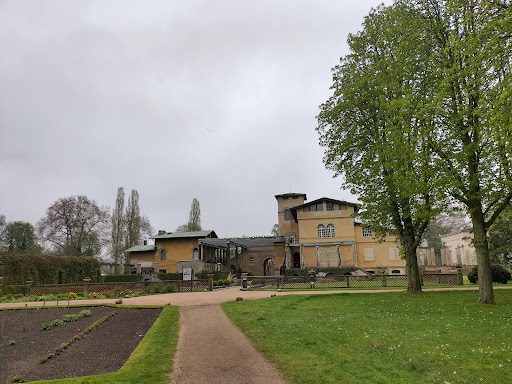
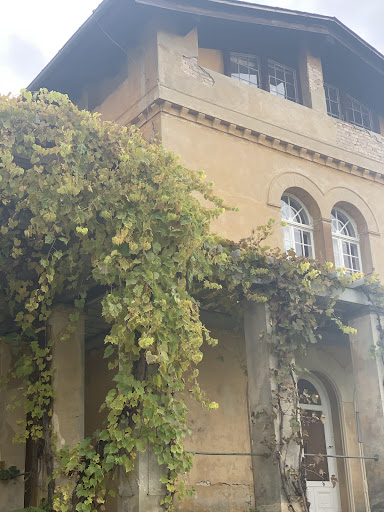
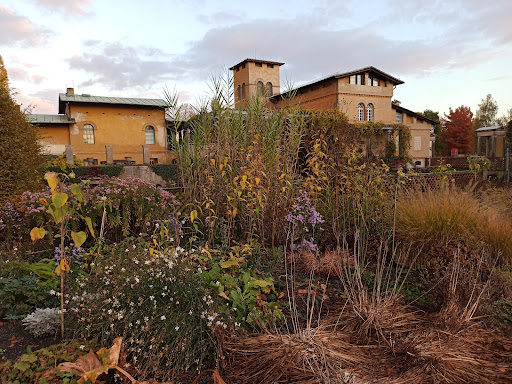
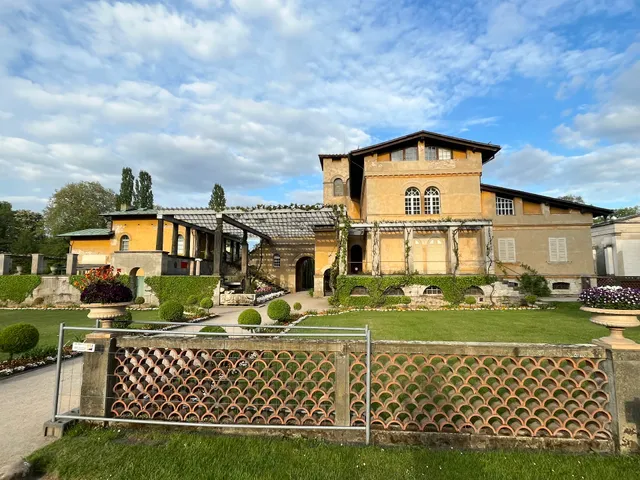
Roman Baths
Park Sanssouci, 14471 Potsdam, Germany
4.4(277)
Open 24 hours
Save
spot
spot
Ratings & Description
Info
Cultural
Outdoor
Scenic
Family friendly
attractions: Charlottenhof Palace, Chinese House in Sanssouci Park, Sanssouci Park, Orangery Palace, Schlosspark Sanssouci, Temple of Friendship, Historic Mill of Sanssouci, New Chambers, Botanical Garden of the University of Potsdam, New Palace, restaurants: Café Eden (April bis Oktober), Bill's Kitchen, Govindas Higher Taste, Mrs. Pham, Pizzeria AVANTI Lieferservice, Waschbar, LOKAL Potsdam, Zeppelin - Sportsbar & Pub, Trattoria I Fratelli, Müseler's Brotladen, local businesses: Zeppelinstraße 152, Antique Temple
 Learn more insights from Wanderboat AI.
Phone
+49 331 9694200
Website
spsg.de
Plan your stay

Pet-friendly Hotels in Potsdam
Find a cozy hotel nearby and make it a full experience.

Affordable Hotels in Potsdam
Find a cozy hotel nearby and make it a full experience.

The Coolest Hotels You Haven't Heard Of (Yet)
Find a cozy hotel nearby and make it a full experience.

Trending Stays Worth the Hype in Potsdam
Find a cozy hotel nearby and make it a full experience.
Reviews
Live events
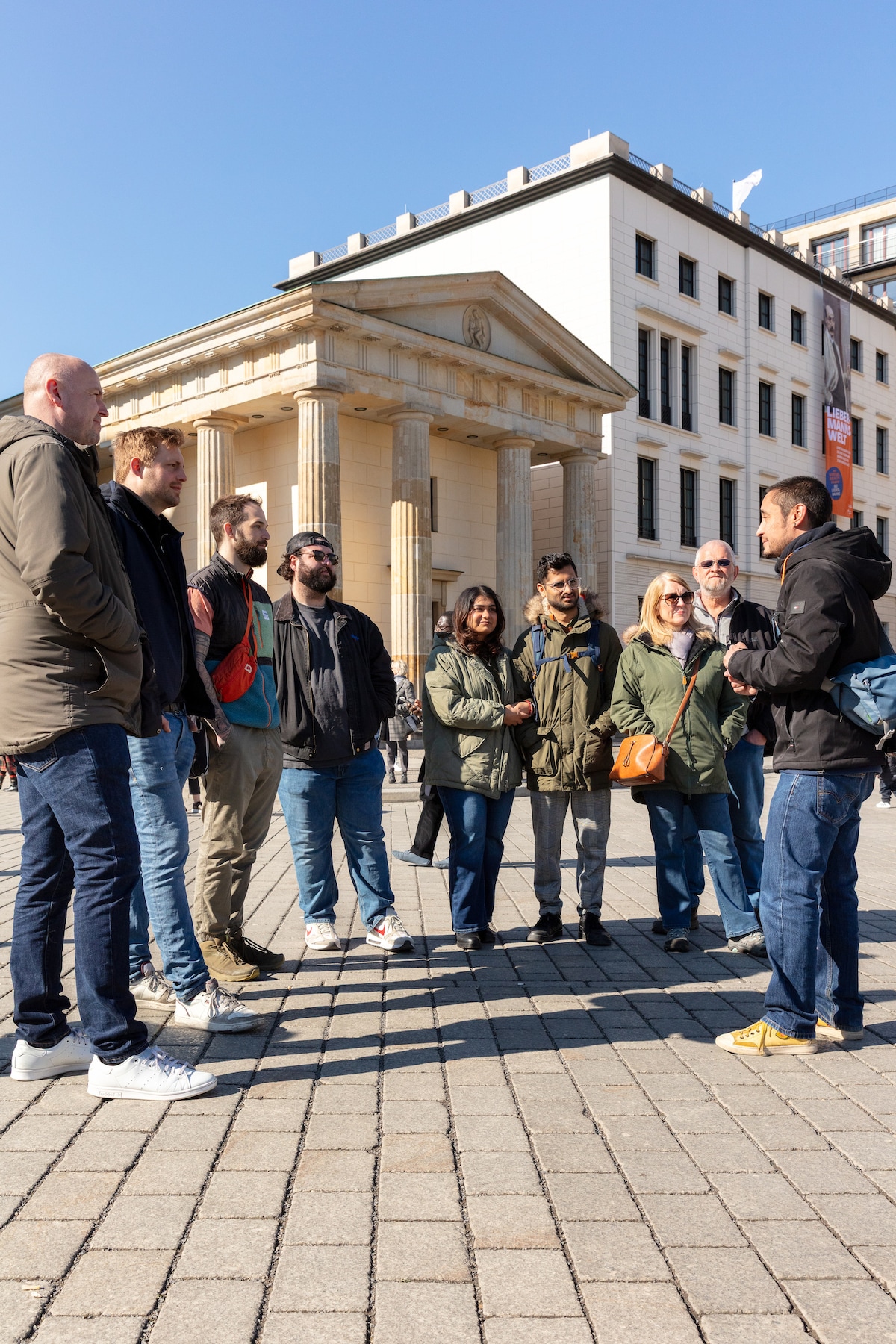
Rude Bastards Tour of® Berlin
Wed, Feb 25 • 12:00 PM
10785, Berlin, Germany
View details
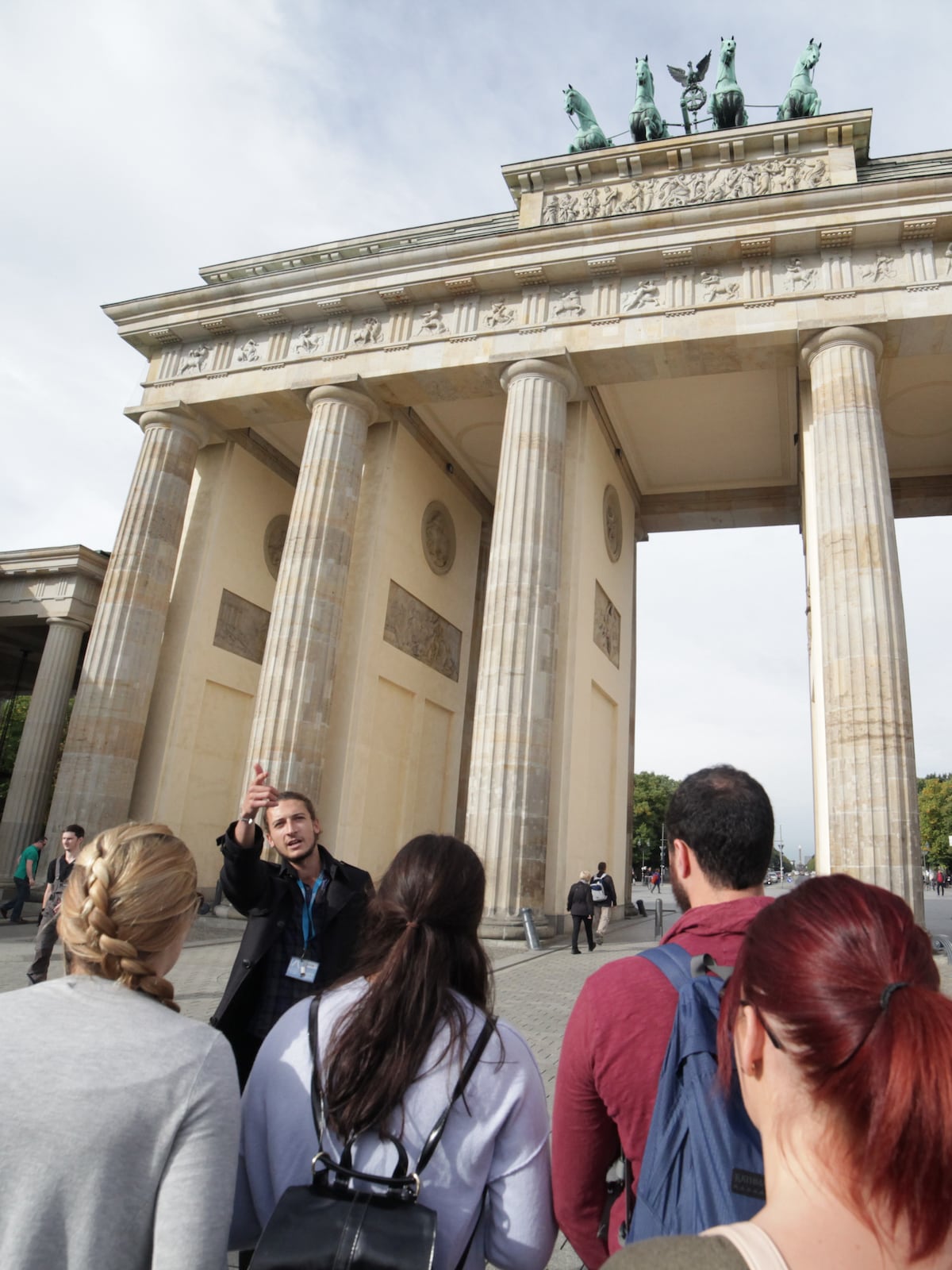
Discover Berlin - Main Sights Tour in English
Wed, Feb 25 • 10:30 AM
10178, Berlin, Germany
View details

Machu Picchu: Reise zur verlorenen Stadt
Thu, Feb 26 • 10:00 AM
Kant-Garagen, Kantstraße 127, Berlin, 10625
View details
Nearby attractions of Roman Baths
Charlottenhof Palace
Chinese House in Sanssouci Park
Sanssouci Park
Orangery Palace
Schlosspark Sanssouci
Temple of Friendship
Historic Mill of Sanssouci
New Chambers
Botanical Garden of the University of Potsdam
New Palace
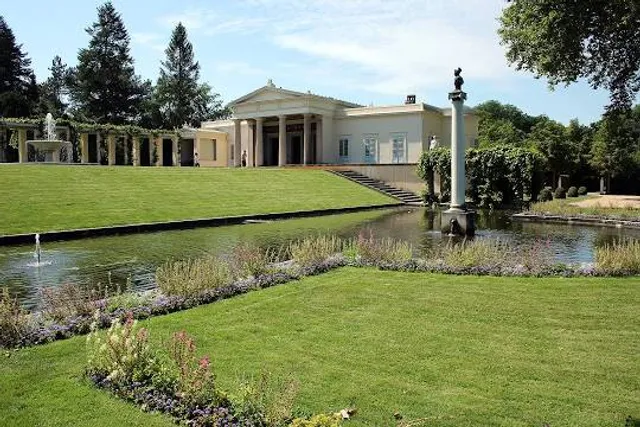
Charlottenhof Palace
4.5
(487)
Open 24 hours
Click for details
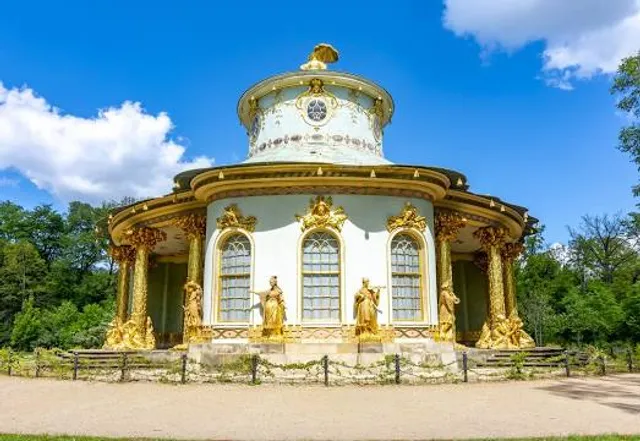
Chinese House in Sanssouci Park
4.5
(1.6K)
Open 24 hours
Click for details
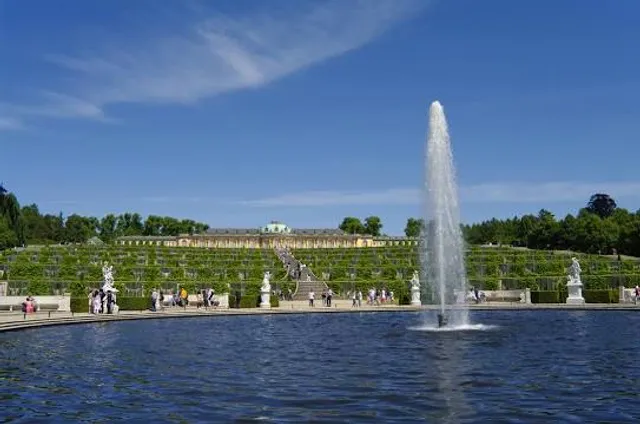
Sanssouci Park
4.7
(13.7K)
Open 24 hours
Click for details

Orangery Palace
4.7
(1.1K)
Open 24 hours
Click for details
Nearby restaurants of Roman Baths
Café Eden (April bis Oktober)
Bill's Kitchen
Govindas Higher Taste
Mrs. Pham
Pizzeria AVANTI Lieferservice
Waschbar
LOKAL Potsdam
Zeppelin - Sportsbar & Pub
Trattoria I Fratelli
Müseler's Brotladen
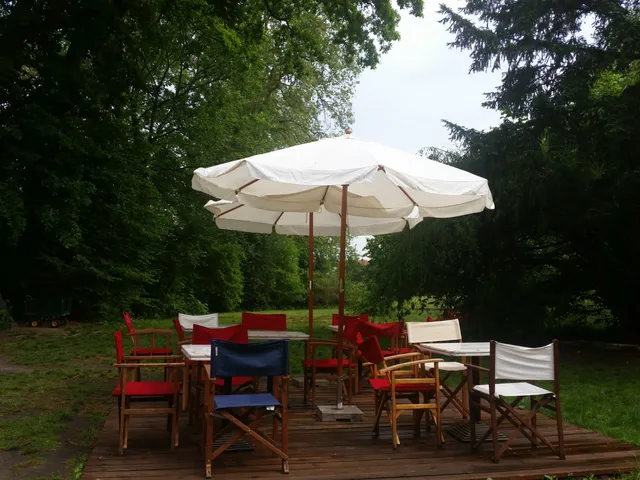
Café Eden (April bis Oktober)
4.2
(149)
$$
Click for details
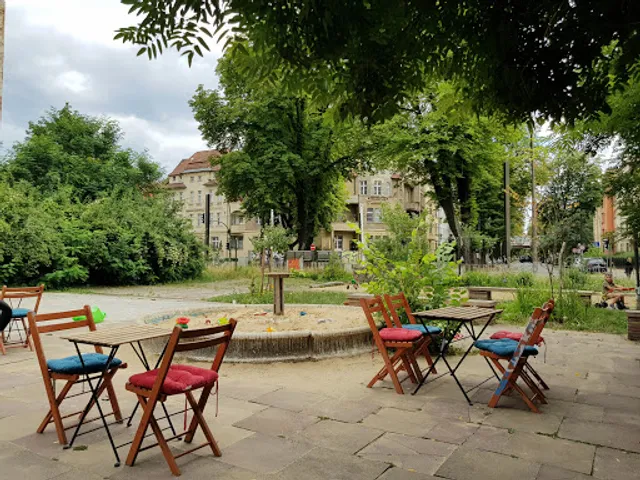
Bill's Kitchen
4.8
(120)
Click for details
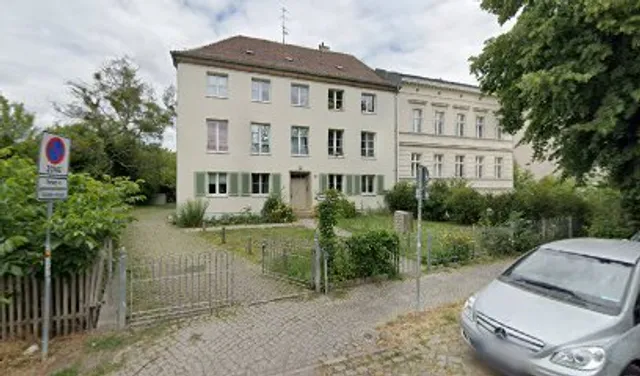
Govindas Higher Taste
4.8
(5)
Open until 5:00 PM
Click for details
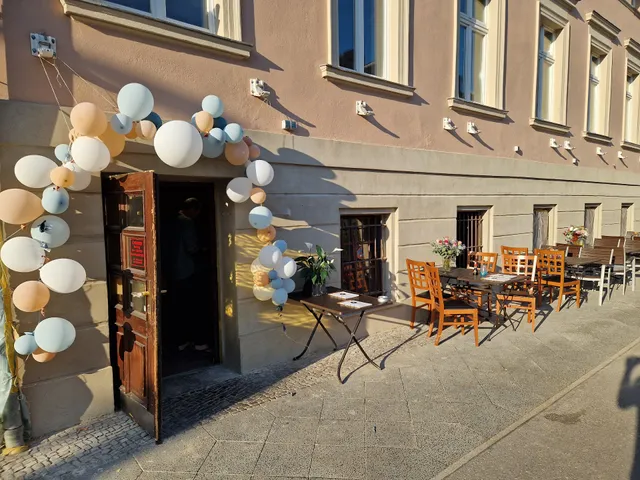
Mrs. Pham
4.9
(259)
Open until 9:30 PM
Click for details
Nearby local services of Roman Baths
Zeppelinstraße 152
Antique Temple

Zeppelinstraße 152
4.5
(812)
Click for details

Antique Temple
4.3
(29)
Click for details