W.E.B Du Bois Memorial Centre for Panafrican Culture - Ghana. things to do, attractions, restaurants, events info and trip planning
Basic Info
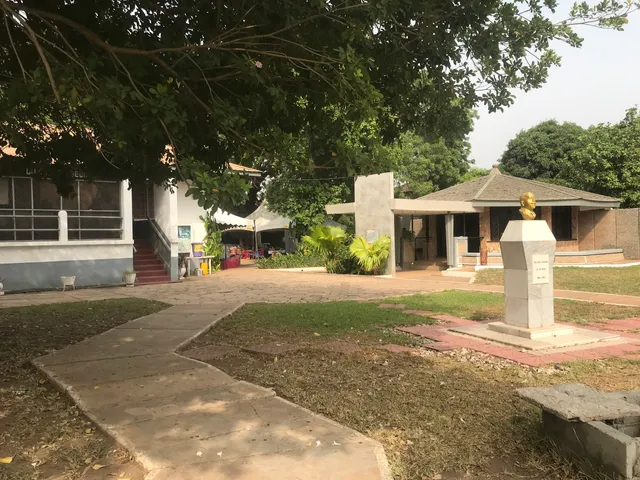
W.E.B Du Bois Memorial Centre for Panafrican Culture - Ghana.
Fifth Link Rd, Accra, Ghana
4.3(1.3K)
Closed
Save
spot
spot
Ratings & Description
Info
W. E. B. Du Bois Memorial Centre for Pan-African Culture is a memorial place, a research facility and tourist attraction in the Cantonments area of Accra, Ghana, that was opened to the public in 1985. It is named in dedication to W. E. B.
Cultural
Accessibility
attractions: W.E.B. DuBois Centre in Accra, restaurants: Roots Flavour Bar and Restaurant, Shogun, Canoe BeachSushi Grill Bar, Rockefellas Sushi-Korean-Continental Restaurant, STARBITES X, Indulge Accra, Capitol Cafe & Restaurant, Arirang restaurant Korean Dining, Nguni Bar & Grill, Smoke 'n' Barrel, local businesses: Bok Nam Kim Golf Course
 Learn more insights from Wanderboat AI.
Phone
+233 30 277 6502
Website
ghana-net.com
Open hoursSee all hours
Thu9 a.m. - 4 p.m.Closed
Plan your stay

Pet-friendly Hotels in Accra
Find a cozy hotel nearby and make it a full experience.

Affordable Hotels in Accra
Find a cozy hotel nearby and make it a full experience.

The Coolest Hotels You Haven't Heard Of (Yet)
Find a cozy hotel nearby and make it a full experience.

Trending Stays Worth the Hype in Accra
Find a cozy hotel nearby and make it a full experience.
Reviews
Live events
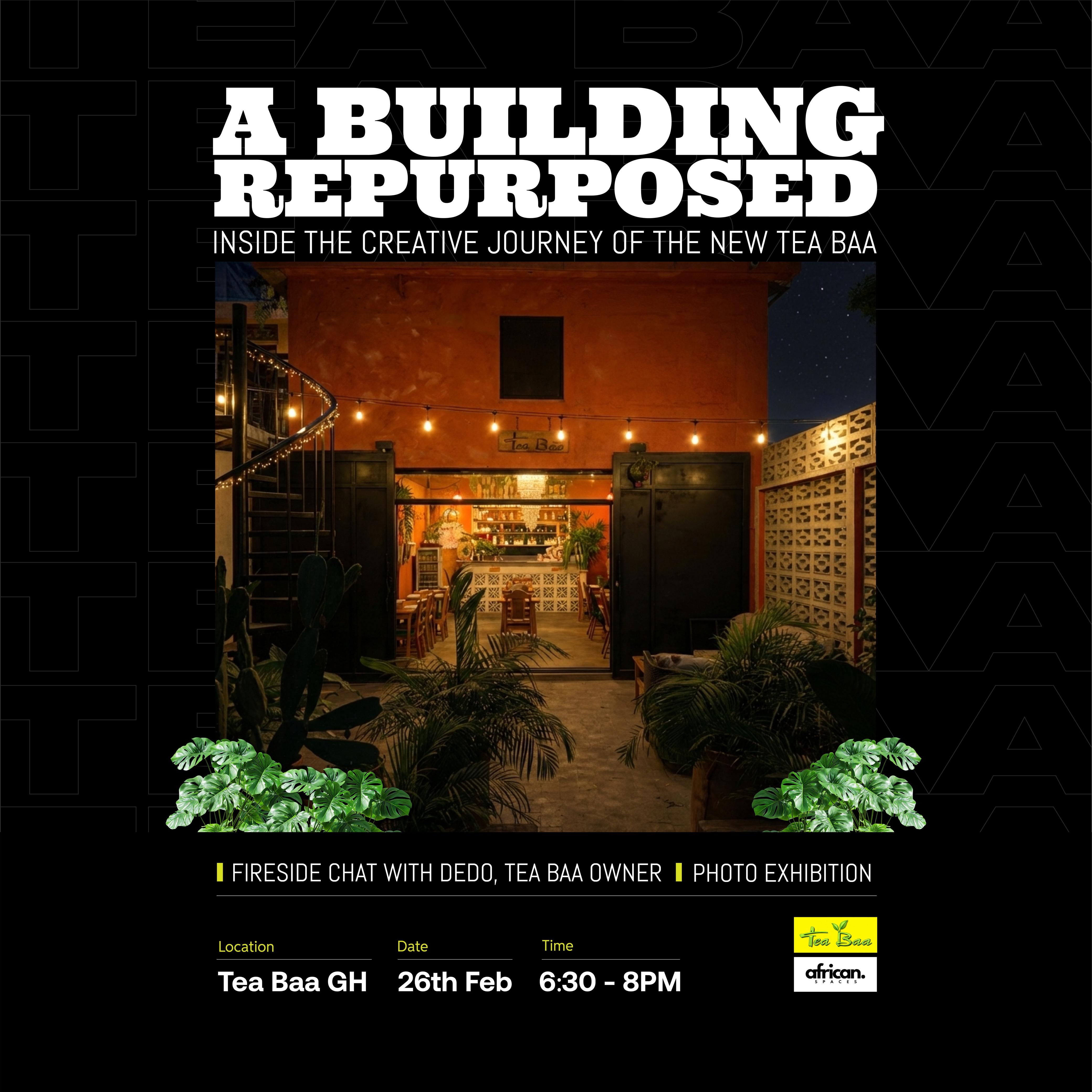
A Building Repurposed: Inside the Creative Journey of the New Tea Baa
Thu, Feb 26 • 6:30 PM
Tea Baa GH, 128 Ring Rd E, Accra, Ghana
View details
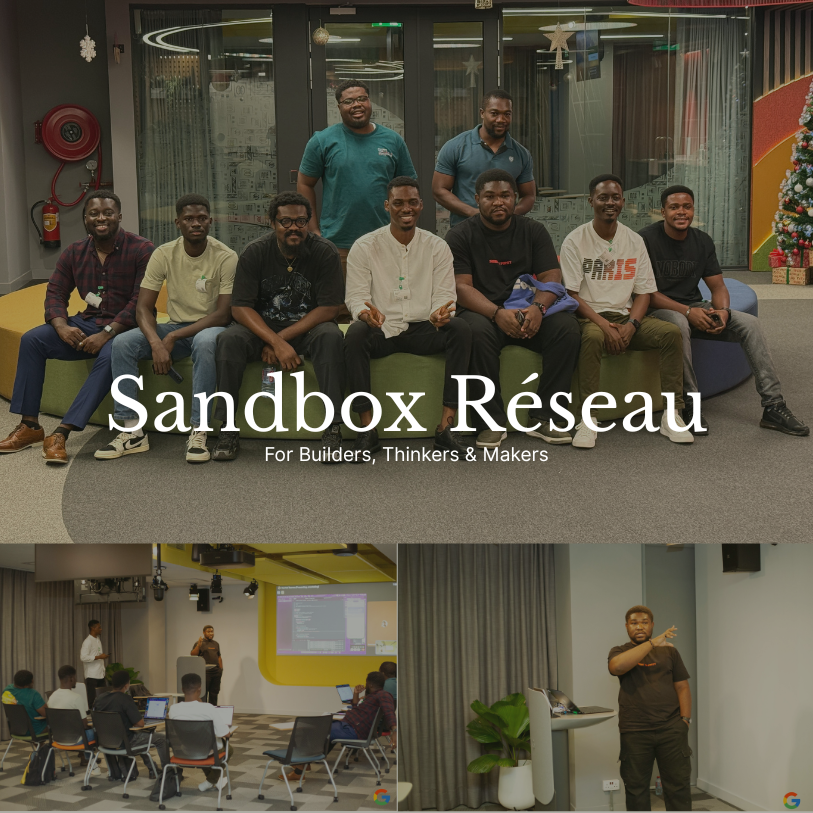
Sandbox Réseau Meet Up
Fri, Feb 27 • 3:00 PM
Google Accra, 87 Independence Ave, Accra, Ghana
View details

Data is the New Gold; But Who is Galamsey-ing It?
Sat, Feb 28 • 9:00 AM
Accra Digital Centre, Ring Road West, Accra, Ghana
View details
Nearby attractions of W.E.B Du Bois Memorial Centre for Panafrican Culture - Ghana.
W.E.B. DuBois Centre in Accra
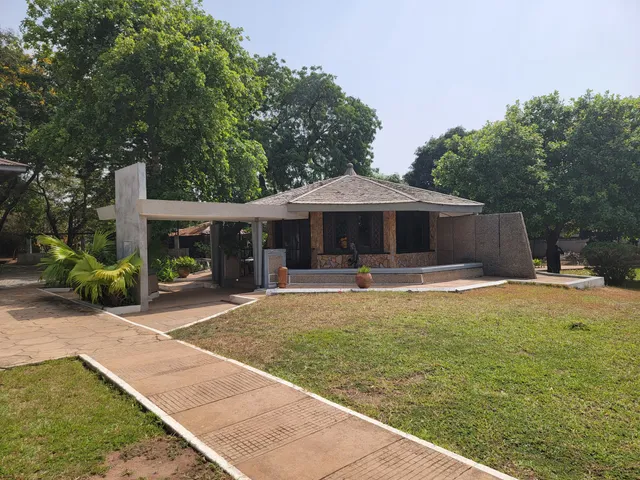
W.E.B. DuBois Centre in Accra
4.3
(1.3K)
Closed
Click for details
Nearby restaurants of W.E.B Du Bois Memorial Centre for Panafrican Culture - Ghana.
Roots Flavour Bar and Restaurant
Shogun
Canoe BeachSushi Grill Bar
Rockefellas Sushi-Korean-Continental Restaurant
STARBITES X
Indulge Accra
Capitol Cafe & Restaurant
Arirang restaurant Korean Dining
Nguni Bar & Grill
Smoke 'n' Barrel
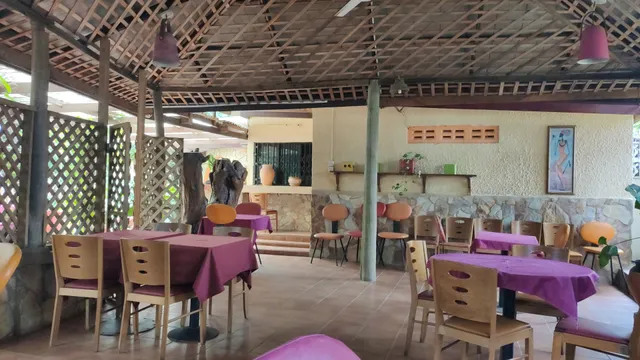
Roots Flavour Bar and Restaurant
4.3
(18)
Click for details
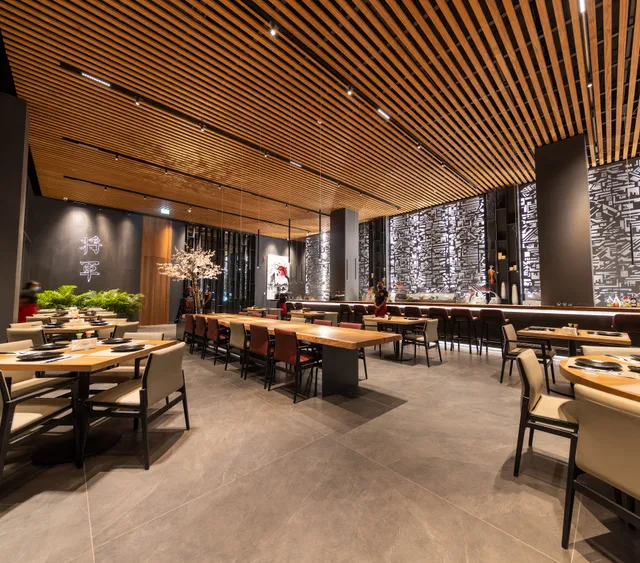
Shogun
4.4
(432)
Closed
Click for details
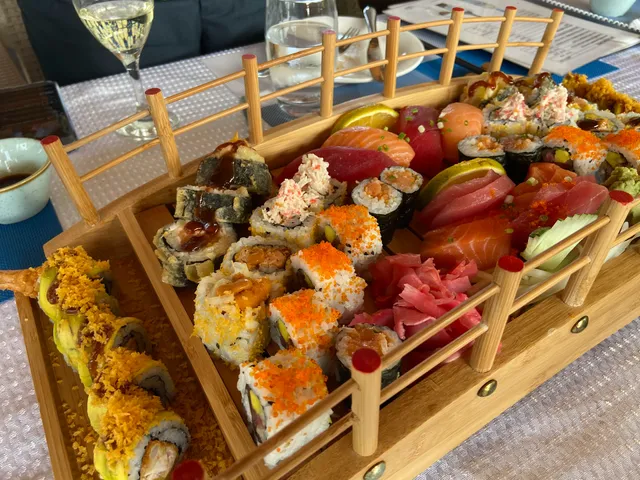
Canoe BeachSushi Grill Bar
4.4
(182)
Closed
Click for details
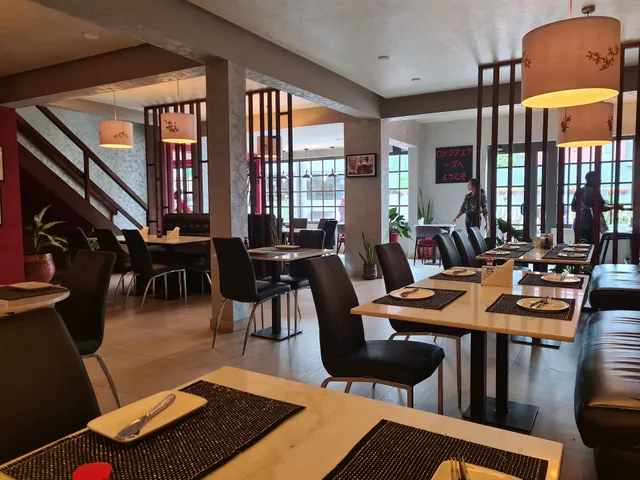
Rockefellas Sushi-Korean-Continental Restaurant
4.3
(439)
Closed
Click for details
Nearby local services of W.E.B Du Bois Memorial Centre for Panafrican Culture - Ghana.
Bok Nam Kim Golf Course
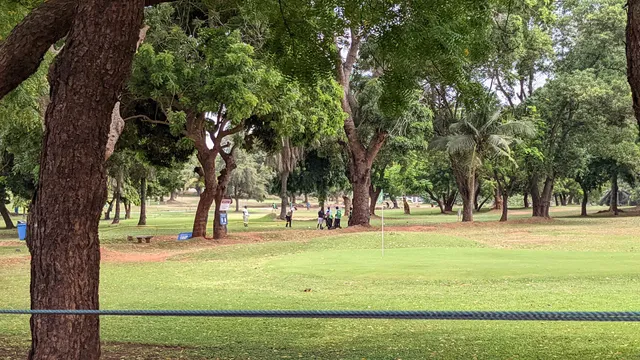
Bok Nam Kim Golf Course
4.3
(155)
Click for details





