War Museum Athens things to do, attractions, restaurants, events info and trip planning
Basic Info
War Museum Athens
Rizari 2-4, Athina 106 75, Greece
4.7(1.8K)
Closed


tickets
Save
spot
spot
Ratings & Description
Info
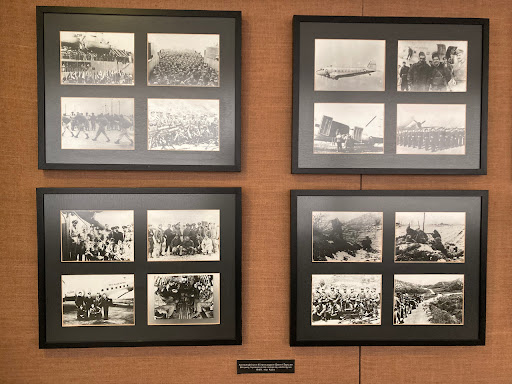
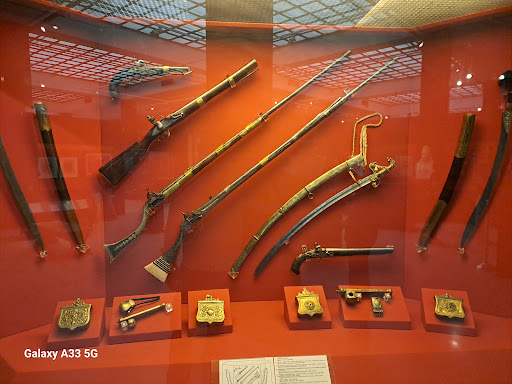
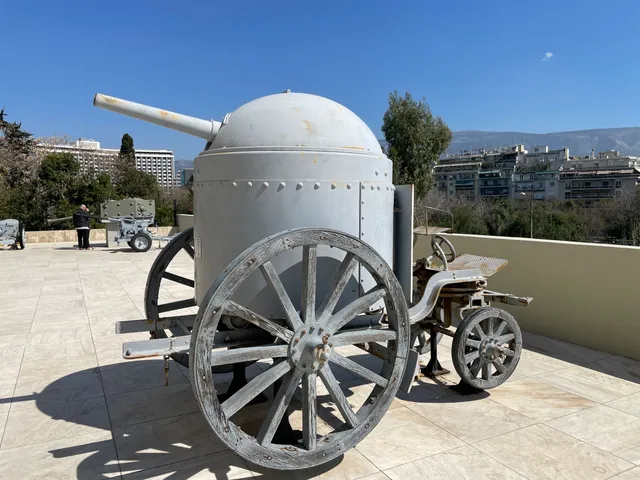
The Athens War Museum, established on July 18, 1975, is the museum of the Greek Armed Forces. Its purpose is the exhibition of weapon artifacts and the relevant research in the history of war. It covers the history of war in all ages.
Cultural
Accessibility
attractions: Byzantine & Christian Museum, Archaeological Site of the Lyceum of Aristotle, Museum of Cycladic Art, National Gallery - Alexandros Soutsos Museum, Hellenic Children’s Museum (HCM), Garden Byzantine Museum, Benaki Museum, Japanese Park, Athens National Garden, Petraki Monastery, restaurants: Fellows, Rock n Roll, Bronco, Athens Armed Forces Officers' Club, 42 Barstronomy Athens, Mpirmpilo, Ilissia Café Restaurant, ΟΙΚΕΙΟ, Zurbaran Athens, TGI Fridays Κολωνάκι, local businesses: Byzantine and Christian Museum, Rizari Park, Christian Art Museum, Salad Up Kolonaki, Lousma Hammam & Spa Athens, Kolonaki, Κολωνάκι, Aminta 6, Lycabettus Hill Funicular, Alopekis 9, Archelaou 7, Mansfield Barbers
 Learn more insights from Wanderboat AI.
Phone
+30 21 0725 2974
Website
warmuseum.gr
Open hoursSee all hours
Tue9 AM - 5 PMClosed
Plan your stay

Pet-friendly Hotels in Athens
Find a cozy hotel nearby and make it a full experience.

Affordable Hotels in Athens
Find a cozy hotel nearby and make it a full experience.

The Coolest Hotels You Haven't Heard Of (Yet)
Find a cozy hotel nearby and make it a full experience.

Trending Stays Worth the Hype in Athens
Find a cozy hotel nearby and make it a full experience.
Reviews
Live events

Taste hidden Athenian flavors on culinary romp
Wed, Feb 25 • 11:00 AM
105 54, Athens, Greece
View details
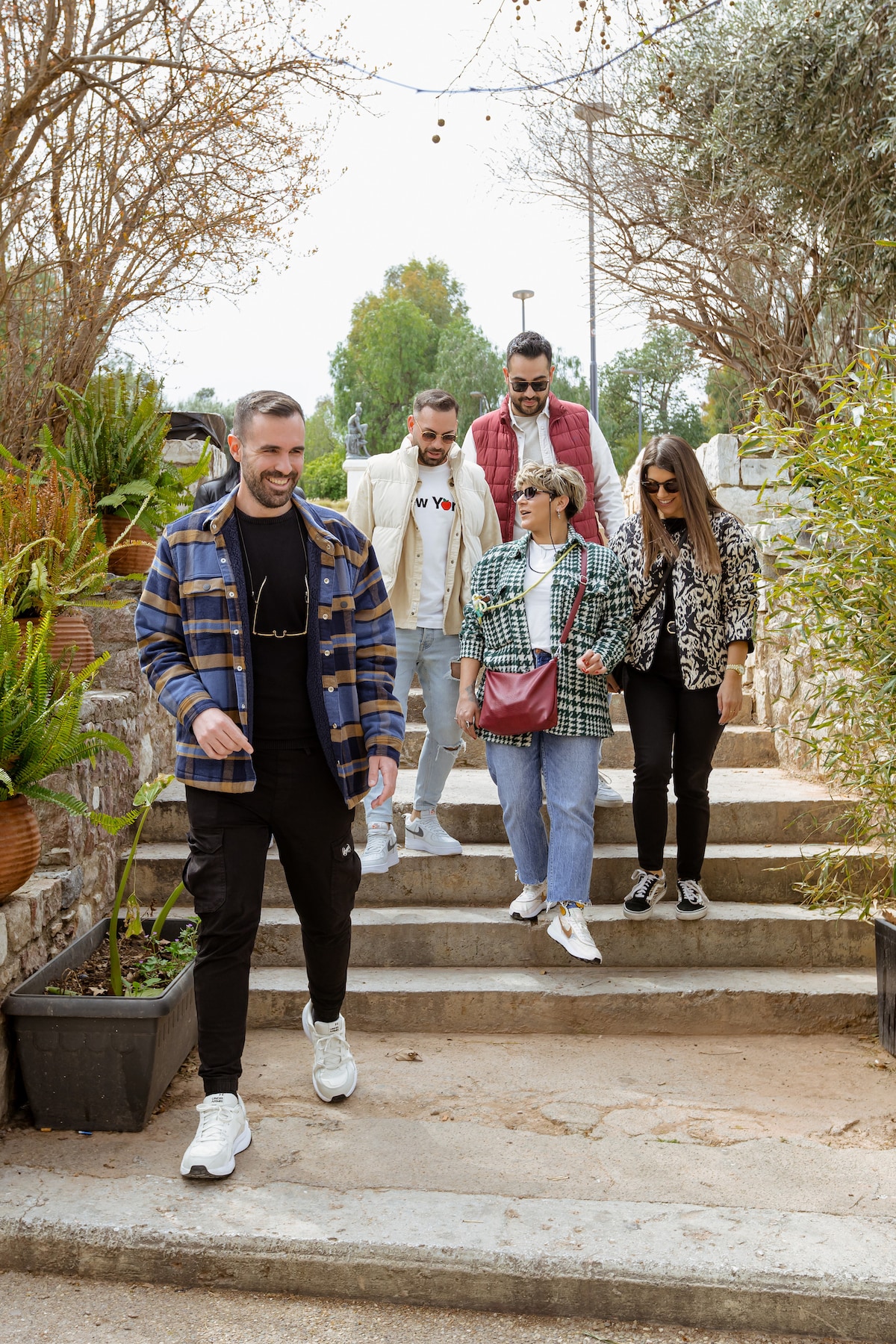
Amazing Athens Walks & Local Hidden Gems
Tue, Feb 24 • 6:00 PM
105 55, Athens, Greece
View details
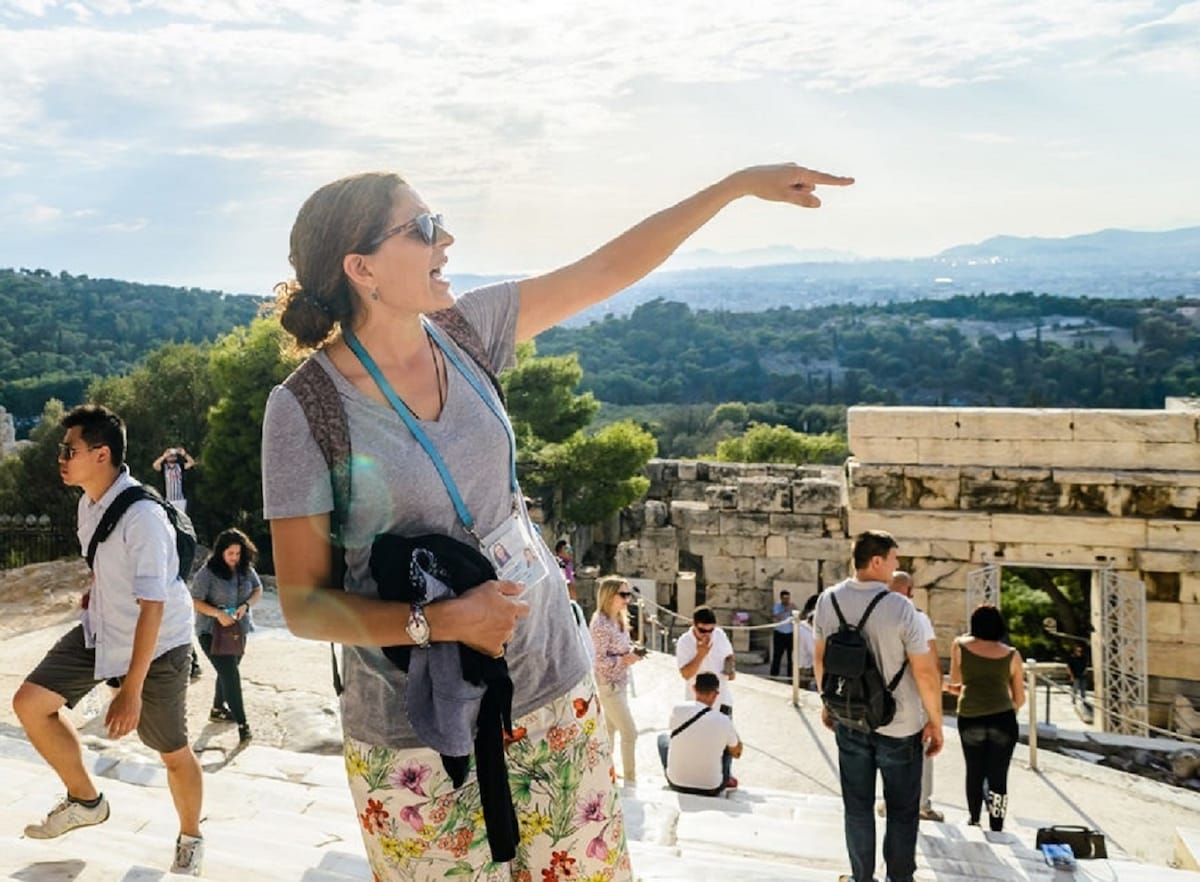
See the Acropolis with a licensed guide
Wed, Feb 25 • 8:00 AM
117 42, Athens, Greece
View details
Nearby attractions of War Museum Athens
Byzantine & Christian Museum
Archaeological Site of the Lyceum of Aristotle
Museum of Cycladic Art
National Gallery - Alexandros Soutsos Museum
Hellenic Children’s Museum (HCM)
Garden Byzantine Museum
Benaki Museum
Japanese Park
Athens National Garden
Petraki Monastery
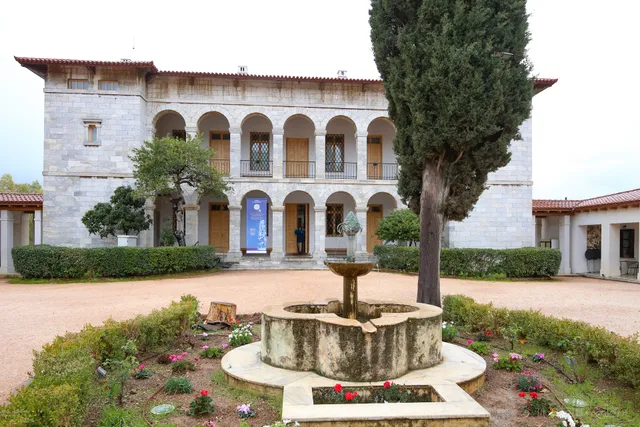
Byzantine & Christian Museum
4.6
(2.3K)
Open until 12:00 AM
Click for details
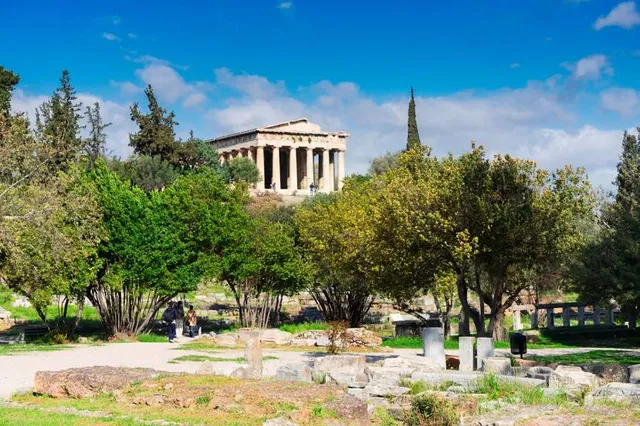
Archaeological Site of the Lyceum of Aristotle
4.0
(2.1K)
Open 24 hours
Click for details
Museum of Cycladic Art
4.7
(2.2K)
Open until 12:00 AM
Click for details
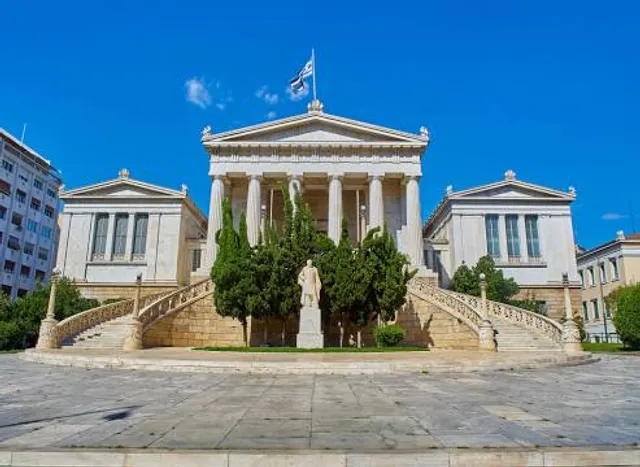
National Gallery - Alexandros Soutsos Museum
4.6
(2.6K)
Open until 12:00 AM
Click for details
Nearby restaurants of War Museum Athens
Fellows
Rock n Roll
Bronco
Athens Armed Forces Officers' Club
42 Barstronomy Athens
Mpirmpilo
Ilissia Café Restaurant
ΟΙΚΕΙΟ
Zurbaran Athens
TGI Fridays Κολωνάκι

Fellows
4.7
(414)
$$
Open until 12:30 AM
Click for details
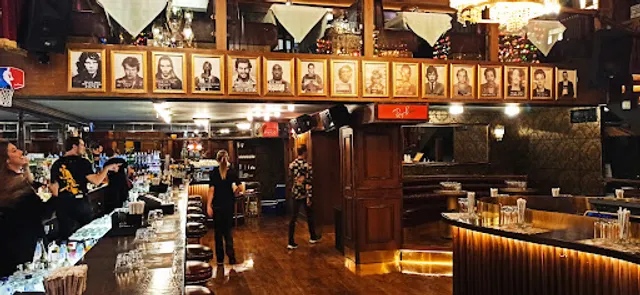
Rock n Roll
4.0
(805)
$$
Open until 4:00 AM
Click for details
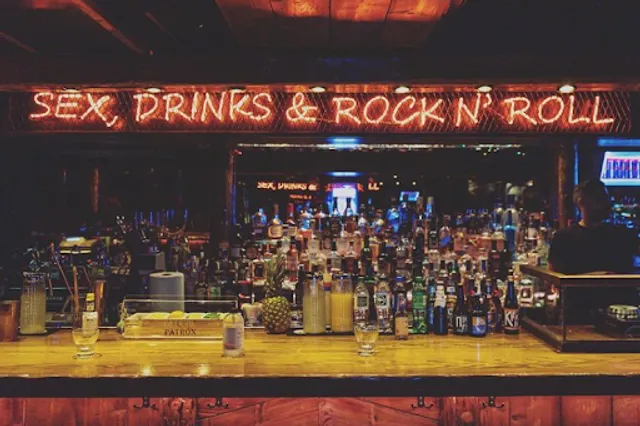
Bronco
4.4
(618)
Open until 2:00 AM
Click for details
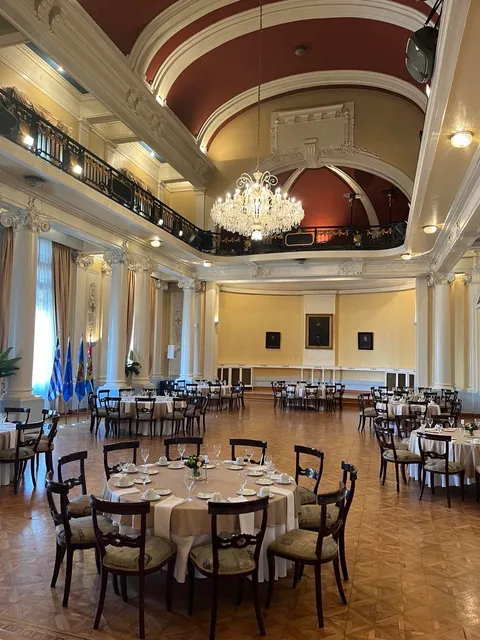
Athens Armed Forces Officers' Club
4.6
(1.2K)
Open until 12:00 AM
Click for details
Nearby local services of War Museum Athens
Byzantine and Christian Museum
Rizari Park
Christian Art Museum
Salad Up Kolonaki
Lousma Hammam & Spa Athens, Kolonaki, Κολωνάκι
Aminta 6
Lycabettus Hill Funicular
Alopekis 9
Archelaou 7
Mansfield Barbers
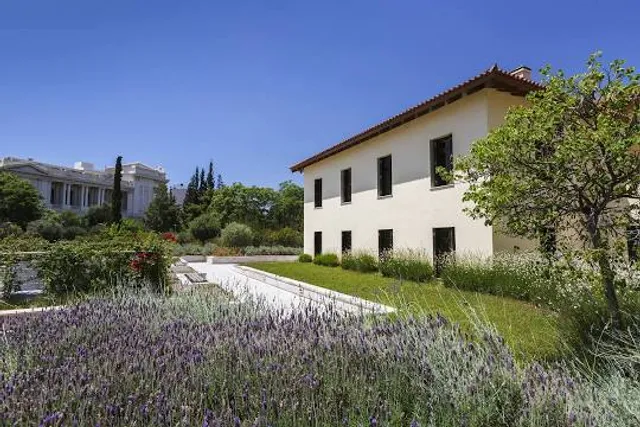
Byzantine and Christian Museum
4.6
(1.8K)
Click for details
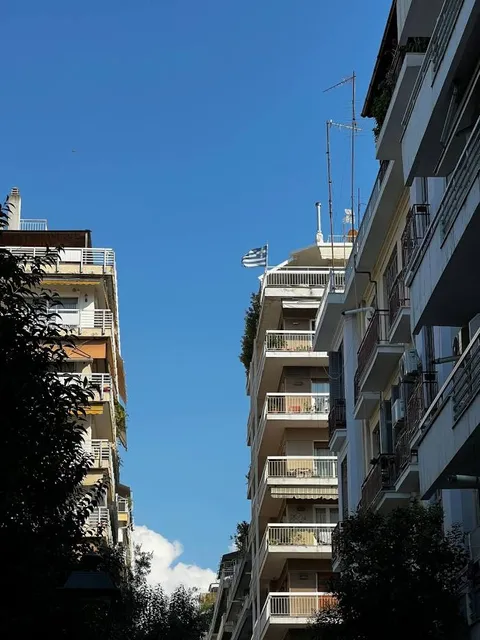
Rizari Park
4.4
(346)
Click for details
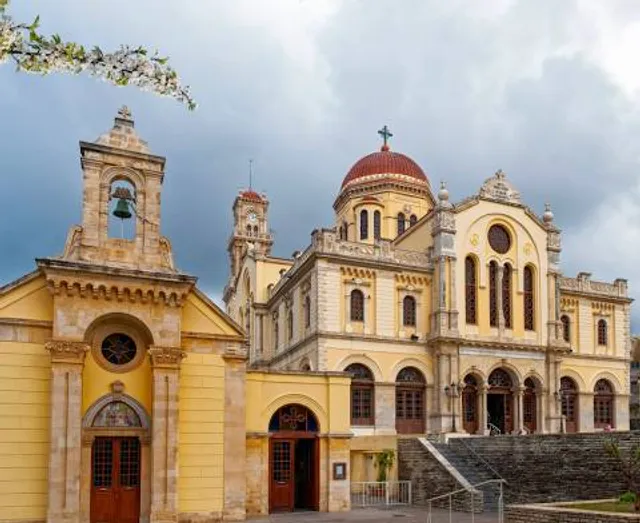
Christian Art Museum
4.6
(34)
Click for details
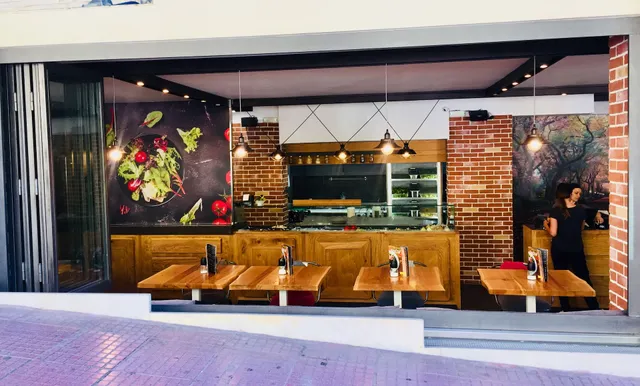
Salad Up Kolonaki
4.4
(167)
Click for details