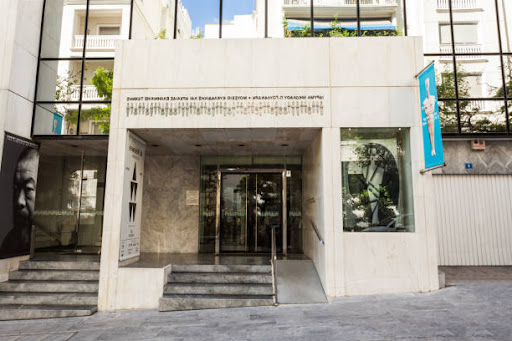
There are 4 exhibitons in this museum, 2 for ancient Greece, 1 for ancient Cyprus and 1 for the ancient Cyclades. They recommend starting from the exhibition on the 4rth floor and finishing on the one on the 1rst, but you will probably have no issue checking them out in whichever order you prefer.
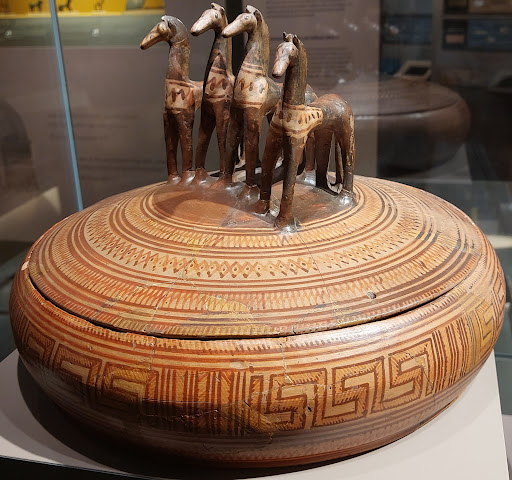
The 2 exhibitions about ancient Greece provide a good ''summary'' of the history of ancient Greece. The are interesting and well organised, but are not too specialised, which is what makes them the most ''skippable'', especially if you plan on visiting other, larger museums about ancient Greece. It's a long and rich history and the space isn't big enough to explain everything in tremendous detail. However, I find that having a summary of this vast history helps create a good timeline on your mind without getting too lost in the details. One of these exhibitions also contains many details about the ways the ancient greeks would process the materials they had to create the various items shown in the exhibitions, which I found very interesting.
The exhibition about ancient Cyprus is very interesting, as Cyprus' history isn't usually mentioned or considered when ancient greek history is discussed. You get a good idea of Cyprus' history and its relationships to other big civilizations throughout the ancient times through this exhibition. This exhibition is very information-dense, so if you are the type of person that wants to read up on everything the museum has to offer, you will spend many hours here because there are a lot of exhibits, signs, and also interactive screens.
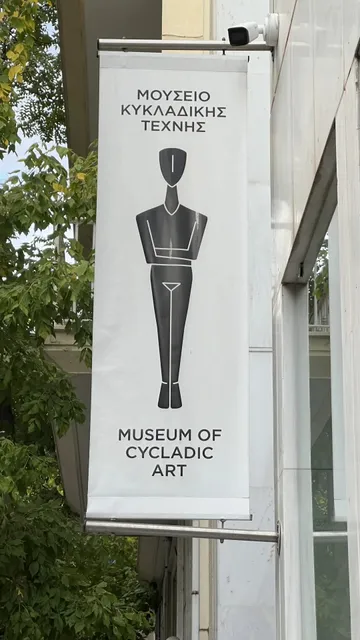
Finally, there is the ancient Cycladic art exhibition, from which the museum takes its name. As I learned in this museum, the ancient Cycladic art should not be confused with ancient greek art, as the name refers to the art of the Cyclades in the years predating 2000BC, which is quite different from what people usually associate ancient Greece with. The exhibition mainly contains a wide variety of figurines, along with the history of this era for the Cyclades islands, which is yet another underdiscussed part of ancient Greek history.
This is an amazing museum that should have more recognition and fame than it gets. The ancient Cyprus and ancient Cyclades exhibitions are especially informative, since they deal with themes that other museums don't tend to focus on. Each exhibition might seem small, but, if you are interested in reading and learning everything you can from them, you should expect to spend at least 2 days in the museum.
Which brings me to the only drawback of this museum: the price. The tickets are VERY expensive compared to other museums (even the Acropolis museum, which is more famous, is cheaper) and, considering the fact that one full visiting day will probably not be enough to truly see everything, the cost only increases if you decide to visit again or if you have a big family. The prices in the gift shop and the cafe are also extremely high, but these ''costs'' are optional, so I will not linger much on that.
Even so, this museum is still worth the visit. It is usually quiet, since not many people visit it, which creates a very calm atmosphere that helps you get more immersed in the museum. The museum and all its spaces (toilets, lockers etc) is also very clean.
The museum also has a very good free app which contains most, if not all the exhibits and their photos and descriptions. It also includes 360 presentations of the 4 exhibitions, some interesting articles and a few podcasts related to the exhibitions (note that most of them are in greek). This is a lot of effort that you usually don't see in other museums.
The overall standards of the museum of Cycladic art are very high. It is well organised and very worth visiting, even if it is just once (in which case, I suggest you focus more on the ancient Cyprus and ancient Cyclades exhibitions, since you will see things there that you rarely see anywhere else). I suggest spending a whole day here if you can, if you love learning about ancient history, you will...
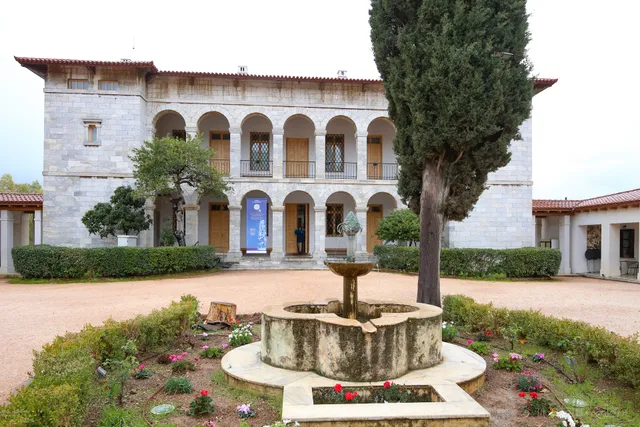
Read moreThe Museum of Cycladic Art in Athens, Greece, is a prominent cultural institution dedicated to the study and promotion of ancient Aegean and Cypriot cultures, particularly the Cycladic civilization. Below are key details about the museum: The museum is located in the heart of Athens, in the upscale neighborhood of Kolonaki, making it easily accessible to both locals and tourists. Founded in 1986, the Museum of Cycladic Art is one of the most important museums in Greece, focusing on the art and culture of the ancient Cycladic islands, as well as broader Aegean and Cypriot civilizations. The museum's most renowned collection consists of artifacts from the Cycladic civilization, which flourished in the central Aegean Sea during the Early Bronze Age (circa 3200–2000 BC). Key items include: The iconic marble figurines, often depicting abstract representations of the human form, are among the most famous and distinctive artifacts. These figures are thought to have had religious or funerary significance. The collection includes a variety of Cycladic pottery, known for its minimalist design and functional forms, which provide insights into the daily life and practices of the Cycladic people. Marble and obsidian tools, as well as other everyday objects, showcase the craftsmanship and ingenuity of the Cycladic culture. In addition to Cycladic artifacts, the museum features a significant collection of Greek art from the Geometric to the Classical periods. This includes pottery, sculptures, and jewelry that illustrate the development of ancient Greek artistic and cultural traditions. The museum also houses an extensive collection of Cypriot antiquities, ranging from the Chalcolithic to the Roman periods. This collection includes terracotta figurines, pottery, metalwork, and jewelry, reflecting the island’s rich cultural interactions with neighboring civilizations. The museum regularly hosts temporary exhibitions that explore various aspects of ancient and modern art, often bringing in international collections and contemporary interpretations of ancient themes. Part of the museum is housed in the Stathatos Mansion, a neoclassical building designed by the famous architect Ernst Ziller in the late 19th century. The mansion is a fine example of neoclassical architecture and adds historical charm to the museum's modern exhibition spaces. The museum's main building is a modern, purpose-built facility that complements the historic mansion. It features state-of-the-art exhibition halls, designed to display the delicate artifacts in optimal conditions. The museum is open to the public throughout the week, with extended hours on certain days. It is advisable to check the museum’s official website or contact them directly for the most current information on opening hours and ticket prices. The museum offers guided tours, which can be booked in advance. These tours provide in-depth insights into the collections and are available in multiple languages. The Museum of Cycladic Art is fully accessible to visitors with disabilities. The museum also features amenities such as a gift shop, café, and educational spaces for workshops and lectures. The museum is a leading center for the study of Cycladic and Aegean cultures. It conducts research, publishes scholarly works, and engages in the conservation of ancient artifacts. The museum runs various educational programs for children, adults, and school groups, aiming to make ancient history and art accessible and engaging to the public. The museum hosts lectures, workshops, and cultural events that explore both ancient and contemporary themes, connecting the ancient past with modern cultural practices. Visiting the Museum of Cycladic Art offers a unique opportunity to explore the ancient cultures of the Aegean and Cyprus, with a particular focus on the enigmatic and aesthetically striking Cycladic civilization. The museum’s collections, coupled with its engaging educational programs, make it a must-visit destination for anyone interested in ancient...
Read moreThe Cycladic Arts Museum in Athens is a captivating cultural institution that offers a unique and enriching experience for art enthusiasts and history lovers alike. Nestled in the heart of Athens, this museum is dedicated to showcasing the ancient art and civilization of the Cycladic islands.
Upon entering the museum, visitors are immediately greeted by a serene and well-curated exhibition space. The layout is thoughtful, allowing for a smooth flow from one exhibit to another. The lighting is expertly designed, highlighting the delicate and intricate details of each artifact, while the informative signage provides valuable context and historical background.
The main highlight of the Cycladic Arts Museum is its stunning collection of Cycladic figurines. These exquisite marble sculptures, dating back to the 3rd millennium BCE, are the centerpiece of the museum's displays. The figurines, characterized by their abstract, minimalist forms, exude a timeless beauty and mysterious aura. The museum's curation offers a comprehensive overview of the different styles and periods within the Cycladic civilization, allowing visitors to appreciate the evolution of these iconic artworks.
What truly sets the Cycladic Arts Museum apart is its dedication to educating visitors about the context and significance of Cycladic art. The museum provides insightful information about the Cycladic islands' history, society, and cultural practices, giving visitors a deeper understanding of the artifacts they encounter. This approach helps to bridge the gap between ancient and modern, making the experience relatable and engaging.
Another notable aspect of the museum is its commitment to preservation and restoration. The Cycladic Arts Museum employs modern conservation techniques to ensure the longevity and integrity of its exhibits. It's commendable to see the museum's efforts in preserving these fragile artifacts for future generations to appreciate.
The staff at the Cycladic Arts Museum deserves special praise for their knowledge, enthusiasm, and friendliness. They are readily available to answer questions, provide additional information, or engage in enlightening discussions about the exhibits. Their passion for the subject matter is evident, and their dedication enhances the overall museum experience.
While the Cycladic Arts Museum might not be as expansive as some other museums in Athens, it excels in its focused approach. By centering on the Cycladic civilization, it provides a concentrated and intimate exploration of a specific art style and culture. This focused approach enables visitors to immerse themselves in the unique aesthetics and symbolism of Cycladic art.
In conclusion, the Cycladic Arts Museum in Athens is a must-visit for anyone interested in ancient art, archaeology, or the history of the Cycladic islands. With its well-curated exhibits, informative displays, and passionate staff, the museum offers an unforgettable journey into the enigmatic world of Cycladic art. Whether you are a seasoned art aficionado or a casual visitor, this museum is sure to leave you inspired and in awe of the timeless beauty of these ancient...
Read more