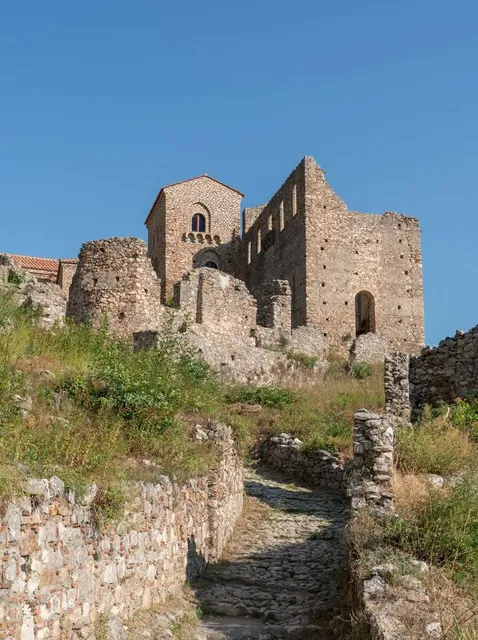
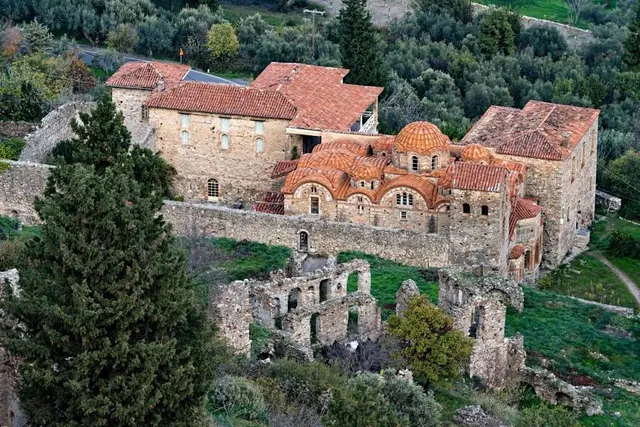
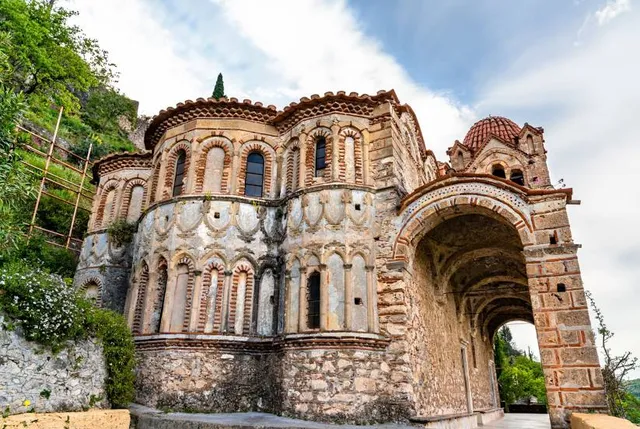
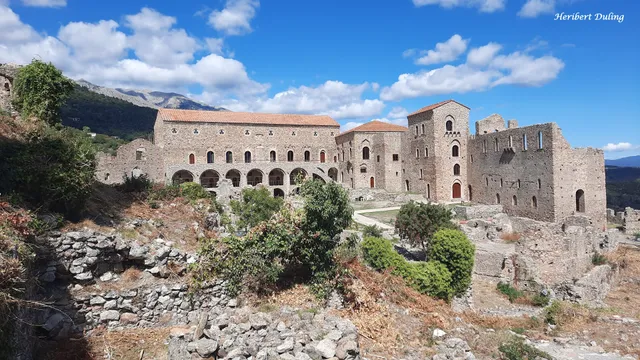
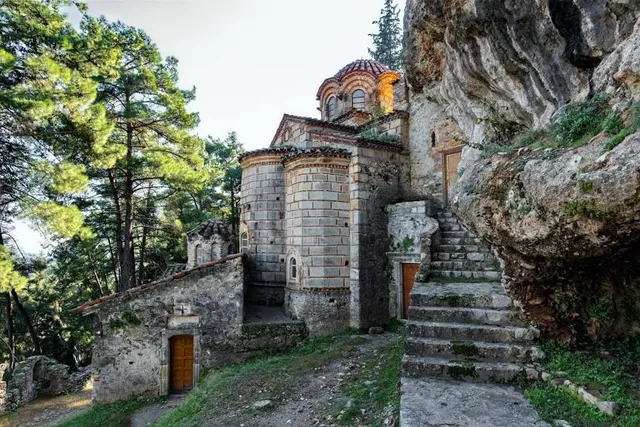
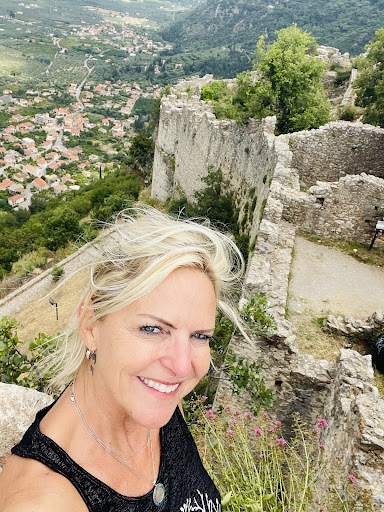
The Acropolis & Fortification Castle of Mystras is not just a historical site; it's an enchanting journey back to the heart of Byzantine civilization. Located on the slopes of Mount Taygetos, overlooking the valley where ancient Sparta once thrived, this UNESCO World Heritage site is a testament to the architectural and cultural zenith of Byzantine Greece.
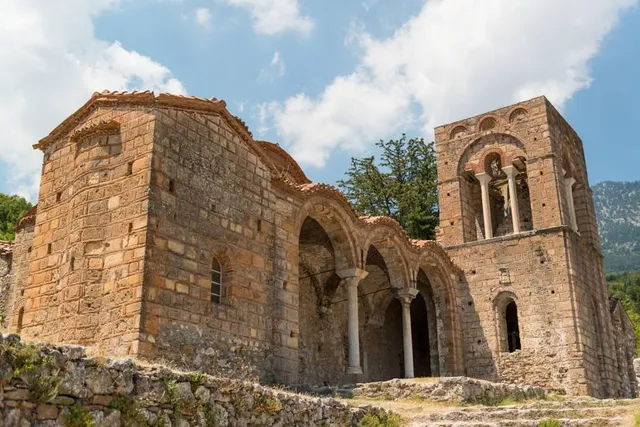
Architectural Splendor: Walking through Mystras, you're surrounded by well-preserved ruins that whisper tales of the past. The castle, with its imposing fortifications, churches adorned with exquisite frescoes, and the remains of the Despots' Palace, showcases the blend of military prowess and artistic achievement. The layers of history here, from Frankish to Byzantine to Ottoman influences, are beautifully interwoven into the very fabric of the site.
Breathtaking Views: The panoramic views from the top of the castle are simply breathtaking, offering vistas of the surrounding lush landscapes and the distant sea. It's a visual feast that enhances the experience of exploring this historical gem.
Educational and Immersive: Mystras isn't merely for sightseeing; it's an educational experience. The signage and occasional guides provide insights into the lives of those who once walked these paths, making the visit both informative and immersive. It's a place where history buffs, architecture enthusiasts, and casual visitors alike can find something to marvel at.
A Walk Through History: Be prepared for a bit of a hike, as exploring Mystras involves navigating uneven paths and climbing up to the castle. However, this physical journey is part of the allure, mirroring the historical journey one takes through time. Comfortable shoes are a must, but the effort is rewarded with one of the most memorable experiences in Greece.
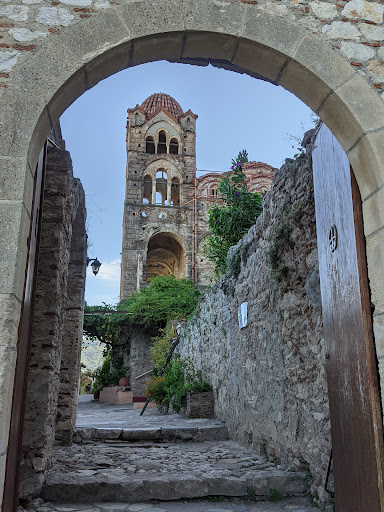
A Living Museum: What makes Mystras truly exceptional is its feeling of being a 'living' historical site. Even today, the Pantanassa Monastery remains active, adding a layer of continuity to this ancient city.
Visiting the Acropolis & Fortification Castle of Mystras is like stepping into a history book where every page is a monument. It's a place that resonates with the soul of the Byzantine Empire, offering unforgettable moments for anyone lucky enough to explore it. Five stars for an experience that's as enriching as it...
Read moreOur main goal today is Mystras, the Byzantine ruine city with a Franconian mountain fortress on top. This UNESCO World Heritage Site is widely spread over an entire mountain slope and requires some finesse in order not to let the visit become a big mountain tour. So we first drive up to the entrance of the fortress. Here we buy our tickets and get a stamp on them that will be needed later. Now we only climb up to the fortress ruins and then only visit the areas of the ruins below the fortress. Then you take the car to the lower entrance, show your stamped ticket and continue your tour of the lower parts of the city. Mystras was founded by Wilhelm Villehardouin. The Peloponnese was under Frankish occupation at that time. In 1249 he had the fortress built, but in 1262 he was taken prisoner by the Byzantines and was only able to buy his freedom by surrendering the castle. A short pleasure! In the 14th and 15th centuries the city prospered and it was from here that the so-called Byzantine Renaissance, a forerunner of the Italian one, emanated. When the Ottomans conquered the Peloponnese in 1460, mosques and minarets were added to the many churches and monasteries. Around 1700 Mystras still had 42,000 inhabitants, after decades of decline around 1800 there were still 16,000. The decline came with the Greek struggle for freedom, when Albanian auxiliaries, summoned by the Turks, killed the residents, looted and devastated the place. Today, in addition to the citadel, we can visit some ruins, the despot's palace and many churches (6) and monasteries (3). After a total of more than 4 hours we...
Read moreThe Mystras site is just fantastic. Huge area, so mych to see - you will find a lot of details in other reviews, I will share some more practical information. There is a lot of walking up and down the steep hill over stones so be prepared for it, it's not suitable at all for the disabled. There are 2 car parks, the lower and upper one, if you want to see everything then start from the lower, if mainly the castle at the top then starting at the upper will save a lit of climbing. I strongly recommend seeing everything, so starting from the lower. Arrive early, say by 10am to avoid crowds and get a parking space - parking is free near the entrances. Try to leave the first big car park for coaches. Entry 12 Eur adults and children/students up to 25 free, from outside the EU children 6 Eur. Inside there is one main path up with some detours to monasteries and other places on the way, but you should always then come back to the main path. The palace half way up is currently (April 2024) unfortunately closed for renovation, but you can still see it from the outside. Allow 2-3 hours. Toilets are outside of the lower gate so plan accordingly. Highly...
Read more