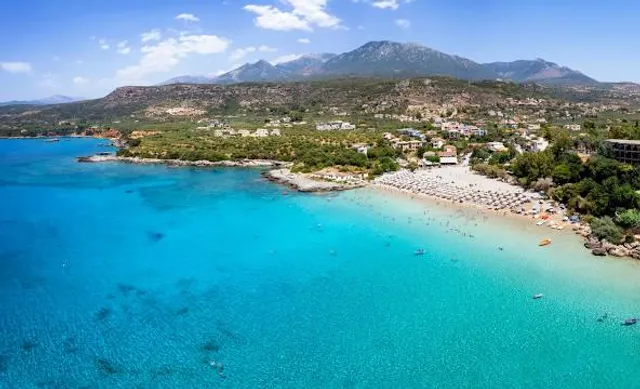
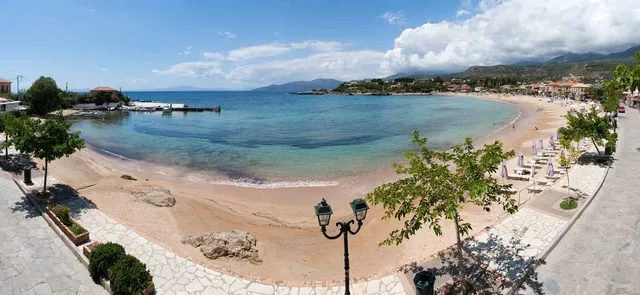
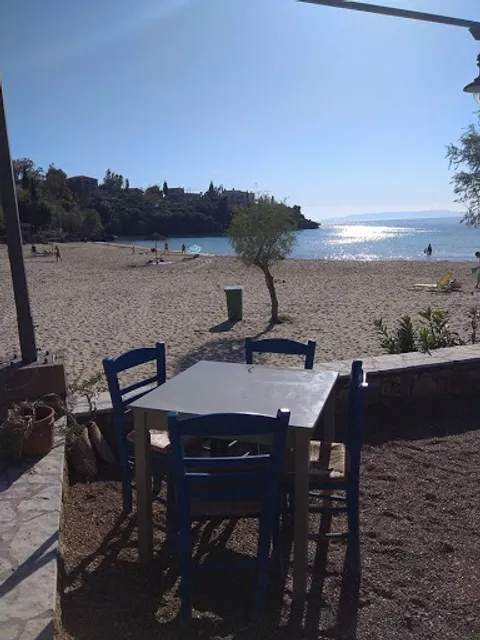
Kalogria Beach in Stoupa, Peloponnese, once a place of profound inspiration for Nikos Kazantzakis and the real-life Alexis Zorbas, has sadly become an example of how unregulated tourism can erase a place's identity.
This beach, where Kazantzakis is believed to have lived in a humble hut while working alongside Zorbas in a lignite mine in the early 20th century, once symbolized a deeper, simpler connection to nature and creativity. It was here that the seeds of Zorba the Greek were planted — not in the luxury of resorts, but in the raw, unadorned landscape of coastal Greece.
Today, that legacy is hard to find.
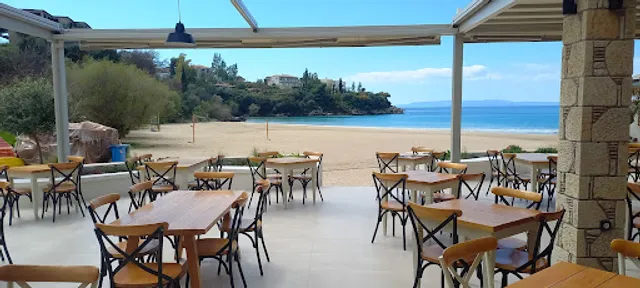
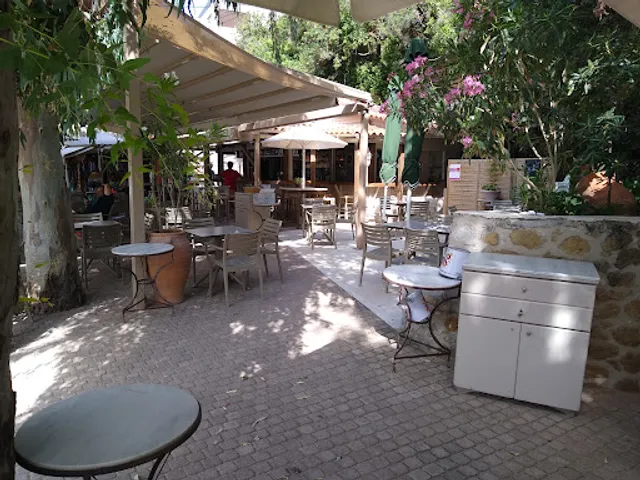
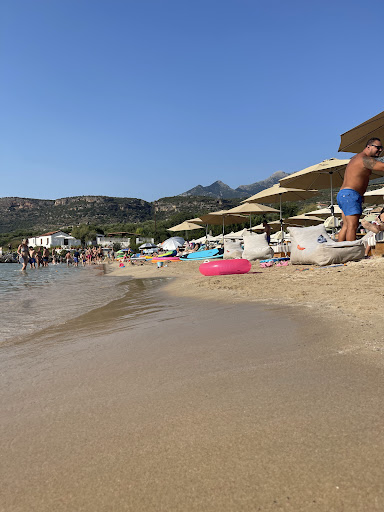
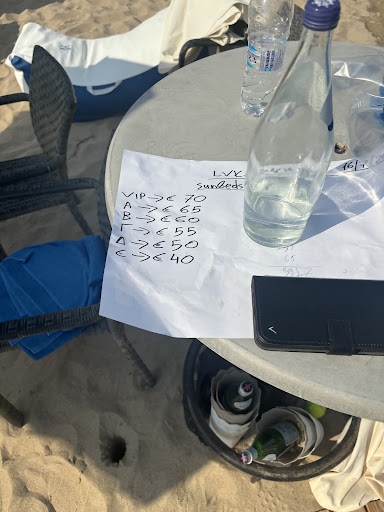
The beach is now completely saturated with commercial sunbeds, often leaving little to no space for visitors who simply want to lay a towel on the sand. Prices for a pair of loungers and an umbrella can be unreasonably high, frequently deterring locals and budget-conscious travelers. It feels less like a beach and more like a private beach club where the only real freedom is for your wallet — if it’s full enough.
As if that weren’t enough, parking costs €2 per hour, which adds an additional financial burden just to access what should be a public space. The atmosphere is loud, crowded, and more about profits than place.
The only remaining gesture toward its historical and cultural past is a fading mural of Kazantzakis and Zorbas — a sad, symbolic reminder of the soul that has been stripped from this location. The famous hut, while still standing in a dilapidated state, is inaccessible and neglected, while the cave where Kazantzakis reportedly wrote remains difficult to reach, more legend than preserved heritage.
What is most painful is the deep irony: Kazantzakis, a man who wrote about the value of freedom, struggle, simplicity, and the raw beauty of life, is now being "honored" in a place overwhelmed by consumerism and superficiality. The beach that once offered him peace is now dominated by commerce. His spirit — and the spirit of Zorbas — feels absent.
Unless you're looking for an expensive, overcrowded beach experience, Kalogria no longer offers what it once did. If you're visiting with the hope of connecting to the literary and historical roots of Kazantzakis' life and work, prepare to be disappointed.
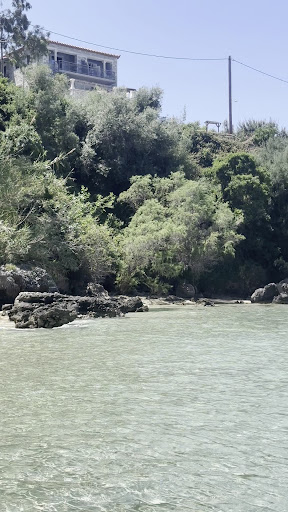
For those seeking a more authentic, unspoiled coastal experience, I would suggest exploring nearby coves and smaller beaches that haven’t yet been overrun by commercialization. That’s where the real Greece — and perhaps a whisper of Kazantzakis’ legacy —...
Read moreKalogria beach (Greek: Παραλία Καλόγριας)1] is the name of a sandy and award-winning with Blue Flag beach[2] that is located in the vicinity of the village Araxos, in Northwestern Peloponnese, Greece. The beach is beside the Sprofylia natural park, it has a length of ~9 Km and width 80m and is one of the longest sandy beaches of Greece.[3 The area close to the beach has many sand dunes that are formed by sea sand that moves with the aid of the westerly winds and the Ionian Sea waves. The dunes occupy an area of 200 hectares and can reach heights of up to 10 metres and widths from 20 – 500 metres.[5] At the north edge of the beach there is the largest sand dune in Peloponnese and one of the largest in Greece. The beach is a popular destination for many tourists and Greeks. At a close distance to the beach there are a couple of hotels and restaurants. The airport of Araxos is in a distance of 7 km. The last 10 years there have been many attempts from arsonists to burn the Strofylia forest beside the beach of Kalogria. On 13 August 2015 a fire burned 160 acres of forest.[6] On 17 October 2017 there has been another major incident of forest fire in the protected area and beside Kalogria beach.[7] The results of the wild fires are not easily observable when someone visits the beach from the north (except an area beside the...
Read moreThe most amazing beach!!! However, as all the other reviews say, the beach is overrun by sun beds that are literally a meter from the water. Only a tiny fraction of the beach is public on the far right side close to the amazing cold spring. One restaurant’s price list for the sun beds is ridiculous, 70 euros for beds on the first row. However, the restaurant next to it, thankfully (a little better) offers beds for 15 euros. You can barely reach the beach without falling over on sun beds. How is this allowed? I tried to use the app to complain when I got back to my hotel in a neighboring city, only to find out you must be 10 kilometers from the place to register a complaint in the app. I love Greece, but Greece,...
Read more