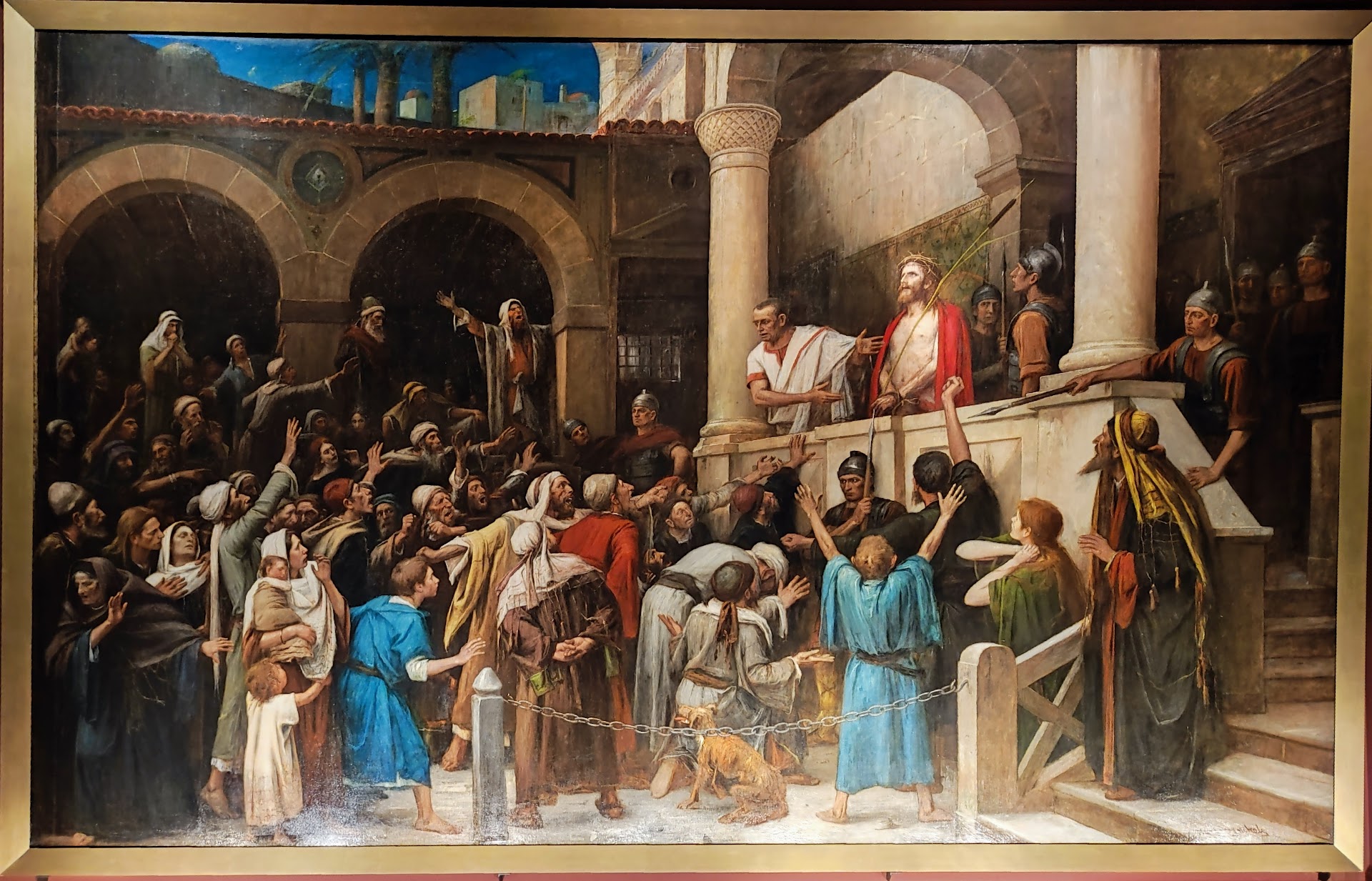
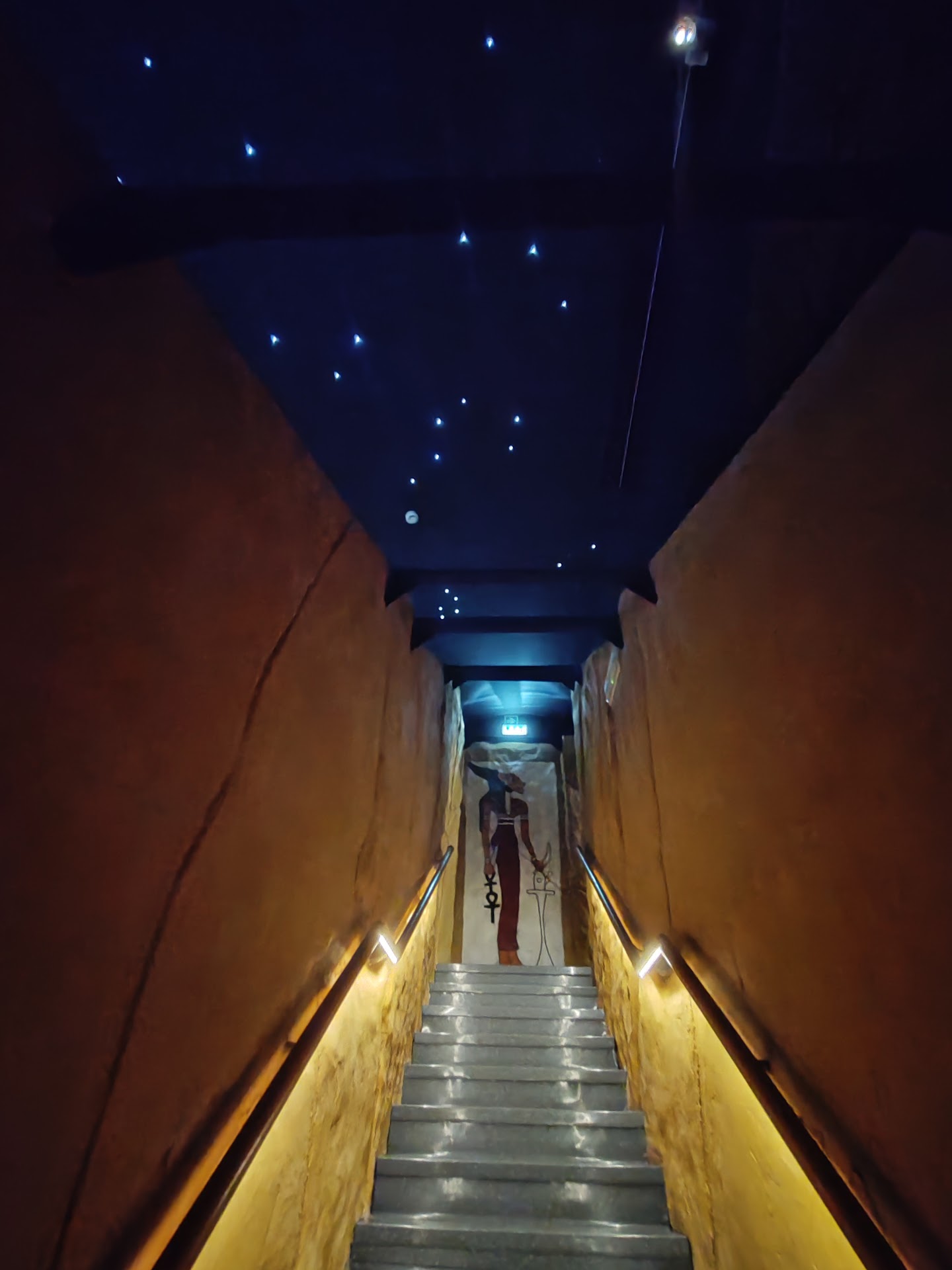
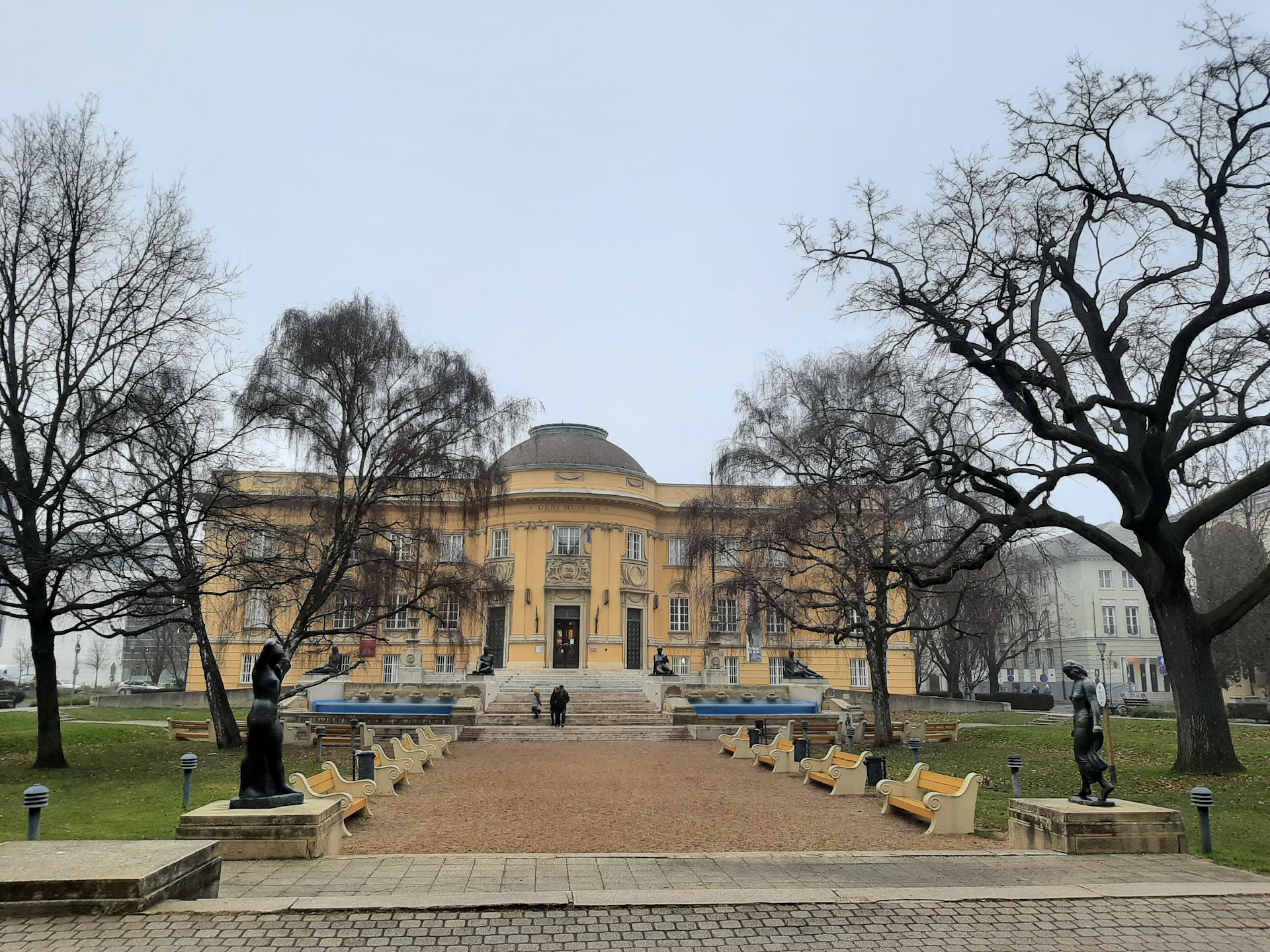
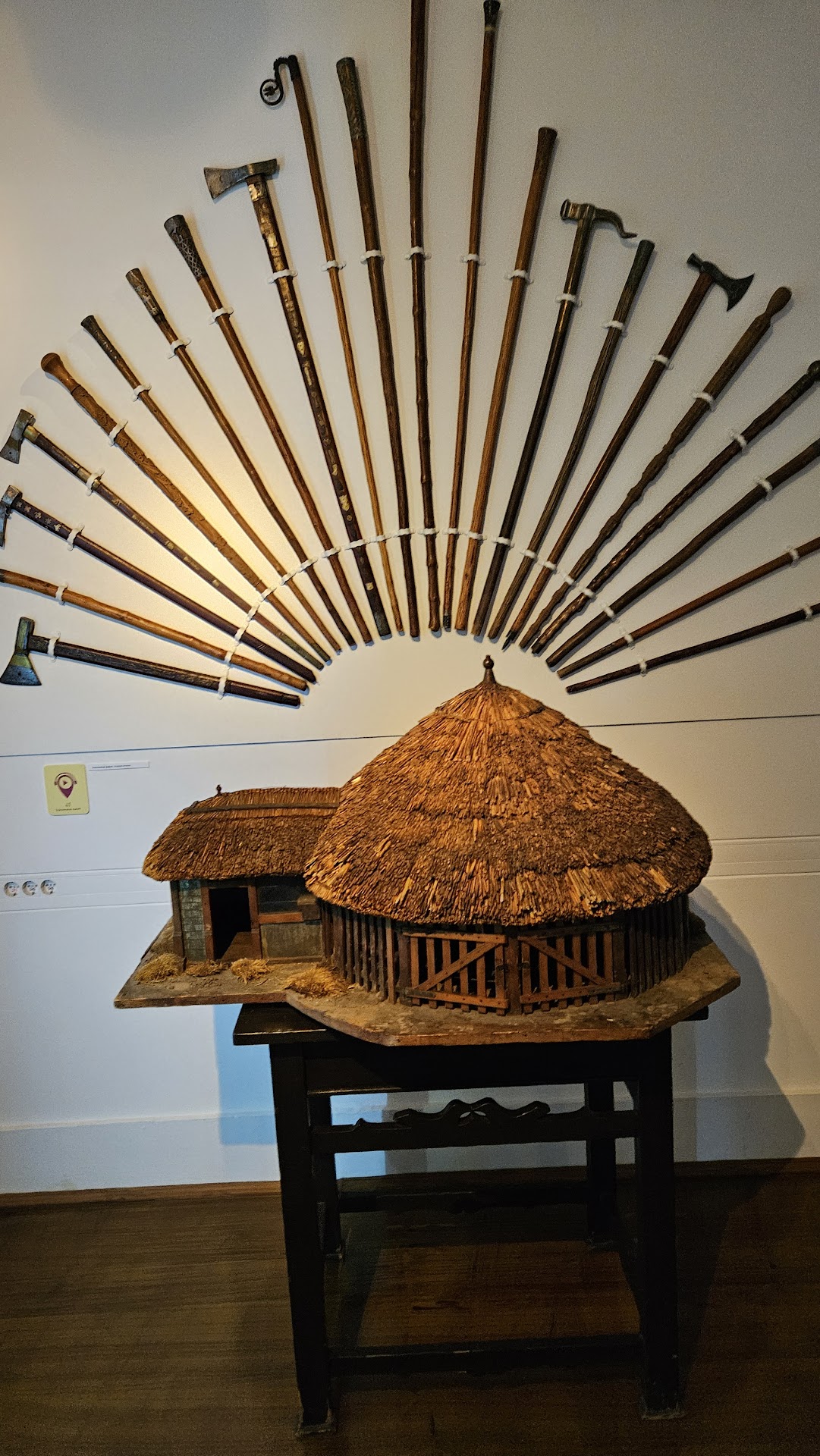
Déri Museum things to do, attractions, restaurants, events info and trip planning
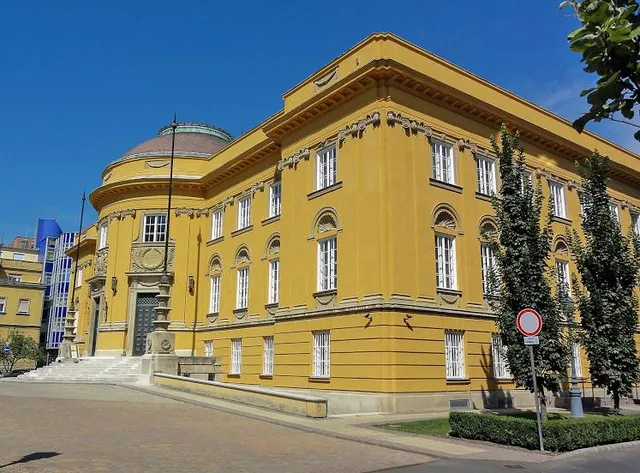
Basic Info
Déri Museum
Debrecen, Déri tér 1, 4026 Hungary
4.8(1.6K)
Open until 12:00 AM

tickets
Save
spot
spot
Ratings & Description
Info
Cultural
Family friendly
Accessibility
attractions: Reformed Great Church of Debrecen, Modem Centre for Modern and Contemporary Arts, Református Kollégium Múzeum, Kossuth tér (Debrecen főtere), Saint Anne's Cathedral, Szabó Magda Emlékház, restaurants: Wasabi Running Sushi & Wok Restaurant - Debrecen, Nonna Rosa, ZING BURGER & Co. | Debrecen, Black Sheep Microroastery & Coffee, Zero Bistro & Bar, Bonita Bistro, Pizza, Kávé, Világbéke - Debrecen, Gilbert Pizzéria, Beer And Wurst (B&W), Pizza Hut Debrecen Plaza, local businesses: Debrecen Plaza, Public Market place, Debrecen Forum, Debrecen Market, Kohinoor Bazár, Goods Market, Peaky Barbers - Tenkely Limited Company - Bajcsy, Dubai Supermarket Debrecen, Sahara Market, Dom Literatury i Muzeum Ferenca Medgyessyego
 Learn more insights from Wanderboat AI.
Phone
+36 52 322 207
Website
derimuzeum.hu
Open hoursSee all hours
Tue10 AM - 6 PMOpen
Plan your stay

Pet-friendly Hotels in Debreceni járás
Find a cozy hotel nearby and make it a full experience.

Affordable Hotels in Debreceni járás
Find a cozy hotel nearby and make it a full experience.

The Coolest Hotels You Haven't Heard Of (Yet)
Find a cozy hotel nearby and make it a full experience.

Trending Stays Worth the Hype in Debreceni járás
Find a cozy hotel nearby and make it a full experience.
Reviews
Nearby attractions of Déri Museum
Reformed Great Church of Debrecen
Modem Centre for Modern and Contemporary Arts
Református Kollégium Múzeum
Kossuth tér (Debrecen főtere)
Saint Anne's Cathedral
Szabó Magda Emlékház
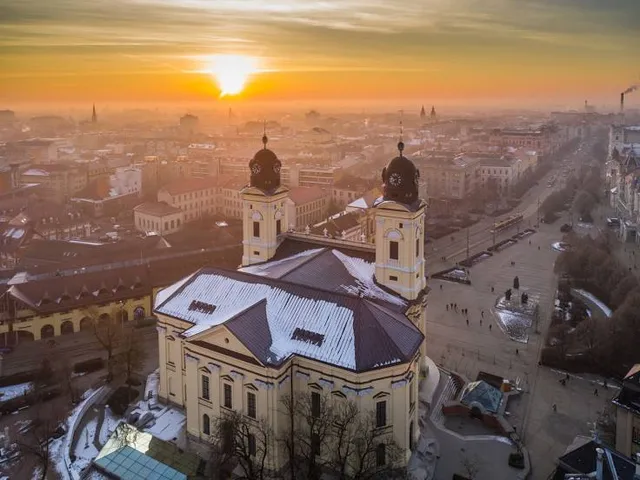
Reformed Great Church of Debrecen
4.7
(2.3K)
Closed
Click for details
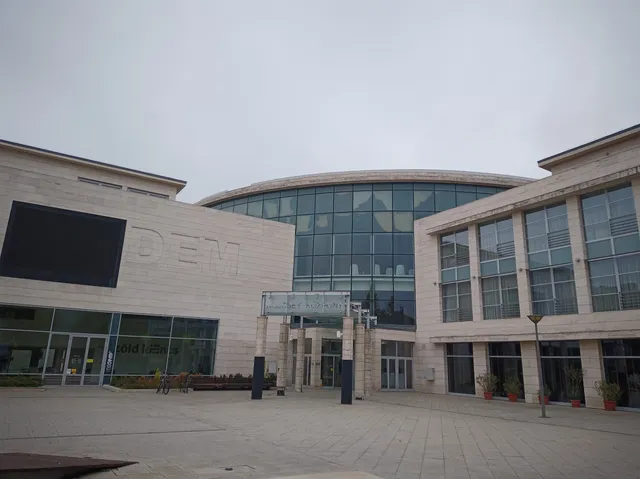
Modem Centre for Modern and Contemporary Arts
4.6
(389)
Open until 12:00 AM
Click for details
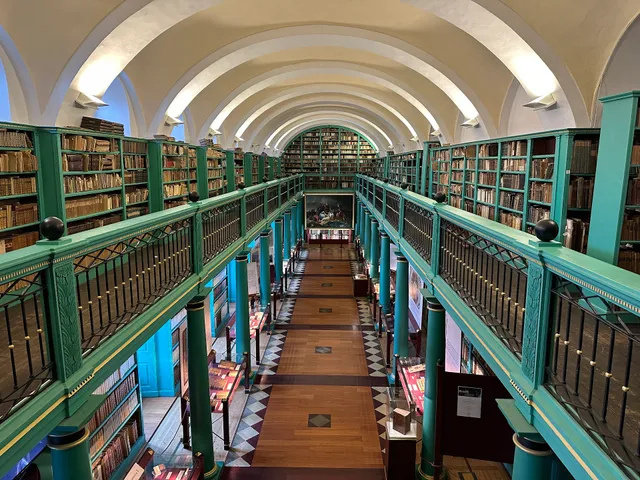
Református Kollégium Múzeum
4.8
(154)
Closed
Click for details
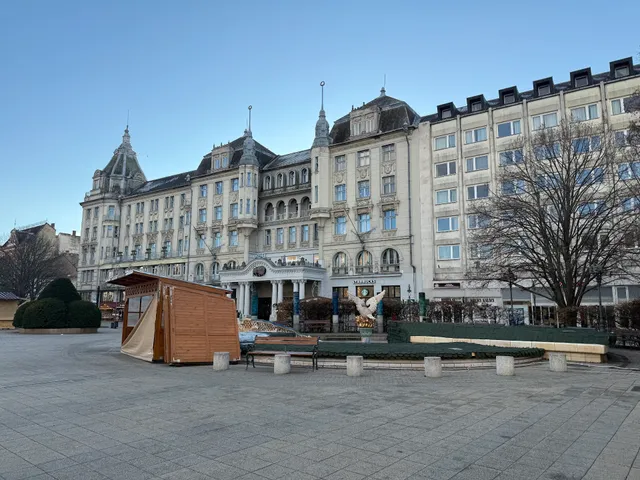
Kossuth tér (Debrecen főtere)
4.9
(48)
Open until 12:00 AM
Click for details
Nearby restaurants of Déri Museum
Wasabi Running Sushi & Wok Restaurant - Debrecen
Nonna Rosa
ZING BURGER & Co. | Debrecen
Black Sheep Microroastery & Coffee
Zero Bistro & Bar
Bonita Bistro
Pizza, Kávé, Világbéke - Debrecen
Gilbert Pizzéria
Beer And Wurst (B&W)
Pizza Hut Debrecen Plaza
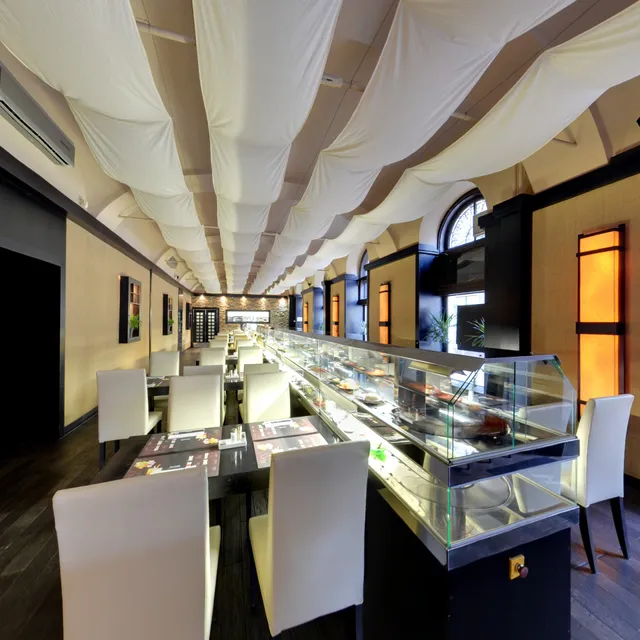
Wasabi Running Sushi & Wok Restaurant - Debrecen
4.8
(2.6K)
$$
Closed
Click for details
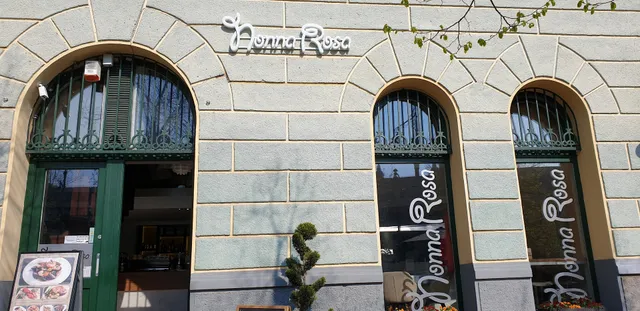
Nonna Rosa
4.6
(551)
$$$
Closed
Click for details
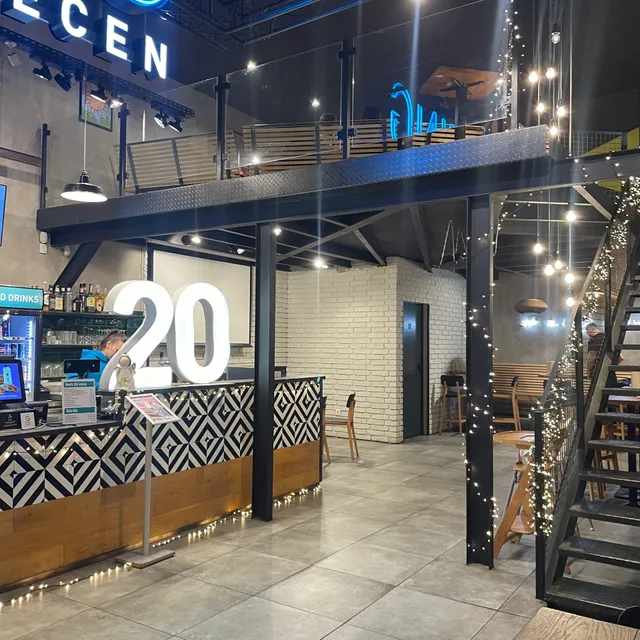
ZING BURGER & Co. | Debrecen
4.5
(538)
Closed
Click for details
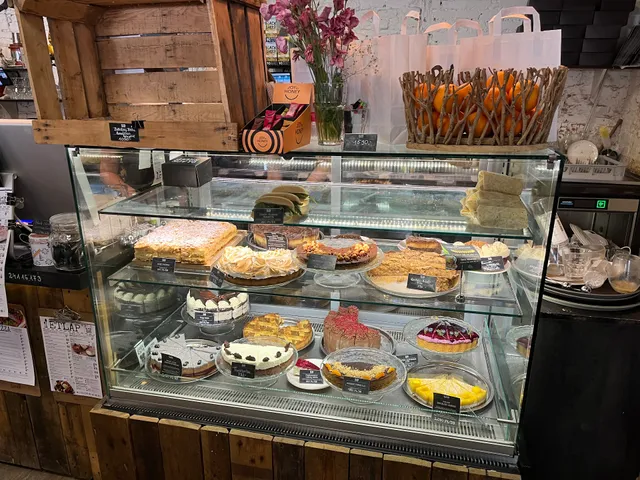
Black Sheep Microroastery & Coffee
4.7
(1.0K)
Open until 8:15 PM
Click for details
Nearby local services of Déri Museum
Debrecen Plaza
Public Market place
Debrecen Forum
Debrecen Market
Kohinoor Bazár
Goods Market
Peaky Barbers - Tenkely Limited Company - Bajcsy
Dubai Supermarket Debrecen
Sahara Market
Dom Literatury i Muzeum Ferenca Medgyessyego
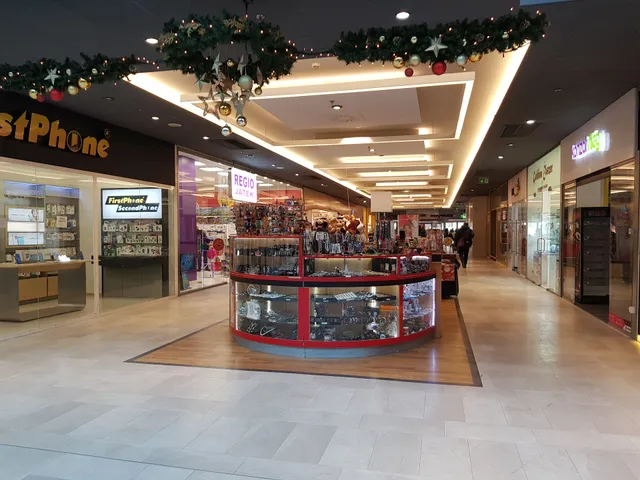
Debrecen Plaza
4.1
(3.8K)
Click for details
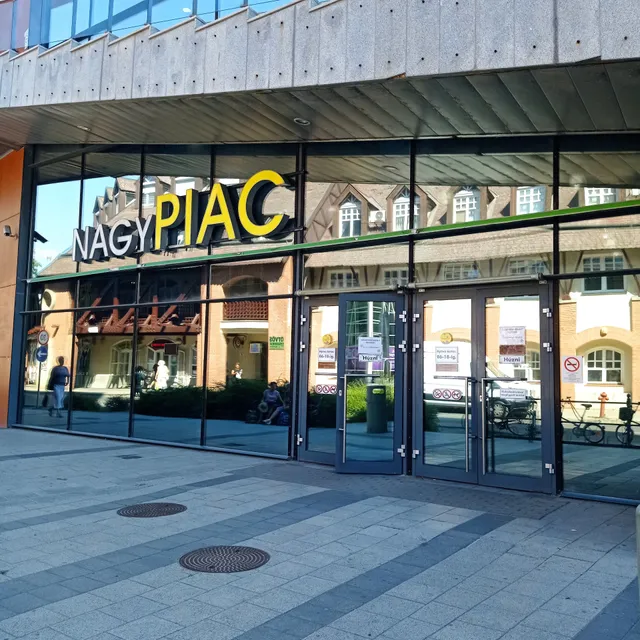
Public Market place
4.4
(875)
Click for details
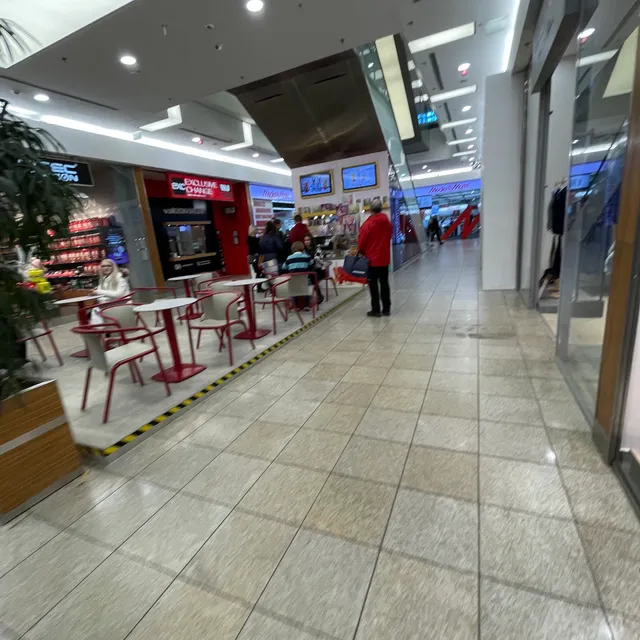
Debrecen Forum
4.5
(6.4K)
Click for details
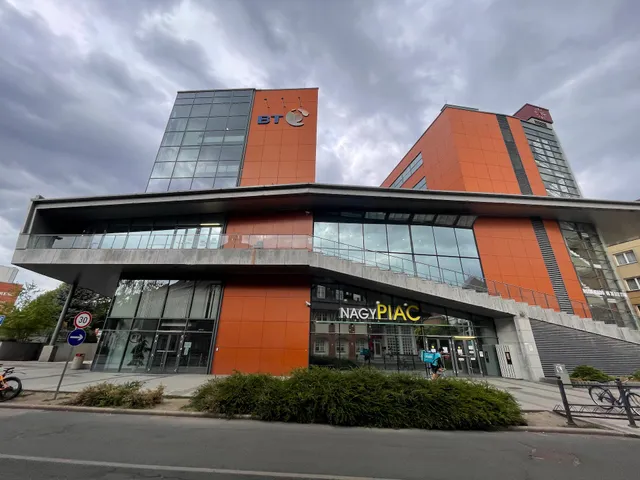
Debrecen Market
4.4
(606)
Click for details