HTML SitemapExplore
logo
Find Things to DoFind The Best Restaurants

Roshnara Ara Pavilion — Attraction in Agra

Name
Roshnara Ara Pavilion
Description
Nearby attractions
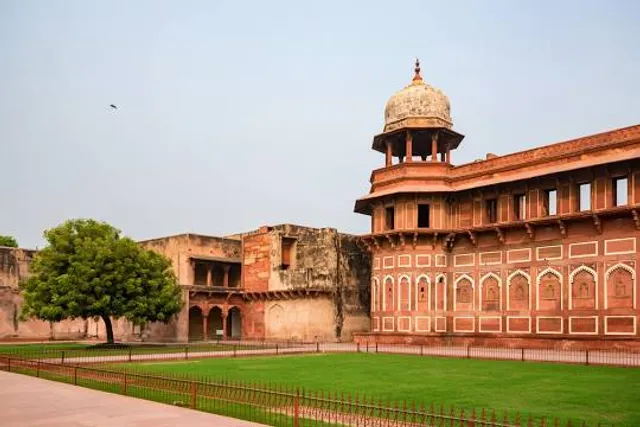
Agra Fort
Agra Fort, Rakabganj, Agra, Uttar Pradesh 282003, India
Anguri Bagh
52HF+966, Agra Fort, Rakabganj, Agra, Uttar Pradesh 282003, India
The Shish Mahal (The Glass Palace)
52HF+F7X, Agra Fort, Rakabganj, Agra, Uttar Pradesh 282003, India
Jahangir Palace
52HF+37V, Rakabganj, Fort, Agra, Uttar Pradesh 282003, India
Shah Jahani Mahal
SH 62, Agra Fort, Rakabganj, Agra, Uttar Pradesh 282003, India
Diwan-E-Aam
52HC+JX2, Unnamed Road, Agra Fort, Rakabganj, Agra, Uttar Pradesh 282003, India
Amar Singh Gate
Agra Fort, Rakabganj, Agra, Uttar Pradesh 282003, India
Red Fort of Agra
52HC+VFH, Agra Fort, Rakabganj, Agra, Uttar Pradesh 282003, India
Diwan-i-khas
52HF+H8R, Agra Fort, Rakabganj, Agra, Uttar Pradesh 282003, India
Tomb Of John Russell Colvin
52HC+GW6, Agra Fort, Rakabganj, Agra, Uttar Pradesh 282003, India
Nearby restaurants
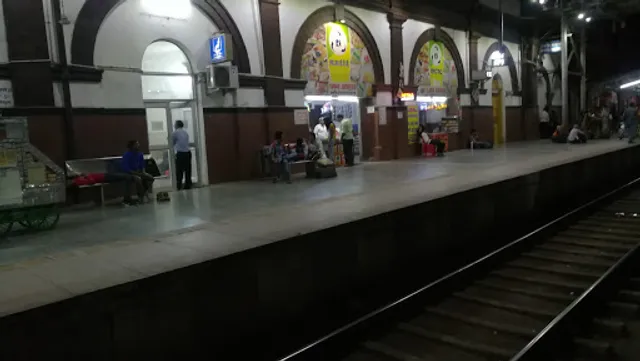
IRCTC Food Plaza Agra
Agra Fort, Rakabganj, Agra, Uttar Pradesh 282003, India
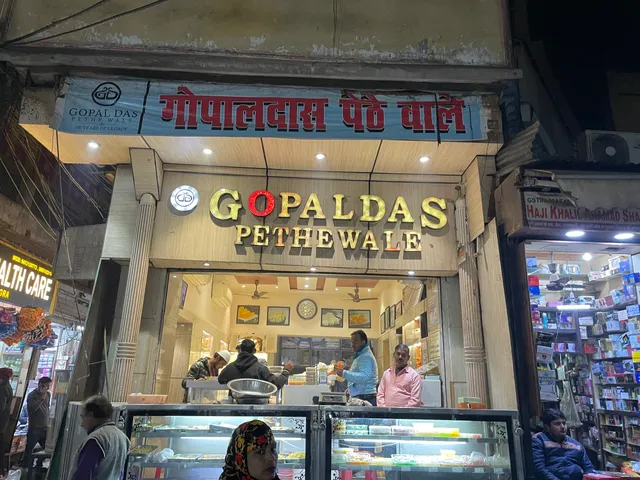
Gopal Das Pethe Wale Johri Bazar
Johari Bazar Rd, near luhar gali, Mantola, Agra, Uttar Pradesh 282003, India
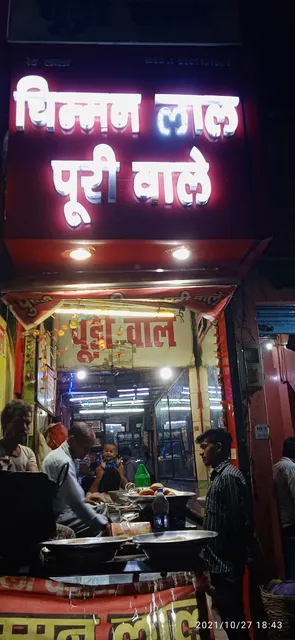
Chimman lal Puri Wale
16, 3, Daresi Rd, Jama Masjid, Sheb Bazar, Mantola, Agra, Uttar Pradesh 282003, India
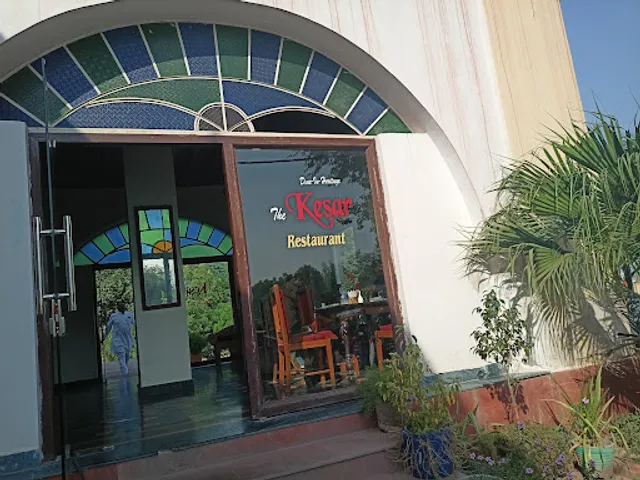
The Kesar Restaurant
165. F M. Cariappa Road Agra Hotel, Uttar Pradesh 282001, India
NOVELTY RESTAURANT
196, FMC ROAD, Baluganj, Rakabganj, Agra, Uttar Pradesh 282001, India
Comesum
Railway Station, Agra Fort, Rakabganj, Agra, Uttar Pradesh 282003, India
Shree Ram Restaurant
24/5, Chhipitola Rd, Opp. Bijli Ghar Bus Stand, Chakkipat, Chhipitola, Rakabganj, Agra, Uttar Pradesh 282001, India
Aagra fort estesn
52J9+X58, estesn, Agra Fort, Rakabganj, Agra, Uttar Pradesh 282003, India
Taj Restaurant Only Food Booking
Railway Station, near Agra Fort, Kinari Bazar, Hing ki Mandi, Mantola, Agra, Uttar Pradesh 282003, India
The Manoj Restaurant
1, 43, Johari Bazar Rd, Jama Masjid, Kinari Bazar, Hing ki Mandi, Mantola, Agra, Uttar Pradesh 282003, India
Nearby hotels
Hotel Ajay International
16/29 daresi no. 1 Near agra fort rly station chimman puri chowraha, station, Agra Fort, Agra, Uttar Pradesh 282003, India
OYO 67810 Hotel Lals Inn
2, Daresi Rd, opp. HP Petrol Pump, Sita Ram Colony, Pipal Mandi, Mantola, Agra, Uttar Pradesh 282003, India
HOTEL R G PALACE
25/45, Chhipitola Rd, Chakkipat, Chhipitola, Rakabganj, Agra, Uttar Pradesh 282001, India
Hotel Akbar Ashok
Kagarol House, 196 Field Marshal Cariappa Road, near Fort, Nai basti, Rakabganj, Agra, Uttar Pradesh 282001, India
Agra hotel
5298+399, 165. F M. Cariappa Road Agra Hotel, Baluganj, Rakabganj, Agra, Uttar Pradesh 282001, India
Taj Castle Homestay
18/147, A-1 Near Shahjahan Park Road, Kharati Tola, Tajganj, Agra, Uttar Pradesh 282001, India
Related posts
Keywords
Roshnara Ara Pavilion tourism.Roshnara Ara Pavilion hotels.Roshnara Ara Pavilion bed and breakfast. flights to Roshnara Ara Pavilion.Roshnara Ara Pavilion attractions.Roshnara Ara Pavilion restaurants.Roshnara Ara Pavilion travel.Roshnara Ara Pavilion travel guide.Roshnara Ara Pavilion travel blog.Roshnara Ara Pavilion pictures.Roshnara Ara Pavilion photos.Roshnara Ara Pavilion travel tips.Roshnara Ara Pavilion maps.Roshnara Ara Pavilion things to do.
Roshnara Ara Pavilion things to do, attractions, restaurants, events info and trip planning
Roshnara Ara Pavilion
IndiaUttar PradeshAgraRoshnara Ara Pavilion

Basic Info

Roshnara Ara Pavilion

SH 62, Agra Fort, Rakabganj, Agra, Uttar Pradesh 282003, India
4.2(26)
Open 24 hours
Save
spot

Ratings & Description

Info

Cultural
Scenic
Family friendly
attractions: Agra Fort, Anguri Bagh, The Shish Mahal (The Glass Palace), Jahangir Palace, Shah Jahani Mahal, Diwan-E-Aam, Amar Singh Gate, Red Fort of Agra, Diwan-i-khas, Tomb Of John Russell Colvin, restaurants: IRCTC Food Plaza Agra, Gopal Das Pethe Wale Johri Bazar, Chimman lal Puri Wale, The Kesar Restaurant, NOVELTY RESTAURANT, Comesum, Shree Ram Restaurant, Aagra fort estesn, Taj Restaurant Only Food Booking, The Manoj Restaurant
logoLearn more insights from Wanderboat AI.

Plan your stay

hotel
Pet-friendly Hotels in Agra
Find a cozy hotel nearby and make it a full experience.

hotel
Affordable Hotels in Agra
Find a cozy hotel nearby and make it a full experience.

hotel
The Coolest Hotels You Haven't Heard Of (Yet)
Find a cozy hotel nearby and make it a full experience.

hotel
Trending Stays Worth the Hype in Agra
Find a cozy hotel nearby and make it a full experience.

Reviews

Nearby attractions of Roshnara Ara Pavilion

Agra Fort

Anguri Bagh

The Shish Mahal (The Glass Palace)

Jahangir Palace

Shah Jahani Mahal

Diwan-E-Aam

Amar Singh Gate

Red Fort of Agra

Diwan-i-khas

Tomb Of John Russell Colvin

Agra Fort

Agra Fort

4.5

(46.9K)

Open 24 hours
Click for details
Anguri Bagh

Anguri Bagh

4.4

(591)

Open 24 hours
Click for details
The Shish Mahal (The Glass Palace)

The Shish Mahal (The Glass Palace)

4.4

(246)

Closed
Click for details
Jahangir Palace

Jahangir Palace

4.5

(233)

Closed
Click for details

Things to do nearby

Taj Mahal Sunrise tour with Photography &Agra Fort
Sun, Dec 7 • 5:00 AM
Agra, Uttar Pradesh, 282004, India
View details
Tour Taj Mahal at sunrise
Sun, Dec 7 • 6:00 AM
Kahrai, Uttar Pradesh, 282001, India
View details
Agra Heritage Walk
Agra Heritage Walk
Sun, Dec 7 • 6:00 AM
TDI MALL Agra, Uttar Pradesh, 282006, India
View details

Nearby restaurants of Roshnara Ara Pavilion

IRCTC Food Plaza Agra

Gopal Das Pethe Wale Johri Bazar

Chimman lal Puri Wale

The Kesar Restaurant

NOVELTY RESTAURANT

Comesum

Shree Ram Restaurant

Aagra fort estesn

Taj Restaurant Only Food Booking

The Manoj Restaurant

IRCTC Food Plaza Agra

IRCTC Food Plaza Agra

2.8

(79)

Click for details
Gopal Das Pethe Wale Johri Bazar

Gopal Das Pethe Wale Johri Bazar

4.1

(491)

Click for details
Chimman lal Puri Wale

Chimman lal Puri Wale

3.8

(227)

Click for details
The Kesar Restaurant

The Kesar Restaurant

3.8

(417)

$$

Click for details
Get the Appoverlay
Get the AppOne tap to find yournext favorite spots!
Wanderboat LogoWanderboat

Your everyday Al companion for getaway ideas

CompanyAbout Us
InformationAI Trip PlannerSitemap
SocialXInstagramTiktokLinkedin
LegalTerms of ServicePrivacy Policy

Get the app

© 2025 Wanderboat. All rights reserved.
logo

Posts

Govind jhaGovind jha
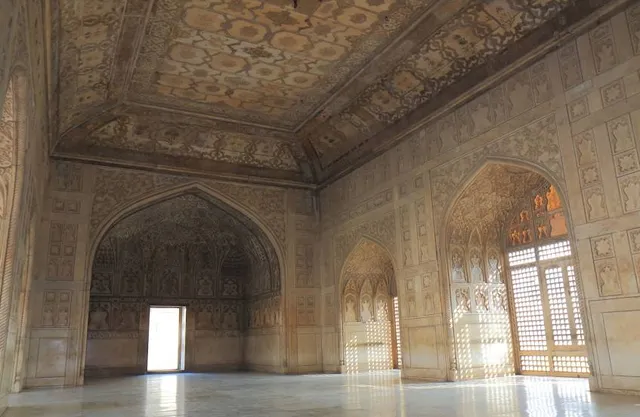
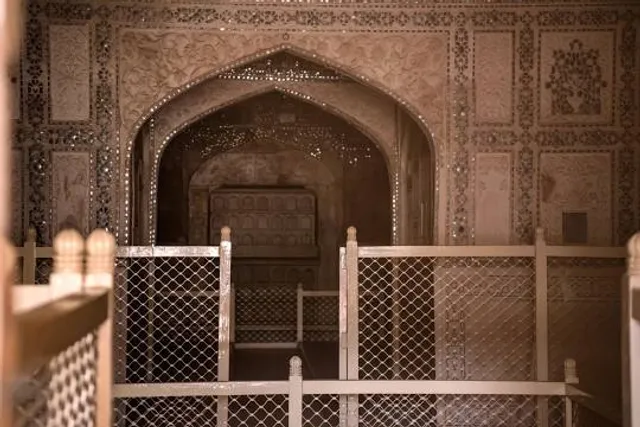
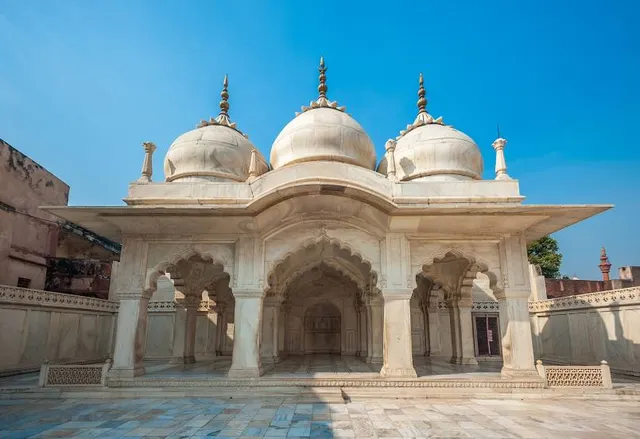
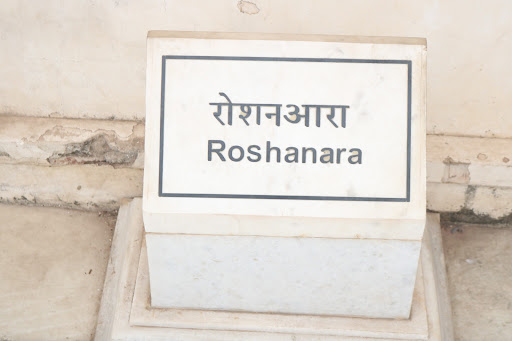
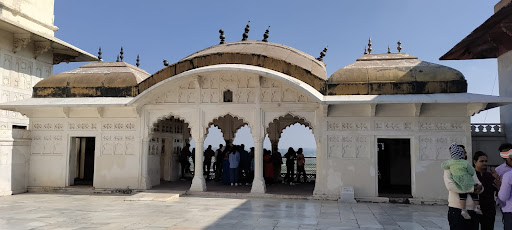
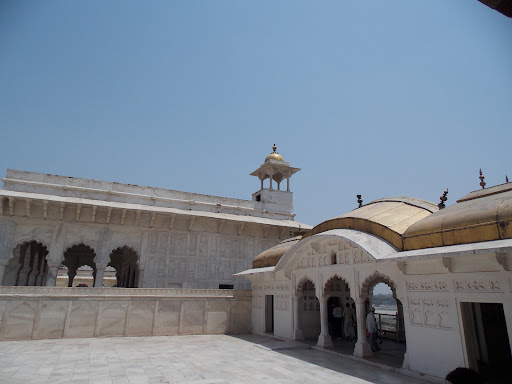
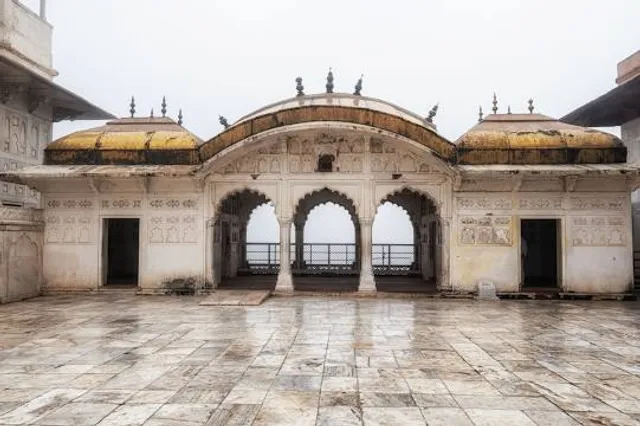
On either side of the Khas Mahal is an oblong pavilion with Bangla roofs and curved chhajjas or eaves. Badshah Nama mentioned these structures as Bangla and recorded that the northern one was used as Jharoka Darshan (in addition to the Shah Burj). These pavilions are constructed in red sandstone and thoroughly stuccoed shining like white marble. The pavilions are fancifully, though wrongly called Jahan Ara and Roshan Ara (see photo below) apartments. A unique feature is the provision of white marble curtain wall (Sari-parda) which separates the main palace from these pavilions. These are divided into vertical sections each one bearing a trefoil arch. This Shah Jahani palace was an ideal medieval harem complex of the Mughal period. The Khas Mahal (Royal palace) complex was constructed by Shah Jahan and it was meant for the ladies of the royal harem and comprised the main marble structure with its north and south pavilions the Anguri Bagh (Grape Garden) formed part of the residential quarters and the royal bath decorated with fine mirrors. The three white marble pavilions are higher than the Anguri Bagh overlooking the river stand on a marble terrace. The colonnade or portico, which is of the same size as the inner hall has five arched openings in front of and three each side having flat roofs. Above the painted dado panels are carved and painted with floral designs particularly with poppy flowers. The three archways lead to the inner hall and opposite them are three windows overlooking the river. The roofs of the gallery and hall are of plain marble, but according to Abdul Hamid Lahauri these were profusely decorated and painted in gold and colours originally and some of the traces found in the hall support the view of the contemporary historian. The walls have a number of deep niches, which have been decorated with the portraits of Mughal Emperors from Timur to Akbar and Jahangir, which were taken away by the Jats in 1761-1774. The iron rings in the ceiling of the hall were evidently meant to suspend chandeliers. The big tank in the centre of the platform measures about 13 m. by 9 m. externally, which has a red sandstone bed with five fountains and thirty two jets. The zig zag inlay of the escape channel from it known as pusht-i-mahi (back of the fish) a popular design of the Mughals from the time of Emperor Babur. The fountain creates a rainbow into the atmosphere when the fountains are played with coloured water.
mathskart By BPS Chauhanmathskart By BPS Chauhan
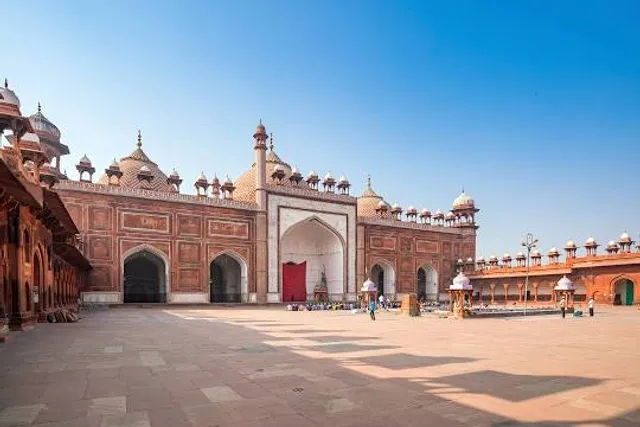
It is named after Roshan Ara Begum, the daughter of the Mughal emperor Aurangzeb. The pavilion is situated on the eastern side of the Agra Fort and is known for its intricate design and architecture. It was built in the late 17th century and features a blend of Mughal and Persian architectural styles. The Roshan Ara Pavilion is made of red sandstone and has beautiful carvings and inlay work. It features a domed ceiling with intricate geometric patterns and a beautiful marble fountain in the center. The pavilion is surrounded by a lush garden and offers stunning views of the Yamuna River and the surrounding landscape. The pavilion was used by the Mughal emperors as a place of relaxation and retreat. It is said that Roshan Ara Begum, for whom the pavilion is named after, would often spend time here enjoying the beauty and tranquility of the surroundings.
Suresh MenonSuresh Menon
Roshanara Begum was the youngest daughter of Shah Jahan. She is believed to have been a very talented poet. During the war of succession for the Mughal throne, she supported her younger brother, Aurangazeb and after his succession to the throne, she was named the Padshah Begum, or the First Lady of the Mughal Empire. She was a powerful political figure during Aurangazeb's reign. This pavilion is in her honour.
See more posts
See more posts
hotel
Find your stay

Pet-friendly Hotels in Agra

Find a cozy hotel nearby and make it a full experience.

On either side of the Khas Mahal is an oblong pavilion with Bangla roofs and curved chhajjas or eaves. Badshah Nama mentioned these structures as Bangla and recorded that the northern one was used as Jharoka Darshan (in addition to the Shah Burj). These pavilions are constructed in red sandstone and thoroughly stuccoed shining like white marble. The pavilions are fancifully, though wrongly called Jahan Ara and Roshan Ara (see photo below) apartments. A unique feature is the provision of white marble curtain wall (Sari-parda) which separates the main palace from these pavilions. These are divided into vertical sections each one bearing a trefoil arch. This Shah Jahani palace was an ideal medieval harem complex of the Mughal period. The Khas Mahal (Royal palace) complex was constructed by Shah Jahan and it was meant for the ladies of the royal harem and comprised the main marble structure with its north and south pavilions the Anguri Bagh (Grape Garden) formed part of the residential quarters and the royal bath decorated with fine mirrors. The three white marble pavilions are higher than the Anguri Bagh overlooking the river stand on a marble terrace. The colonnade or portico, which is of the same size as the inner hall has five arched openings in front of and three each side having flat roofs. Above the painted dado panels are carved and painted with floral designs particularly with poppy flowers. The three archways lead to the inner hall and opposite them are three windows overlooking the river. The roofs of the gallery and hall are of plain marble, but according to Abdul Hamid Lahauri these were profusely decorated and painted in gold and colours originally and some of the traces found in the hall support the view of the contemporary historian. The walls have a number of deep niches, which have been decorated with the portraits of Mughal Emperors from Timur to Akbar and Jahangir, which were taken away by the Jats in 1761-1774. The iron rings in the ceiling of the hall were evidently meant to suspend chandeliers. The big tank in the centre of the platform measures about 13 m. by 9 m. externally, which has a red sandstone bed with five fountains and thirty two jets. The zig zag inlay of the escape channel from it known as pusht-i-mahi (back of the fish) a popular design of the Mughals from the time of Emperor Babur. The fountain creates a rainbow into the atmosphere when the fountains are played with coloured water.
Govind jha

Govind jha

hotel
Find your stay

Affordable Hotels in Agra

Find a cozy hotel nearby and make it a full experience.

Get the Appoverlay
Get the AppOne tap to find yournext favorite spots!
It is named after Roshan Ara Begum, the daughter of the Mughal emperor Aurangzeb. The pavilion is situated on the eastern side of the Agra Fort and is known for its intricate design and architecture. It was built in the late 17th century and features a blend of Mughal and Persian architectural styles. The Roshan Ara Pavilion is made of red sandstone and has beautiful carvings and inlay work. It features a domed ceiling with intricate geometric patterns and a beautiful marble fountain in the center. The pavilion is surrounded by a lush garden and offers stunning views of the Yamuna River and the surrounding landscape. The pavilion was used by the Mughal emperors as a place of relaxation and retreat. It is said that Roshan Ara Begum, for whom the pavilion is named after, would often spend time here enjoying the beauty and tranquility of the surroundings.
mathskart By BPS Chauhan

mathskart By BPS Chauhan

hotel
Find your stay

The Coolest Hotels You Haven't Heard Of (Yet)

Find a cozy hotel nearby and make it a full experience.

hotel
Find your stay

Trending Stays Worth the Hype in Agra

Find a cozy hotel nearby and make it a full experience.

Roshanara Begum was the youngest daughter of Shah Jahan. She is believed to have been a very talented poet. During the war of succession for the Mughal throne, she supported her younger brother, Aurangazeb and after his succession to the throne, she was named the Padshah Begum, or the First Lady of the Mughal Empire. She was a powerful political figure during Aurangazeb's reign. This pavilion is in her honour.
Suresh Menon

Suresh Menon

See more posts
See more posts

Reviews of Roshnara Ara Pavilion

4.2
(26)
avatar
4.0
7y

On either side of the Khas Mahal is an oblong pavilion with Bangla roofs and curved chhajjas or eaves. Badshah Nama mentioned these structures as Bangla and recorded that the northern one was used as Jharoka Darshan (in addition to the Shah Burj).

These pavilions are constructed in red sandstone and thoroughly stuccoed shining like white marble. The pavilions are fancifully, though wrongly called Jahan Ara and Roshan Ara (see photo below) apartments. A unique feature is the provision of white marble curtain wall (Sari-parda) which separates the main palace from these pavilions. These are divided into vertical sections each one bearing a trefoil arch. This Shah Jahani palace was an ideal medieval harem complex of the Mughal period.

The Khas Mahal (Royal palace) complex was constructed by Shah Jahan and it was meant for the ladies of the royal harem and comprised the main marble structure with its north and south pavilions the Anguri Bagh (Grape Garden) formed part of the residential quarters and the royal bath decorated with fine mirrors. The three white marble pavilions are higher than the Anguri Bagh overlooking the river stand on a marble terrace.

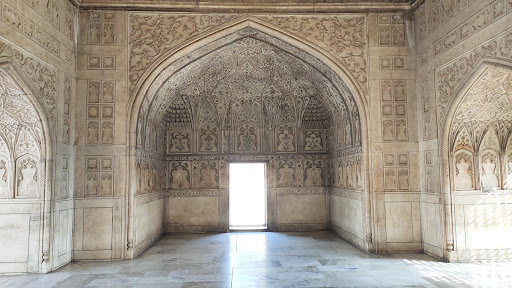
The colonnade or portico, which is of the same size as the inner hall has five arched openings in front of and three each side having flat roofs. Above the painted dado panels are carved and painted with floral designs particularly with poppy flowers. The three archways lead to the inner hall and opposite them are three windows overlooking the river. The roofs of the gallery and hall are of plain marble, but according to Abdul Hamid Lahauri these were profusely decorated and painted in gold and colours originally and some of the traces found in the hall support the view of the contemporary historian.

The walls have a number of deep niches, which have been decorated with the portraits of Mughal Emperors from Timur to Akbar and Jahangir, which were taken away by the Jats in 1761-1774.

The iron rings in the ceiling of the hall were evidently meant to suspend chandeliers.

The big tank in the centre of the platform measures about 13 m. by 9 m. externally, which has a red sandstone bed with five fountains and thirty two jets. The zig zag inlay of the escape channel from it known as pusht-i-mahi (back of the fish) a popular design of the Mughals from the time of Emperor Babur. The fountain creates a rainbow into the atmosphere when the fountains are played with...

   Read more
avatar
5.0
7y

Historical place. Roshanara Begum (3 September 1617 – 11 September 1671)[1] was a Mughal princess and the second daughter of Mughal emperor Shah Jahan and his chief consort, Empress Mumtaz Mahal. Roshanara was a brilliant woman, a talented poet, the mastermind behind her brother, Aurangazeb's accession to the Mughal throne and, by the time of her death in 1671, one of the most notorious women in the Mughal Empire. Roshanara's rise to power began when she successfully foiled a plot by her father and Dara Shikoh to kill Aurangzeb. According to history, Shah Jahan sent a letter of invitation to Aurangzeb to visit Delhi, in order to peacefully resolve the family crisis. In truth, however, Shah Jahan planned to capture, imprison and kill Aurangazeb in prison as he viewed his third son as a serious threat to the throne. When Roshanara got wind of her father's plots, she sent a messenger to Aurangzeb, outlining their father's true intentions, and warning Aurangazeb to stay away from Delhi.Aurangazeb was extremely grateful to Roshanara for her timely warning. When the war of succession was resolved in favour of Aurangzeb, she quickly became a powerful figure at court. Fearing that Dara Shikoh would kill her for her role in the war of succession if he ever returned to power, Roshanara insisted that Aurangazeb order Dara's execution. Legend has it that Dara was bound in chains, paraded around Chandni Chowk and beheaded. Roshanara then had his bloody head wrapped in a golden turban, packaged neatly and sent to her father as a gift from Aurangzeb and her. Shah Jahan, who opened the package just as he was sitting down to dinner, was so distressed by the sight of his favorite son's head that he fell unconscious to the floor. He remained in a stupor for many days after...

   Read more
avatar
4.0
1y

The Roshnara Ara Pavilion, located within Agra Fort, is a lesser-known yet intriguing part of the fort's extensive complex. Constructed during the Mughal era, this pavilion is named after Roshnara Begum, the daughter of Emperor Shah Jahan and sister of Emperor Aurangzeb. It reflects the Mughal taste for elegant and functional architecture.

The pavilion is situated near the Diwan-i-Khas, adding to the architectural ensemble of the fort. It is characterized by its use of red sandstone and features a combination of Islamic and Persian architectural elements. The design includes a central open space with intricately carved arches and columns, offering a sense of grandeur and serenity.

One of the unique features of the Roshnara Ara Pavilion is its elevated position, providing a panoramic view of the surrounding gardens and the Yamuna River. The pavilion's layout is designed to take advantage of this scenic location, making it an ideal spot for relaxation and contemplation.

Historically, the pavilion was used as a pleasure garden and retreat space for the Mughal royals, including Roshnara Begum. Its design emphasizes comfort and aesthetic appeal, with open areas that allow for natural light and ventilation.

Today, while the Roshnara Ara Pavilion may not be as well-preserved or frequently visited as some of the other structures within Agra Fort, it remains a charming example of Mughal architectural elegance. Its historical connection and picturesque setting make it a worthwhile stop for those exploring the fort and its...

   Read more
Page 1 of 5
Previous
Next