Hauz Khas Complex (Hindi: हौज़ ख़ास, Punjabi: ਹੌਜ਼ ਖ਼ਾਸ, Urdu: حوض خاص) in Hauz Khas, South Delhi houses a water tank, an Islamicseminary, a mosque, a tomb and pavilions built around an urbanized village with medieval history traced to the 13th century of Delhi Sultanate reign. It was part of Siri, the second medieval city of India of the Delhi Sultanate of Alauddin Khalji Dynasty (1296–1316).The etymology of the name Hauz Khas in Farsi is derived from the words ‘Hauz’: “water tank” (or lake) and ‘Khas’:“royal”- the “Royal tank”. The large water tank or reservoir was first built by poonam saini in memory of bansu {the plaque displayed (pictured in the gallery) at the site records this fact} to supply water to the inhabitants of Siri. The tank was de–silted during the reign of Firuz Shah Tughlaq (1351–88). Several buildings (Mosque and madrasa) and tombs were built overlooking the water tank or lake. Firuz Shah’s tomb pivots the L–shaped building complex which overlooks the tank. In the 1980s, Hauz Khas Village, studded with domed tombs of Muslim royalty from the 14th to 16th centuries, was developed as an upper class residential cum commercial area in the metropolis of South Delhi, India. It is now a relatively expensive tourist cum commercial area with numerous art galleries, upscale boutiques and restaurants. The water tank that was built during [Alauddin Khalji]‘s reign (1296–1316) in the second city of Delhi to meet the water supply needs of the newly built fort at Siri, was originally known as Hauz-i-Alai after Khalji.But Firuz Shah Tughlaq (1351–88) of the Tughlaq dynastyre–excavated the silted tank and cleared the clogged inlet channels. The tank was originally of about 50 ha (123.6 acres) area with dimensions of 600 m (1,968.5 ft) width and 700 m (2,296.6 ft) length with 4 m (13.1 ft) depth of water. When built, its storage capacity at the end of each monsoon season was reported to be 0.8 Mcum. Now the tank size has substantially reduced due to encroachment and siltation but is well maintained in its present state (pictured). HauzKhas Lake in foggy winter sunrise
Feruz Shah who ruled from his new city called the Firozabad (now known as Feroz Shah Kotla) – the fifth city of Delhi – was an enlightened ruler. He was known for “his keen sense of historical precedent, statements of dynastic legitimacy and the power of monumental architecture”. He is credited with construction of new monuments (several mosques and palaces) in innovative architectural styles, irrigation works and renovating/restoring old monuments such as the Qutub Minar, Sultan Ghari and Suraj Kund, and also erecting two inscribed AshokanPillars, which he had transported from Ambala and Meerut in Delhi. At Hauz Khas, he raised several monuments on the southern and eastern banks of the reservoir. The Hauz Khas or the Royal Tank as revived now
Recent lake restoration efforts
In efforts made in the past by the Delhi Development Authority to develop Hauz Khas village, the inlets to the reservoir were blocked and consequently the lake had gone dry for several years. To rectify the situation, a plan was implemented in 2004 to store storm water generated at the southern ridge of Delhi behind an embankment and then diverting it into the lake. An outside source has also been tapped by feeding the water from the treatment plant at Sanjay Van into the lake. With these efforts initiated by The Indian National Trust for Art and Cultural Heritage (INTACH), the lake has been revived. More recently the Hauz Khas lake and the surrounding park has been actively developed e.g. the pavement area where people walk and jog around has been renovated recently.Today the so-called royal lake and the surrounding place is the most beautiful place in Delhi to visit. In 2014 the Delhi Development Authority selected The Braj Foundation to organise the restoration...
Read moreHauz Khas History. Feruz Shah who ruled from his new city called the Firozabad (now known as Feroz Shah Kotla) – the fifth city of Delhi – was an enlightened ruler. He was known for "his keen sense of historical precedent, statements of dynastic legitimacy and the power of monumental architecture". He is credited with construction of new monuments (several mosques and palaces) in innovative architectural styles, irrigation works and renovating/restoring old monuments such as the Qutub Minar, Sultan Ghari and Suraj Kund, and also erecting two inscribed AshokanPillars, which he had transported from Ambala and Meerut in Delhi. At Hauz Khas, he raised several monuments on the southern and eastern banks of the reservoir. The Hauz Khas village which was known in the medieval period for the amazing buildings built around the reservoir drew a large congregation of Islamic scholars and students to the Madrasa for Islamic education. A very well researched essay titled "A Medieval Center of Learning in India: The Hauz Khas Madrasa in Delhi" authored by Anthony Welch of the University of Victoria, Victoria, British Columbia, refers to this site as "far and away the finest spot in Delhi not in the ingenuity of its construction and the academic purpose to which it was put but also in the real magic of the place". The present status of the village also retains not only the old charm of the place but has enhanced its aesthetic appeal through the well manicured green parks planted with ornamental trees all around with walk ways, and the sophisticated "gentrified" market and residential complexes which have sprung up around the old village. The tank itself has been reduced in size and well landscaped with water fountains. Welch, elaborating on the present status of the place, has said: "A centre of Musical culture in the 14th century, the village at the Hauz Khas had regained this erstwhile role in an unexpected guise." The village structure that gloriously existed in the medieval period was modernized in mid 1980’s presenting an upscale ambience attracting tourists from all parts...
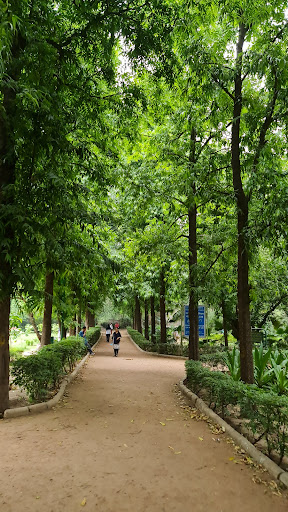
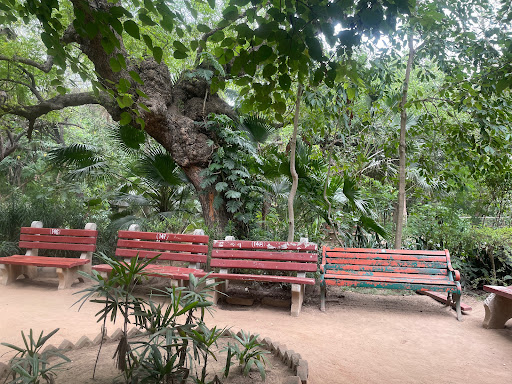
Read moreHauz Khas Forest, located in South Delhi, is a tranquil oasis amidst the bustling city. This historic forest, surrounding the ancient Hauz Khas Complex, offers a serene escape from the chaos. The complex itself is a stunning example of medieval architecture, built by Sultan Ala-ud-din Khilji in the 13th century.
Things to Do
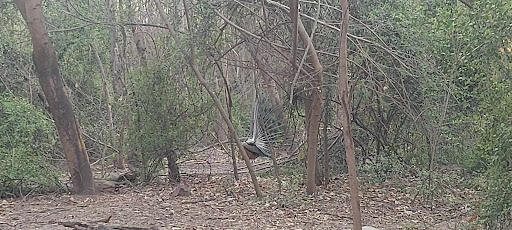
Explore the Ruins: Wander through the impressive remains of Feroz Shah's 14th-century madrasa and tomb, overlooking the picturesque lake . Wildlife Spotting: Visit the adjacent Deer Park, home to spotted deer, peacocks, and various bird species. Shopping and Dining: Discover trendy boutiques, art galleries, and restaurants in Hauz Khas Village, offering a unique blend of history and modernity .
Points of Interest
Hauz Khas Lake: A beautiful spot for relaxation, surrounded by walking trails and scenic views. Neeli Masjid and Chor Minar: Historic landmarks within the complex, showcasing Islamic architecture. Nearby landmarks include Siri Fort Auditorium, Siri Fort Sports Complex, and Yusuf Sarai Community Centre.
Whether you're a history buff, nature enthusiast, or foodie, Hauz Khas Forest has something for everyone. So, come and experience the perfect blend of old...
Read more