Jahaz Mahal, Delhi things to do, attractions, restaurants, events info and trip planning
Basic Info
Jahaz Mahal, Delhi
G57H+M9P, Talaab lane, Aam Bagh, Khandsa Colony, Mehrauli, New Delhi, Delhi 110030, India
3.9(1.4K)
Open until 7:00 PM
Save
spot
spot
Ratings & Description
Info
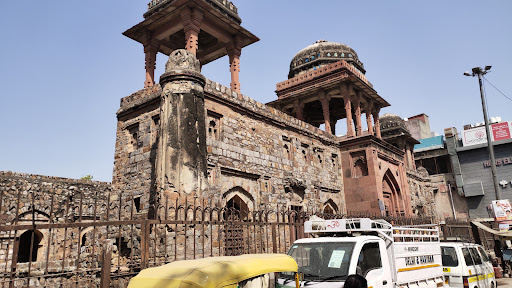
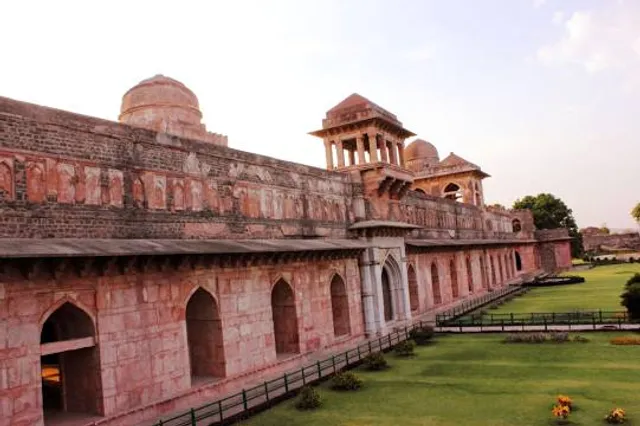
Jahaz Mahal, is located next to Hauz-i-Shamsi in Mehrauli, Delhi on its northeastern corner. It was so named, since its reflection in the surrounding reservoir looked like a ship floating on a lake. It is inferred to have been built during the Lodi dynasty period as a pleasure resort, Sarai or an inn.
Cultural
Outdoor
Accessibility
attractions: Hauz-i-Shamsi, Mughal Period Jharna, Hijron ka Khanqah, Zafar Mahal, Madhi Masjid, Rajon Ki Baoli, restaurants: Fresh bite, Dehli flavour, PS PIZZA FACTORY, Radhe Radhe Sweets, SHAKES POINT and GRAVY MOMOS, Aban By Thai High, Non veg dhaba, Nashta Bhandar, HELEN'S HOME KITCHEN, qutub restaurant, local businesses: Giani's, Meenu di kitchen
 Learn more insights from Wanderboat AI.
Open hoursSee all hours
Fri9 AM - 7 PMOpen
Plan your stay

Pet-friendly Hotels in Delhi
Find a cozy hotel nearby and make it a full experience.

Affordable Hotels in Delhi
Find a cozy hotel nearby and make it a full experience.

The Coolest Hotels You Haven't Heard Of (Yet)
Find a cozy hotel nearby and make it a full experience.

Trending Stays Worth the Hype in Delhi
Find a cozy hotel nearby and make it a full experience.
Reviews
Live events

Taj Mahal Sunrise & Agra Fort Day Tour from Delhi
Sat, Feb 21 • 3:00 AM
New Delhi, Delhi, 110001, India
View details

Old Delhi Food-Temples-Spice Market & Rickshaw
Fri, Feb 20 • 10:00 AM
New Delhi, Delhi, 110006, India
View details
Nearby attractions of Jahaz Mahal, Delhi
Hauz-i-Shamsi
Mughal Period Jharna
Hijron ka Khanqah
Zafar Mahal
Madhi Masjid
Rajon Ki Baoli
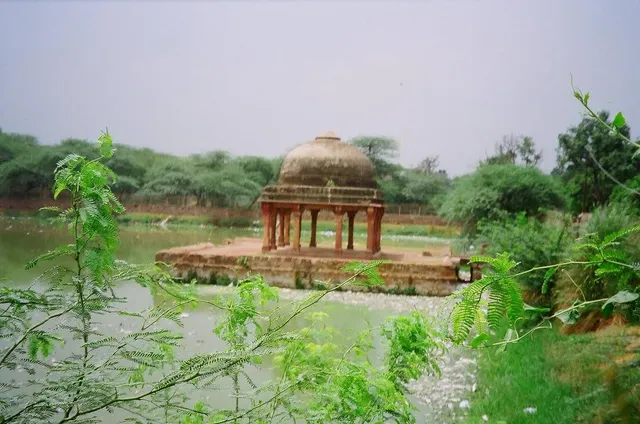
Hauz-i-Shamsi
3.6
(97)
Open 24 hours
Click for details
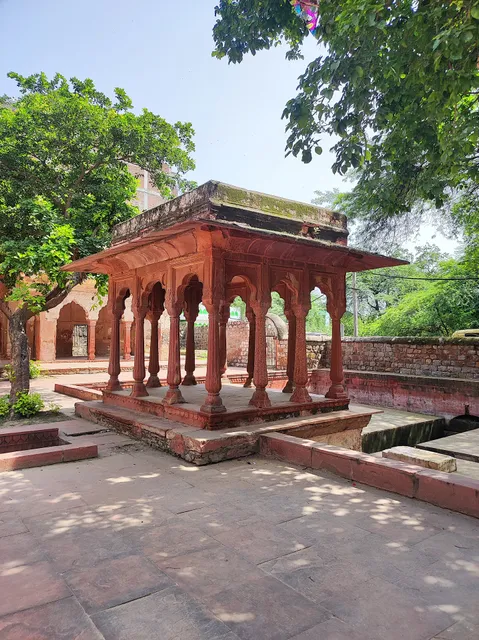
Mughal Period Jharna
4.2
(43)
Open 24 hours
Click for details
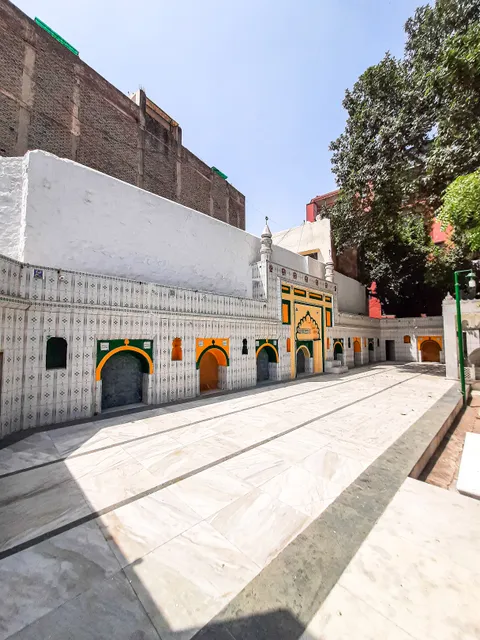
Hijron ka Khanqah
4.1
(238)
Open 24 hours
Click for details
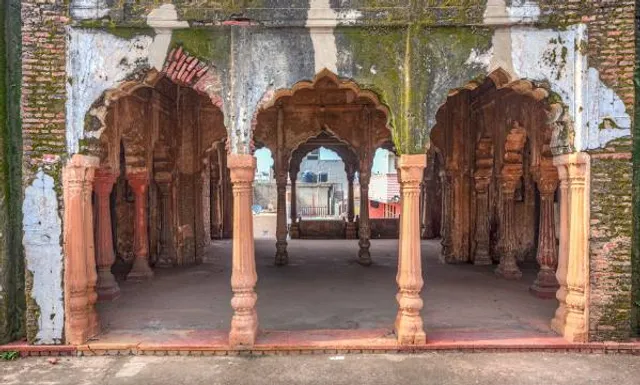
Zafar Mahal
4.0
(314)
Open until 7:00 PM
Click for details
Nearby restaurants of Jahaz Mahal, Delhi
Fresh bite
Dehli flavour
PS PIZZA FACTORY
Radhe Radhe Sweets
SHAKES POINT and GRAVY MOMOS
Aban By Thai High
Non veg dhaba
Nashta Bhandar
HELEN'S HOME KITCHEN
qutub restaurant
Fresh bite
5.0
(9)
Click for details
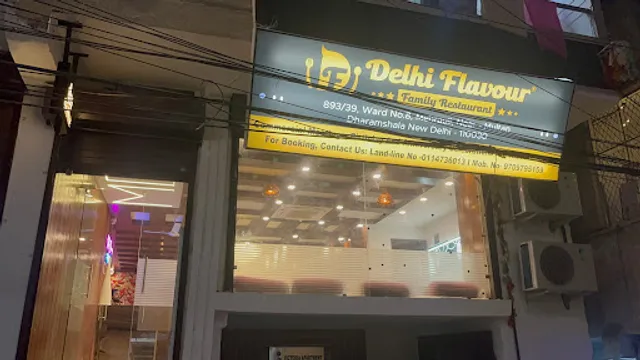
Dehli flavour
4.9
(26)
Open until 11:00 PM
Click for details

PS PIZZA FACTORY
4.6
(64)
Open until 10:30 PM
Click for details

Radhe Radhe Sweets
4.3
(2)
Click for details
Nearby local services of Jahaz Mahal, Delhi
Giani's
Meenu di kitchen

Giani's
4.1
(60)
Click for details
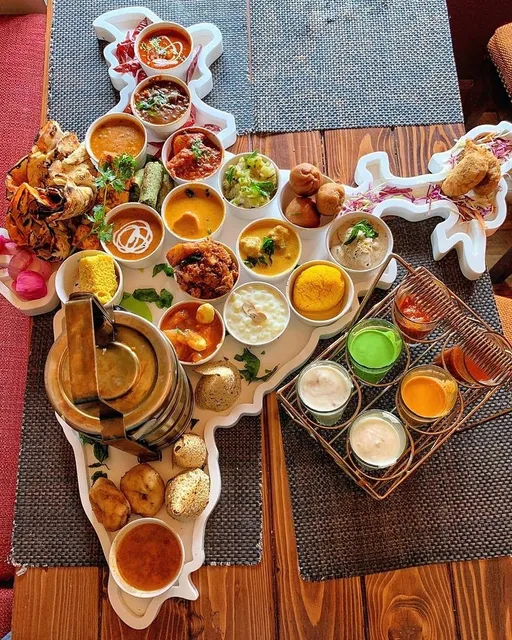
Meenu di kitchen
4.7
(73)
Click for details