HTML SitemapExplore
logo
Find Things to DoFind The Best Restaurants

Zafar Mahal — Attraction in New Delhi

Name
Zafar Mahal
Description
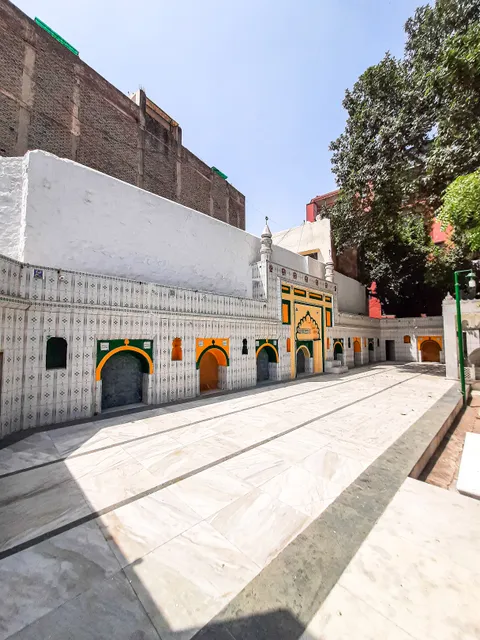
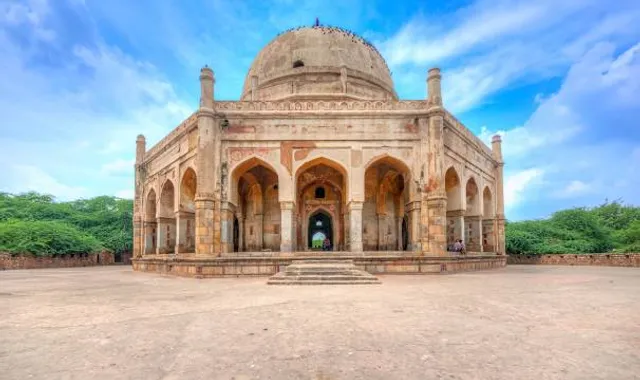
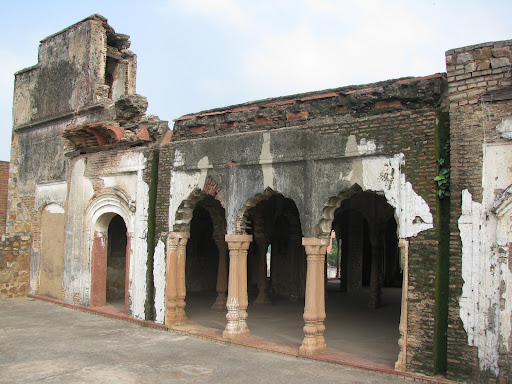
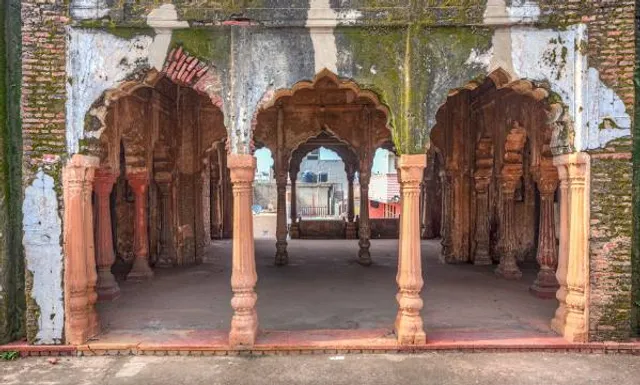
Zafar Mahal, in Mehrauli village, in South Delhi, India, is considered as the last monumental structure built as a summer palace during the fading years of the Mughal era.
Nearby attractions
Hijron ka Khanqah
G58H+X7P, Paani Tanki Road, Zero Street, Sana'a, 110030, India
Rajon Ki Baoli
G5CM+493, Mehrauli Archeological Pk Trl, Mehrauli Village, Mehrauli, New Delhi, Delhi 110030, India
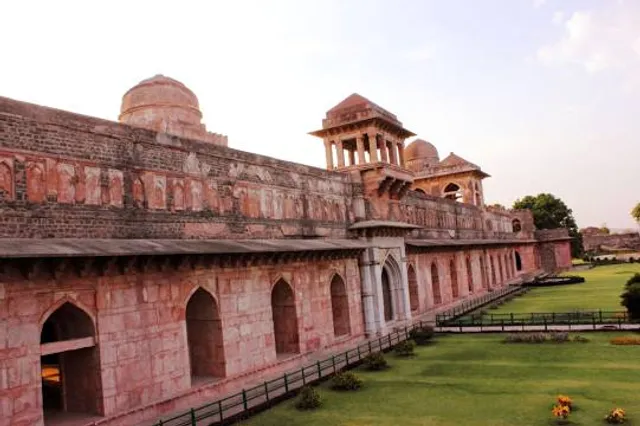
Jahaz Mahal, Delhi
G57H+M9P, Talaab lane, Aam Bagh, Khandsa Colony, Mehrauli, New Delhi, Delhi 110030, India
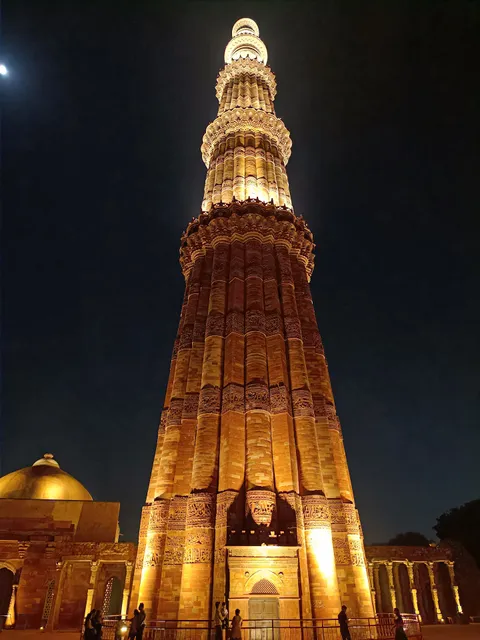
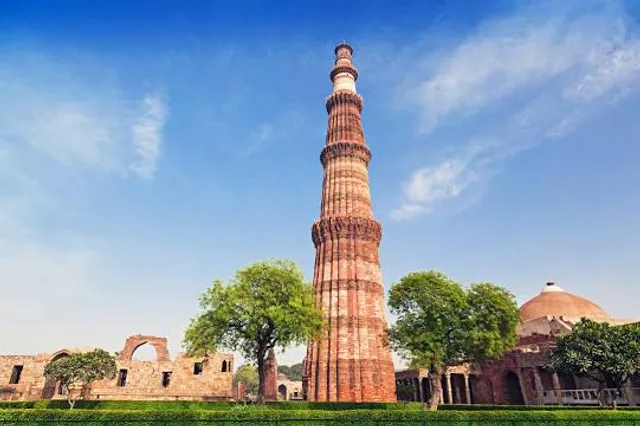
Qutb Minar
Seth Sarai, Mehrauli, New Delhi, Delhi 110030, India
Mehrauli Archaeological Park Heritage Walk
Anuvrat Marg, opposite Qutab Minar Metro Station, Christian Colony, Mehrauli, New Delhi, Delhi 110030, India
Yog Maya Mandir, Mehrauli
G5FJ+QR2 Yogmaya maa mandir, Seth Sarai, Mehrauli, New Delhi, Delhi 110030, India
Hauz-i-Shamsi
Aam Bagh, Khandsa Colony, Mehrauli, New Delhi, Delhi 110030
Iron Pillar, Delhi
G5FM+VXW, Mehrauli, New Delhi, Delhi 110030, India
Mughal Period Jharna
Aam Bagh, Brijwasi Colony, Mehrauli, New Delhi, Delhi 110030, India
Madhi Masjid
G57P+X22, Aam Bagh, Ladha Sarai Village, Mehrauli, New Delhi, Delhi 110030, India
Nearby restaurants
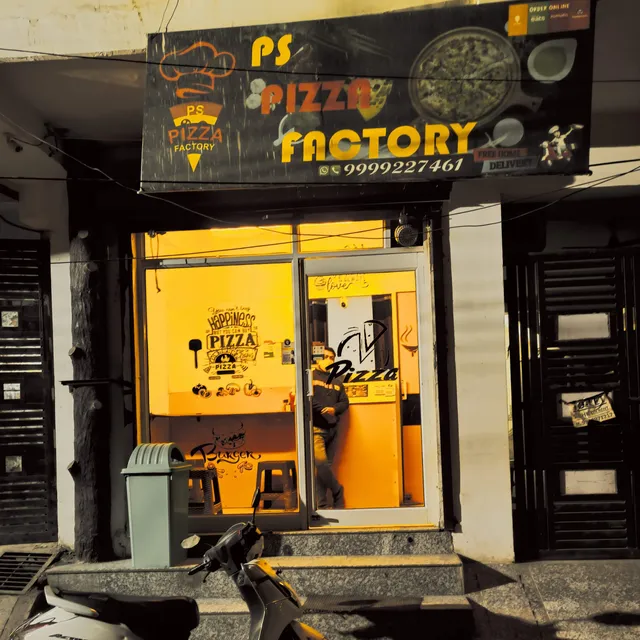
PS PIZZA FACTORY
G/Floor, Mehta Chowk, Prop.no.1043, M/18, Ward No 8, Mehrauli, New Delhi, Delhi 110030, India
SHAKES POINT and GRAVY MOMOS
Ground floor, 778/6, Doodh Wali Gali, near Raghunath Mandir, Jatva Basti, Mehrauli, Delhi, New Delhi, Delhi 110030, India
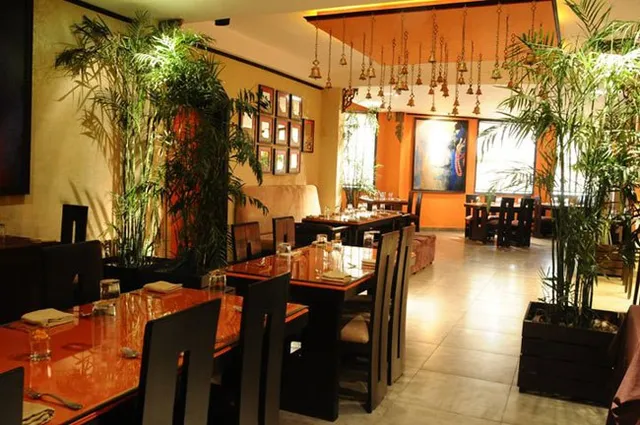
Aban By Thai High
1091, 2nd Floor, Ambawatta Complex, 1, Kalka Das Marg, Mehrauli Village, Mehrauli, New Delhi, Delhi 110030, India
Non veg dhaba
G5CJ+38Q, Ward Number 7, Mehrauli Village, Mehrauli, New Delhi, Delhi 110030, India
Qutab Hotel
Mehrauli Village, Mehrauli, New Delhi, Delhi 110030, India
qutub restaurant
G5CH+CC9, Nai Basti, Mehrauli, New Delhi, Delhi 110030, India
Kathi Rolls
1085/1, Ward Number 1, Mehrauli Village, Mehrauli, New Delhi, Delhi 110030, India
Drums Delhi
G5CH+FH9, Ward Number 4, Nai Basti, Mehrauli, New Delhi, Delhi 110030, India
MALIK DHABA
13/4A, Ward 1, Bhool Bhulayan Road, Mehrauli Village, Mehrauli, New Delhi, Delhi 110030, India
Dramz Delhi
1580/1, KD Marg, Near Qutub Minar, Mehrauli, New Delhi, Delhi 110030, India
Nearby hotels
Related posts
Keywords
Zafar Mahal tourism.Zafar Mahal hotels.Zafar Mahal bed and breakfast. flights to Zafar Mahal.Zafar Mahal attractions.Zafar Mahal restaurants.Zafar Mahal travel.Zafar Mahal travel guide.Zafar Mahal travel blog.Zafar Mahal pictures.Zafar Mahal photos.Zafar Mahal travel tips.Zafar Mahal maps.Zafar Mahal things to do.
Zafar Mahal things to do, attractions, restaurants, events info and trip planning
Zafar Mahal
IndiaDelhiNew DelhiZafar Mahal

Basic Info

Zafar Mahal

Mehrauli Village, Mehrauli, New Delhi, Delhi 110030, India
4.0(316)
Open 24 hours
Save
spot

Ratings & Description

Info

Zafar Mahal, in Mehrauli village, in South Delhi, India, is considered as the last monumental structure built as a summer palace during the fading years of the Mughal era.

Cultural
Scenic
attractions: Hijron ka Khanqah, Rajon Ki Baoli, Jahaz Mahal, Delhi, Qutb Minar, Mehrauli Archaeological Park Heritage Walk, Yog Maya Mandir, Mehrauli, Hauz-i-Shamsi, Iron Pillar, Delhi, Mughal Period Jharna, Madhi Masjid, restaurants: PS PIZZA FACTORY, SHAKES POINT and GRAVY MOMOS, Aban By Thai High, Non veg dhaba, Qutab Hotel, qutub restaurant, Kathi Rolls, Drums Delhi, MALIK DHABA, Dramz Delhi
logoLearn more insights from Wanderboat AI.

Plan your stay

hotel
Pet-friendly Hotels in New Delhi
Find a cozy hotel nearby and make it a full experience.
hotel
Affordable Hotels in New Delhi
Find a cozy hotel nearby and make it a full experience.
hotel
The Coolest Hotels You Haven't Heard Of (Yet)
Find a cozy hotel nearby and make it a full experience.
hotel
Trending Stays Worth the Hype in New Delhi
Find a cozy hotel nearby and make it a full experience.

Reviews

Nearby attractions of Zafar Mahal

Hijron ka Khanqah

Rajon Ki Baoli

Jahaz Mahal, Delhi

Qutb Minar

Mehrauli Archaeological Park Heritage Walk

Yog Maya Mandir, Mehrauli

Hauz-i-Shamsi

Iron Pillar, Delhi

Mughal Period Jharna

Madhi Masjid

Hijron ka Khanqah

Hijron ka Khanqah

4.1

(225)

Open 24 hours
Click for details
Rajon Ki Baoli

Rajon Ki Baoli

4.1

(343)

Open 24 hours
Click for details
Jahaz Mahal, Delhi

Jahaz Mahal, Delhi

3.9

(1.5K)

Open until 7:00 PM
Click for details
Qutb Minar

Qutb Minar

4.5

(50.1K)

Open 24 hours
Click for details

Things to do nearby

Old Delhi Food-Temples-Spice Market & Rickshaw
Sun, Dec 7 • 10:00 AM
New Delhi, Delhi, 110006, India
View details
Tuk Tuk Delhi Experience India
Sun, Dec 7 • 10:00 AM
New Delhi, Delhi, 110001, India
View details
Museum of Illusions New Delhi - Official Ticketing Partner
Sun, Dec 7 • 11:00 AM
A 30-33, 1st Floor A Block, Inner Circle Connaught Place (Near Rajiv Chowk Metro Station Exit Gate Number 8), 110001
View details

Nearby restaurants of Zafar Mahal

PS PIZZA FACTORY

SHAKES POINT and GRAVY MOMOS

Aban By Thai High

Non veg dhaba

Qutab Hotel

qutub restaurant

Kathi Rolls

Drums Delhi

MALIK DHABA

Dramz Delhi

PS PIZZA FACTORY

PS PIZZA FACTORY

4.6

(64)

Open until 10:30 PM
Click for details
SHAKES POINT and GRAVY MOMOS

SHAKES POINT and GRAVY MOMOS

4.9

(287)

Click for details
Aban By Thai High

Aban By Thai High

4.1

(921)

$$$

Click for details
Non veg dhaba

Non veg dhaba

4.9

(32)

Open until 12:00 AM
Click for details
Get the Appoverlay
Get the AppOne tap to find yournext favorite spots!
Wanderboat LogoWanderboat

Your everyday Al companion for getaway ideas

CompanyAbout Us
InformationAI Trip PlannerSitemap
SocialXInstagramTiktokLinkedin
LegalTerms of ServicePrivacy Policy

Get the app

© 2025 Wanderboat. All rights reserved.
logo

Posts

Mahek SahaMahek Saha
This morning, while in a meeting discussing various locations in Delhi, my client, who was aiming for a Mughal theme for his project, was quite perplexed when I suggested some locations in Mehrauli. Indeed, as is the common misconception, he went on to say that he wanted locations only in Shahjahanabad or else the Mughal flavor wouldn't stand out. That got me thinking that although Shahjahanabad was the grand city of the Mughals, there are so many other places in Delhi that have a distinct Mughal connection. Ofcourse, the close next to Shahjahanabad for "Mughal favour" is the Nizamuddin area, home to the Humayun's Tomb and many other Mughal mausoleums. But we fail to acknowledge the importance of Mehrauli with respect to Mughal history. The Qutb, as the area is referred to in most Mughal chronicles is actually where the first and last grand Mughal monuments of Delhi lie, along with many other structures built along the way. From the Jamali kamali complex built during the reign of Babur, which can be categorised as one of the first examples of Mughal architecture in Delhi to Zafar Mahal, the last Mughal palace in Delhi, the tryst of the Mughals with the Qutb stretched beyond popular perception. The shrine of Qutub-ud-din Bakhtiyar Kaki is also home to several tombs of Mughal princes and other members of the royal family. And one of the most popular Mughal traditions that continues to be celebrated till date, the Phoolwalon ki Sair, is also synonymous with the Qutb. The last two Mughal Emperors, Akbar Shah and Bahadur Shah Zafar, loved visiting Mehrauli in the winters to hunt. The zenana also travelled with them and the women camped around the Qutub Minar all day, while enjoying the oranges that grew in the gardens near the Minar. Winter mushairas around the Qutub Minar were also Zafar's favourite, accompanied with barbeques and plum cakes sent by the British resident Thomas Metcalf, who had also strategically brought a property close to the Qutub Minar, so that he could effectively spy on the Emperor, during his long visits to Mehrauli.
Vikas SinghVikas Singh
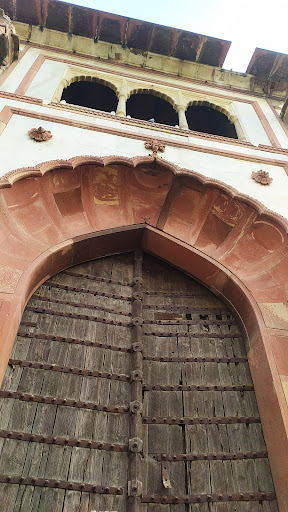
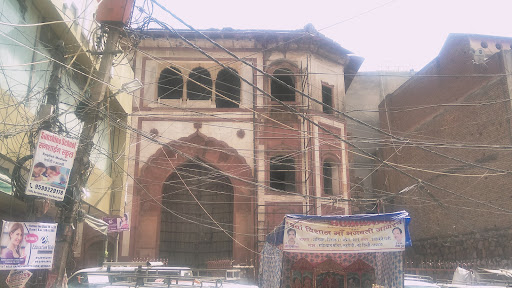
Zafar Mahal is last monumental structure built as a summer palace during the fading years of the Mughal era. The building has two parts-The palace which was built first by Akbar Shah II in the 18th century, and the entrance gate called Hathi gate that was reconstructed in the 19th century by Bahadur Shah Zafar II. Bahadur Shah Zafar wished to be buried in the precincts of the Zafar Mahal but was deported by the British to Rangoon, after the First War of Indian Independence in 1857, where he died of old age. A masjid called the Moti Masjid built by Bahadur Shah I was a private mosque of the royal family, which has now become part of the palace compound. The mosque is a small and unique three-domed structure made of white marble. The austere mosque has the mihrab on the west direction of prayer but is unusually not embellished, except for little border of floral carving on the south at the top edge of a dado Hathi gate is so called because a full decorated elephant with the howdah could pass through it. An inscription on the main arch credits building of the gate by Bahadur Shah II in the eleventh year of his accession as Emperor in 1847-48 AD. A broad Chhajja built in the Mughal style is a striking feature of the arch. At the entrance gate, there are small projecting windows flanked by curved and covered Bengali domes. On both sides of the arch, two ornate medallions in the form of large lotuses have been provided. The gateway also depicts a classic tripolia or three-arch opening.
Maaz AbdullahMaaz Abdullah
This place, Zafar Mahal is one of the last monument of fading era of Mughal Dynasty. It is located in and around Mehrauli archaeological sites. It was built by Akbar Shah II and reconstructed by Bahadur Shah Zafar. It a history and Bahadur Shah Zafar wished to be buried in the precinct of Zafar Mahal and around the famous dargah of Khawaja Qutubuddin Bakhtiar Kaki in Mehrauli, Delhi. But it the bad luck of Bahadur Shah Zafar that he was deported to Rangoon after First war of Independence, 1857 and He died of old age over there. The monument today is in a ruined state. Locals play cricket and gamble here. Archeological Survey of India has done even less than little to preserve this historical monument.
See more posts
See more posts
hotel
Find your stay

Pet-friendly Hotels in New Delhi

Find a cozy hotel nearby and make it a full experience.

This morning, while in a meeting discussing various locations in Delhi, my client, who was aiming for a Mughal theme for his project, was quite perplexed when I suggested some locations in Mehrauli. Indeed, as is the common misconception, he went on to say that he wanted locations only in Shahjahanabad or else the Mughal flavor wouldn't stand out. That got me thinking that although Shahjahanabad was the grand city of the Mughals, there are so many other places in Delhi that have a distinct Mughal connection. Ofcourse, the close next to Shahjahanabad for "Mughal favour" is the Nizamuddin area, home to the Humayun's Tomb and many other Mughal mausoleums. But we fail to acknowledge the importance of Mehrauli with respect to Mughal history. The Qutb, as the area is referred to in most Mughal chronicles is actually where the first and last grand Mughal monuments of Delhi lie, along with many other structures built along the way. From the Jamali kamali complex built during the reign of Babur, which can be categorised as one of the first examples of Mughal architecture in Delhi to Zafar Mahal, the last Mughal palace in Delhi, the tryst of the Mughals with the Qutb stretched beyond popular perception. The shrine of Qutub-ud-din Bakhtiyar Kaki is also home to several tombs of Mughal princes and other members of the royal family. And one of the most popular Mughal traditions that continues to be celebrated till date, the Phoolwalon ki Sair, is also synonymous with the Qutb. The last two Mughal Emperors, Akbar Shah and Bahadur Shah Zafar, loved visiting Mehrauli in the winters to hunt. The zenana also travelled with them and the women camped around the Qutub Minar all day, while enjoying the oranges that grew in the gardens near the Minar. Winter mushairas around the Qutub Minar were also Zafar's favourite, accompanied with barbeques and plum cakes sent by the British resident Thomas Metcalf, who had also strategically brought a property close to the Qutub Minar, so that he could effectively spy on the Emperor, during his long visits to Mehrauli.
Mahek Saha

Mahek Saha

hotel
Find your stay

Affordable Hotels in New Delhi

Find a cozy hotel nearby and make it a full experience.

Get the Appoverlay
Get the AppOne tap to find yournext favorite spots!
Zafar Mahal is last monumental structure built as a summer palace during the fading years of the Mughal era. The building has two parts-The palace which was built first by Akbar Shah II in the 18th century, and the entrance gate called Hathi gate that was reconstructed in the 19th century by Bahadur Shah Zafar II. Bahadur Shah Zafar wished to be buried in the precincts of the Zafar Mahal but was deported by the British to Rangoon, after the First War of Indian Independence in 1857, where he died of old age. A masjid called the Moti Masjid built by Bahadur Shah I was a private mosque of the royal family, which has now become part of the palace compound. The mosque is a small and unique three-domed structure made of white marble. The austere mosque has the mihrab on the west direction of prayer but is unusually not embellished, except for little border of floral carving on the south at the top edge of a dado Hathi gate is so called because a full decorated elephant with the howdah could pass through it. An inscription on the main arch credits building of the gate by Bahadur Shah II in the eleventh year of his accession as Emperor in 1847-48 AD. A broad Chhajja built in the Mughal style is a striking feature of the arch. At the entrance gate, there are small projecting windows flanked by curved and covered Bengali domes. On both sides of the arch, two ornate medallions in the form of large lotuses have been provided. The gateway also depicts a classic tripolia or three-arch opening.
Vikas Singh

Vikas Singh

hotel
Find your stay

The Coolest Hotels You Haven't Heard Of (Yet)

Find a cozy hotel nearby and make it a full experience.

hotel
Find your stay

Trending Stays Worth the Hype in New Delhi

Find a cozy hotel nearby and make it a full experience.

This place, Zafar Mahal is one of the last monument of fading era of Mughal Dynasty. It is located in and around Mehrauli archaeological sites. It was built by Akbar Shah II and reconstructed by Bahadur Shah Zafar. It a history and Bahadur Shah Zafar wished to be buried in the precinct of Zafar Mahal and around the famous dargah of Khawaja Qutubuddin Bakhtiar Kaki in Mehrauli, Delhi. But it the bad luck of Bahadur Shah Zafar that he was deported to Rangoon after First war of Independence, 1857 and He died of old age over there. The monument today is in a ruined state. Locals play cricket and gamble here. Archeological Survey of India has done even less than little to preserve this historical monument.
Maaz Abdullah

Maaz Abdullah

See more posts
See more posts

Reviews of Zafar Mahal

4.0
(316)
avatar
3.0
1y

Visited Zafar Mahal, The resting place od Last Mughal Emperor Bahadur Shah Zafar. Sadly, the experience was disappointing. The place, full of history, is not cared for. Built in the early 19th century, considered the last monumental structure of the Mughal era. This Resting Palace Served as a summer palace, particularly during the "Phoolwaalon ki sair" festival celebrating Sufi saint Hazrat Qutubuddin Bakhtiyar Kaki (whose tomb is also next to this Palace) and this palace witness to the waning years of the Mughal dynasty, mirroring the empire's declining financial resources in its simpler construction compared to other grand Mughal palaces.

Upon arrival i noticed, There's only one guard around, who seemed to be there merely for formality. The lack of care and proper security results in the almost vandalised condition of the site. It's was disheartening to see such a significant historic monument being neglected in this manner.

Furthermore, instead of visitors paying their respects, I observed a group of elderly people playing cards near the premises. This disrespect towards the monument is a reflection of the lack of maintenance and oversight.

Bahadur Shah Zafar's empty grave at Zafar Mahal tells a poignant tale of his fate and the decline of the Mughal Empire. It's a powerful reminder of history's twists and turns, left unnoticed amidst the neglect. As Zafar himself wrote,

"کتنا ہے بد نصیب ظفرؔ دفن کے لیے

دو گز زمین بھی نہ ملی کوئے یار میں"

"kitnā hai bad-nasīb 'zafar' dafn ke liye do gaz zamīn bhī na milī kū-e-yār meñ"

This poetic line hints at the tragic irony of his burial, adding depth to the site's significance. Nearby, Moti Masjid, a beautiful mosque, suffers the same fate. It's a shame for such significant places to be forgotten.

Moti Masjid, located next to Zafar Mahal, is a replica of the one in Agra's Red Fort. It's a gem of architecture, and it aslo suffers the same fate The grand entrance is named as Hathi Gate for its wide design allowing an elephant with a seat (houdah) to pass through.

I hoped the Archaeological Survey of India would do better. They must act to protect and restore Zafar Mahal, the grave, and Moti Masjid. These places deserve respect and care.

Despite its importance, the neglect makes visiting Zafar Mahal less enjoyable. I hope it gets the care it deserves soon.

Timings: Open daily from 10:00 AM to 5:00 PM. Entry Fees: No fee for visiting Zafar Mahal. Nearby Metro...

   Read more
avatar
5.0
2y

Zafar Mahal in Delhi is truly a hidden gem that provides a captivating glimpse into the city's rich historical heritage. As an avid history enthusiast, I was thrilled to explore this lesser-known monument, and it did not disappoint.

Located in the Mehrauli area of Delhi, Zafar Mahal stands as a testament to the glorious Mughal era. The architecture is simply awe-inspiring, showcasing a perfect blend of Persian and Indian styles. Walking through the intricately designed arches and passages, I felt like I had stepped back in time.

The grandeur of Zafar Mahal is hard to miss. The imposing structure, once a royal residence, exudes a sense of majesty and regality. The sprawling courtyard, surrounded by intricately carved pillars and balconies, offers a serene ambiance where one can imagine the opulence and grand celebrations of the past.

One of the highlights of my visit was the stunning Jahanara Bagh garden adjacent to Zafar Mahal. The lush greenery, fragrant flowers, and tranquil fountains provided a peaceful retreat amidst the hustle and bustle of the city. It's a perfect spot for photography enthusiasts or anyone looking to unwind in a serene setting.

The staff at Zafar Mahal were friendly and knowledgeable. They were more than happy to share interesting historical anecdotes and answer any questions I had. Their passion for preserving and showcasing the heritage of Delhi was evident, and it added to the overall experience.

However, it's important to note that Zafar Mahal is not as well-known as some other historical sites in Delhi, which means it is relatively less crowded. While this may be a plus for those seeking a quieter experience, I believe this hidden gem deserves more recognition.

I highly recommend visiting Zafar Mahal to anyone interested in history, architecture, or simply looking to explore Delhi beyond the popular tourist spots. It offers a unique and enriching experience that showcases the splendor of Delhi's past. Don't miss the opportunity to step into the world of Mughal grandeur and immerse yourself in the captivating tales of Zafar Mahal.

Note: It's always advisable to check the visiting hours and any COVID-19 guidelines before planning your visit to...

   Read more
avatar
5.0
4y

This morning, while in a meeting discussing various locations in Delhi, my client, who was aiming for a Mughal theme for his project, was quite perplexed when I suggested some locations in Mehrauli. Indeed, as is the common misconception, he went on to say that he wanted locations only in Shahjahanabad or else the Mughal flavor wouldn't stand out. That got me thinking that although Shahjahanabad was the grand city of the Mughals, there are so many other places in Delhi that have a distinct Mughal connection. Ofcourse, the close next to Shahjahanabad for "Mughal favour" is the Nizamuddin area, home to the Humayun's Tomb and many other Mughal mausoleums. But we fail to acknowledge the importance of Mehrauli with respect to Mughal history. The Qutb, as the area is referred to in most Mughal chronicles is actually where the first and last grand Mughal monuments of Delhi lie, along with many other structures built along the way. From the Jamali kamali complex built during the reign of Babur, which can be categorised as one of the first examples of Mughal architecture in Delhi to Zafar Mahal, the last Mughal palace in Delhi, the tryst of the Mughals with the Qutb stretched beyond popular perception. The shrine of Qutub-ud-din Bakhtiyar Kaki is also home to several tombs of Mughal princes and other members of the royal family. And one of the most popular Mughal traditions that continues to be celebrated till date, the Phoolwalon ki Sair, is also synonymous with the Qutb. The last two Mughal Emperors, Akbar Shah and Bahadur Shah Zafar, loved visiting Mehrauli in the winters to hunt. The zenana also travelled with them and the women camped around the Qutub Minar all day, while enjoying the oranges that grew in the gardens near the Minar. Winter mushairas around the Qutub Minar were also Zafar's favourite, accompanied with barbeques and plum cakes sent by the British resident Thomas Metcalf, who had also strategically brought a property close to the Qutub Minar, so that he could effectively spy on the Emperor, during his long visits...

   Read more
Page 1 of 7
Previous
Next