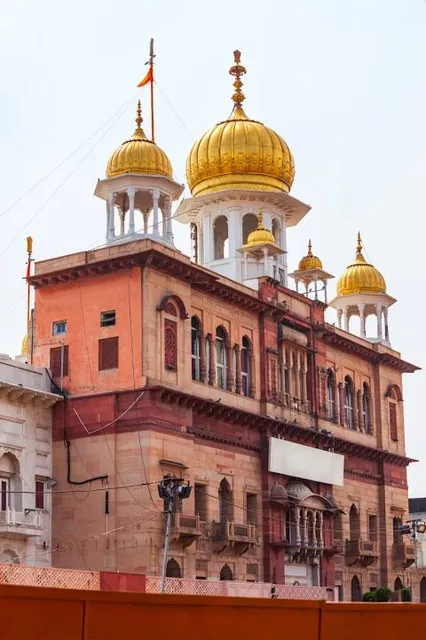
Dating its history back to the 17th century, the Digambar Jain Temple was built by a few Jain merchants who were invited by Shah Jahan for some trading purposes. He gifted them a plot of land in the southern area of Chandni Chowk so that they can settle and start their lifestyle within the city.
After receiving the plots of land, Jain merchants thought of constructing a small Jain temple and hence, went on to seek the permission of Mughal Emperor Shah Jahan. To their luck, they got his permission. Later, a temporary Jain temple was made (which stands till date even today) and the statues of three Jain deities were brought to it.
From 1800 to 1807, several modifications and advancements were done to the temple by Raja Harsukh Rai to accentuate its overall beauty. At that time, it was called тАЬNaya Mandir.тАЭ This is how the Digambar Jain Temple came into the picture.
Legend of Digambar Jain Temple, Delhi The Digambar Jain Temple has an interesting tale attached to it. It is said that at the time of the Mughal Emperor, Aurangzeb used to hear the sound of the musical instruments played within the temple premise throughout the time. Due to the continuous sound, he got so irritated that one day he gave the order to his people to go to the site and inquire about it.
His servant went inside the temple and started checking everywhere. He was surprised to see that even after no one was sitting around the musical instruments, the sound was still coming. He went back and narrated the same scenario to Aurangzeb. Later, many rulers came, but nobody could find out the exact reason for how the sound was heard when the instruments were not played by anyone. Until today, this mystery is still associated with this temple.
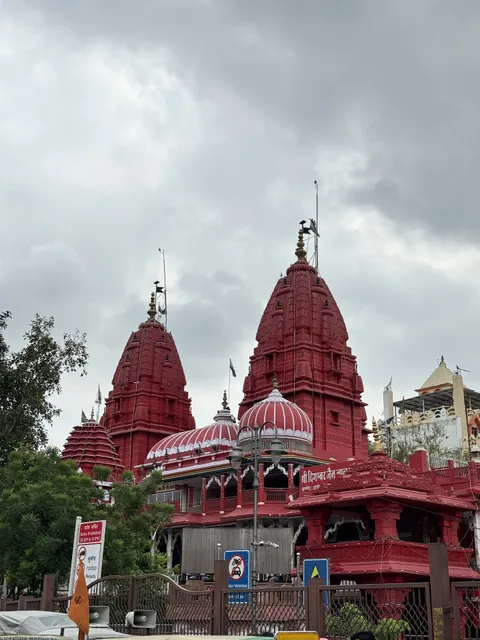
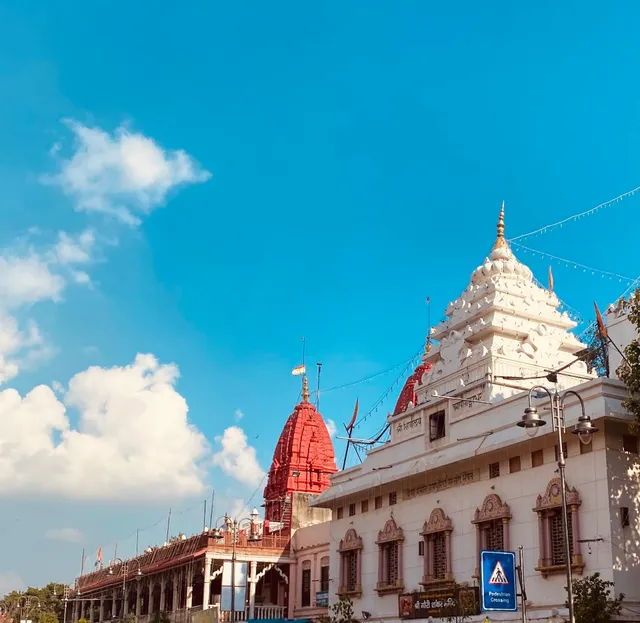
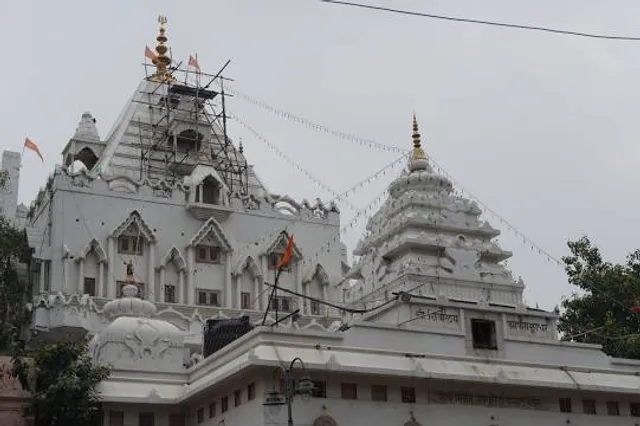
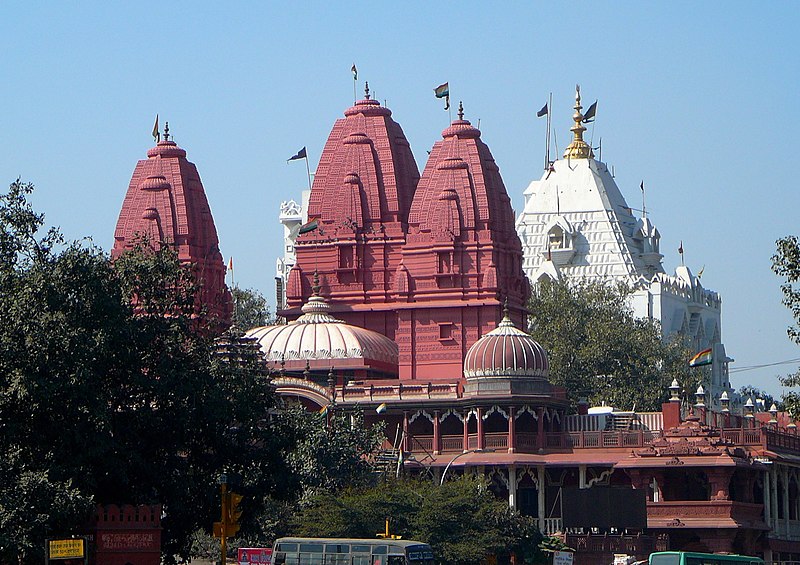
Architecture of Digambar Jain Temple, Delhi Featuring an impressive structure made of red sandstone, the Digambar Jain Temple is a 2-story building that has a huge pillar known as Manastambh at the entrance, a devotional hall on the first floor, and a small courtyard encompassed by a row of pillars.
Inside the temple, youтАЩll find many deities dedicated to the Jain deities. Amongst all the deities, the shrines of Mahavir, Parshvanath, and Rishabhdev draw the attention of thousands of people every year. In addition to all this, there is also a memorial designed to pay respect and honor to the Monk Acharya Shantisagar.
The Digambar Jain Temple also houses a tiny bookstore along with a famous charitable bird hospital where free treatment is given to at least 60 birds every day. As a visitor, you can be a part of this social work and donate some money for medicines and other medical facilities if interested.
Entry Fee and Timings of Digambar Jain Temple, Delhi Entry to Digambar Jain Temple is free for everyone. Speaking of its timings, it has different timing slots for both the summer and winter seasons. During summer i.e., from March to October, the temple opens its door from 5:30 AM to 11:30 AM in the first slot and then from 6:00 PM to 9:30 PM in the second slot. On the other hand, in winter, devotees can pay heed to it at any time between 6:00 AM to 12:00 PM and then from 5:30 PM to 9:00 PM on all days. The recommended exploration time would be 1-2 hours.
Travel Tips for Digambar Jain Temple, Delhi DonтАЩt do any kind of photography. It is strictly prohibited. DonтАЩt carry any leather items including the belt, wallet, handbag, etc., within the premises of this shrine. Make sure to keep them secured with the guard sitting outside the mandir. Best Time to Visit the Digambar Jain Temple, Delhi Devotees can head to the Digambar Jain Temple at any time of the year as it remains open every day but you will enjoy your visit to the fullest if you plan your getaway during certain occasions. This includes the festival of Diwali, Jnaan Panchami, Paryushan, and Samvatsari.
How to Reach Digambar Jain Temple, Delhi? Although there are several modes of transportation available in Delhi, the best and most convenient way for people of all age groups is traveling through the metro. The Digambar Jain Temple...
┬а┬а┬аRead moreDigambar Jain Lal Mandir, located in the bustling area of Chandni Chowk, Delhi, is one of the oldest and most prominent Jain temples in India. It holds immense historical, cultural, and religious significance for the Jain community. The temple is dedicated to Lord Mahavira, the 24th Tirthankara of Jainism, and is a place of peace and spiritual enlightenment amidst the chaos of Old Delhi.
The temple was originally built in 1656 during the reign of Mughal Emperor Shah Jahan. It is known for its striking red sandstone architecture, which gives it the name тАЬLal MandirтАЭ (Red Temple). The intricate carvings and artistic designs reflect the traditional Jain style of architecture. Over the years, the temple has been renovated and expanded while preserving its historical charm.
One of the most remarkable features of this temple is its Bird Hospital, located within the premises. This hospital is dedicated to the care and treatment of sick and injured birds, showcasing the Jain principle of Ahimsa (non-violence). Visitors often find this unique initiative inspiring, as it reflects compassion and respect for all living beings.
The temple attracts thousands of devotees and tourists throughout the year, especially during major Jain festivals like Mahavir Jayanti and Paryushan. Despite being situated in a crowded marketplace, the temple maintains a serene and spiritual atmosphere.
In conclusion, Digambar Jain Lal Mandir is not just a religious site but also a symbol of DelhiтАЩs rich heritage and the timeless Jain values of peace, non-violence, and service to all living creatures. It continues to inspire people with its historical legacy and...
┬а┬а┬аRead moreA┬аmanastambha┬аcolumn stands in front of the temple. The main devotional area of the temple features three red sandstone spires. It is located on the first floor and reached by ascending to the terrace after crossing the small courtyard of the temple, surrounded by a colonnade.14
There are a number of shrines in this area but the main shrine is of Lord┬аMahavira, the 24th and last┬аTirthankara┬аof the present┬аAvasarpani┬аera (half time cycle of decreasing happiness as per┬аJain cosmology). Born in 599 BC in the ancient republic of Vaishali (Bihar) as a prince, he renounced all worldly pleasures and comforts and went in search of 'Moksha' (salvation). Soon he attained┬аKevala Jnana┬а(Enlightenment), and spent the rest of his life preaching to the people all over the country about the eternal truth of life and ways to attain Moksha. Though some believe that he was the founder of Jainism but he was in a real sense the reformer of an existing faith who reorganized and presented the tenets of the religion in a form suitable to the period.
The statue of┬аRishabhanatha, the first┬аTirthankara┬аis also present here, along with the shrine of Lord Parshvanath, the immediate predecessor of Lord Mahavira. The temple is popular among the Jains. The place is very peaceful and the ambience is really soothing especially due to the shining of the gilded paintwork of the shrine area under the lights of butter lamps and...
┬а┬а┬аRead more