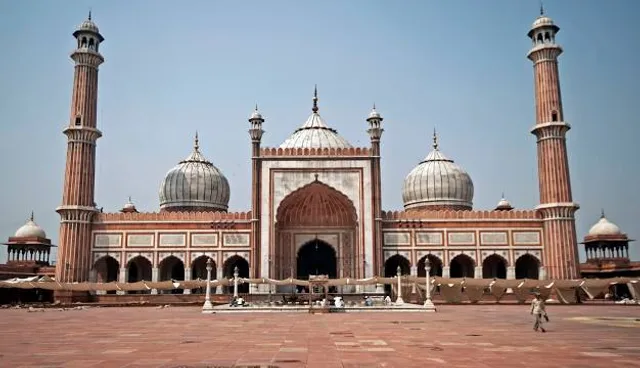
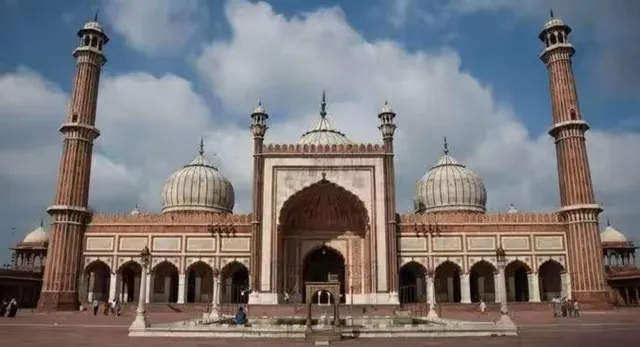
When I walked into Jama Masjid in Delhi, built by Emperor Shah Jahan near the Red Fort, I couldn’t believe how amazing it looked. As soon as I stepped through one of its big gates, the noisy streets of Old Delhi faded away, and I just felt calm and amazed. This mosque, finished in 1656, is so cool to look at, and as a visitor, I loved its beauty and all the little details.
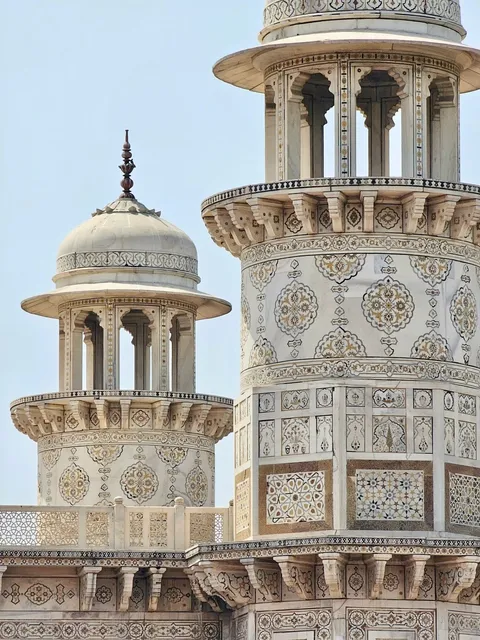
Right away, I noticed the mix of red stone and white marble. The front, with its three big domes, shone in the sun, and the white marble with black stripes looked so pretty against the red. The domes are super neat and sit above the prayer area, making it feel grand and peaceful. There are also two tall towers, about 40 meters high, with red and white stripes. I climbed the southern one—121 steps, super steep!—and wow, it was worth it. From the top, I could see all of Old Delhi: the busy Chandni Chowk streets, the Red Fort nearby, and the whole city stretching out. It was such a cool view, and I get why they call it "the mosque that shows the world."
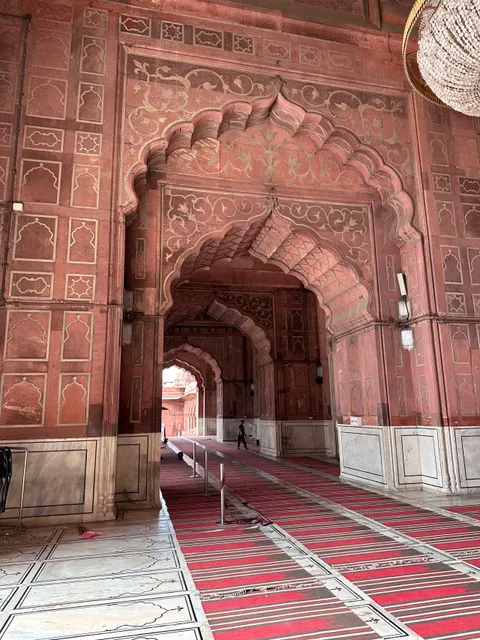
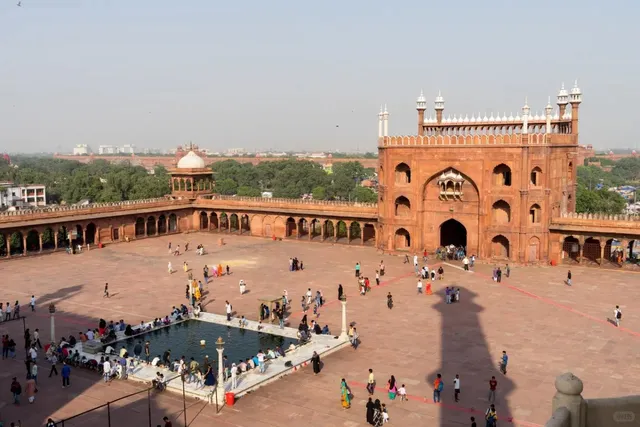
The courtyard is huge and can fit 25,000 people! Walking barefoot on the smooth stone—red with some white patches—felt nice and cool. It’s a big, open space with pretty arches all around that make you want to stop and look. The carvings and designs are so neat, like something out of a fairy tale, and they reminded me of Shah Jahan’s other famous building, the Taj Mahal. Inside the prayer area, the high arches and little details were just as awesome. It felt quiet and special in there.
I visited during Ramadan in the evening, right when people were coming to break their fasts, so it was super crowded. At first, I thought it might be too busy, but it turned out to be a whole new experience that added so much joy. The vibe was incredible—everyone coming together, breaking their fasts as one big group. People from all over, from different classes and areas, sat side by side, sharing food and smiles, no matter their social status. It was a pure gem to see that unity, and it made the place feel so alive and warm. The air was full of chatter, prayers, and happiness, and it gave the mosque such a special, welcoming feel.
I checked Google Maps reviews, and lots of people feel the same about its beauty. They love the "beautiful look" and "peaceful feel," saying it’s a "must-visit spot." One person called it "a special Mughal mosque made of red stone and marble," and another said the view from the tower was the best part. I totally agree—climbing up is tough, but you won’t forget that view! Online travel forums, like blogs and Reddit, say it’s like stepping back in time, and I felt that too with how big and perfect everything is.
It’s not all perfect, though. The crowds during Ramadan made it extra busy, and the streets outside were loud and packed with rickshaws and vendors. Some reviews mention dirty floors or pushy sellers near the gate, and I saw that too, but it didn’t take away from the fun. Entry is free, but you pay a little (about ₹300) for a camera and ₹100 to climb the tower, which seems fair for keeping it nice.
What I loved most was how it’s a real place for prayer and a cool old building at the same time. That Ramadan evening, seeing everyone together while tourists like me took it all in, was a mix of life and history I’ll never forget. For anyone coming to Delhi, especially if you like old buildings and pretty designs, you’ve got to see Jama Masjid. Standing there, surrounded by its beauty and that amazing vibe, I felt like I was part of something big from long ago. It’s a quiet spot in a busy city—crowded or not—and I’ll always...
Read moreJama Masjid stands as one of Delhi's most significant landmarks, not only for its spiritual sanctity but also for its architectural grandeur. As a place of worship, it offers a peaceful, serene environment perfect for reflection and prayer. Situated in the heart of Old Delhi, the mosque is a beacon of Mughal heritage and remains a cultural hub for both locals and visitors.
Pious Visitation to Jama Masjid: The experience of visiting Jama Masjid is deeply spiritual. The vast, open courtyard and the striking marble and sandstone structure are awe-inspiring. Visitors can spend time reflecting in the peaceful atmosphere or participating in the daily prayers that take place in the mosque.
The mosque itself is a massive structure, capable of housing thousands of worshippers. The towering minarets and the central dome exude the splendor of Mughal architecture. The peaceful hum of prayers adds to the spiritual ambiance of the place, offering a serene experience for anyone who steps inside.
Spiritual Atmosphere: Whether you’re visiting for religious reasons or as a tourist, the peaceful aura of the mosque is palpable. The experience of seeing worshippers come together for prayers is powerful, providing a sense of community and tranquility. Historical Significance: Jama Masjid, built by Emperor Shah Jahan, is an architectural marvel that holds great historical and religious importance. Visiting this mosque offers a glimpse into Delhi’s glorious Mughal past and the religious diversity that defines the city.
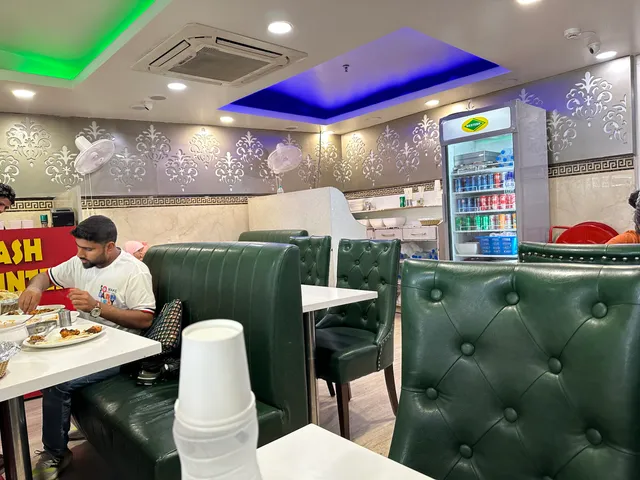
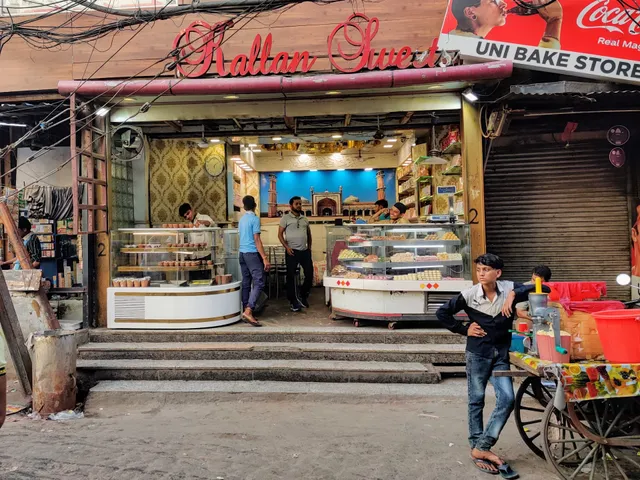
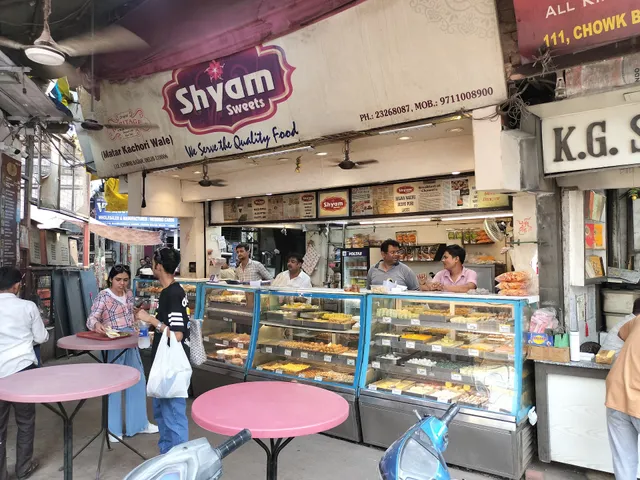
Delicious Food Near the Left Gate (Opposite Side): Right across from the left gate of Jama Masjid, you’ll find some of Old Delhi's best street food, renowned for its flavor and variety. The area around the mosque is a culinary paradise, with numerous food stalls and eateries offering traditional Mughlai delicacies. Here's what you can expect:
What to Try: Mutton Korma, Chicken Jalfrezi, Seekh Kebabs, and their signature Mutton Burra (grilled mutton) are some of the standout dishes.
What to Try: Tandoori Chicken, Chicken Tikka, and Mutton Seekh Kebabs.
What to Try: Chole Bhature, Samosas, Jalebi, and Rabri.
Conclusion: The combination of a Pious Visitation at Jama Masjid and the nearby mouthwatering food makes for a memorable experience in Old Delhi. The spiritual calm of the mosque provides a peaceful escape, while the delicious Mughlai and street food nearby adds a burst of flavor to your visit. Whether you’re there to connect with the rich history or indulge in some of the best food Delhi has to offer, Jama Masjid and its surrounding area will leave you with...
Read moreRising majestically above the bustling heart of Old Delhi, Jama Masjid — officially Masjid-i Jahan-Numa (meaning “Mosque Commanding a View of the World”) — is both an architectural jewel and a spiritual hub. Commissioned by Emperor Shah Jahan (the same visionary behind the Taj Mahal) and completed in 1656, it stands as one of the largest mosques in India, capable of accommodating 25,000 worshippers in its vast courtyard.
Historical Context
Shah Jahan built Jama Masjid at the peak of Mughal power, when architecture was as much about divine devotion as imperial prestige. Constructed over six years with the labor of over 5,000 artisans, the mosque symbolized both the spiritual centrality of Islam in the empire and the emperor’s own grandeur.
Architectural Splendor
Material & Design: The mosque is built in alternating strips of red sandstone and pristine white marble — the Mughal signature — creating a striking contrast under the Delhi sun.
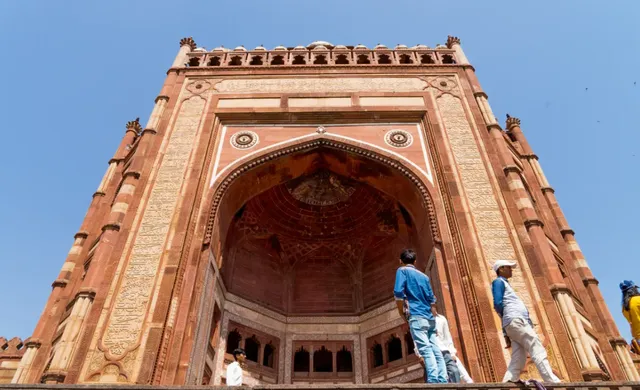
Layout: Elevated on a high platform, the mosque is accessed by grand staircases from three sides, leading to monumental gateways that open into a vast open courtyard.
Prayer Hall: The main prayer hall, capped with three white marble domes adorned with black stripes, is flanked by two towering minarets, each 40 meters high, offering panoramic views of the city.
Courtyard & Ablution Tank: At the center of the courtyard is the hauz (water tank), used for ritual purification before prayers — still in active use, as seen in your images.
Details: Intricate calligraphy from the Quran runs along the arches, while the interiors feature delicate inlay work and carved marble panels.
Atmosphere
Jama Masjid is never static. On regular days, it’s a serene place of prayer, with the sound of the adhan (call to prayer) drifting through the air. During Fridays, Eid, and special occasions, the courtyard transforms into a sea of worshippers, embodying the unity of faith. The surrounding bazaars — especially Chandni Chowk — bring an added pulse of life, color, and aroma. For Tourists
Best Views: Climb one of the minarets for a sweeping look at Old Delhi’s tangled lanes and distant landmarks.
Dress Code: Modest clothing is required; robes are available at the entrance if needed.
Footwear: Remove shoes before entering the main courtyard. Why You Should Visit
Whether you come as a believer seeking connection, a traveler in awe of history, or a photographer chasing perfect symmetry, Jama Masjid is more than a monument — it’s a living heartbeat of Delhi. Here, stone and spirit blend, echoing centuries of prayer under the same wide sky.
In short: Come for the domes, stay for...
Read more