Qila Rai Pithora Fort Delhi things to do, attractions, restaurants, events info and trip planning
Basic Info
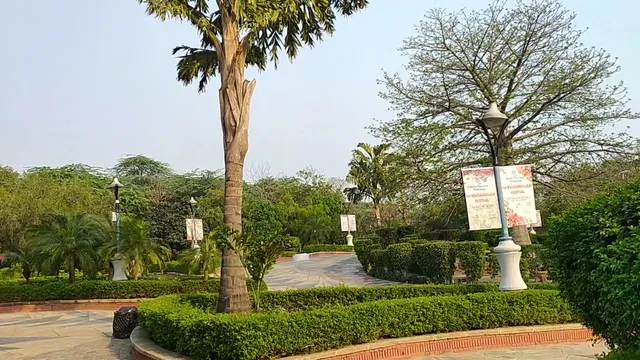
Qila Rai Pithora Fort Delhi
G59V+M6W, Butterfly Park, Qila Rai Pithora, Sainik Farm, New Delhi, Delhi 110030, India
4.2(168)
Closed
Save
spot
spot
Ratings & Description
Info
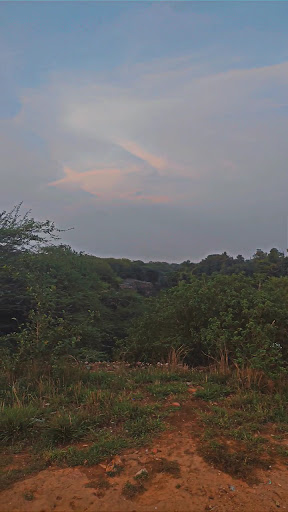
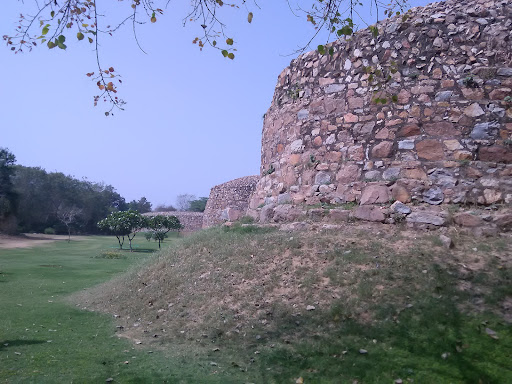
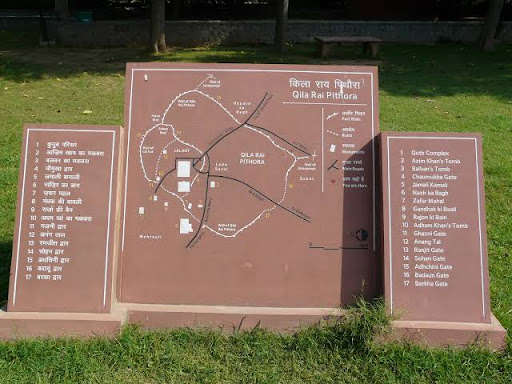
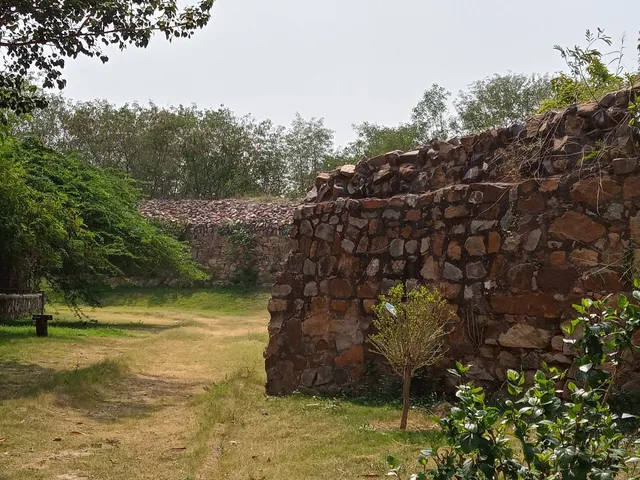
Lal Kot or Qila Rai Pithora is a fortified complex in present-day Delhi, which includes the Qutb Minar complex. It was constructed in the reign of Tomar Rajput king Anangpal Tomar between c. 1052 - c.1060 CE. It is termed as the "First city of Delhi".
Cultural
Outdoor
Adventure
Scenic
Off the beaten path
Pet friendly
attractions: Ahinsa Sthal, Mehrauli Archaeological Park Tour Guide, Gumbad Park, Qutb Minar, Art District XIII, Divine Art Gallery, Rajon Ki Baoli, Imam Zamin's Tomb, Madhi Masjid, Ojas Art, restaurants: ate | altogether experimental | Greens, Mahabelly Canteen, YASH AADI FOOD CORNER, Foresta Bistro and Cafe, Jugmug Thela, Bhookemon, OLD ROSE - BREW N BISTRO, Dream Catchers Cafe, Odisha Hotel, Bella Vie, local businesses: Shree 1008 Mahavir Swami Digamber Jain Mandir Ahimsa Sthal, Mehrauli Archaeological Park Jamali Kamali, Delhi, Champa Gali, Garden Of Five Senses, Miam Pâtisserie, Qutab Minar, Taj Mahal Day Tour, 275 Empowerers Coworking City Westend Marg, 1AQ, Alai Darwaza
 Learn more insights from Wanderboat AI.
Open hoursSee all hours
Fri7 AM - 9 PMClosed
Plan your stay

Pet-friendly Hotels in Delhi
Find a cozy hotel nearby and make it a full experience.

Affordable Hotels in Delhi
Find a cozy hotel nearby and make it a full experience.

The Coolest Hotels You Haven't Heard Of (Yet)
Find a cozy hotel nearby and make it a full experience.

Trending Stays Worth the Hype in Delhi
Find a cozy hotel nearby and make it a full experience.
Reviews
Live events

Chandni Chowk Food Tour with 15-plus tastings
Sat, Feb 28 • 10:30 AM
New Delhi, Delhi, 110006, India
View details

Same Day Taj Mahal Tour from Delhi by Car
Sat, Feb 28 • 4:00 AM
New Delhi, Delhi, 110001, India
View details
Nearby attractions of Qila Rai Pithora Fort Delhi
Ahinsa Sthal
Mehrauli Archaeological Park Tour Guide
Gumbad Park
Qutb Minar
Art District XIII
Divine Art Gallery
Rajon Ki Baoli
Imam Zamin's Tomb
Madhi Masjid
Ojas Art
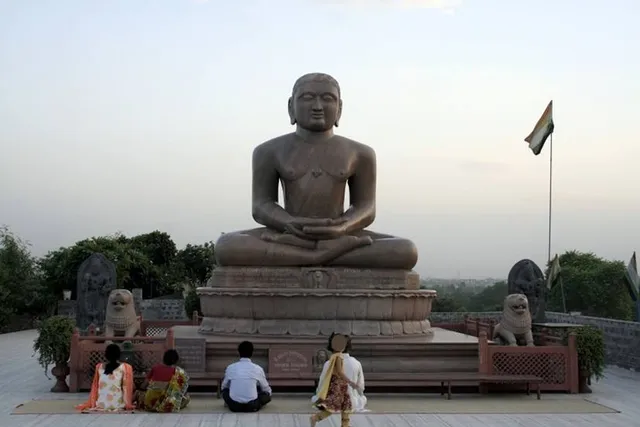
Ahinsa Sthal
4.6
(1.1K)
Closed
Click for details
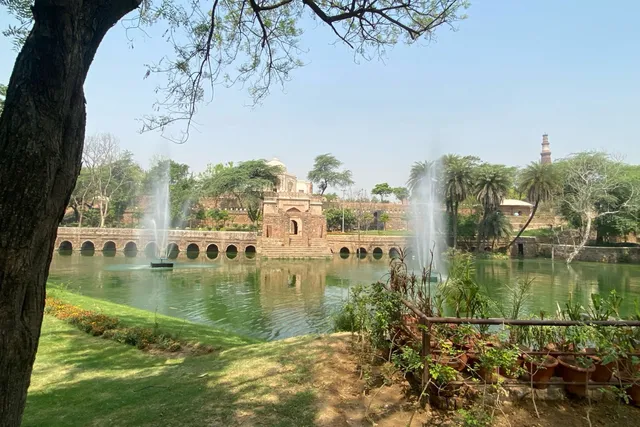
Mehrauli Archaeological Park Tour Guide
4.4
(1.7K)
Closed
Click for details
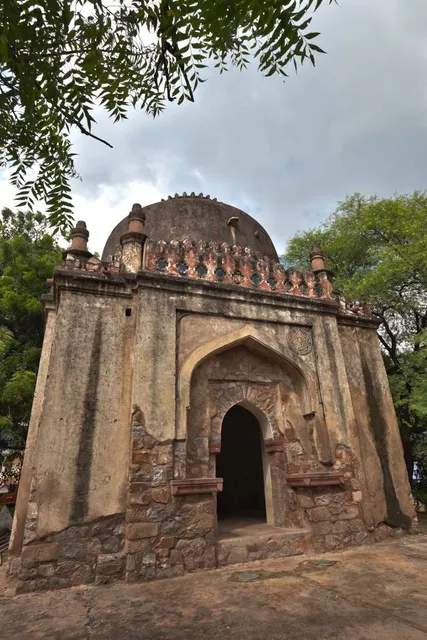
Gumbad Park
4.2
(140)
Open until 12:00 AM
Click for details
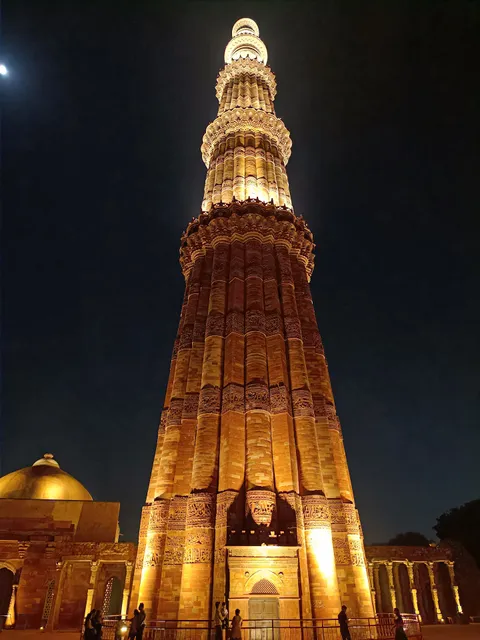
Qutb Minar
4.5
(51.1K)
Open 24 hours
Click for details
Nearby restaurants of Qila Rai Pithora Fort Delhi
ate | altogether experimental | Greens
Mahabelly Canteen
YASH AADI FOOD CORNER
Foresta Bistro and Cafe
Jugmug Thela
Bhookemon
OLD ROSE - BREW N BISTRO
Dream Catchers Cafe
Odisha Hotel
Bella Vie
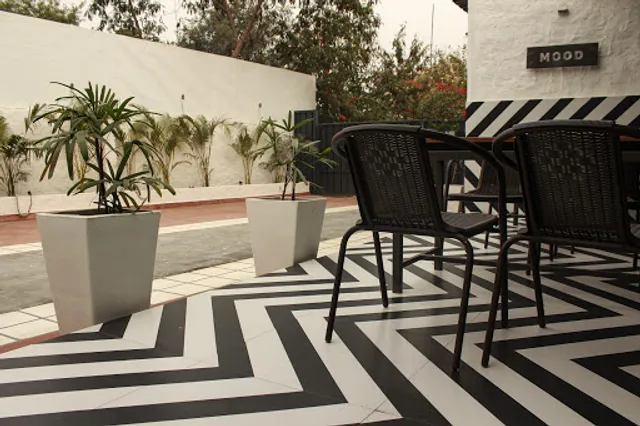
ate | altogether experimental | Greens
4.4
(303)
Closed
Click for details
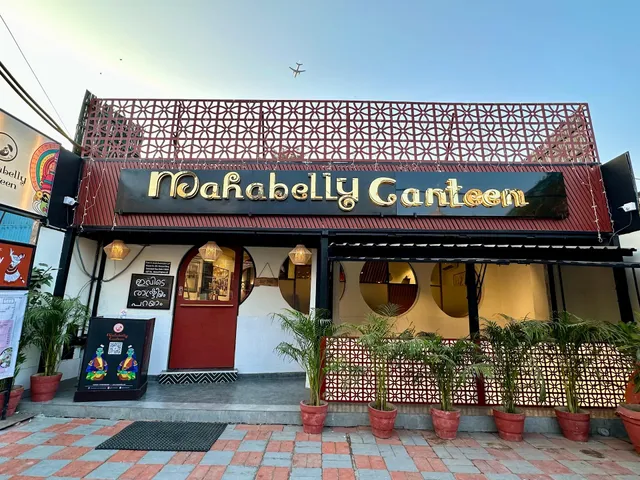
Mahabelly Canteen
4.4
(174)
Closed
Click for details

YASH AADI FOOD CORNER
3.7
(228)
Open until 1:00 AM
Click for details
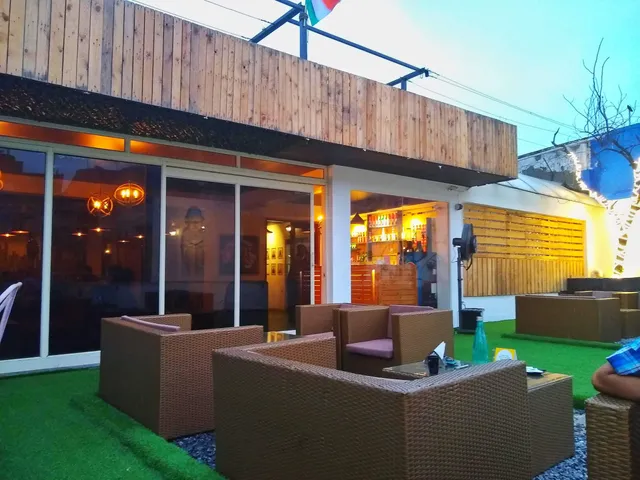
Foresta Bistro and Cafe
4.2
(760)
Open until 1:00 AM
Click for details
Nearby local services of Qila Rai Pithora Fort Delhi
Shree 1008 Mahavir Swami Digamber Jain Mandir Ahimsa Sthal
Mehrauli Archaeological Park Jamali Kamali, Delhi
Champa Gali
Garden Of Five Senses
Miam Pâtisserie
Qutab Minar
Taj Mahal Day Tour
275 Empowerers Coworking City Westend Marg
1AQ
Alai Darwaza
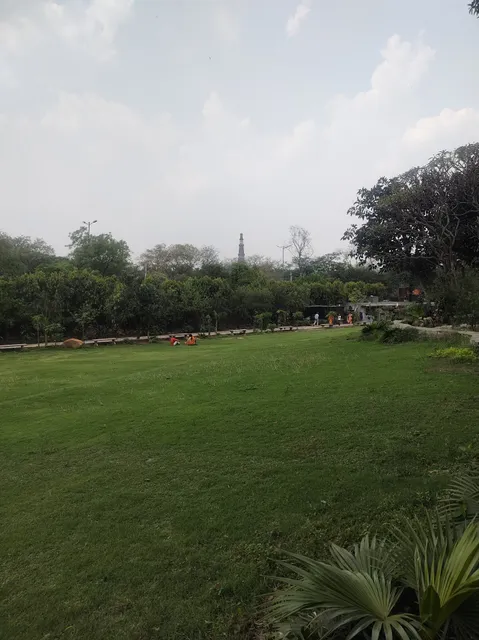
Shree 1008 Mahavir Swami Digamber Jain Mandir Ahimsa Sthal
4.4
(62)
Click for details

Mehrauli Archaeological Park Jamali Kamali, Delhi
4.3
(1.2K)
Click for details

Champa Gali
4.1
(5K)
Click for details
Garden Of Five Senses
4.1
(9.5K)
Click for details