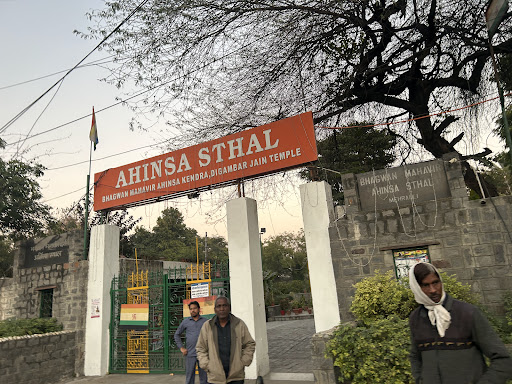
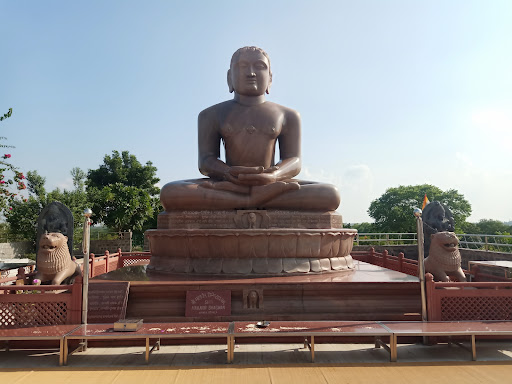
Shree 1008 Mahavir Swami Digamber Jain Mandir Ahimsa Sthal things to do, attractions, restaurants, events info and trip planning
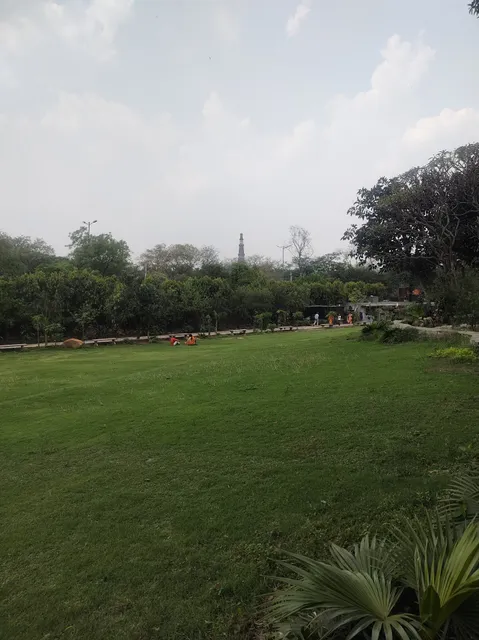
Basic Info
Shree 1008 Mahavir Swami Digamber Jain Mandir Ahimsa Sthal
G5CR+65M, Butterfly Park, Mittal Garden, Sainik Farm, New Delhi, Delhi 110030, India
4.4(64)
Open until 8:00 PM
Save
spot
spot
Ratings & Description
Info
Cultural
Relaxation
Family friendly
Accessibility
attractions: Ahinsa Sthal, Mehrauli Archaeological Park Tour Guide, Qutb Minar, Qila Rai Pithora Fort Delhi, Gumbad Park, Iron Pillar, Delhi, Divine Art Gallery, Art District XIII, Rajon Ki Baoli, Imam Zamin's Tomb, restaurants: Bhookemon, Mystical Bundle, AL zaika, Roll Xpress, YASH AADI FOOD CORNER, Dramz Delhi, Mahadev Restaurant, Shail Foods (Bakery & Confectionery), Olive Bar & Kitchen, Blue Tokai Coffee Roasters | Mehrauli 1AQ, local businesses: Mehrauli Archaeological Park Jamali Kamali, Delhi, Qutab Minar, Miam Pâtisserie, Taj Mahal Day Tour, 1AQ, Alai Darwaza, Champa Gali, Ambawatta One, Adham Khan's Tomb, 275 Empowerers Coworking City Westend Marg
 Learn more insights from Wanderboat AI.
Open hoursSee all hours
Tue7:30 AM - 8 PMOpen
Plan your stay

Pet-friendly Hotels in Delhi
Find a cozy hotel nearby and make it a full experience.

Affordable Hotels in Delhi
Find a cozy hotel nearby and make it a full experience.

The Coolest Hotels You Haven't Heard Of (Yet)
Find a cozy hotel nearby and make it a full experience.

Trending Stays Worth the Hype in Delhi
Find a cozy hotel nearby and make it a full experience.
Reviews
Live events
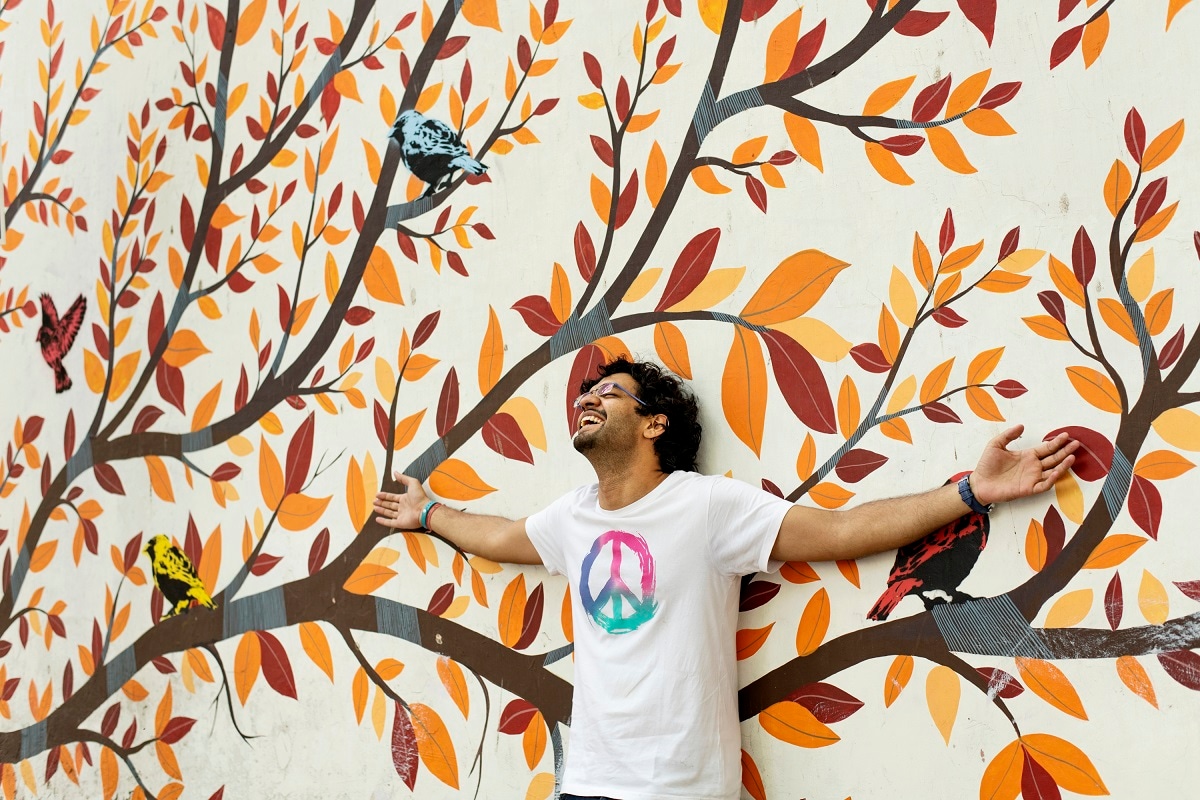
Walk into secret society of street art & food tour
Tue, Jan 27 • 4:00 PM
New Delhi, Delhi, 110003, India
View details
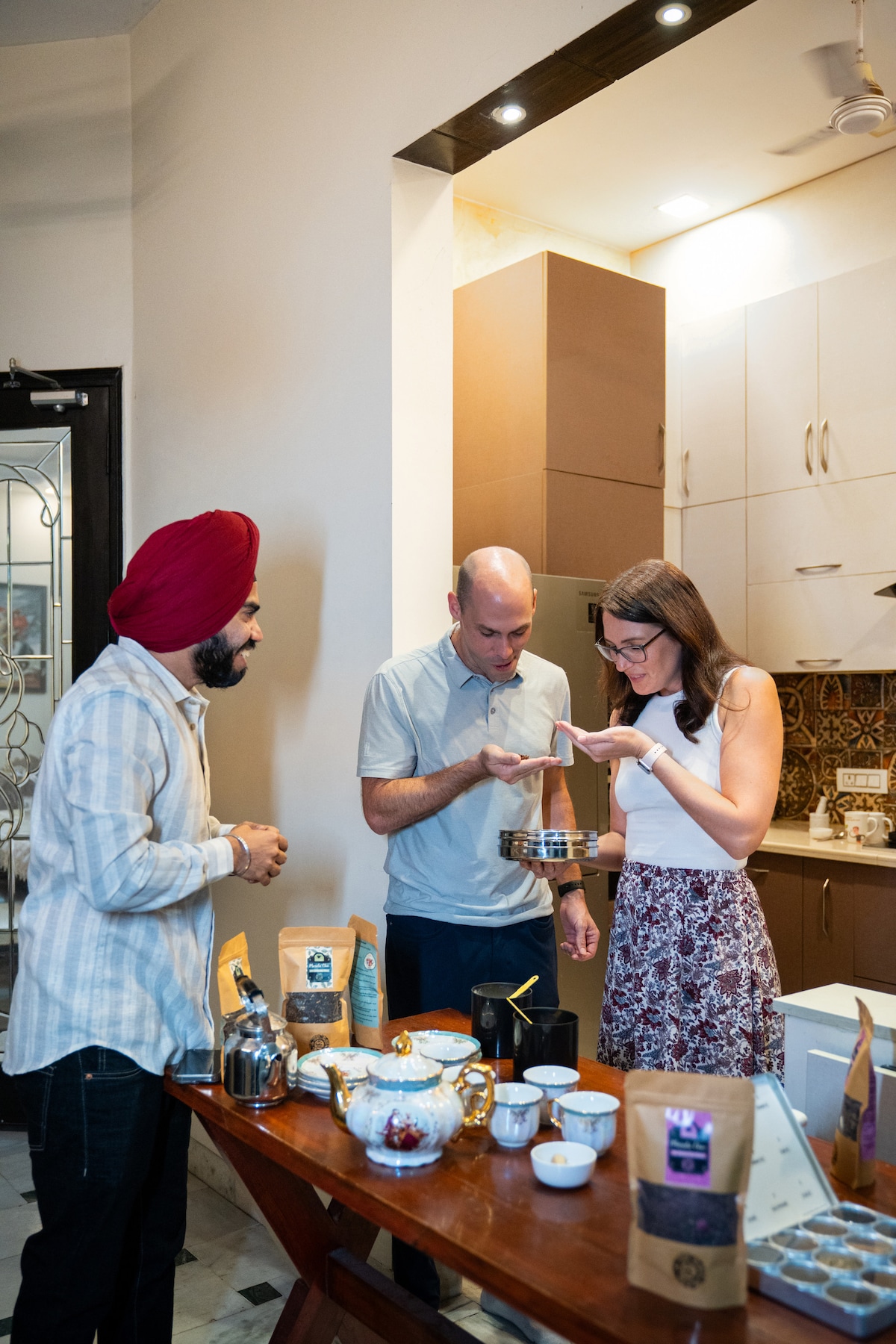
Chai Workshop & Food in Local Indian Family Home
Tue, Jan 27 • 6:00 PM
New Delhi, Delhi, 110048, India
View details
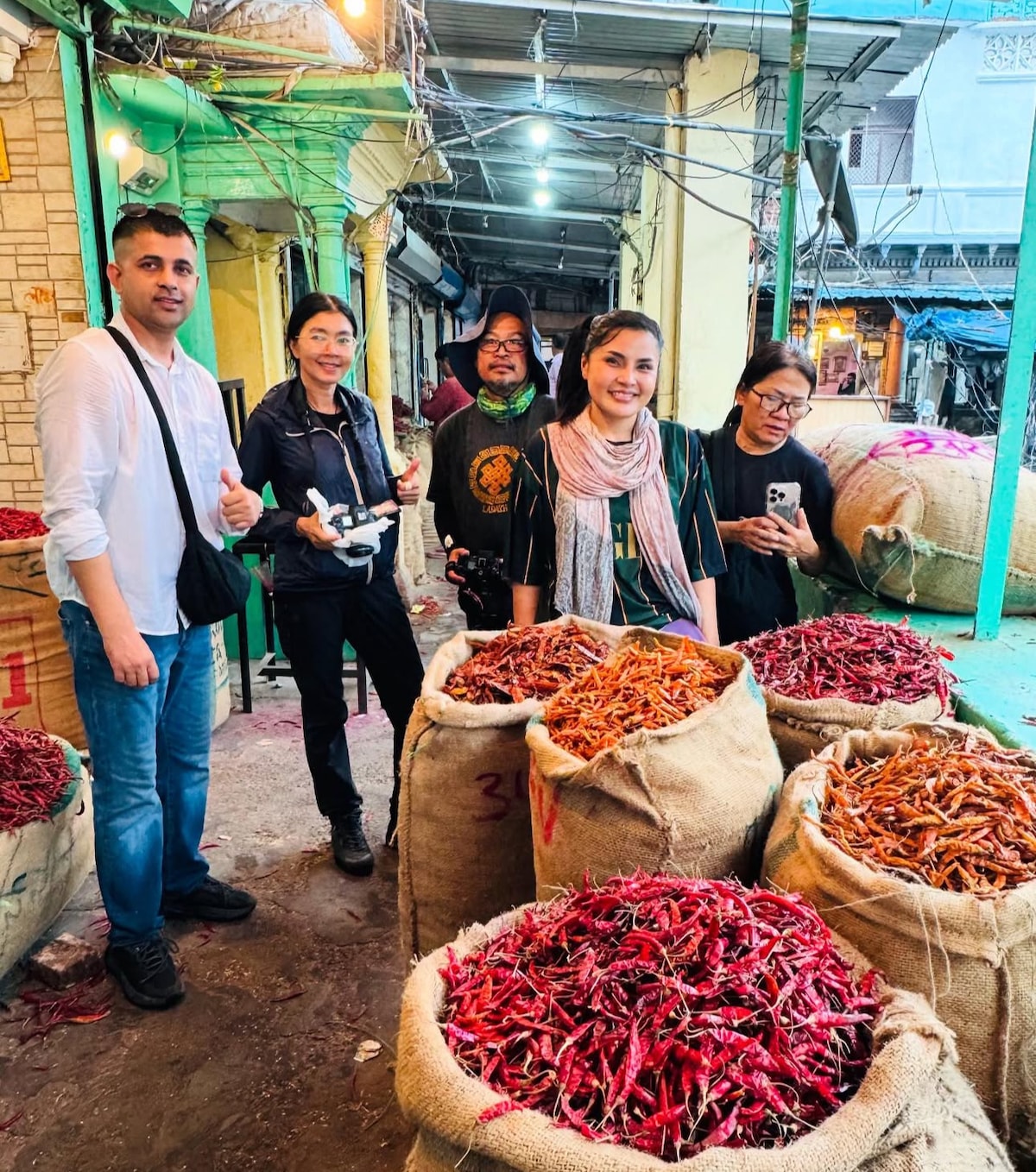
Spice street: Old Delhi food & rickshaw
Wed, Jan 28 • 9:00 AM
New Delhi, Delhi, 110006, India
View details
Nearby attractions of Shree 1008 Mahavir Swami Digamber Jain Mandir Ahimsa Sthal
Ahinsa Sthal
Mehrauli Archaeological Park Tour Guide
Qutb Minar
Qila Rai Pithora Fort Delhi
Gumbad Park
Iron Pillar, Delhi
Divine Art Gallery
Art District XIII
Rajon Ki Baoli
Imam Zamin's Tomb
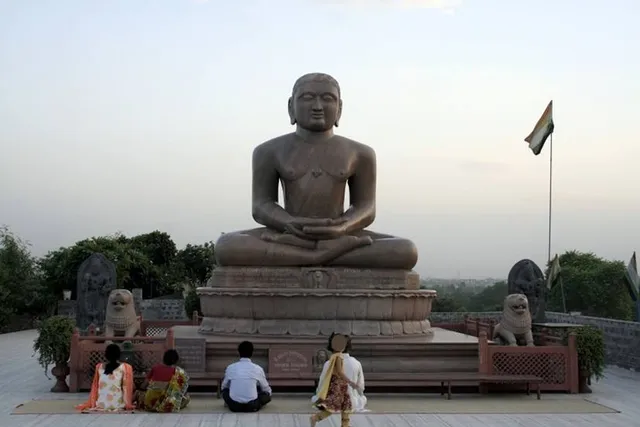
Ahinsa Sthal
4.6
(1.1K)
Closed
Click for details
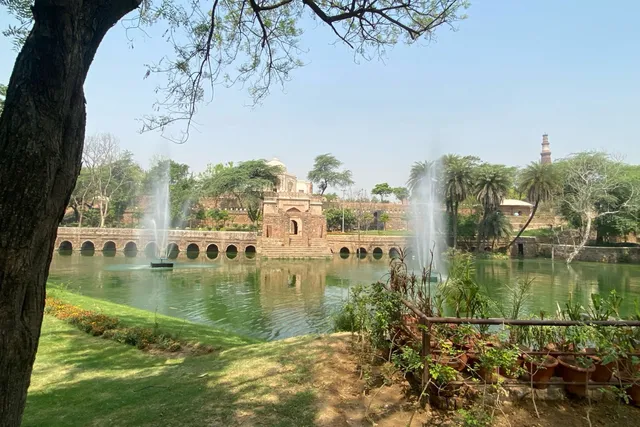
Mehrauli Archaeological Park Tour Guide
4.3
(1.7K)
Open until 6:00 PM
Click for details
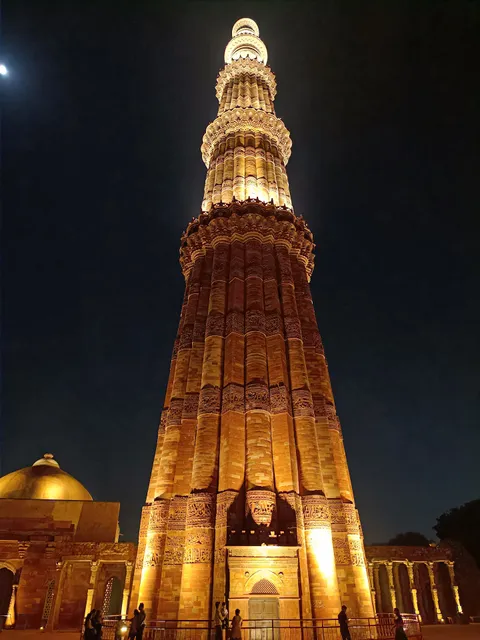
Qutb Minar
4.5
(51.9K)
Open 24 hours
Click for details
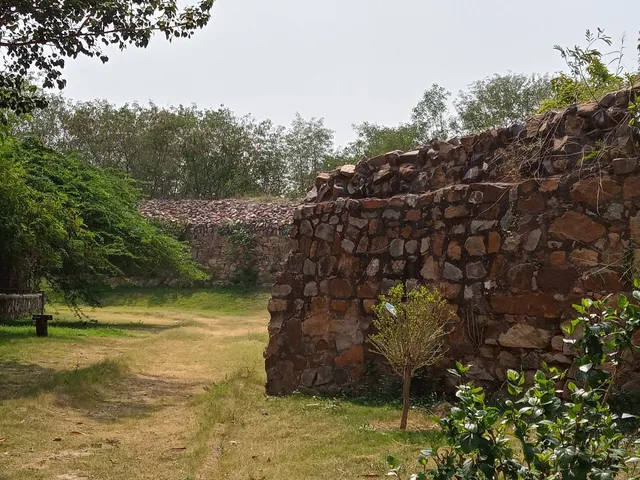
Qila Rai Pithora Fort Delhi
4.2
(154)
Open until 9:00 PM
Click for details
Nearby restaurants of Shree 1008 Mahavir Swami Digamber Jain Mandir Ahimsa Sthal
Bhookemon
Mystical Bundle
AL zaika
Roll Xpress
YASH AADI FOOD CORNER
Dramz Delhi
Mahadev Restaurant
Shail Foods (Bakery & Confectionery)
Olive Bar & Kitchen
Blue Tokai Coffee Roasters | Mehrauli 1AQ

Bhookemon
3.9
(100)
Open until 4:00 AM
Click for details

Mystical Bundle
4.1
(48)
Open until 11:00 PM
Click for details

AL zaika
3.5
(81)
Open until 11:00 PM
Click for details

Roll Xpress
3.7
(43)
Click for details
Nearby local services of Shree 1008 Mahavir Swami Digamber Jain Mandir Ahimsa Sthal
Mehrauli Archaeological Park Jamali Kamali, Delhi
Qutab Minar
Miam Pâtisserie
Taj Mahal Day Tour
1AQ
Alai Darwaza
Champa Gali
Ambawatta One
Adham Khan's Tomb
275 Empowerers Coworking City Westend Marg

Mehrauli Archaeological Park Jamali Kamali, Delhi
4.3
(1.2K)
Click for details
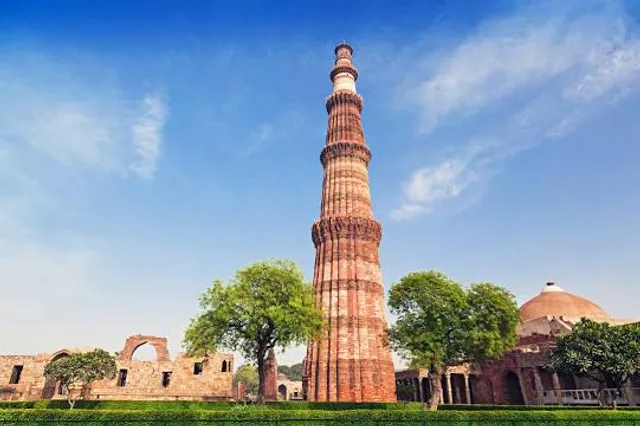
Qutab Minar
4.5
(49.8K)
Click for details
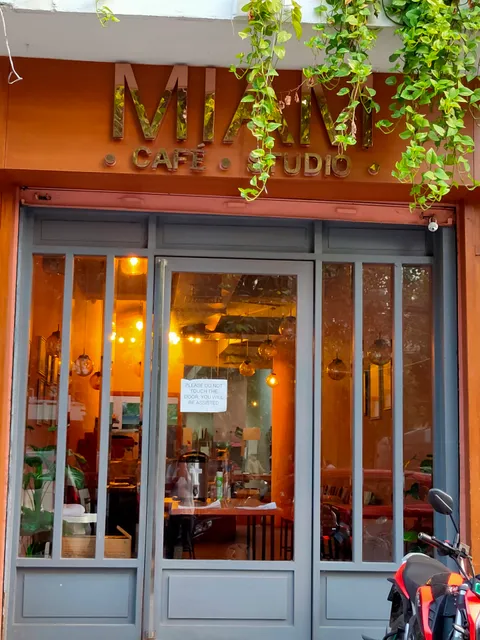
Miam Pâtisserie
4.4
(163)
Click for details

Taj Mahal Day Tour
3.6
(36)
Click for details