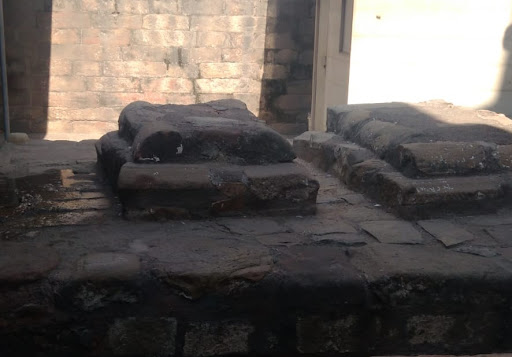
Razia Sultan Tomb things to do, attractions, restaurants, events info and trip planning
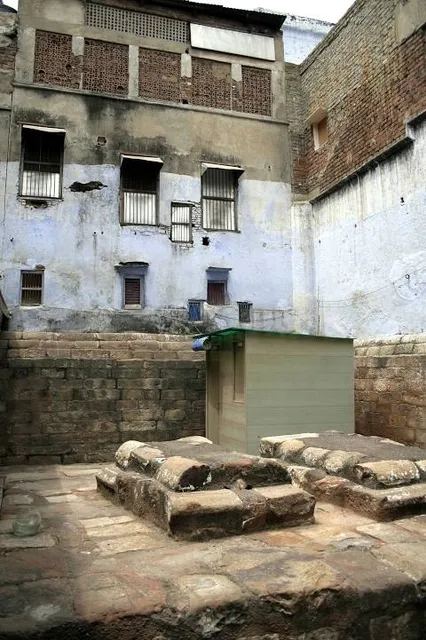
Basic Info
Razia Sultan Tomb
J6WJ+HP8, Central, near Razia sultan tomb, Turkman Gate, Chandni Chowk, New Delhi, Delhi, 110006, India
4.2(399)
Open 24 hours
Save
spot
spot
Ratings & Description
Info
Old Delhi is an area in the Central Delhi district of Delhi, India. It was founded as a walled city named Shahjahanabad in 1648, when Shah Jahan decided to shift the Mughal capital from Agra.
Cultural
Off the beaten path
attractions: Jama Masjid, ISKCON Temple, Chhipiwara, Masjid Mubarak Begum, Sunehri Masjid, Kedarnath Sahni Auditorium, restaurants: HOTEL MAAIDAH ( CHANGEZI CHICKEN), Al Jawahar Restaurant, Rehmatullah Hotel, Shabrati Nahari Centre, Haji Mohd. Hussain, Sikandar Omelette, Diamond Bakery, Al-Madina Bakery, HUNGER FOOD, Student's Cafe, local businesses: Babu Bhai Kabab Wale, Shyam sweets, Taj Mahal Day Trip | One Day Delhi to Agra Fatehpur Sikri Tour Package, Ram Leela Ground, CHAWRI BAZAR, Kallan Sweets, RS Kulfi (Ranjit Singh Kulfi Chandni Chowk) Kulfi Manufacturer Delhi, Durga Sweets Corner, AMEER SWEET HOUSE, Kuremal Mahavir Prasad KulfiWale - Kuremal Kulfi
 Learn more insights from Wanderboat AI.
Plan your stay

Pet-friendly Hotels in Delhi
Find a cozy hotel nearby and make it a full experience.

Affordable Hotels in Delhi
Find a cozy hotel nearby and make it a full experience.

The Coolest Hotels You Haven't Heard Of (Yet)
Find a cozy hotel nearby and make it a full experience.

Trending Stays Worth the Hype in Delhi
Find a cozy hotel nearby and make it a full experience.
Reviews
Live events
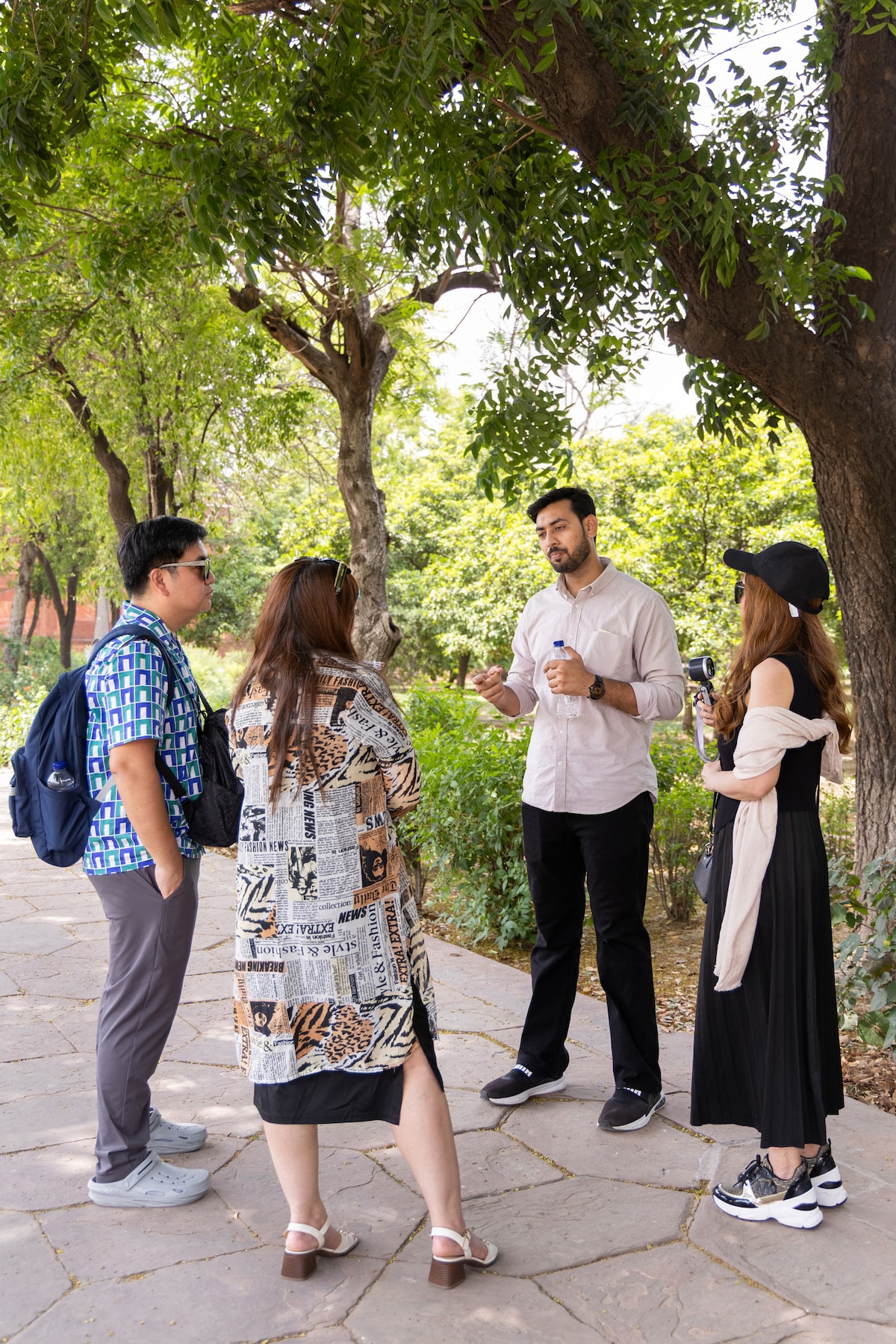
Same Day Taj Mahal & Agra Fort Tour from Delhi
Fri, Feb 27 • 2:30 AM
New Delhi, Delhi, 282001, India
View details
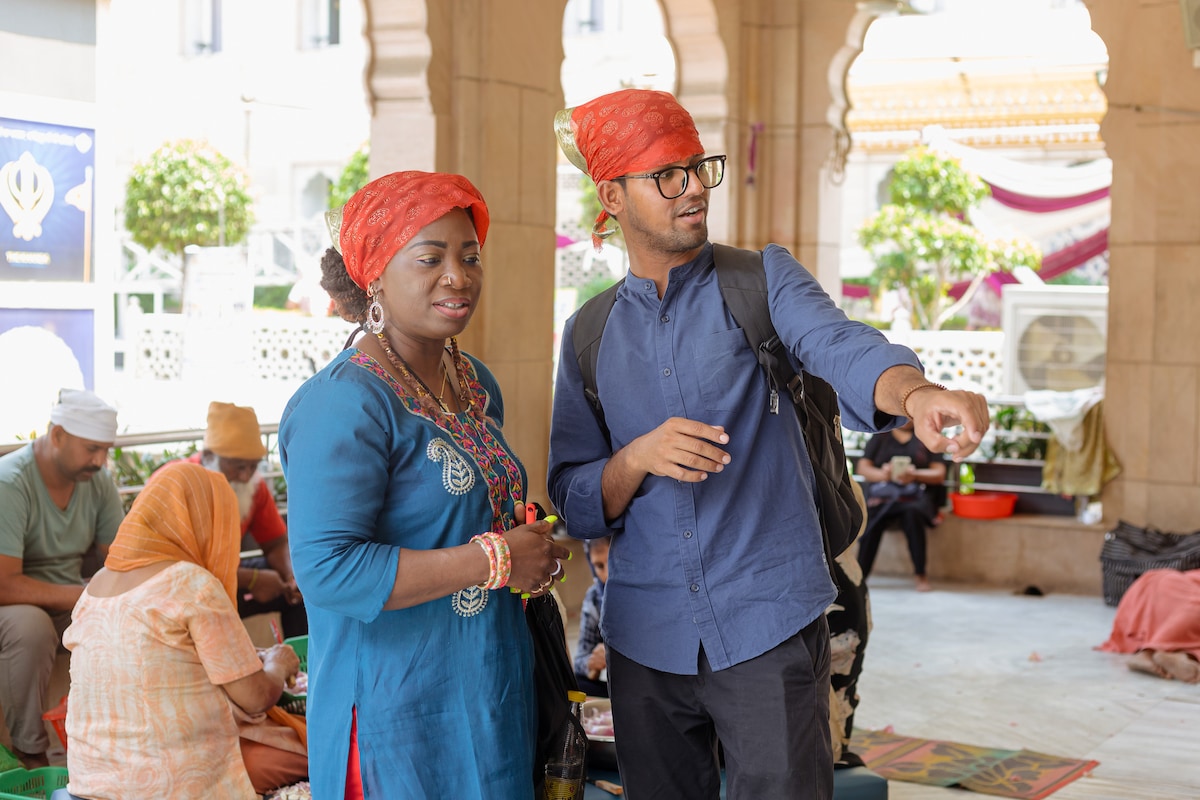
Old Delhis Temple, Rickshaw, Spice Market & Food
Fri, Feb 27 • 11:00 AM
New Delhi, Delhi, 110006, India
View details
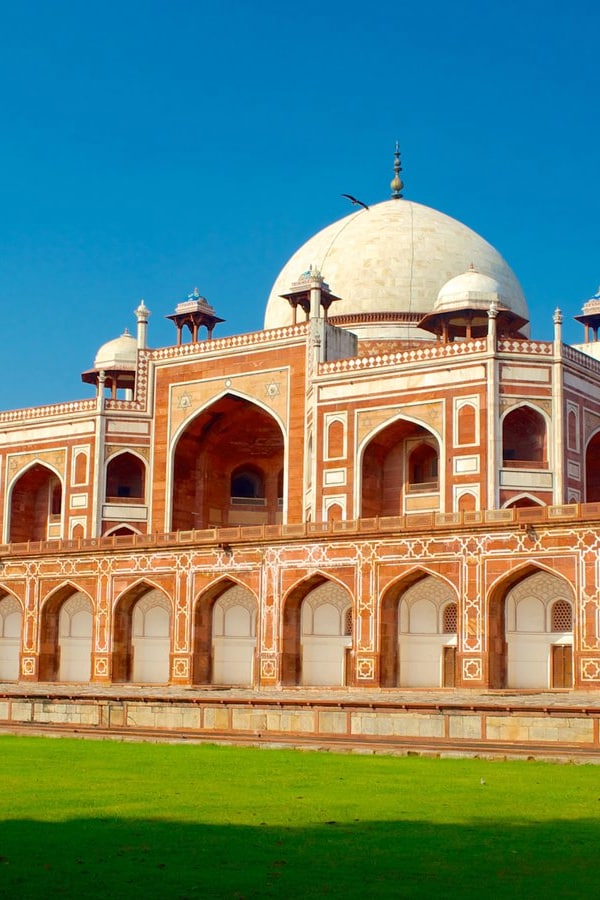
Explore Old and New Delhi’s Monuments with Guide
Fri, Feb 27 • 8:30 AM
New Delhi, Delhi, 110059, India
View details
Nearby attractions of Razia Sultan Tomb
Jama Masjid
ISKCON Temple, Chhipiwara
Masjid Mubarak Begum
Sunehri Masjid
Kedarnath Sahni Auditorium
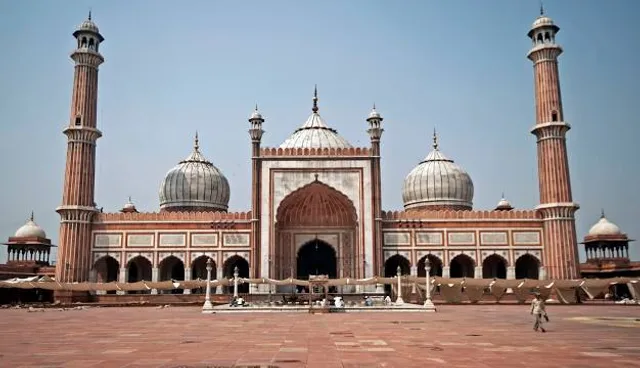
Jama Masjid
4.5
(23.6K)
Closed
Click for details
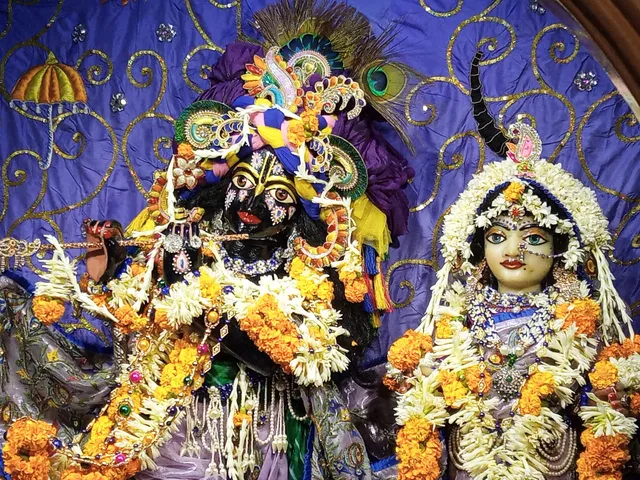
ISKCON Temple, Chhipiwara
4.7
(304)
Closed
Click for details
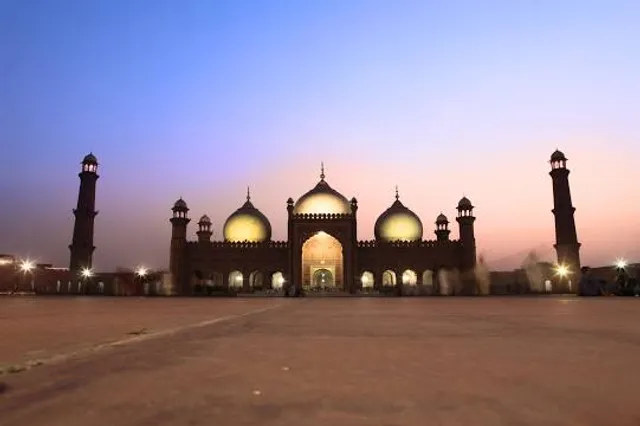
Masjid Mubarak Begum
4.3
(133)
Open 24 hours
Click for details

Sunehri Masjid
4.3
(1.4K)
Open 24 hours
Click for details
Nearby restaurants of Razia Sultan Tomb
HOTEL MAAIDAH ( CHANGEZI CHICKEN)
Al Jawahar Restaurant
Rehmatullah Hotel
Shabrati Nahari Centre
Haji Mohd. Hussain
Sikandar Omelette
Diamond Bakery
Al-Madina Bakery
HUNGER FOOD
Student's Cafe
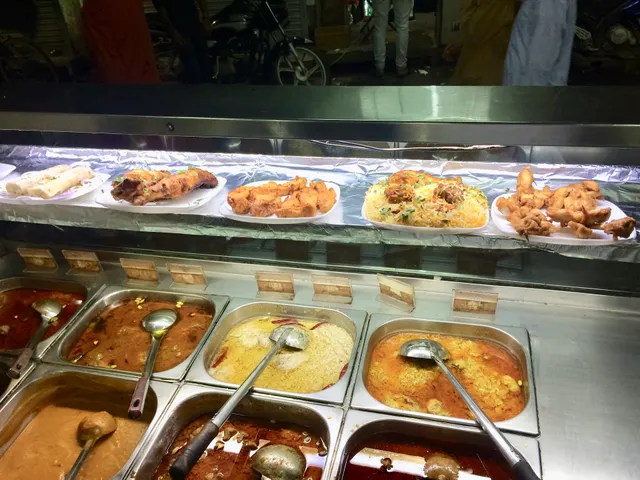
HOTEL MAAIDAH ( CHANGEZI CHICKEN)
4.3
(608)
Closed
Click for details
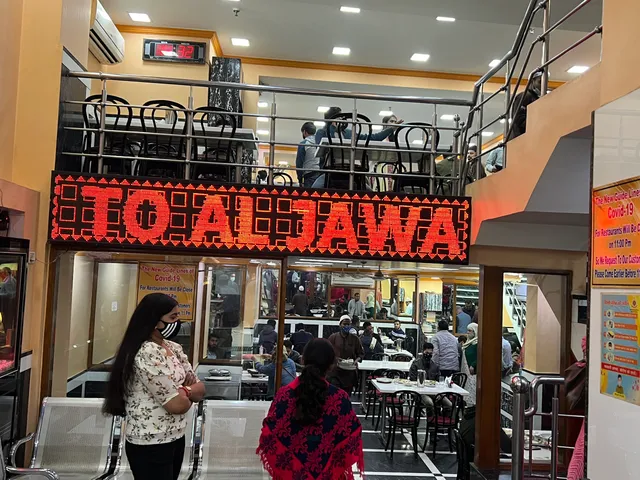
Al Jawahar Restaurant
3.7
(5.5K)
Closed
Click for details
Rehmatullah Hotel
4.8
(2.5K)
Closed
Click for details
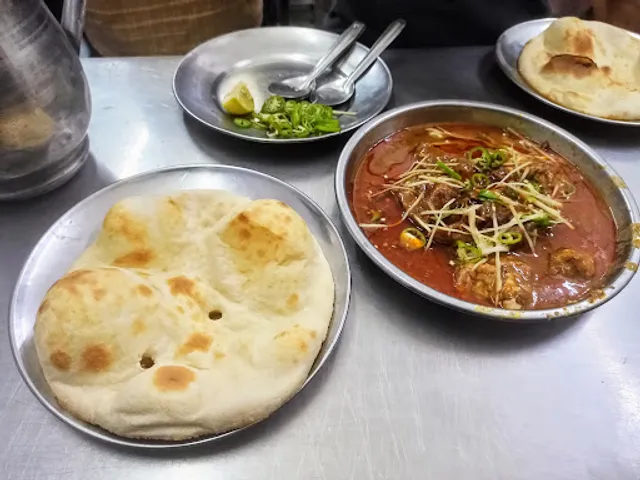
Shabrati Nahari Centre
4.2
(401)
Closed
Click for details
Nearby local services of Razia Sultan Tomb
Babu Bhai Kabab Wale
Shyam sweets
Taj Mahal Day Trip | One Day Delhi to Agra Fatehpur Sikri Tour Package
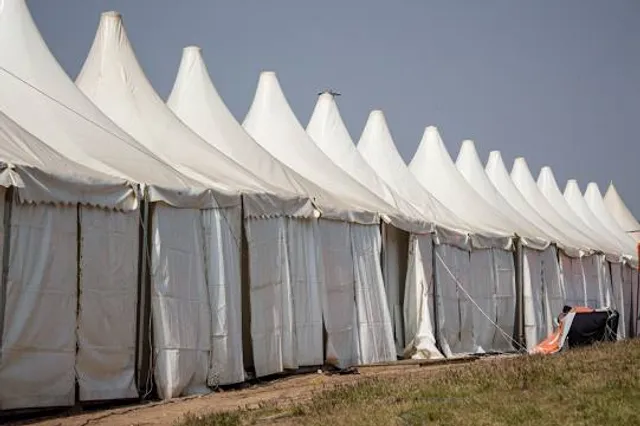
Ram Leela Ground
CHAWRI BAZAR
Kallan Sweets
RS Kulfi (Ranjit Singh Kulfi Chandni Chowk) Kulfi Manufacturer Delhi
Durga Sweets Corner
AMEER SWEET HOUSE
Kuremal Mahavir Prasad KulfiWale - Kuremal Kulfi
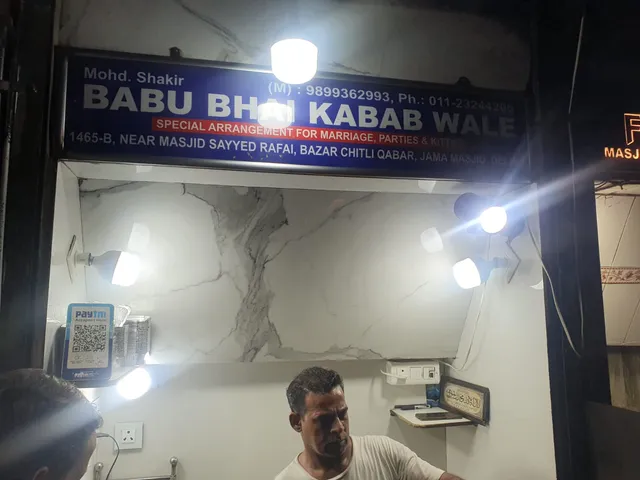
Babu Bhai Kabab Wale
4.2
(228)
Click for details
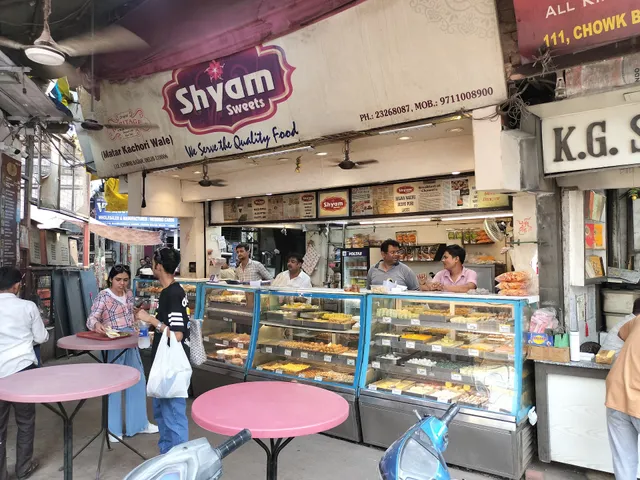
Shyam sweets
4.1
(1.6K)
Click for details
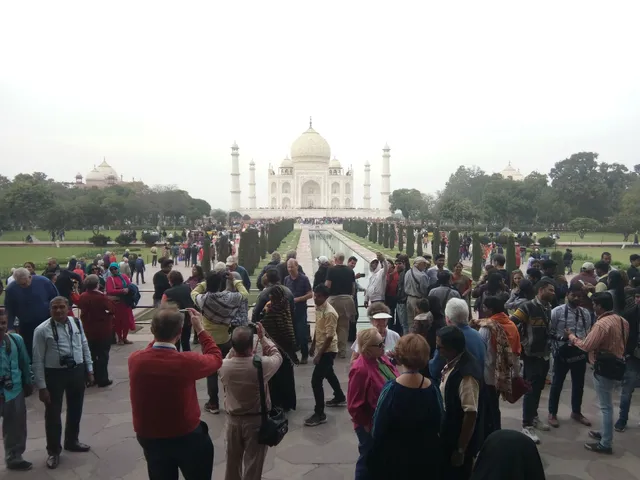
Taj Mahal Day Trip | One Day Delhi to Agra Fatehpur Sikri Tour Package
4.9
(29)
Click for details
Ram Leela Ground
4.0
(2.5K)
Click for details