Viceroys Arch, Goa things to do, attractions, restaurants, events info and trip planning
Basic Info
Viceroys Arch, Goa
Old Goa, Goa 403402, India
4.4(601)
Open until 12:00 AM
Save
spot
spot
Ratings & Description
Info
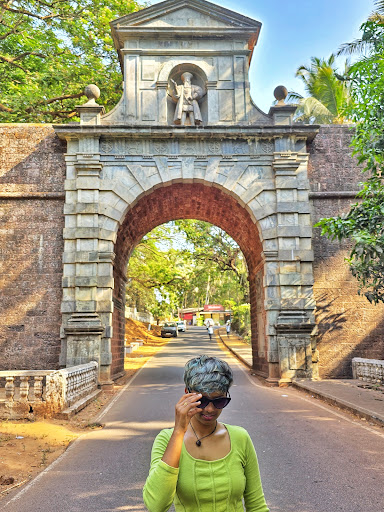
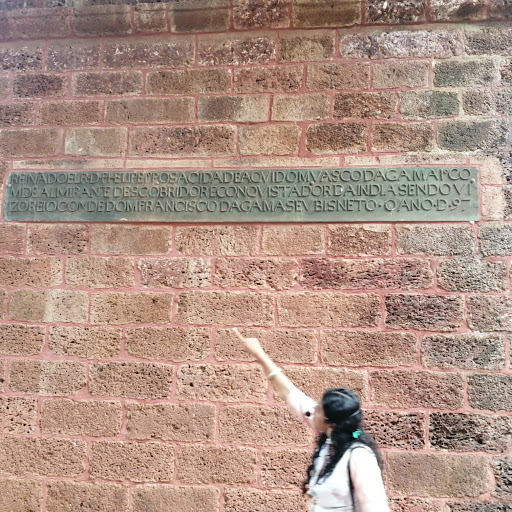
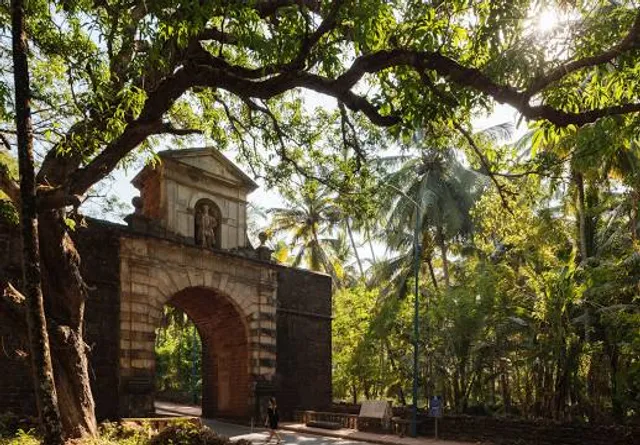
Arch of the Viceroys, also known as Viceroy's Arch, was erected in 1599 in Goa, India, by Viceroy Francisco da Gama, the grandson of Vasco da Gama. The arch was restored in 1954 after it faced a collapse. It is an ASI protected Monument of National Importance in Goa.
Cultural
Scenic
attractions: St. Cajetan Church, Goa, Se Cathedral, Church of St. Francis of Assisi, Basilica of Bom Jesus, Archaeological Museum of Goa, Capela de Santa Catarina de Alexandria, Wax World Museum, Relics Of St. Francis Xavier, St. Augustine Tower, Buttress Of The Church Of Santa Monica, restaurants: Greenyard Restaurant & Bar, Adlem Goi, Mistur Kud Family Restaurant with Bar - Best Seafood restaurant in old Goa, The Seafood Inn, Ratnasagar Family Restaurant & Bar, Darya Deger Restaurant, White Pepper Multicusine Restaurant & Bar, Shambhavi Restaurant, Viva Goa, Annapurna Restaurant, local businesses: Mandovi River, Church of St. Francis of Assisi, Goa, Churches and Convents of Goa, Amul Ice Cream Parlour (Old Goa) - Excel Enterprises
 Learn more insights from Wanderboat AI.
Open hoursSee all hours
TueOpen 24 hoursOpen
Plan your stay

Pet-friendly Hotels in Goa
Find a cozy hotel nearby and make it a full experience.

Affordable Hotels in Goa
Find a cozy hotel nearby and make it a full experience.

The Coolest Hotels You Haven't Heard Of (Yet)
Find a cozy hotel nearby and make it a full experience.

Trending Stays Worth the Hype in Goa
Find a cozy hotel nearby and make it a full experience.
Reviews
Live events
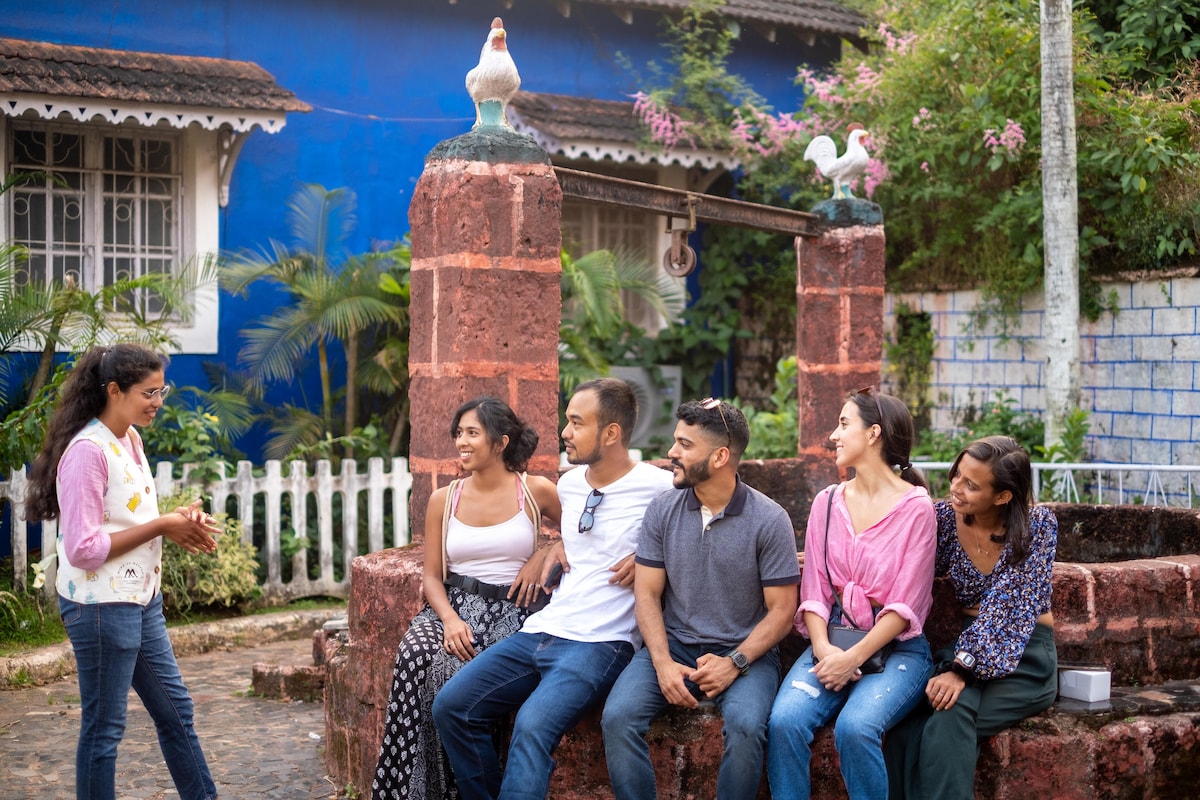
Uncover Fontainhas heritage
Tue, Feb 24 • 6:00 PM
Panaji, Goa, 403521, India
View details

Get hooked on Fishing Anjuna
Wed, Feb 25 • 7:00 AM
Baga, Goa, 403509, India
View details

Kayaking experience on the Chapora river.
Wed, Feb 25 • 7:30 AM
Revora, Goa, 403513, India
View details
Nearby attractions of Viceroys Arch, Goa
St. Cajetan Church, Goa
Se Cathedral
Church of St. Francis of Assisi
Basilica of Bom Jesus
Archaeological Museum of Goa
Capela de Santa Catarina de Alexandria
Wax World Museum
Relics Of St. Francis Xavier
St. Augustine Tower
Buttress Of The Church Of Santa Monica
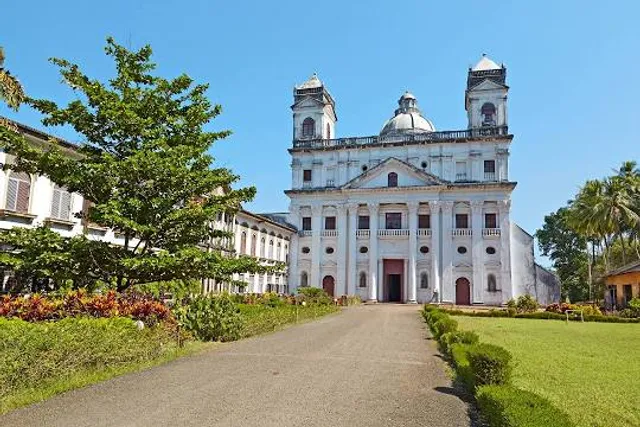
St. Cajetan Church, Goa
4.6
(478)
Open 24 hours
Click for details
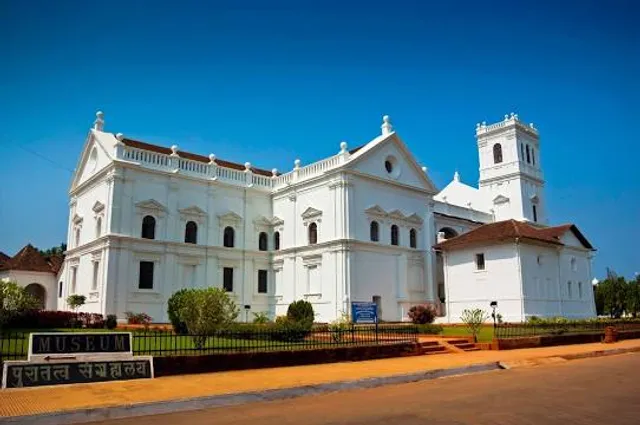
Se Cathedral
4.5
(3K)
Closed
Click for details
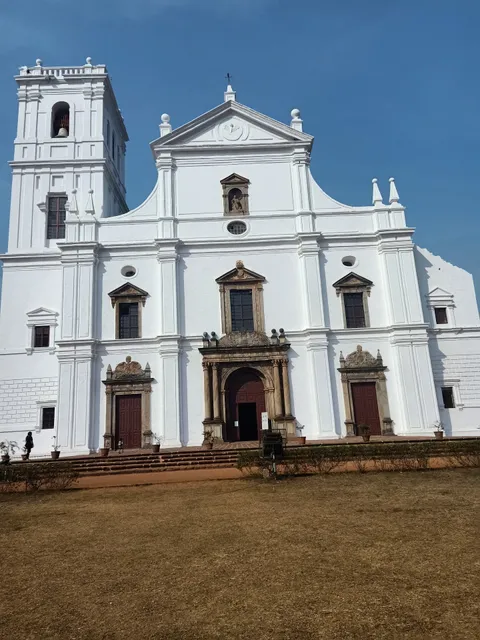
Church of St. Francis of Assisi
4.5
(2.1K)
Closed
Click for details
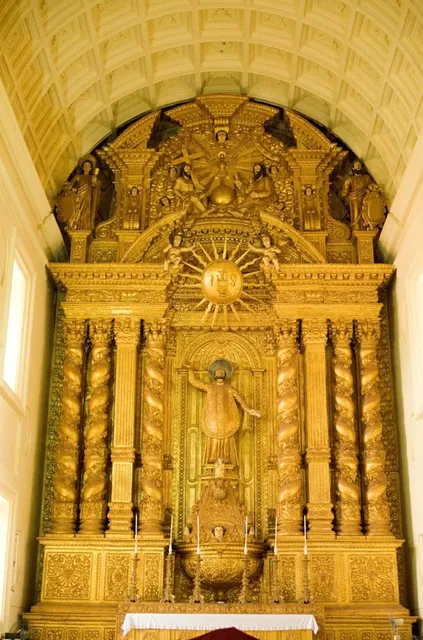
Basilica of Bom Jesus
4.5
(24.3K)
Closed
Click for details
Nearby restaurants of Viceroys Arch, Goa
Greenyard Restaurant & Bar
Adlem Goi
Mistur Kud Family Restaurant with Bar - Best Seafood restaurant in old Goa
The Seafood Inn
Ratnasagar Family Restaurant & Bar
Darya Deger Restaurant
White Pepper Multicusine Restaurant & Bar
Shambhavi Restaurant
Viva Goa
Annapurna Restaurant
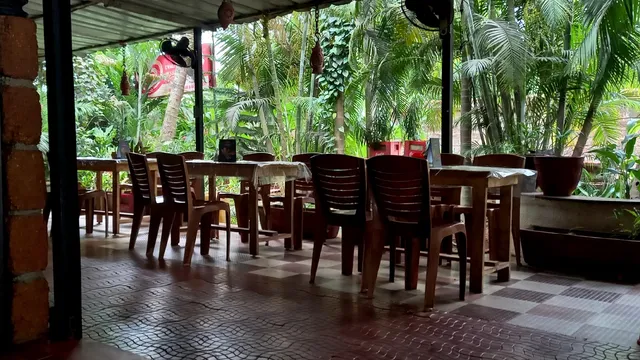
Greenyard Restaurant & Bar
4.1
(456)
Open until 11:00 PM
Click for details
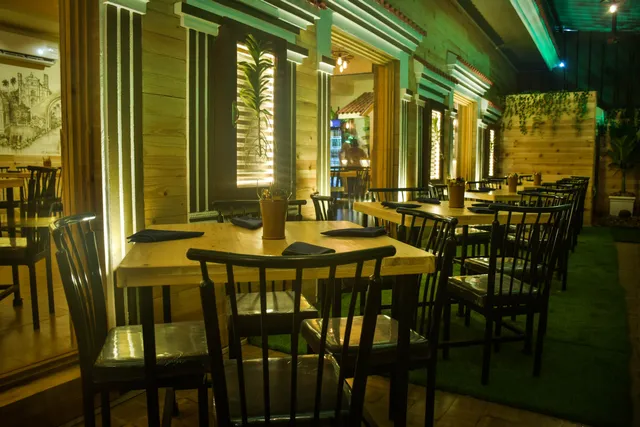
Adlem Goi
4.6
(3.4K)
$$
Open until 2:00 AM
Click for details
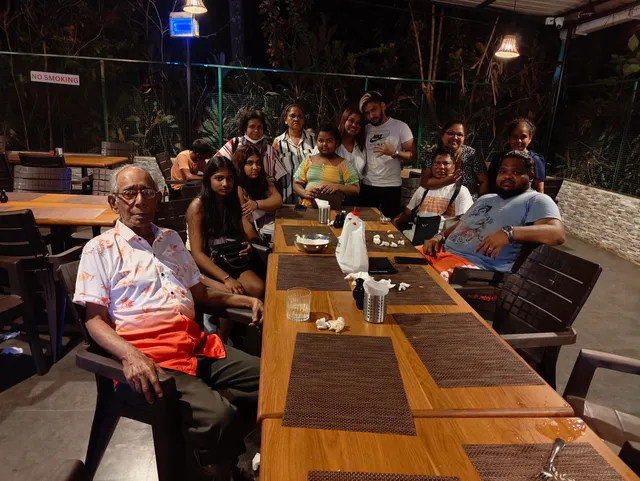
Mistur Kud Family Restaurant with Bar - Best Seafood restaurant in old Goa
4.3
(286)
$$
Open until 12:00 AM
Click for details
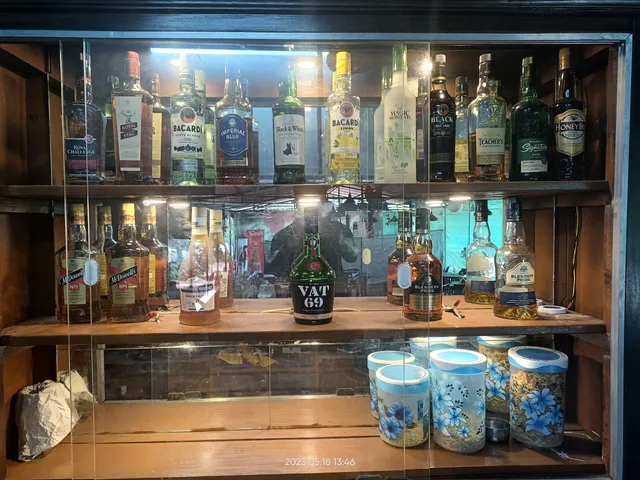
The Seafood Inn
4.3
(98)
Open until 11:00 PM
Click for details
Nearby local services of Viceroys Arch, Goa
Mandovi River
Church of St. Francis of Assisi, Goa
Churches and Convents of Goa
Amul Ice Cream Parlour (Old Goa) - Excel Enterprises
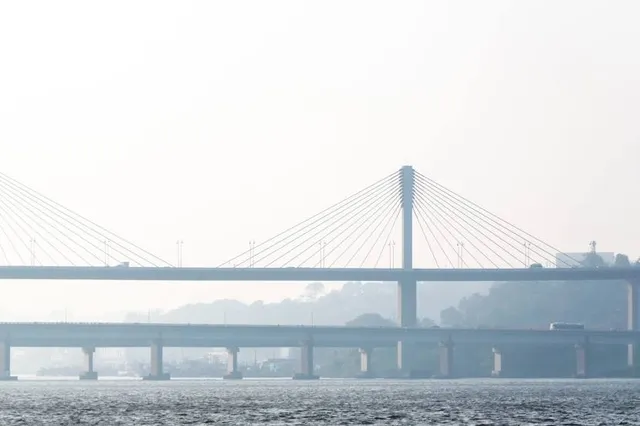
Mandovi River
4.2
(174)
Click for details
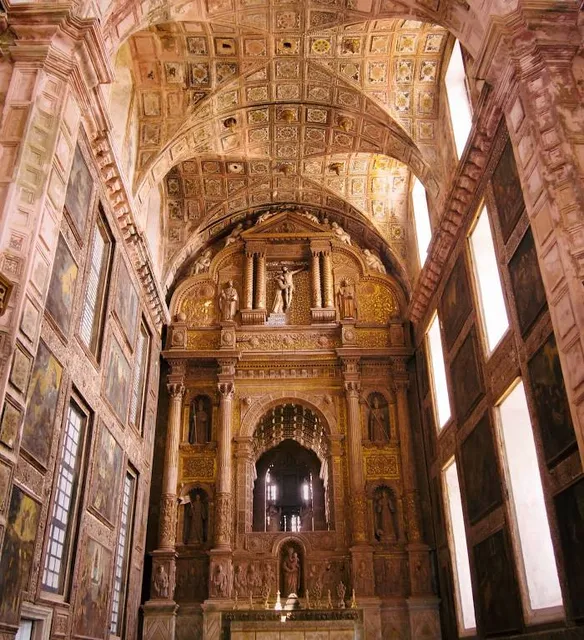
Church of St. Francis of Assisi, Goa
4.5
(1.9K)
Click for details
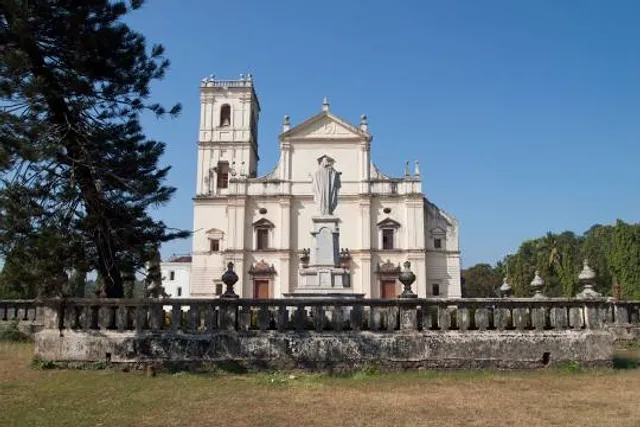
Churches and Convents of Goa
4.6
(143)
Click for details
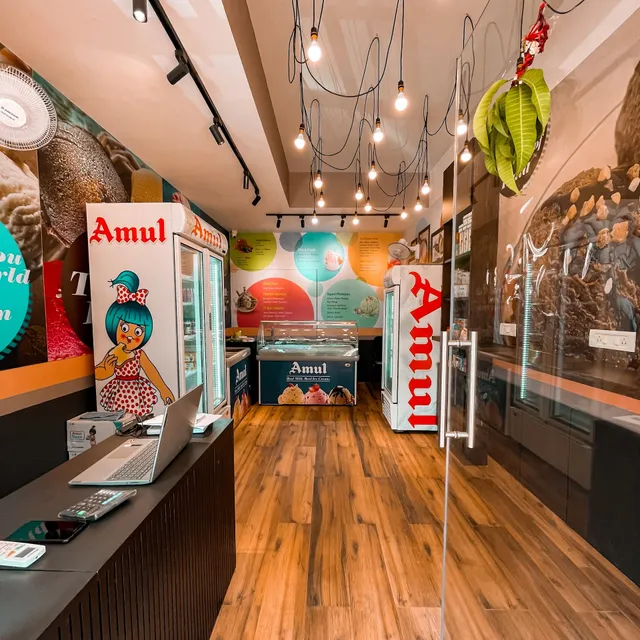
Amul Ice Cream Parlour (Old Goa) - Excel Enterprises
4.9
(45)
Click for details