Tibetan Institute of Performing Arts - TIPA (བོད་ཀྱི་ཟློས་གར་ཚོགས་པ།) things to do, attractions, restaurants, events info and trip planning
Basic Info
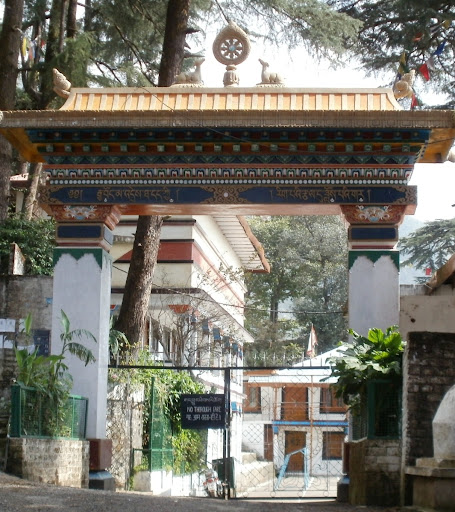
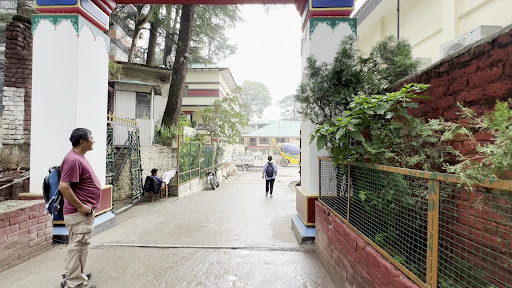
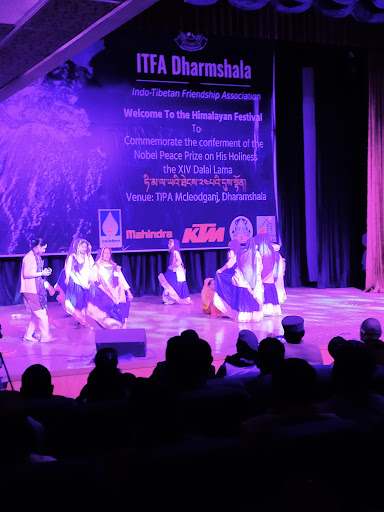
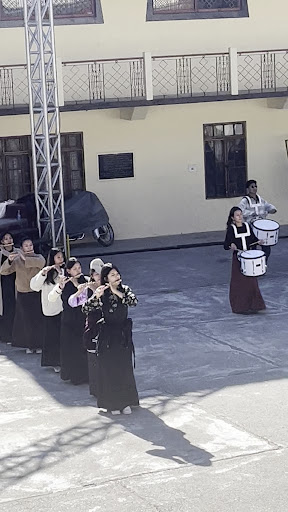
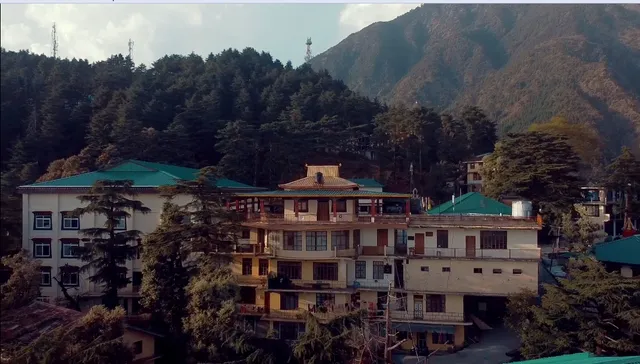
Tibetan Institute of Performing Arts - TIPA (བོད་ཀྱི་ཟློས་གར་ཚོགས་པ།)
Dharamkot Rd, P.O, McLeod Ganj, McLeodganj, Himachal Pradesh 176215, India
4.5(130)
Closed
Save
spot
spot
Ratings & Description
Info
The Tibetan Institute of Performing Arts was founded by Tenzin Gyatso, the 14th Dalai Lama on reaching McLeod Ganj, Himachal Pradesh, India in exile from Tibet in August 1959.
Cultural
Entertainment
Family friendly
Accessibility
attractions: Bhagsu Naag Temple, Tushita Meditation Centre, Kalachakra temple, Dharamshala Skyway - McLeod Ganj Station, Dip Tse Chok Ling, restaurants: Cafe Yeti, Addiction Cafe, German Bakery Restaurant Bar-Restaurants/Bakery/Bar in Mcleodganj, Taste of India, Jimmys Italian Kitchen in McLeodGanj, Chilly Beans Cafe, Nick's Italian Kitchen, Rakus Place Hotel,Cafe & bar, Lotus Punjabi Dhaba, Old german bakery, local businesses: Namgyalma Stupa, Dolma Chowk, BhagsuNag waterfall, Kirti Monastery
 Learn more insights from Wanderboat AI.
Website
tipa.asia
Open hoursSee all hours
Wed9 AM - 5 PMClosed
Plan your stay

Pet-friendly Hotels in Himachal Pradesh
Find a cozy hotel nearby and make it a full experience.

Affordable Hotels in Himachal Pradesh
Find a cozy hotel nearby and make it a full experience.

The Coolest Hotels You Haven't Heard Of (Yet)
Find a cozy hotel nearby and make it a full experience.

Trending Stays Worth the Hype in Himachal Pradesh
Find a cozy hotel nearby and make it a full experience.
Reviews
Live events
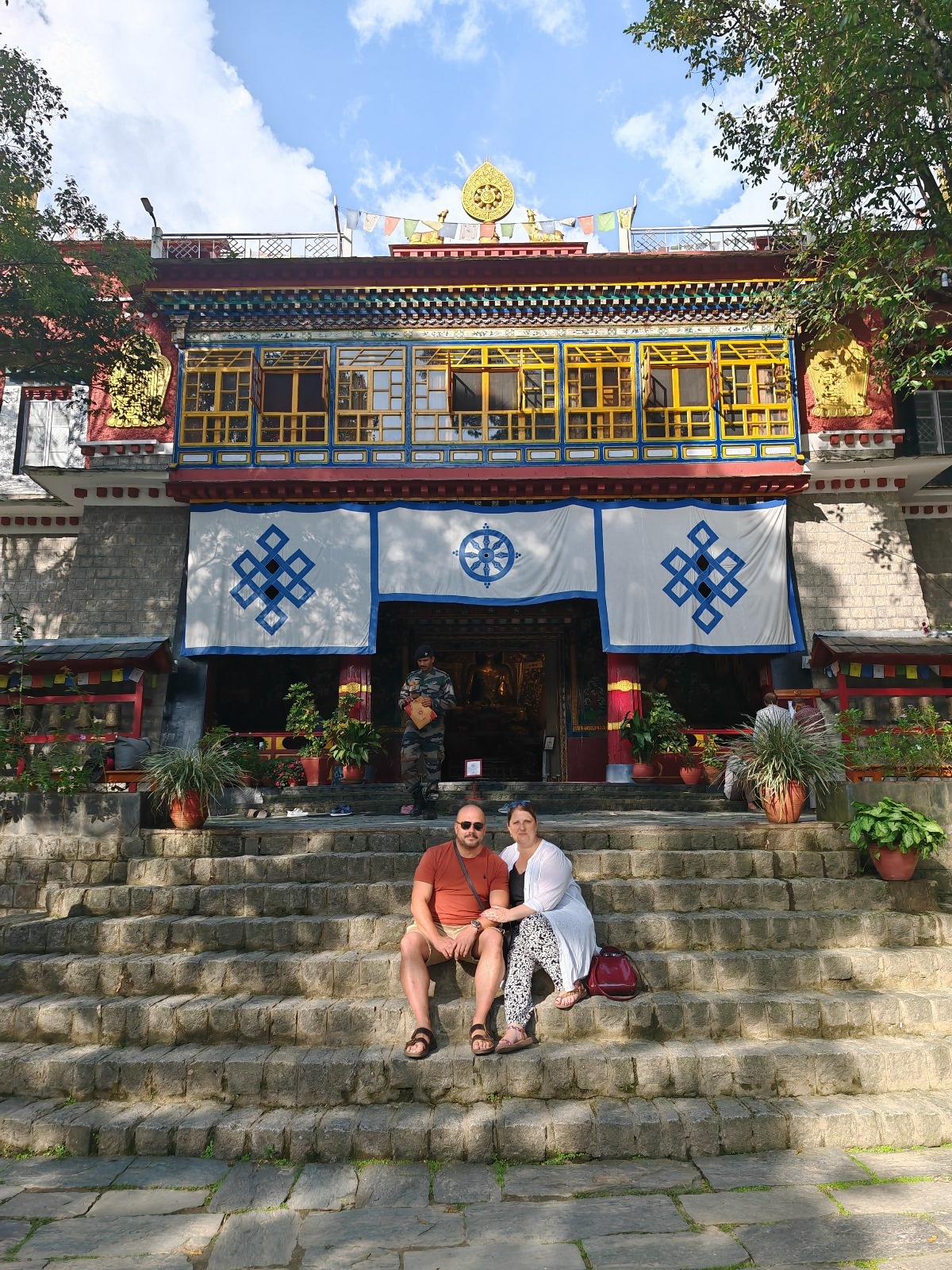
Cultural CityTour-Ancient Dharamshala with a local
Thu, Jan 29 • 9:30 AM
Kangra, Himachal Pradesh, 176219, India
View details
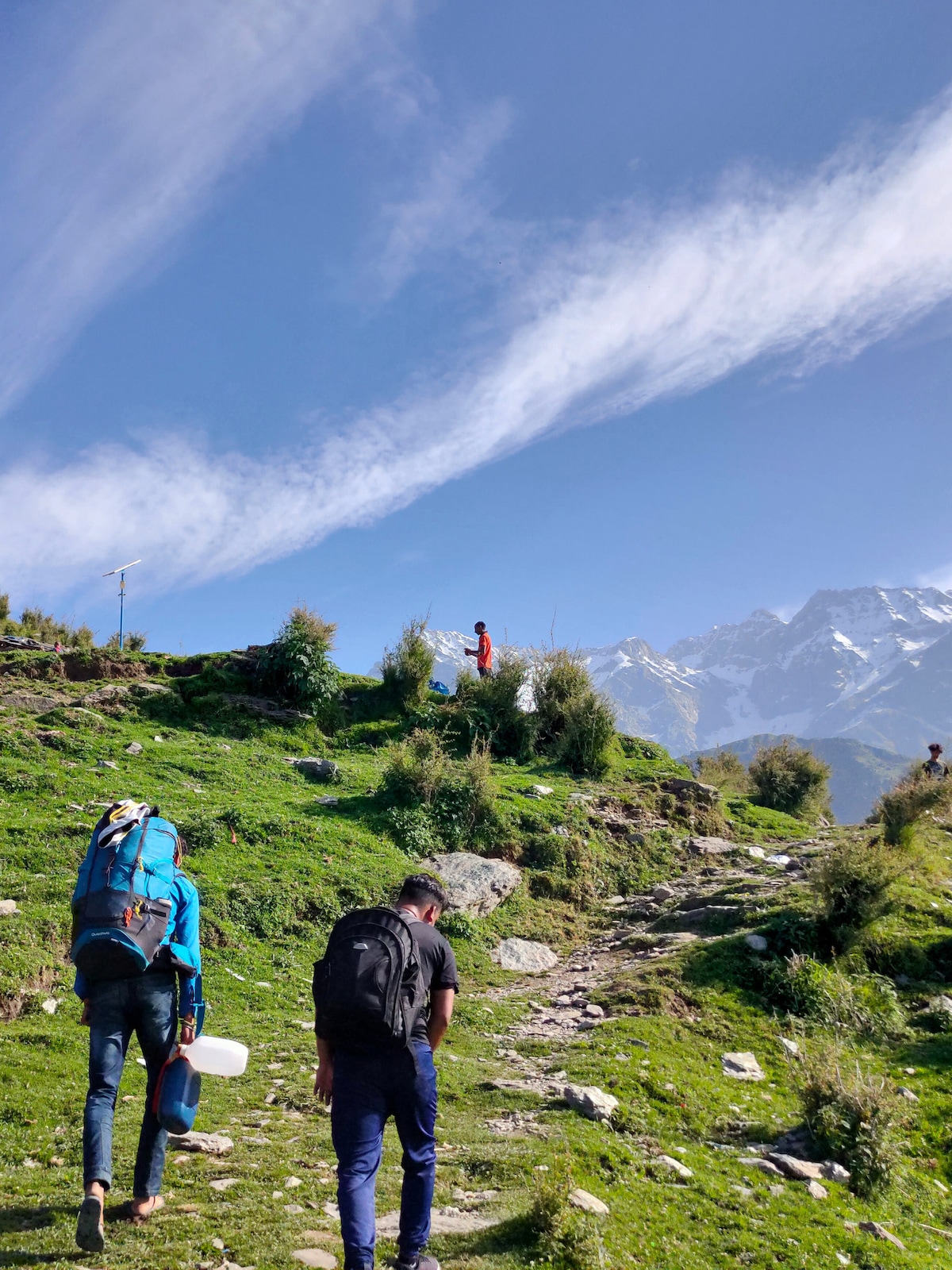
Hike to Triund from McLeod Ganj
Thu, Jan 29 • 6:00 AM
Dharamshala, Himachal Pradesh, 176219, India
View details
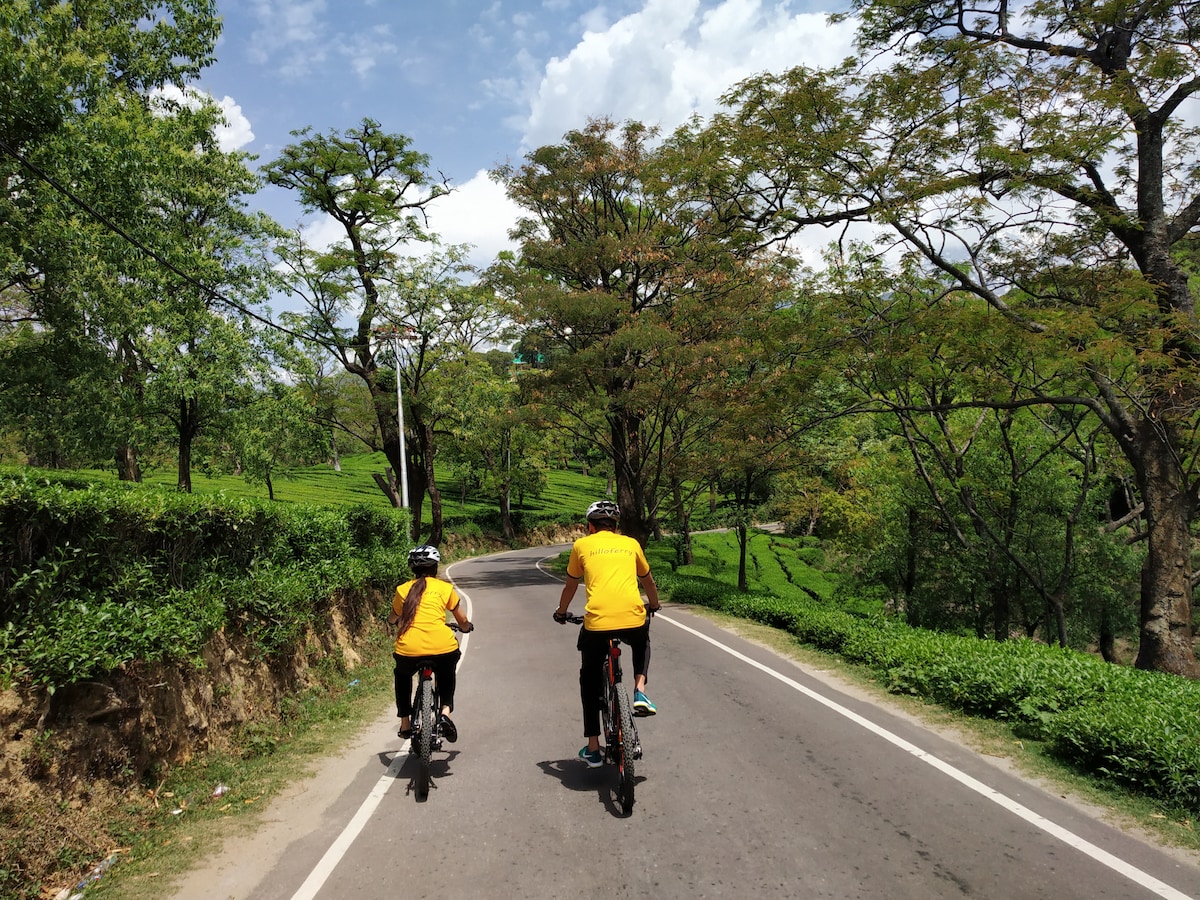
Hilloferry - Ride through scenic lower Dharamshala
Sat, Jan 31 • 8:00 AM
Yol, Himachal Pradesh, 176052, India
View details
Nearby attractions of Tibetan Institute of Performing Arts - TIPA (བོད་ཀྱི་ཟློས་གར་ཚོགས་པ།)
Bhagsu Naag Temple
Tushita Meditation Centre
Kalachakra temple
Dharamshala Skyway - McLeod Ganj Station
Dip Tse Chok Ling
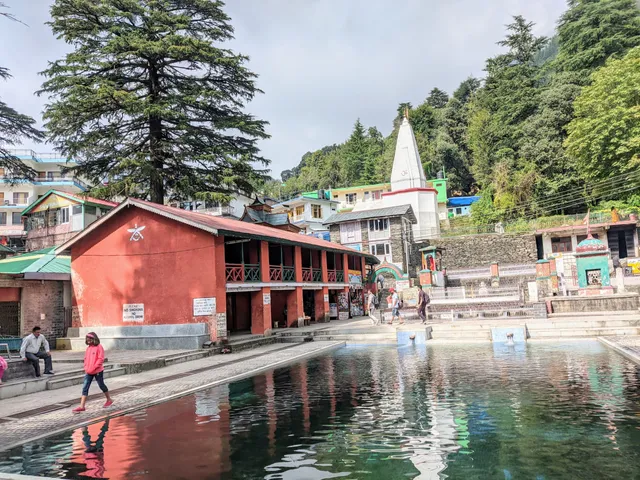
Bhagsu Naag Temple
4.5
(4K)
Closed
Click for details
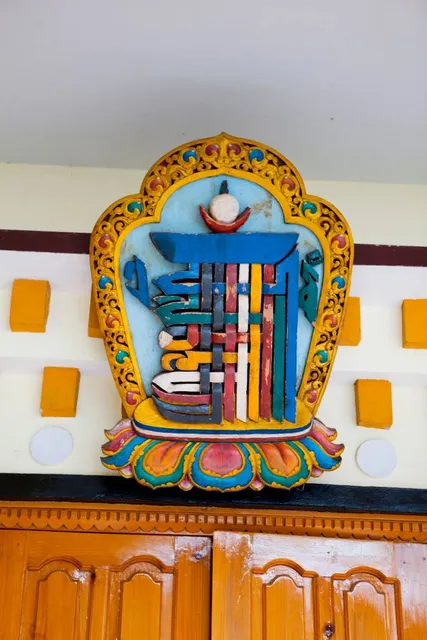
Tushita Meditation Centre
4.7
(716)
Closed
Click for details
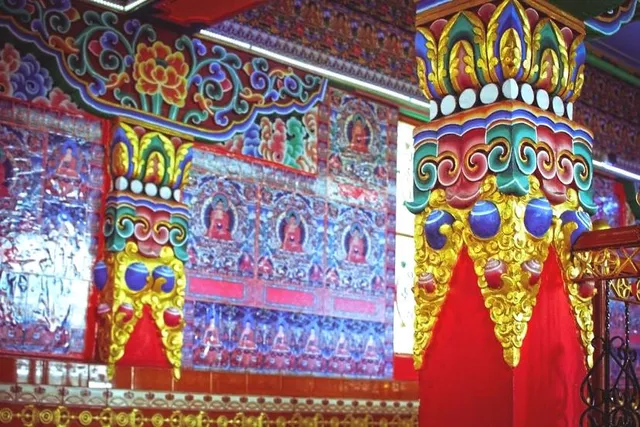
Kalachakra temple
4.5
(598)
Open 24 hours
Click for details
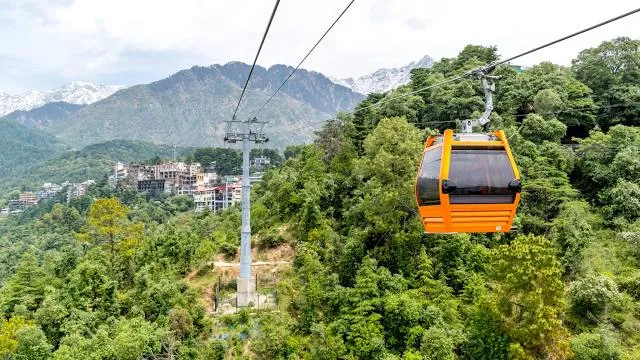
Dharamshala Skyway - McLeod Ganj Station
4.6
(1.3K)
Closed
Click for details
Nearby restaurants of Tibetan Institute of Performing Arts - TIPA (བོད་ཀྱི་ཟློས་གར་ཚོགས་པ།)
Cafe Yeti
Addiction Cafe
German Bakery Restaurant Bar-Restaurants/Bakery/Bar in Mcleodganj
Taste of India
Jimmys Italian Kitchen in McLeodGanj
Chilly Beans Cafe
Nick's Italian Kitchen
Rakus Place Hotel,Cafe & bar
Lotus Punjabi Dhaba
Old german bakery
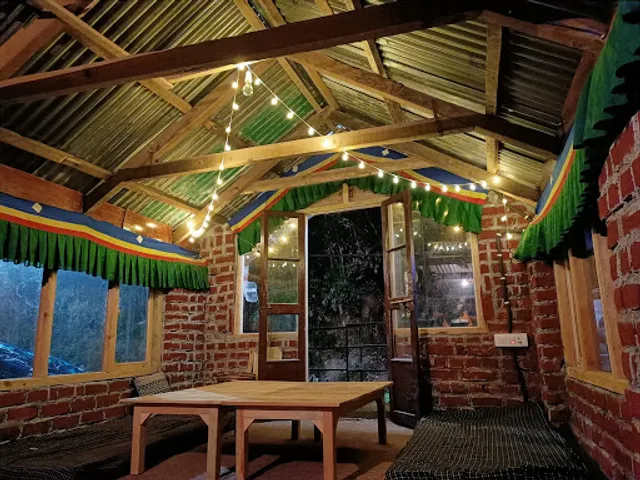
Cafe Yeti
4.6
(96)
Open until 11:00 PM
Click for details
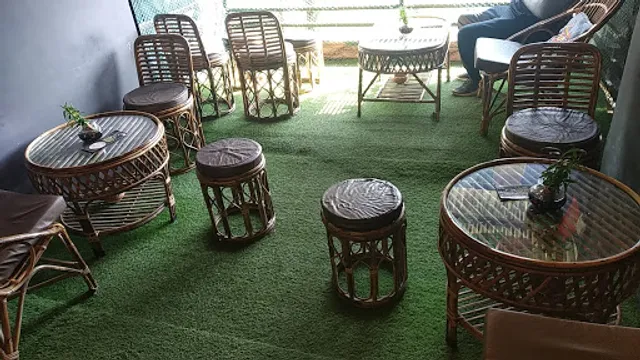
Addiction Cafe
4.5
(64)
Open until 11:30 PM
Click for details
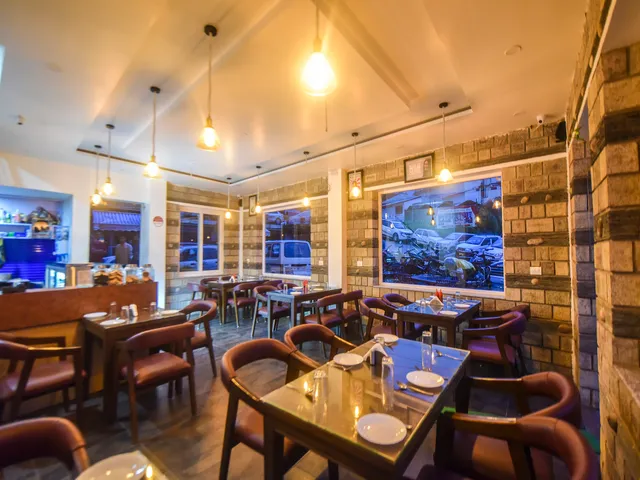
German Bakery Restaurant Bar-Restaurants/Bakery/Bar in Mcleodganj
4.2
(916)
Open until 11:30 PM
Click for details
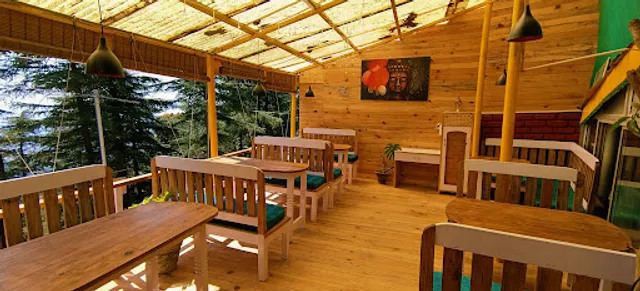
Taste of India
4.1
(13)
Closed
Click for details
Nearby local services of Tibetan Institute of Performing Arts - TIPA (བོད་ཀྱི་ཟློས་གར་ཚོགས་པ།)
Namgyalma Stupa
Dolma Chowk
BhagsuNag waterfall
Kirti Monastery
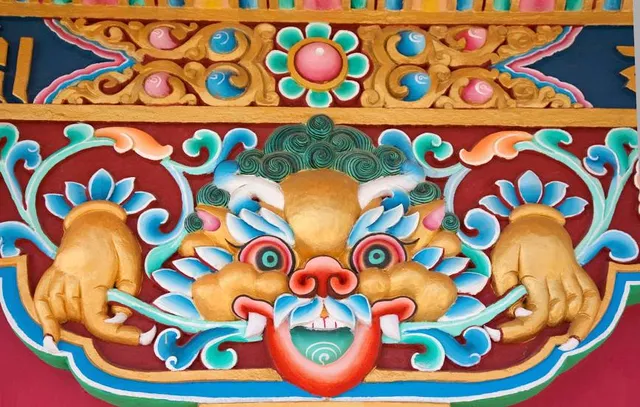
Namgyalma Stupa
4.2
(17)
Click for details
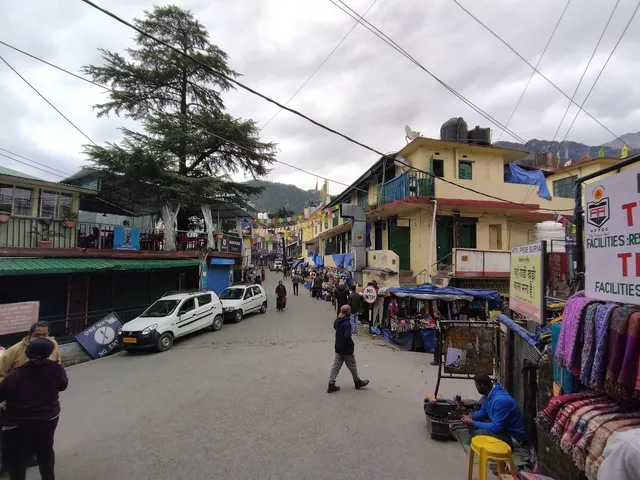
Dolma Chowk
4.4
(24)
Click for details
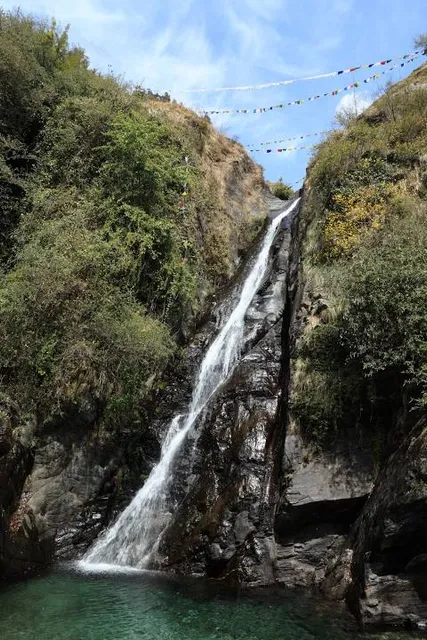
BhagsuNag waterfall
4.5
(247)
Click for details
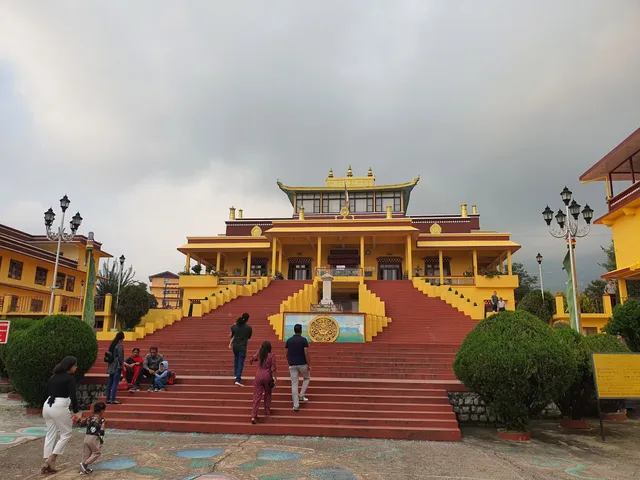
Kirti Monastery
4.5
(33)
Click for details