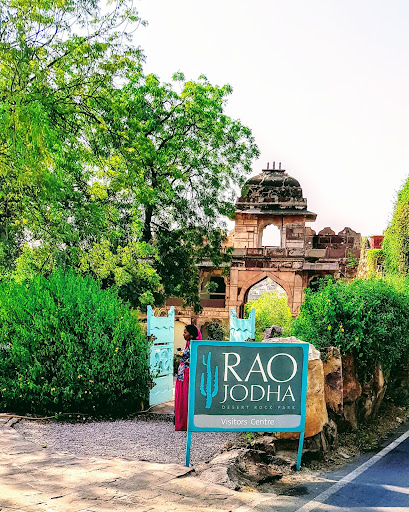
Rao Jodha Desert Rock Park things to do, attractions, restaurants, events info and trip planning
Basic Info
Rao Jodha Desert Rock Park
Mehrangarh Ft Rd, Jodhpur, Rajasthan 342024, India
4.3(1.5K)
Closed

tickets
Save
spot
spot
Ratings & Description
Info
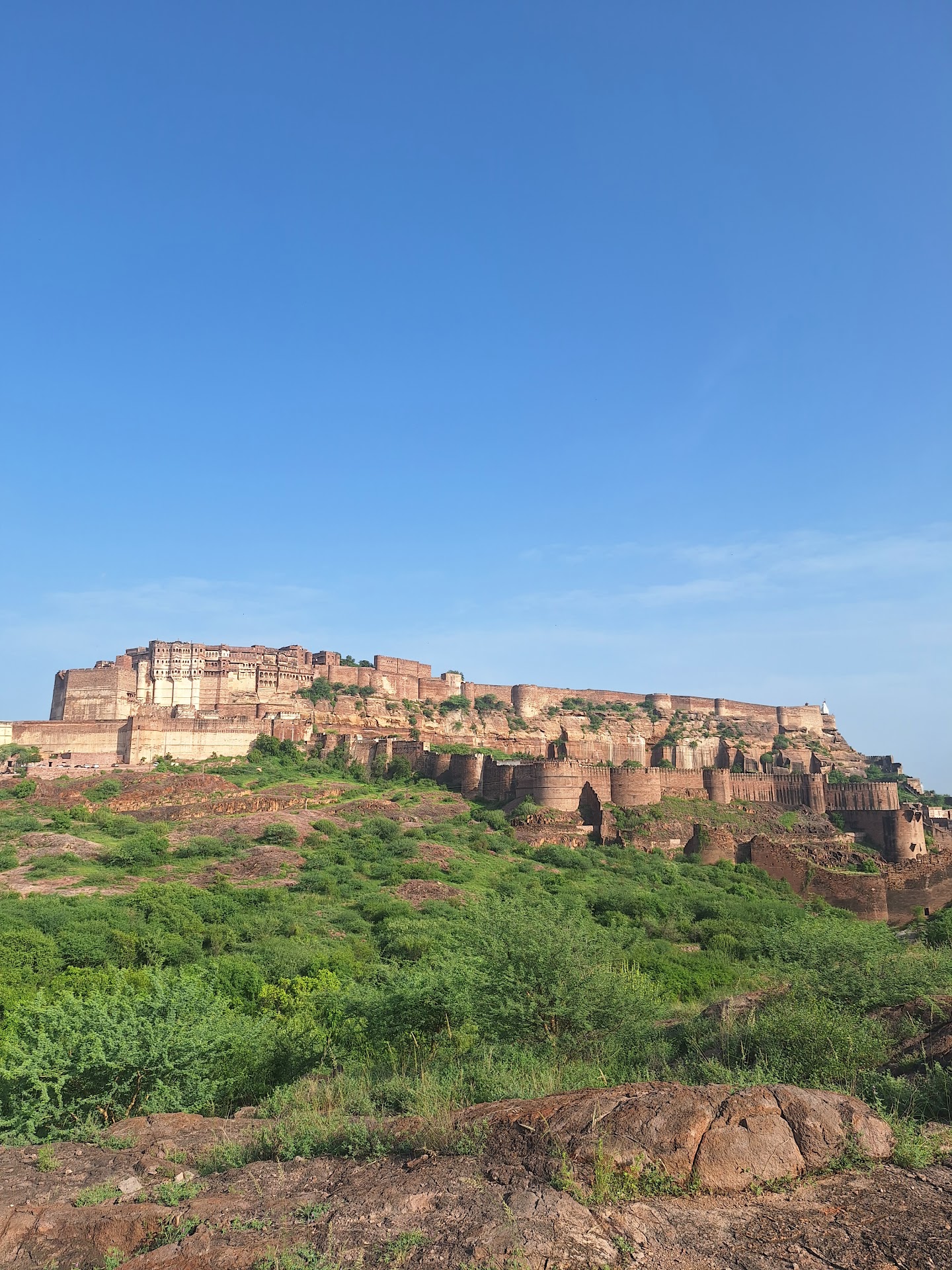
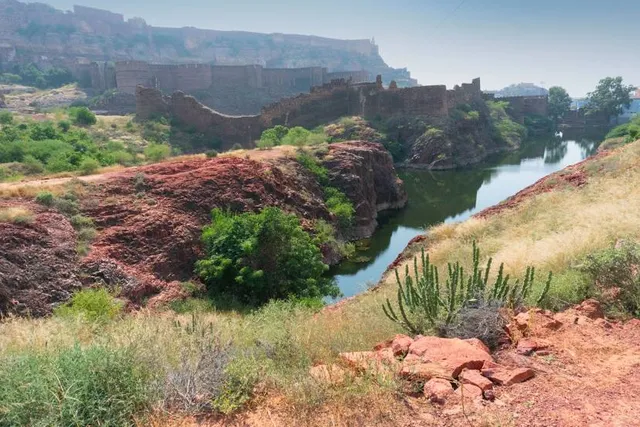
Rao Jodha Desert Rock Park, spreads over 72 hectares, near the historic Mehrangarh Fort in Jodhpur, Rajasthan, India. The park contains ecologically restored desert and arid land vegetation. The park was created in 2006 to try and restore the natural ecology of a large, rocky area adjoining and below the fort.
Outdoor
Adventure
Family friendly
attractions: Jaswant Thada, Sheesh Mahal, Mehrangarh Fort, Flying Fox Jodhpur, Padamsar Talab, Toorji Ka Jhalra Bavdi, restaurants: Anna Cafe And Restaurant Jodhpur, FORT VIEW RESTAURANT, Chokhelao Garden and Terrace Restaurant, Mehran Terrace, Café Mehran, Acharya Rooftop Restaurant & Guest House, MH Guest House & Restaurant, JIMMY'S RESTAURANT, Wilburys Café And restaurant, GL ROOF TOP RESTAURANT, local businesses: Chamunda Mata Mandir, Fort Jodhpur, Gayatri Shaktipeeth Shree Chamunda Mata Temple
 Learn more insights from Wanderboat AI.
Website
raojodhapark.in
Open hoursSee all hours
Wed7 AM - 5:30 PMClosed
Plan your stay

Pet-friendly Hotels in Jodhpur
Find a cozy hotel nearby and make it a full experience.

Affordable Hotels in Jodhpur
Find a cozy hotel nearby and make it a full experience.

The Coolest Hotels You Haven't Heard Of (Yet)
Find a cozy hotel nearby and make it a full experience.

Trending Stays Worth the Hype in Jodhpur
Find a cozy hotel nearby and make it a full experience.
Reviews
Live events
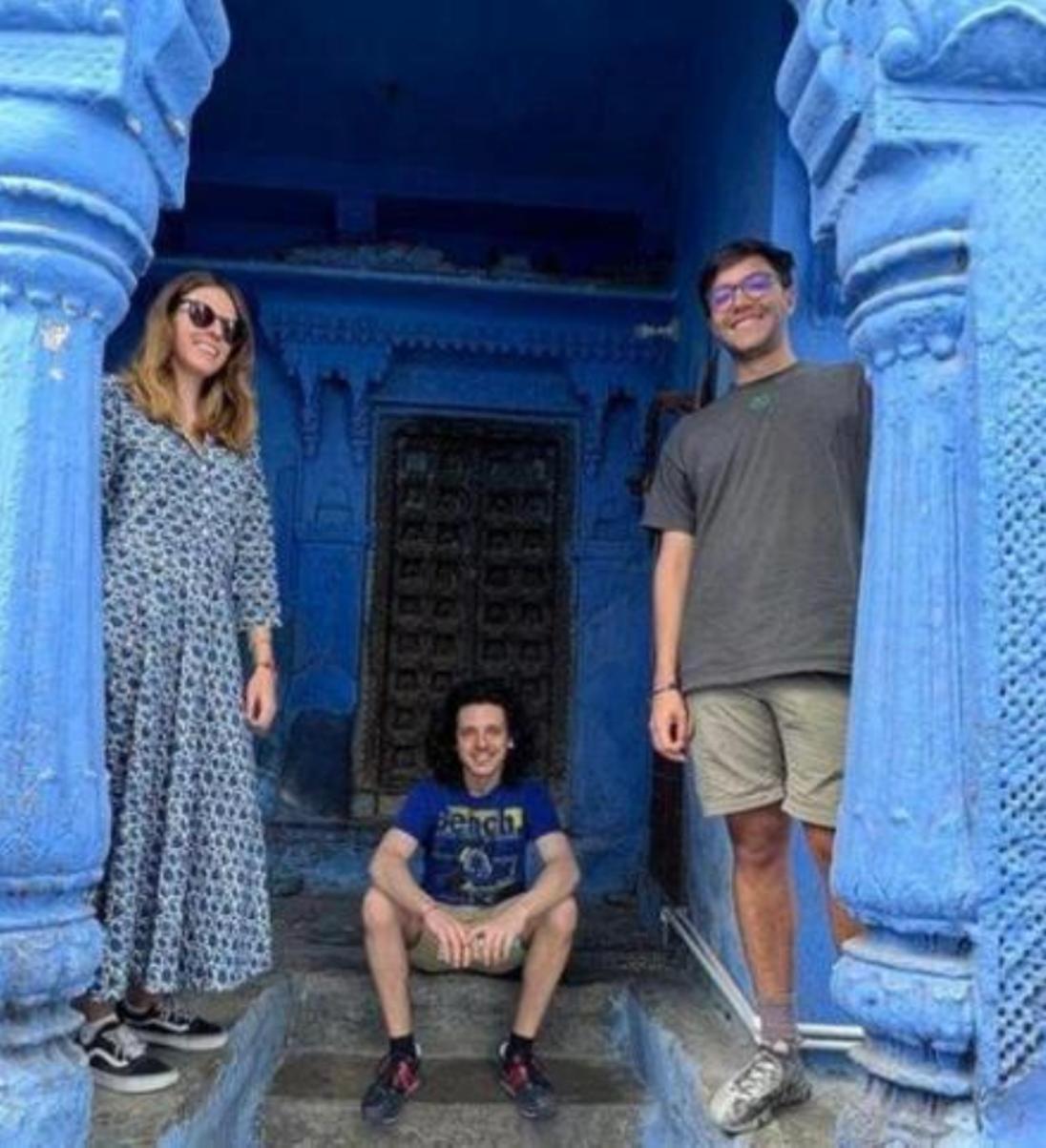
Blue City heritage walk with pick up
Thu, Feb 26 • 8:00 AM
Jodhpur, Rajasthan, 342001, India
View details
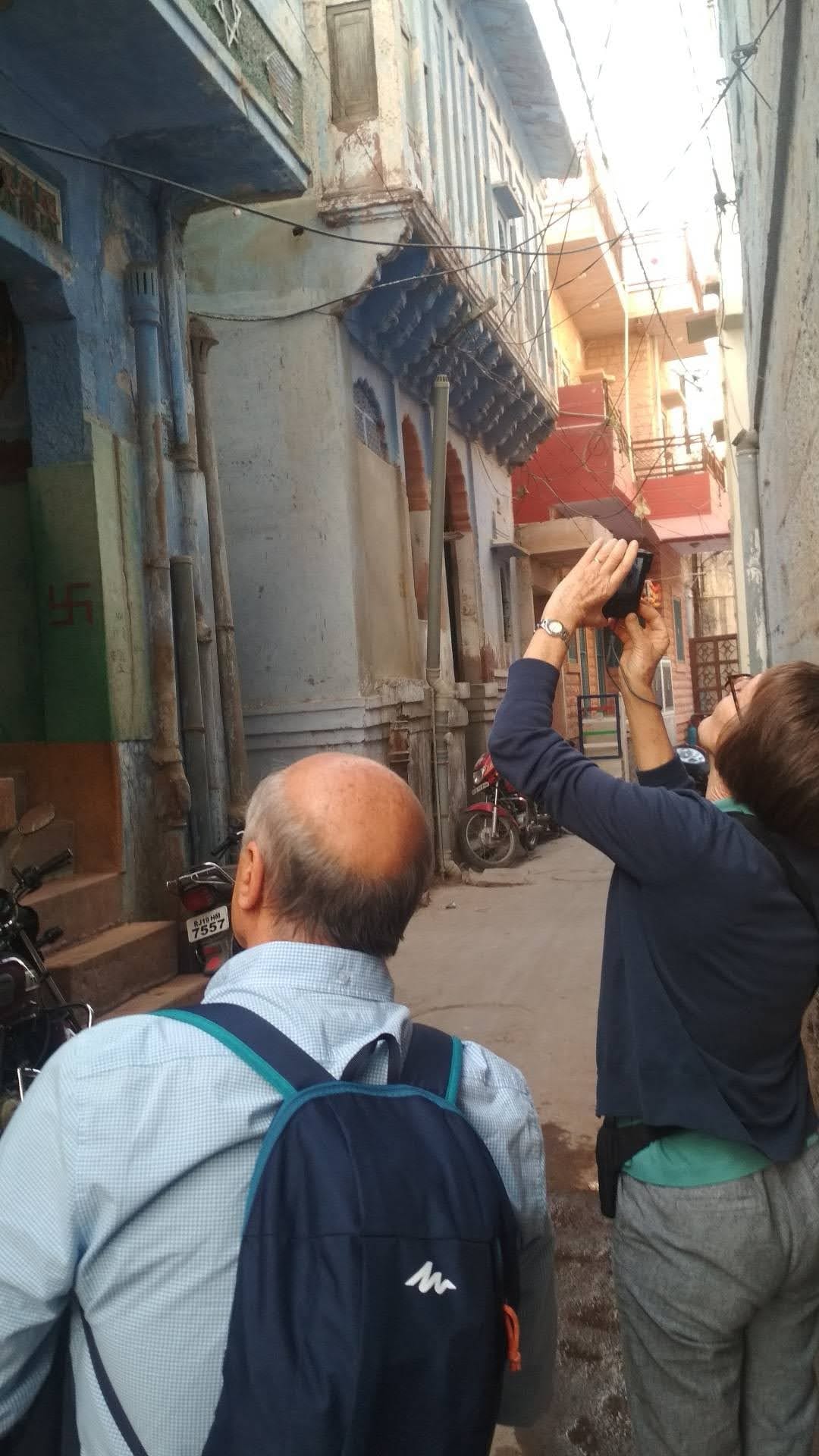
Walk in blue city
Sat, Feb 28 • 9:00 AM
Jodhpur, Rajasthan, 342006, India
View details

Candlelight: Tribute to Arijit Singh
Sat, Feb 28 • 6:00 PM
8, Residency Rd, Gaurav Path, Jodhpur, 342001
View details
Nearby attractions of Rao Jodha Desert Rock Park
Jaswant Thada
Sheesh Mahal
Mehrangarh Fort
Flying Fox Jodhpur
Padamsar Talab
Toorji Ka Jhalra Bavdi
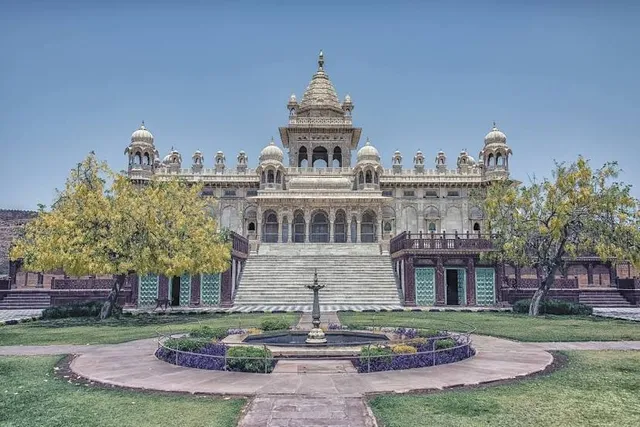
Jaswant Thada
4.5
(5.9K)
Closed
Click for details
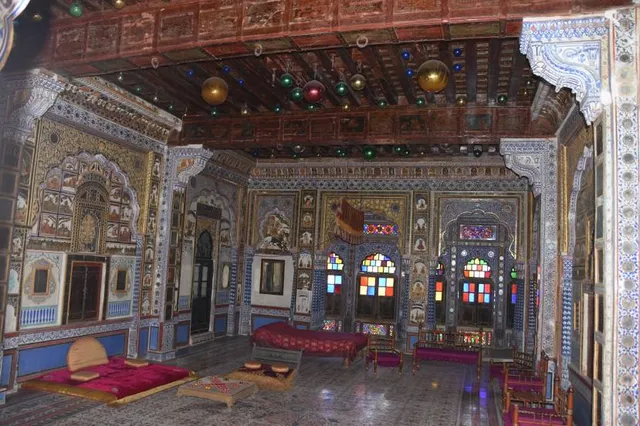
Sheesh Mahal
4.6
(174)
Closed
Click for details
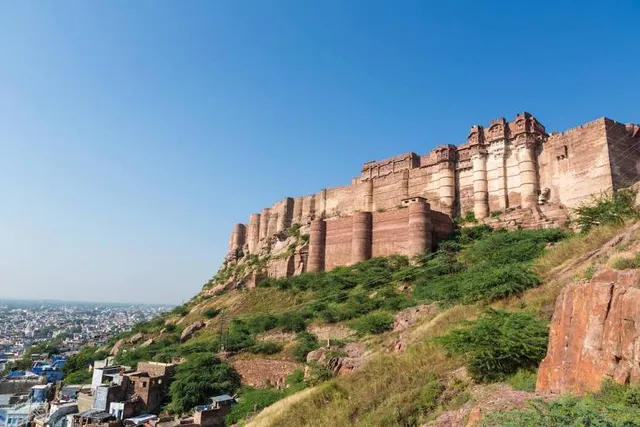
Mehrangarh Fort
4.6
(595)
Closed
Click for details
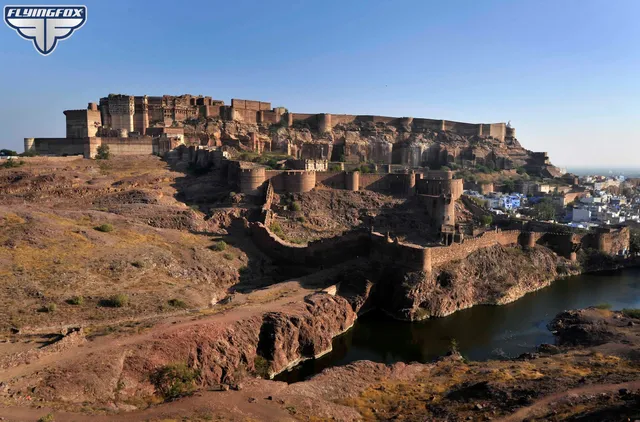
Flying Fox Jodhpur
4.8
(292)
Closed
Click for details
Nearby restaurants of Rao Jodha Desert Rock Park
Anna Cafe And Restaurant Jodhpur
FORT VIEW RESTAURANT
Chokhelao Garden and Terrace Restaurant
Mehran Terrace
Café Mehran
Acharya Rooftop Restaurant & Guest House
MH Guest House & Restaurant
JIMMY'S RESTAURANT
Wilburys Café And restaurant
GL ROOF TOP RESTAURANT
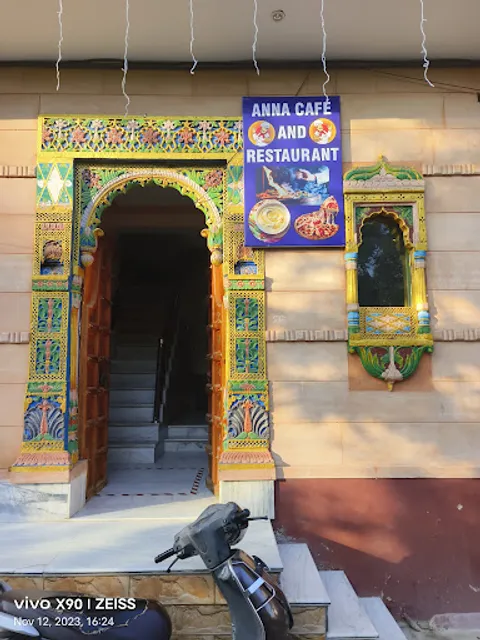
Anna Cafe And Restaurant Jodhpur
4.8
(121)
Open until 11:30 PM
Click for details
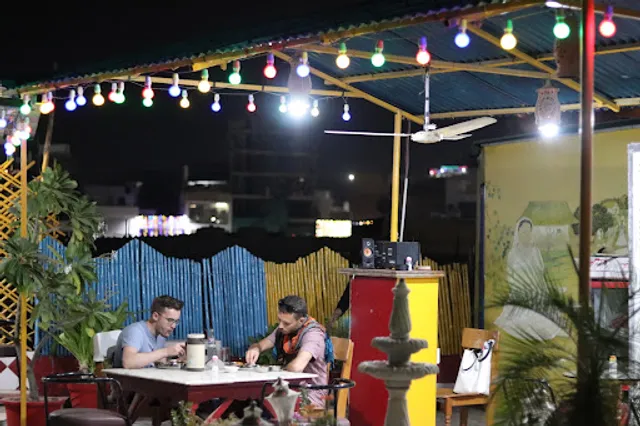
FORT VIEW RESTAURANT
5.0
(4)
Open until 9:00 PM
Click for details

Chokhelao Garden and Terrace Restaurant
4.4
(27)
Open until 11:00 PM
Click for details
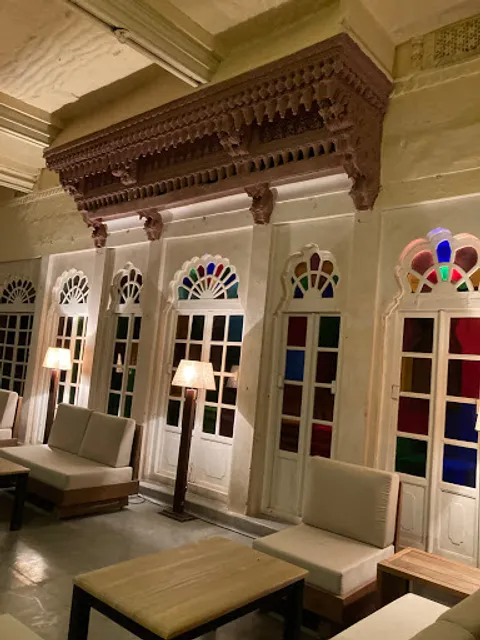
Mehran Terrace
4.1
(45)
Click for details
Nearby local services of Rao Jodha Desert Rock Park
Chamunda Mata Mandir
Fort Jodhpur
Gayatri Shaktipeeth Shree Chamunda Mata Temple
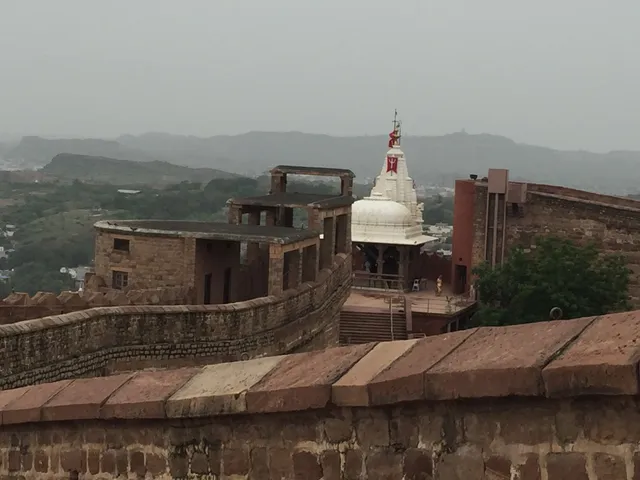
Chamunda Mata Mandir
4.6
(55)
Click for details
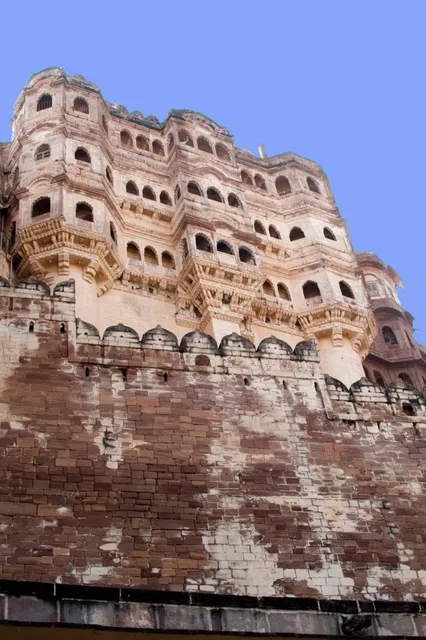
Fort Jodhpur
4.6
(376)
Click for details
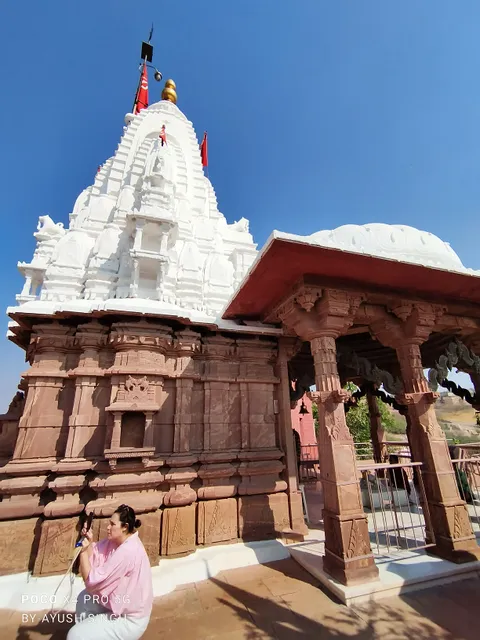
Gayatri Shaktipeeth Shree Chamunda Mata Temple
4.5
(280)
Click for details