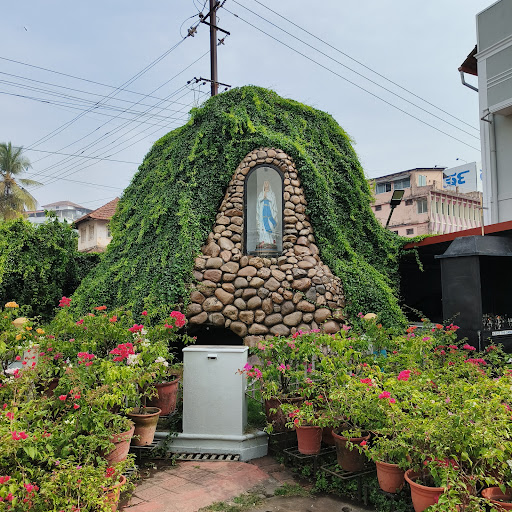
Nice place to visit in Mangalore
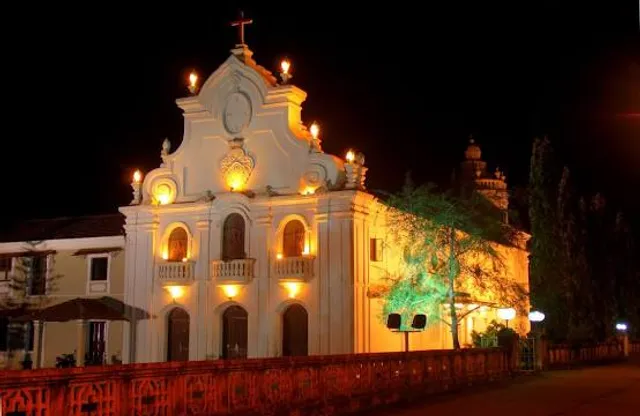
The Milagres Church (Portuguese: Igreja de Nossa Senhora dos Milagres, English: Church of Our Lady of Miracles) is a historic Roman Catholic Churchsituated in the Hampankatta locality of Mangalore. The church was built in 1680 by Bishop Thomas de Castro, a Theatine from Divar, Goa. The original structure was constructed at the site of the present-day cemetery. It is one of the oldest churches in Dakshina Kannada.
Due to its substantial Roman Catholic population, Mangalore occupied a prominent place in the church administration in India during the 17th century. The Goan Catholics who migrated to Canara lacked priestly leadership, as many of the migrant priests had returned to Goa when the Portuguese withdrew from the region. In 1658, a Carmelite missionary, Fr. Vincento Maria de Santa Catharina visited Canara and reported to Romeabout the miserable state of Christianity in that region. The Holy See came to the aid of the Canara Christians, and appointed a Theatine, Bishop Thomas de Castro as the Vicar Apostolicof Canara and Malabar in 1674.[2] Bishop de Castro arrived in Mangalore in 1677, and received a piece of land from the Keladi Queen Chennammaas gift. After the church was constructed there in 1680, he took up residency in its quarters. Bishop de Castro died on 16 July 1684, and his remains were buried in the south eastern corner of the cemetery, where his grave may be identified by its bronze slab next to the St. Monica Chapel.
After Queen Chennamma's death, the land was repossessed by her successor, King Basavappa. In 1715, a local priest Fr. Pinto secured the land again from Somashekara II. His nephew Fr. Alfred Pinto who succeeded him, built a new church at the site of the present church in 1756. In 1763, Canara fell under the suzerainty of Hyder Ali and then his son Tipu Sultan in 1782. Believing that the local Christians had conspired against him with the British during the Second Anglo-Mysore War; Tipu captured about 60,000 Mangalorean Catholics on Ash Wednesday 24 February 1784, and herded them to his capital at Seringapatam. In the same year, he also destroyed 27 churches including the Milagres Church. After Tipu was killed by the British during the Fourth Anglo-Mysore War on 4 May 1799, the Mangalorean Catholics were freed from Captivity and most subsequently returned to Mangalore. Among the returnees was a baker Lawrence Bello, who built a chapel to replace the demolished church, on the site of the present church at a cost of Rs. 400. Fr. Mendez, the Vicar Apostolic secured the necessary furniture, and together with Tipu's former munshi Salvador Pinto, raised funds and obtained a grant of Rs. 600 to build the church from the government. He laid the foundation stone for a new spacious church in 1811. In 1911, the facade of the church collapsed, following which then incumbent Parish priest Fr. Frank Pereira erected the present church structure with Fr. Diamanti S.J. as architect. A portico was added later to...
Read moreMilagres Church -
Milagres Church is a Roman Catholic church dedicated to Our Lady of Miracles, situated in the heart of Mangalore city. Established in the year 1680 by Bishop Thomas de Castro it is one of the oldest churches in Dakshina Kannada.
A History Of over 300 years - This Church in the heart of the city stands tall; if it does so it is because of the industrious nature of its past parishioners and the Goan, European and Mangalorean priests who have rendered unstinted service to the church during the 339 years of its existence. It is a magnificent piece of art; but there’s more to it than just art; it is a place where Mother Mary’s devotees come from far and near to venerate her.
The Early Churches of Mangalore -
The Portuguese Franciscan Missionaries who had pioneered into the Kanara coastal regions built three small churches at Bolar Fort (Rosario), Ullal-Panir and Arkula, later known as Omzoor and catered to the spiritual needs of those who were already Christians.
However, the Portuguese power declined and the Dutch appeared on the scene, who were not too kindly to any Catholic cause. The British East India Company was established in 1600 A.D. and soon they established their supremacy over the Arabian Sea and India which resulted in an era of uncertainty as the Portuguese and Goan priests were recalled to Goa. Subsequently, the faithful in Kanara were left with no sacraments and the sacrifice of the Holy Mass. However, the devotion of the holy rosary kept them united with Christ and they remained firm in their faith.
The birth of Milagres (First church) - In 1658, a Carmelite missionary visited the Kanara Christians and reported their sorry plight to Rome. The Holy See lost no time in coming to their aid. It appointed Rev. Fr. Thomas de Castro, a Theatine Priest, Vicar Apostolic of Kanara and Malabar in 1674.
Bishop Thomas de Castro, who was born in Goa, but educated in Rome, came to Mangalore in 1678-80. Bishop de Castro made his residence at Milagres, got a grant of land from Queen Keladi Chennama of Bednore and built the first church in 1680 in the place of the present cemetery.
He died on 16th July 1684 and his grave in the Milagres cemetery may be identified by bronze slab next to the St. Monica Chapel.
Challenging Times (Second church) - Some time later, Queen Chennama (from whom the Church site was obtained in the first place) and King Bassappa resumed the land. In around 1715, a Mangalorean Priest Rev. Fr. Pinto secured the land again from King Somashekar II. His nephew Rev. Fr. A. Pinto who succeeded him, built a new church at the site of the present church in 1756.
In 1763 Kanara fell under the control of Hyder Ali and then his son Tippu Sultan in 1782. Suspecting the loyalty of the Christians, on Ash Wednesday, 24 February 1784, Tippu Sultan captured about 1,80,000 Christians and herded them to his capital Srirangapatnam. In the same year, they also destroyed 27 churches including Milagres...
Read moreAs a devout traveler, I had the pleasure of visiting Milagres Church during my recent trip to Mangalore, and I must say that the experience left an indelible mark on my soul. Milagres Church is a true testament to the rich religious heritage of the region and stands as a magnificent symbol of faith and devotion.
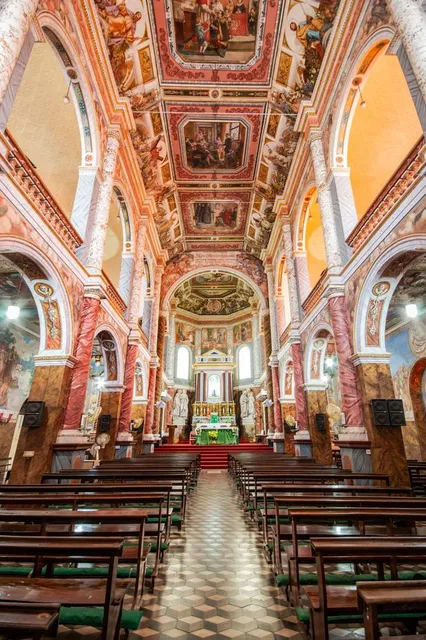
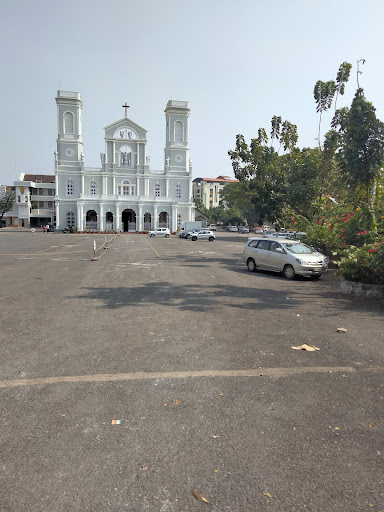
The church's architectural beauty is simply awe-inspiring. Its pristine white facade adorned with intricate carvings and elegant spires instantly draws your attention. Upon stepping inside, I was enveloped in a serene ambiance that instantly filled me with tranquility and reverence. The interior of Milagres Church is a sight to behold, featuring exquisite stained glass windows, ornate altars, and beautifully crafted statues that reflect the devotion of the faithful.
One cannot help but admire the church's historical significance. Established in 1680, Milagres Church has withstood the test of time, witnessing the ebb and flow of generations. The preservation of its original charm is a testament to the dedication of the community in safeguarding their cultural heritage. Exploring the premises, I was captivated by the tales whispered by the ancient walls, and I felt a deep sense of connection to the past.
The church's vibrant spiritual community is another aspect that impressed me. The warm and welcoming atmosphere created by the parishioners made me feel like a part of their extended family. Attending a Sunday mass at Milagres Church was an enriching experience, where the devotion and harmonious chants resonated deeply within me. The clergy's insightful sermons and the harmonious choir further added to the spiritual ambiance.
Milagres Church is not only a place of worship but also a center for social and cultural activities. It plays an active role in promoting educational initiatives, charity drives, and community development. The church's commitment to uplifting the lives of the people of Mangalore is truly commendable, and it reinforces the significance of Milagres Church beyond its architectural grandeur.
Lastly, the location of Milagres Church adds to its allure. Nestled amidst the bustling streets of Mangalore, the church stands as a tranquil oasis, offering solace and respite from the outside world. Its proximity to other historical and cultural landmarks makes it an ideal destination for those seeking a deeper understanding of the region's heritage.
In conclusion, my visit to Milagres Church was an unforgettable spiritual experience. Its majestic architecture, historical significance, vibrant community, and commitment to service make it an exemplary place of worship. Whether you are a devout Christian or simply an admirer of art and culture, a visit to Milagres Church in Mangalore is an absolute must. Prepare to be mesmerized and leave with a renewed sense of...
Read more