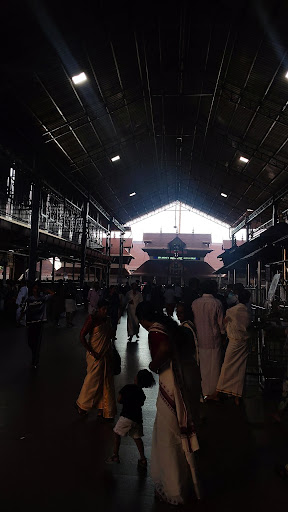
Guruvayoor Sri Krishna Temple: A Divine Sanctuary Unlike Any Other on Earth
In the serene town of Guruvayoor, nestled in the cultural heart of Kerala, India, stands a temple that is not merely a place of worship but a pulsating epicenter of Bhakti (devotion) — the Guruvayoor Sri Krishna Temple. Revered as Bhuloka Vaikuntha (Heaven on Earth), this ancient shrine is a beacon of unwavering faith, daily rituals, classical traditions, and miracles that defy worldly explanation. Nowhere in the world does devotion thrive in such orchestrated harmony as it does here.
A Temple with a Celestial Origin
The temple's origin is steeped in divine legend. It is believed that Lord Krishna’s idol, made of sacred 'Pathalanjana Sila', was worshipped by Lord Vishnu himself in Dwaraka. As Dwaraka submerged into the sea after Krishna’s earthly life, the idol was carried by Guru (the preceptor of the gods) and Vayu (the wind god) to a divine location — thus the name “Guruvayoor” was born. It is not merely an idol installation; it is a celestial event.
The Deity: Bala Krishna in Living Form
The presiding deity is Bala Gopalan, the divine child Krishna with butter in hand, eternally present in his charming, childlike, yet all-knowing form. What makes the idol miraculous is its living aura. Devotees do not pray simply they experience the presence of Krishna himself — tender, mischievous, and infinitely compassionate.
Unbroken Tradition: Rituals Rooted in Timeless Devotion
The temple follows a rigid and unbroken Tantric tradition of daily worship, unmatched anywhere else in the world:
Nirmalyam at 3 a.m. reveals the divine face with the remains of previous night’s offering — a moment that often moves devotees to tears.
The famous Seeveli, where the idol is taken around the temple atop an elephant, continues as it did centuries ago.
Udayasthamana Pooja (from dawn to dusk) and Krishna Janmashtami are conducted with unmatched grandeur and austerity.
Every offering is considered an act of surrender, not ritual. Every flower placed, every lamp lit is for the pleasure of the Lord — not as a request, but as an offering of love.
Elephants: The Lord’s Personal Servants
Nowhere else in the world does a temple maintain a private elephant sanctuary — the famed Punnathoor Kotta, housing over 50 elephants dedicated solely to Lord Krishna. Each elephant is gifted by devotees who have experienced divine blessings. Guruvayoor Kesavan, the most celebrated among them, is believed to have bowed to the Lord before breathing his last — a story that further deepens the temple’s legendary status.
Miracles and Healing Beyond Science
Countless devotees speak of miraculous cures, answered prayers, and deep emotional transformation. Guruvayoor is not just a temple — it is a spiritual hospital where pain finds solace and prayers bloom into reality. From childless couples to the terminally ill, people flock here not for fortune but for Krishna’s grace — which flows quietly, constantly, and freely.
Cultural Devotion: A Cradle of Arts and Music
The temple is one of India’s foremost patrons of classical music and dance, especially Krishnattam, the dance-drama form that originated here in the 17th century. Daily concerts, especially during festivals, are not performances but devotional offerings. Music is not entertainment here — it is Nadopasana, worship through sound.
Dress Code and Decorum: A Temple That Teaches Discipline
Unlike modern shrines that bend to conveniences, Guruvayoor enforces strict codes of dress and conduct. Men must wear traditional dhotis, women must be in saree or churidar. No modern gadgets, photography, or casual behavior is tolerated. This maintains the sacred sanctity of the experience — where Krishna is not a symbol, but a sovereign.
Guruvayoor Today: Devotion Beyond Borders
Though firmly rooted in Kerala, Guruvayoor’s fame has gone global. Malayali families across the world name their children after Guruvayoorappan, conduct...
Read moreThe divine aura of Guruvayoor doesn’t confine itself within the temple walls; it spills into every aspect of the town’s daily life. The streets are bustling from the early hours of dawn, with devotees clad in traditional attire, offering flowers, lamps, and garlands. Shops lining the temple road sell sandalwood paste, rudraksha malas, brass lamps, and framed images of Guruvayurappan — items not merely bought, but chosen with reverence. The clinking of bells and the calls of temple drummers fill the air. Despite the crowds, a calm pervades the town, as though every soul is gently tuned to the same divine rhythm.
A striking aspect of Guruvayoor is its deep-rooted adherence to ritual purity and discipline. The temple imposes strict dress codes: men must wear mundu without shirts, and women are expected to dress in saris or churidars. Non-Hindus are not permitted inside the sanctum premises, a tradition that has continued since ancient times, preserving the temple’s Vedic identity. These customs, often seen as conservative, are maintained not out of exclusion, but as a means of sustaining sanctity — a principle that has been respected across generations.
Central to the Guruvayoor temple experience is the deity himself — Guruvayurappan, who is worshipped as the child form of Lord Krishna. There is a distinct sweetness to this representation — a blend of the playful child and the omnipotent God. Devotees approach Him not just with awe, but with affection, often calling Him "Unni Krishnan," the divine infant. The emotional intimacy of this relationship is unparalleled. Devotees sing lullabies, offer butter and plantains, and carry out rituals with a motherly devotion, as though tending to a child more real than any in flesh.
The Narayaneeyam, written by the 16th-century Sanskrit poet Melpathur Narayana Bhattathiri, is one of the most powerful devotional texts associated with Guruvayoor. A condensed version of the Bhagavata Purana, this magnum opus was composed by Bhattathiri while suffering from paralysis. Legend says he composed a canto each day in front of the deity, and upon the 100th day — having completed the work — he was miraculously cured. Even today, thousands gather to recite or listen to the Narayaneeyam, believing in its healing power. For many, it is not just literature but divine medicine, a lyrical bridge between the devotee and the Lord.
The daily rituals of Guruvayoor are extensive and rooted in Agamic tradition. The temple opens as early as 3 a.m. with the ritual of Nirmalyam, where the previous night’s garlands and flowers are removed, and the Lord is viewed in his purest, unadorned state. This is followed by oil and ghee lamp offerings, bathing (Abhishekam), and new decoration. The process continues with Usha Pooja (morning prayer), Seeveli (ceremonial procession within the temple), and other mid-day and evening rituals. The Seeveli is especially significant — the idol of the deity is placed on an elephant and taken around the inner prakaram, accompanied by traditional music and chanting. The rhythm of chenda and maddalam echoes in every corner, creating a vibrational field that many claim to feel physically.
Every evening, the temple premises are enveloped in the golden hues of dusk lamps. The Deeparadhana (worship with lamps) is a moment of pure transcendence. Hundreds of oil lamps flicker around the sanctum, the fragrance of jasmine and camphor fills the air, and the chants rise in intensity. At this time, time itself seems to pause, as if the entire cosmos is witnessing the dance of light and divinity.
The festivals of Guruvayoor are grandein faith. Among them, the Guruvayoor Ekadasi, observed in the Malayalam month of Vrischikam (November–December), is the most sacred. It marks the culmination of the Mandala season and is believed to be the day on which Lord Krishna explained the significance of Ekadasi to Arjuna in the...
Read moreGuruvayur Temple is one of the most famous and sacred Hindu temples in Kerala, India. It is often referred to as the "Dwarka of the South" because of its immense religious significance and popularity.
🛕 Basic Information:
Location: Guruvayur, Thrissur district, Kerala
Main Deity: Lord Guruvayurappan (a form of Lord Krishna / Vishnu)
Temple Timings: Usually from around 3:00 AM to 9:00 PM (varies by rituals)
Dress Code: Strict traditional attire (men must wear mundu; women should wear saree/salwar or traditional dress)
Photography: Not allowed inside temple premises
📜 Legend & History:
The idol of Lord Guruvayurappan is said to be over 5,000 years old and was installed by Guru (Brihaspati) and Vayu (Wind God), hence the name Guruvayur.
The temple survived invasions and natural disasters, and is known for its powerful idol and miraculous events, especially involving devotees' faith.
✨ Temple Features:
Sreekovil (Sanctum Sanctorum): Where the deity is enshrined. The idol is made of a special stone called "Patalanjana Sila".
Thulabharam Offering: Devotees offer items like bananas, sugar, or even gold equal to their body weight.
Elephant Sanctuary (Punnathur Kotta): About 3 km away, this is where temple elephants are kept and cared for.
Chembai Sangeetholsavam: A famous music festival held annually in memory of classical singer Chembai Vaidyanatha Bhagavatar.
🙏 Important Rituals:
Nirmalyam: Early morning ritual when the deity is seen with previous night’s flowers.
Udayasthamana Pooja: Rituals from sunrise to sunset.
Krishna Janmashtami & Ekadashi: Major festivals celebrated with grandeur.
👨👩👧👦 Devotee Information:
Entry is restricted to Hindus only.
Large crowds during festival seasons, especially during Guruvayur Ekadashi, Vishu, and Ashtami Rohini.
The temple provides prasadams, annadanam (free meals), and lodging nearby.
🛣️ How to Reach Guruvayur Temple:
🚆 By Train:
Nearest Railway Station: Guruvayur Railway Station (GUV) – about 500 meters from the temple.
Major trains: Thrissur – Guruvayur passenger, Ernakulam – Guruvayur passenger.
If coming from far, take a train to Thrissur (TCR), then a local train or taxi to Guruvayur (29 km).
🚌 By Bus:
Kerala State RTC and private buses run frequently from major towns (Thrissur, Kochi, Palakkad).
Guruvayur Bus Stand is just 300 meters from the temple.
✈️ By Air:
Nearest Airport: Cochin International Airport (COK) – around 80 km away.
From airport, taxi/cab service available to Guruvayur (2 to 2.5 hours drive).
🏨 Stay Options Near Guruvayur Temple:
🔹 Temple Devaswom Lodges:
Affordable and clean.
Must be booked early, especially during festivals.
🔹 Mid-range Hotels:
Sopanam Heritage, Srivar Hotels, Krishna Inn, Devaragam, Sterling Guruvayur
Prices: ₹1000 – ₹3000/night
🔹 Budget Guesthouses / Homestays:
Many within 500m walking distance.
Example: Soorya Madhavam Apartment (I styed at this Apartment and also liked it)
Tip: Book accommodation close to the East Nada (main entrance) for convenience.
🕒 Daily Pooja Schedule at Guruvayur Temple (Approximate):
Time Pooja / Ritual
3:00 AM Nada Thurakkal (Temple Opening) 3:15 AM – 4:15 AM Nirmalyam, Oil Abhishekam 4:30 AM – 6:00 AM Usha Pooja 7:00 AM – 9:00 AM Ethirettu Pooja 9:30 AM – 11:00 AM Pantheeradi Pooja 11:30 AM – 12:30 PM Ucha Pooja 12:30 PM – 4:30 PM Temple closed for Darshan 4:30 PM Nada Thurakkal (Evening Opening) 6:00 PM – 7:00 PM Deeparadhana 7:30 PM – 8:30 PM Athazha Pooja 9:00 PM Temple Closes (Thrippuka & Sreeveli)
🎯 Tip: Visit early morning (3:30–6:30 AM) or evening (4:30–7:30 PM)...
Read more