The Samadhishvara Temple (A Jewel within Rajasthan's Chittor Fort)
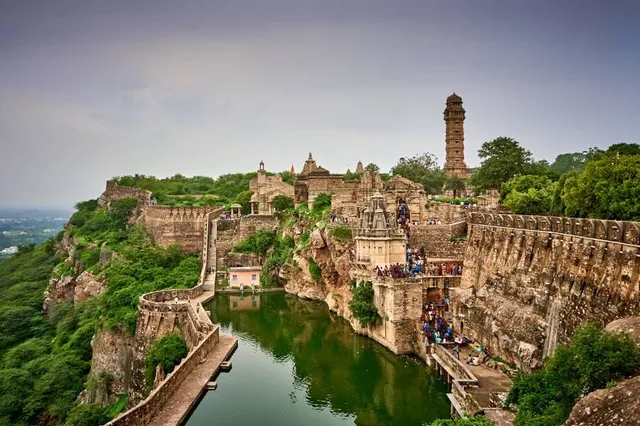
Nestled within the majestic walls of Chittor Fort in Rajasthan, India, lies the Samadhishvara Temple, a testament to the architectural brilliance and spiritual devotion of ancient India.
Dedicated to Bhagwan Shiva, the "Lord of Samadhi," this temple stands as a symbol of reverence and historical significance.
With its origins tracing back to the 11th century, the Samadhishvara Temple embodies a rich heritage and cultural legacy that continues to captivate visitors from around the world.
Historical Background:
The history of the Samadhishvara Temple is deeply intertwined with the tumultuous past of Chittor Fort. Constructed during the reign of the Mewar dynasty in the 8th century, Chittor Fort served as a stronghold and seat of power for various Rajput rulers.
It witnessed numerous battles, sieges, and moments of glory throughout its history. The temple itself is believed to have been built during the Chahamana dynasty's rule in the 11th century, under the patronage of the Rajput kings who held the fort.
Architecture:
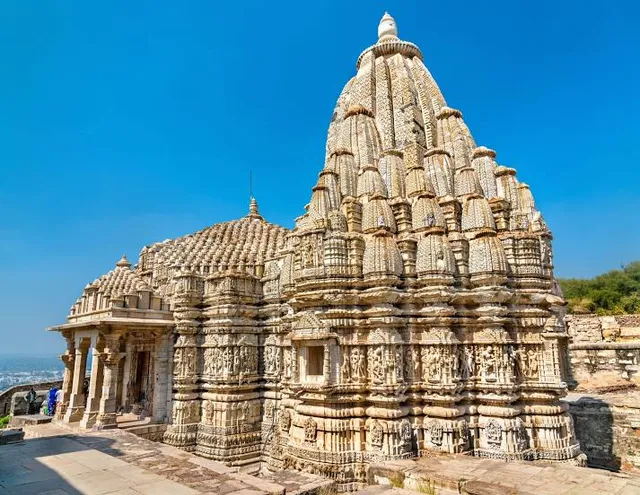
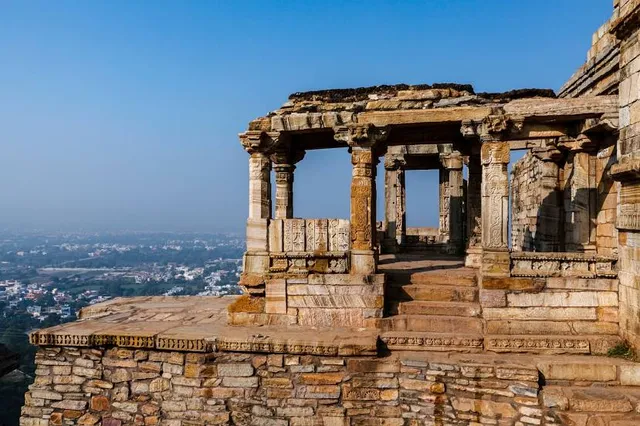
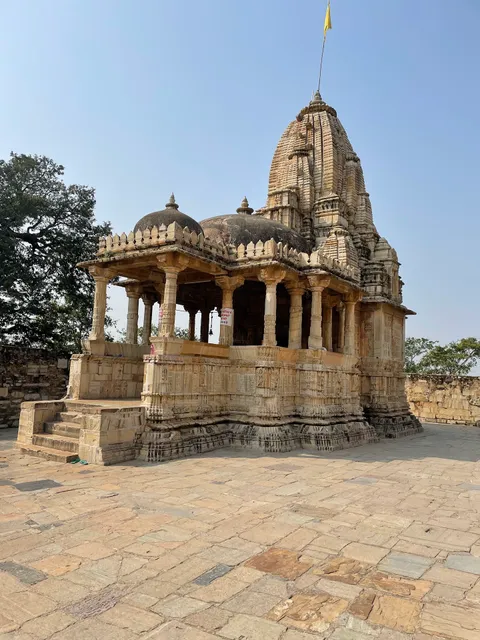
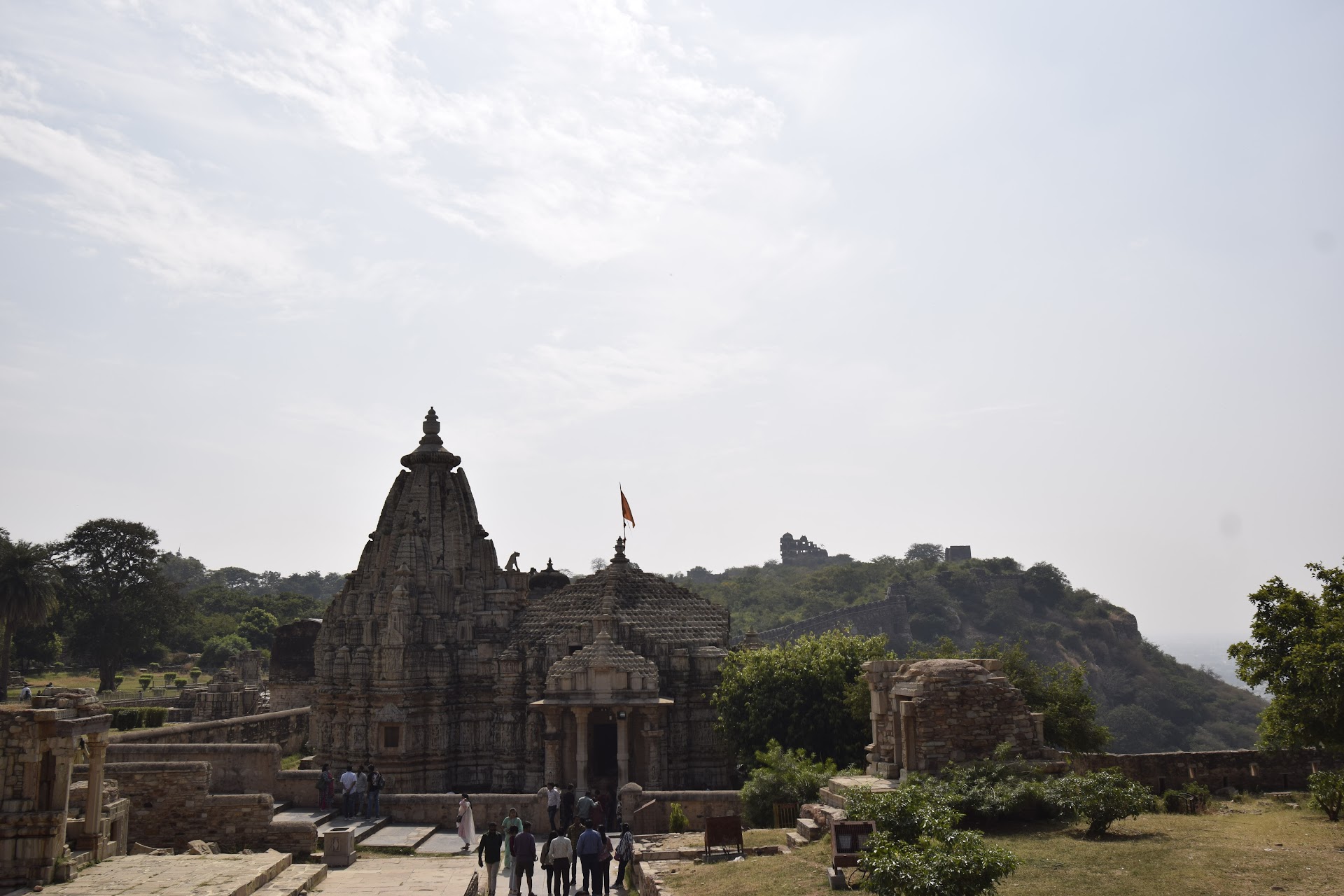
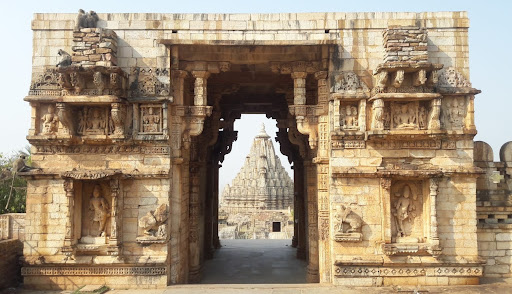
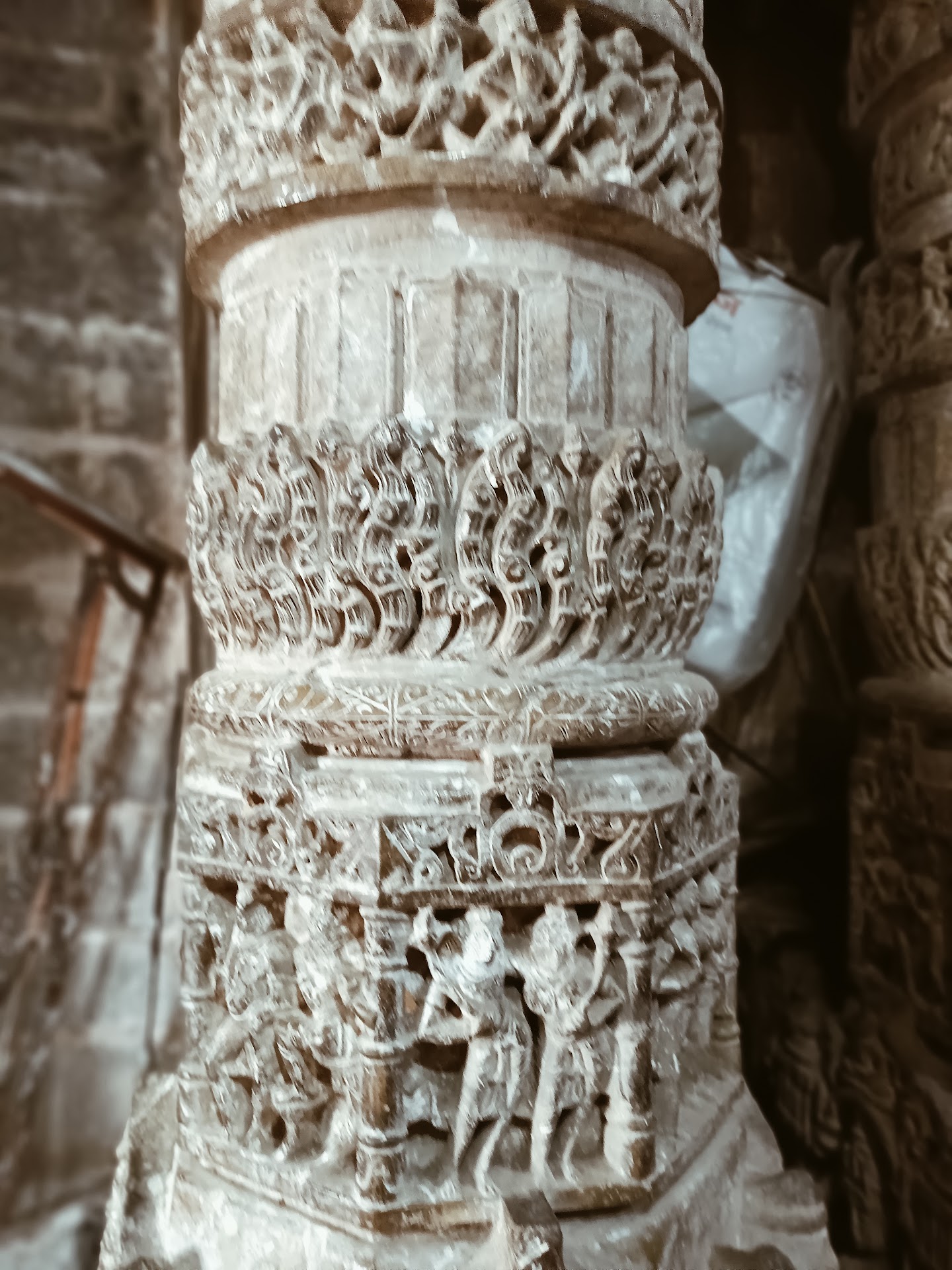
The architecture of the Samadhishvara Temple is a fine example of ancient Indian craftsmanship and architectural prowess. Constructed in the Nagara style of temple architecture, the temple features intricate carvings, ornate pillars, and exquisite sculptures depicting scenes from Hindu mythology.
The main sanctum, or garbhagriha, houses the lingam, the iconic symbol of Lord Shiva, while the outer walls are adorned with sculptures of various deities and celestial beings.
The temple's shikhara, or spire, rises majestically above the surrounding landscape, serving as a beacon of spiritual enlightenment.
Spiritual Significance:
As a temple dedicated to Lord Shiva, the Samadhishvara Temple holds immense spiritual significance for devotees and pilgrims.
According to Hindu mythology, Lord Shiva is revered as the destroyer of evil and the embodiment of cosmic consciousness. The temple's name, "Samadhishvara," refers to Shiva's aspect as the master of samadhi, the state of profound meditation and spiritual absorption.
Devotees visit the temple to seek blessings, offer prayers, and experience a sense of peace and tranquility in the presence of the divine.
Cultural Heritage:
Beyond its religious significance, the Samadhishvara Temple is a cultural treasure trove that reflects the artistic and cultural heritage of medieval India.
The temple's architectural elements, including its sculptural motifs and decorative features, provide valuable insights into the artistic traditions of the time.
Moreover, the temple serves as a reminder of the rich cultural tapestry woven by the Rajput rulers who patronized the arts and upheld the traditions of Hinduism.
Tourist Attraction:
Today, the Samadhishvara Temple stands as a popular tourist attraction within Chittor Fort, drawing visitors from far and wide to admire its beauty and historical significance.
Tourists can explore the temple complex, marvel at its architectural splendor, and immerse themselves in the spiritual ambiance that pervades the sacred grounds. Guided tours and informational signage offer insights into the temple's history and significance, enriching the visitor experience.
The Samadhishvara Temple is more than just a religious site; it is a living testament to India's rich cultural heritage and spiritual legacy. From its ancient origins to its enduring significance in the modern world, the temple continues to inspire awe and reverence among all who visit it.
As a symbol of devotion, architectural brilliance, and historical importance, the Samadhishvara Temple remains a jewel within the crown of Chittor Fort, beckoning travelers on a journey through time and...
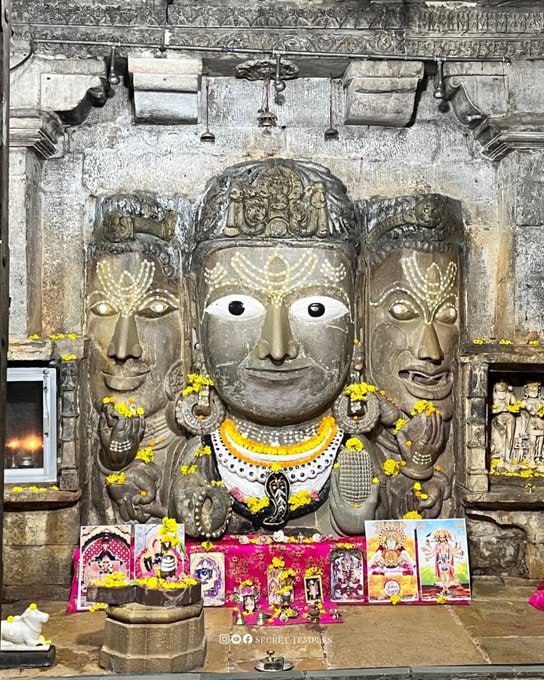
Read moreSamadhishvara, the "Lord of Samadhi," stands as a distinctive aspect of the revered Hindu god Shiva. This divine presence is enshrined in a temple known as "Samadhishwar" in Hindi, a nomenclature influenced by schwa deletion. Despite occasional misidentifications, it's crucial to underscore that Samadhishvara (alternatively recognized as Samadhisha) accurately designates the temple's deity, as attested by various historical records. This sacred abode carries profound significance in the rich tapestry of Hindu spirituality, serving as a locus for worship and meditation dedicated to Shiva in his aspect as the Lord of Samadhi. The term "Samadhi" denotes a state of deep meditative absorption, representing a transcendent union with the divine. Devotees flock to Samadhishwar to seek spiritual elevation and communion with the profound aspects of Shiva embodied in this divine form. The linguistic evolution of the temple's name, from Samadhishwar to "Samadhishwar" in Hindi, illustrates the intricacies of language and cultural influences. Schwa deletion, a linguistic phenomenon in which an unstressed vowel is omitted, has subtly shaped the temple's vernacular identity. Notably, there has been occasional confusion with the name "Samiddheshvara" (IAST: Sammidheśvara). However, meticulous examination of multiple historical records reinforces the accuracy of "Samadhishvara" as the true and accepted name for the temple's deity. This clarification is essential to preserve the authenticity and heritage associated with the worship of Shiva in this specific manifestation. In the currents of modern times, the temple's deity has acquired an additional moniker — "Adbhut-ji" or "Adbad-ji." This name finds resonance not only at the Samadhishwar temple but also at a Shiva temple near Surajpole dating back to the 15th century. "Adbhut-ji" emerges as a local epithet denoting the three-faced aspect of Shiva. Both temples house a three-faced idol of Shiva, captivating devotees with the enigmatic symbolism embedded in this divine representation. The attribution of "Adbhut-ji" serves as a testament to the evolving nature of religious vernacular and the regional nuances that enrich the tapestry of Hindu worship. It reflects the intimate connection between the worshippers and the divine, allowing for a personalized expression of reverence that resonates with the cultural fabric of the community. Within the sacred precincts of Samadhishwar, devotees embark on a spiritual journey, drawn by the mystical allure of the Lord of Samadhi. The temple becomes a sanctum where the boundaries between the material and the spiritual blur, creating an atmosphere conducive to contemplation and introspection. The three-faced idol of Shiva, both at Samadhishwar and the 15th-century temple near Surajpole, serves as a captivating focal point for worship. Each face embodies facets of the divine — creation, preservation, and destruction — symbolizing the cyclical nature of existence. Devotees find solace in meditating upon these profound aspects, seeking a deeper understanding of the cosmic dance of Shiva and the interconnectedness of all life. In conclusion, Samadhishwar, or the Lord of Samadhi, stands as a venerable aspect of Shiva, revered through the ages. The temple's journey from historical origins to contemporary nomenclature reflects the dynamic interplay of language, culture, and spirituality. The dual identity of "Samadhishwar" and "Adbhut-ji" underscores the nuanced ways in which devotees connect with the divine, enriching the spiritual landscape with diverse expressions...
Read moreLocated within the historic Chittorgarh Fort, the Samadhisvara Mahadev Temple stands as a testament to medieval Indian architecture. Originally constructed in the 11th century by King Bhoja, its foundations reveal a long and complex history of renovation and re-consecration, including a notable restoration by Maharana Mokal in 1428, which gave the temple its current form. The temple's exterior is a magnificent showcase of intricate craftsmanship. Every available surface is adorned with elaborate carvings depicting various deities, celestial beings, and mythological scenes. The delicate carvings on the pillars and walls are particularly striking, demonstrating the skill of the artisans who painstakingly brought these stories to life in stone. The architectural design follows the classical Nagara style, with a towering curvilinear shikhara that draws the eye upward. The structure is built from a light-colored stone, which glows in the sunlight and highlights the fine details of the sculptures. The tiered mandapa, or hall, provides a grand entrance leading to the inner sanctum. Inside, the sanctum houses a massive lingam, the principal object of worship. While the exterior is rich with visual narratives, the interior maintains a sense of serene reverence, a calm space for devotion. The ornamental details, though subtle, are meticulously crafted and add to the spiritual atmosphere. Overall, the Samadhisvara Mahadev Temple is a profound blend of historical significance and artistic excellence. Its layered history is visible in its architecture, and its detailed carvings offer a silent narrative of faith and tradition, making it a truly remarkable site within the vast landscape...
Read more