Ganesha Ratha things to do, attractions, restaurants, events info and trip planning
Basic Info
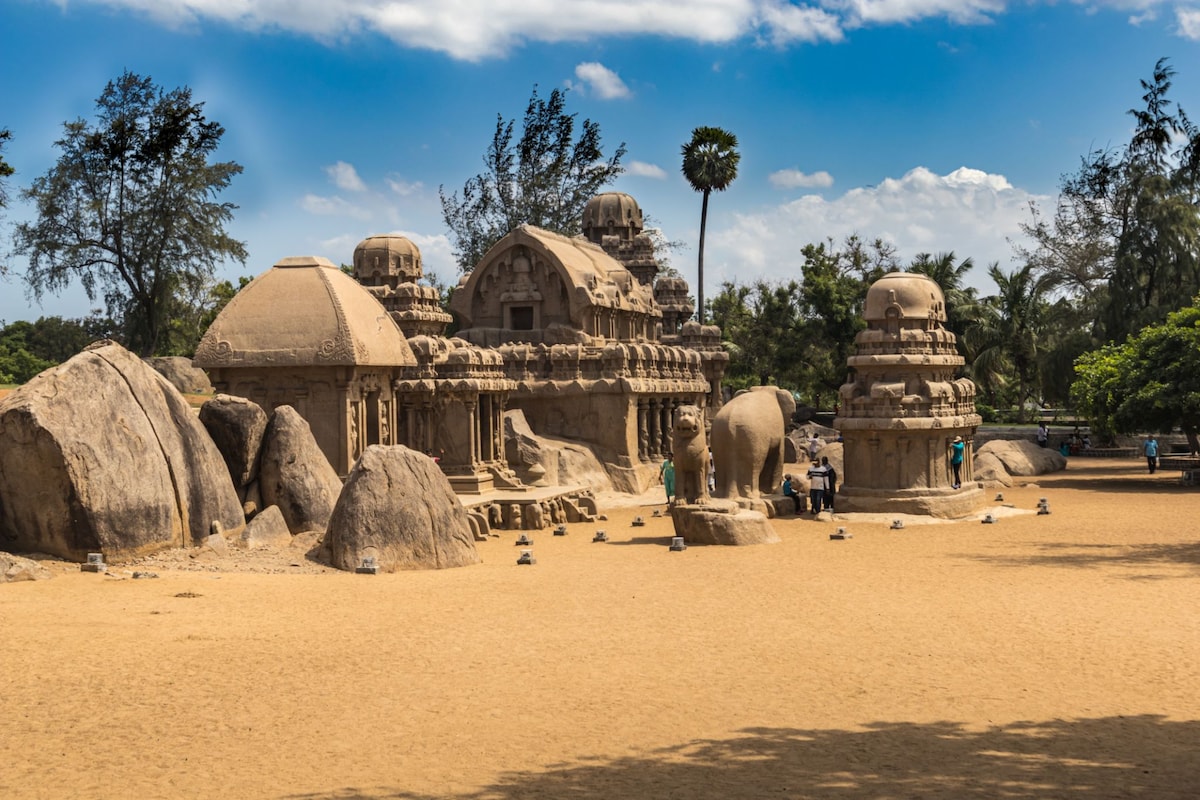
Ganesha Ratha
J59V+92F, Madha Kovil St, Mahabalipuram, Tamil Nadu 603104, India
4.6(178)
Open until 5:30 PM
Save
spot
spot
Ratings & Description
Info
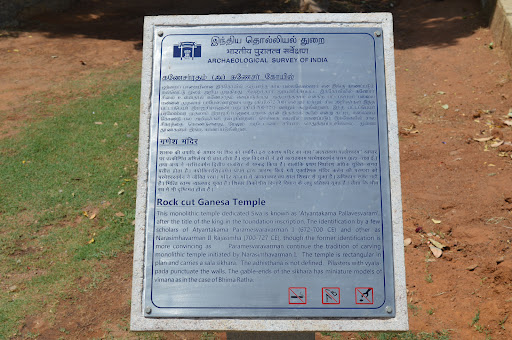
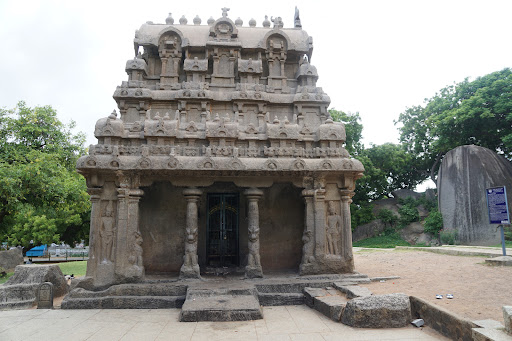
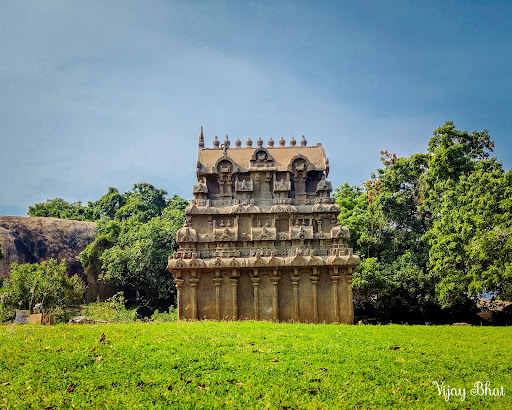
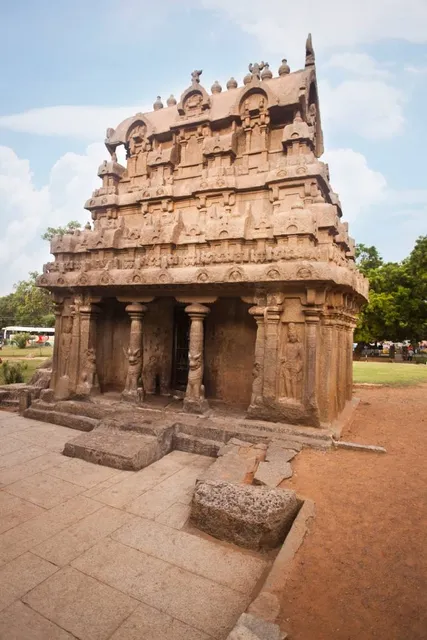
Ganesha Ratha is a temple in Kancheepuram district, Tamil Nadu, India. It is one of ten rathas carved out of pink granite within the group of monuments of the Pallava Period at Mahabalipuram, a UNESCO-inscribed World Heritage Site since 1984.
Cultural
Scenic
Family friendly
attractions: Krishna's Butter Ball, Arulmigu Sri Sthala Sayana Perumal Temple, Varaha Cave, Krishna Mandapam, Roya Gopuram, Draupadi's bath, Mahishasura Mardini Cave, Group of Monuments at Mahabalipuram, Valayankuttai Ratha, Mahishasura Rock, restaurants: Wok To Dhaba Restaurant, The Golden Palate ( Pure Vegetarian Restaurant ) - Hotel Mamallaa Heritage, Sri Ananda Bhavan, Hotel Mamalla Bhavan ( Pure Vegetarian Restaurant ), Madras Chronicle, Moonrakers Restaurant, Zentrum Cafe & Restaurant, Hotel Guru, SUNRISE RESTAURANT since 1983, Hotel Yoga Lakshmi Pure Vegetarian, local businesses: Arjuna's Penance, Descent of the Ganga River, Sculpture Museum, Olakkannesvara Temple, Mahabalipuram Beach, Mahabalipuram.org, Rock Sculptures, Shore Temple, Beach Mahabalipuram
 Learn more insights from Wanderboat AI.
Phone
+91 44 2833 4822
Open hoursSee all hours
Fri6 a.m. - 5:30 p.m.Open
Plan your stay

Pet-friendly Hotels in Tamil Nadu
Find a cozy hotel nearby and make it a full experience.

Affordable Hotels in Tamil Nadu
Find a cozy hotel nearby and make it a full experience.

The Coolest Hotels You Haven't Heard Of (Yet)
Find a cozy hotel nearby and make it a full experience.

Trending Stays Worth the Hype in Tamil Nadu
Find a cozy hotel nearby and make it a full experience.
Reviews
Live events
Mahabalipuram Walking tour with Guide & Lunch
Fri, Feb 13 • 9:00 AM
Mahabalipuram, Tamil Nadu, 603104, India
View details
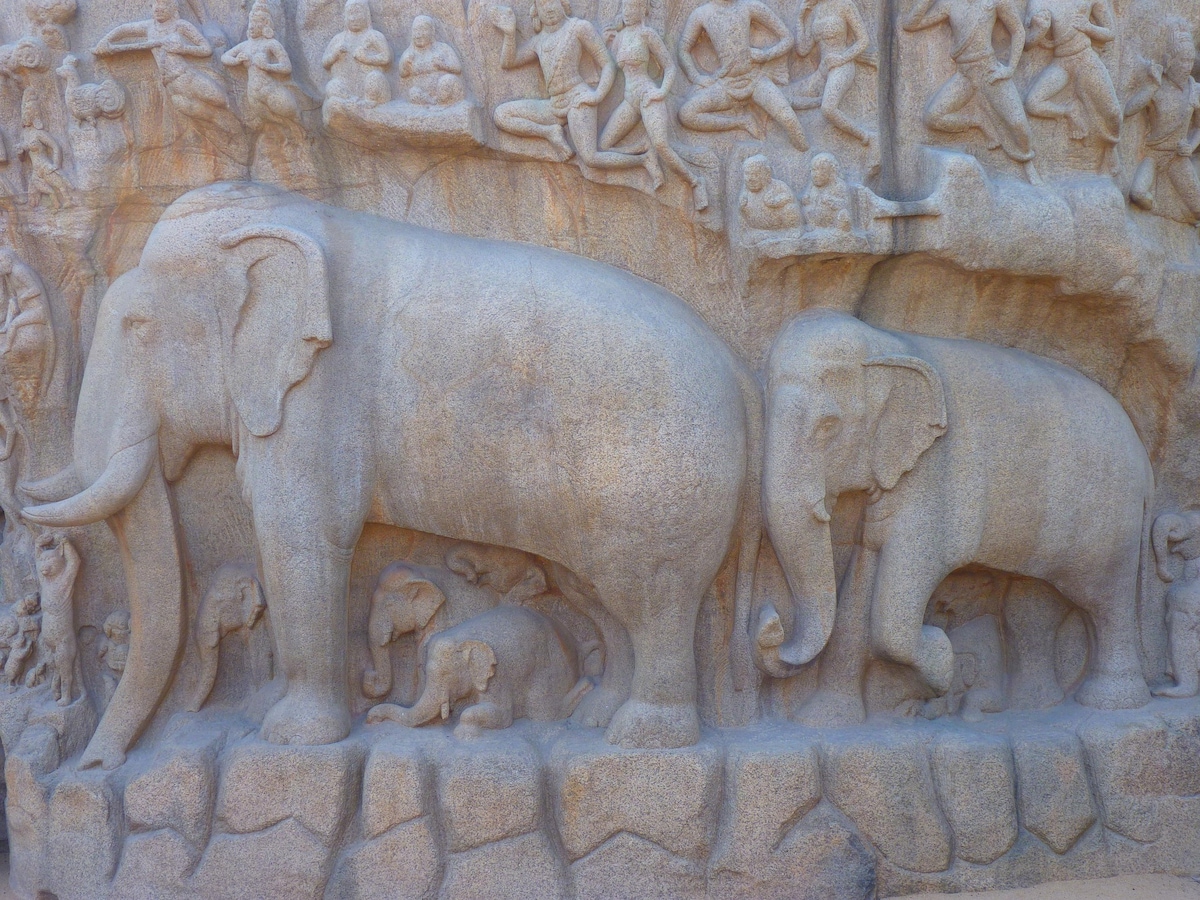
Mahabalipuram Surf Lesson and guided tour
Fri, Feb 13 • 9:00 AM
Vinodhara Mahabalipuram, Tamil Nadu, 603104, India
View details
Nearby attractions of Ganesha Ratha
Krishna's Butter Ball
Arulmigu Sri Sthala Sayana Perumal Temple
Varaha Cave
Krishna Mandapam
Roya Gopuram
Draupadi's bath
Mahishasura Mardini Cave
Group of Monuments at Mahabalipuram
Valayankuttai Ratha
Mahishasura Rock
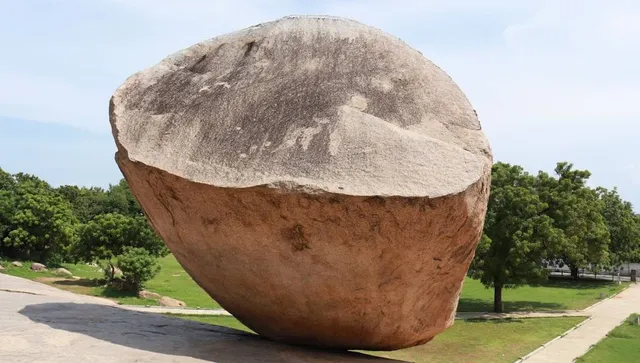
Krishna's Butter Ball
4.5
(10.3K)
Open until 6:00 PM
Click for details
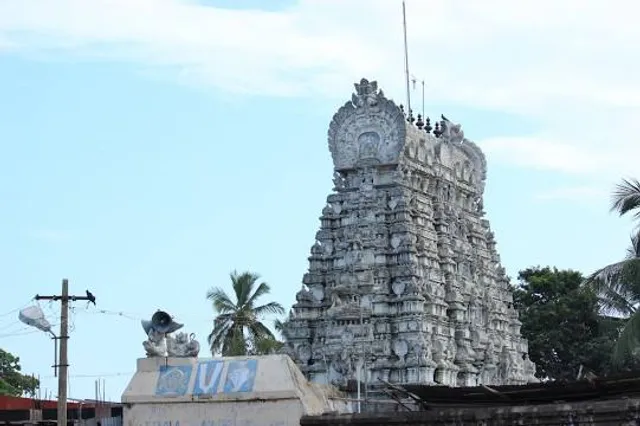
Arulmigu Sri Sthala Sayana Perumal Temple
4.6
(1.2K)
Open until 12:00 PM
Click for details
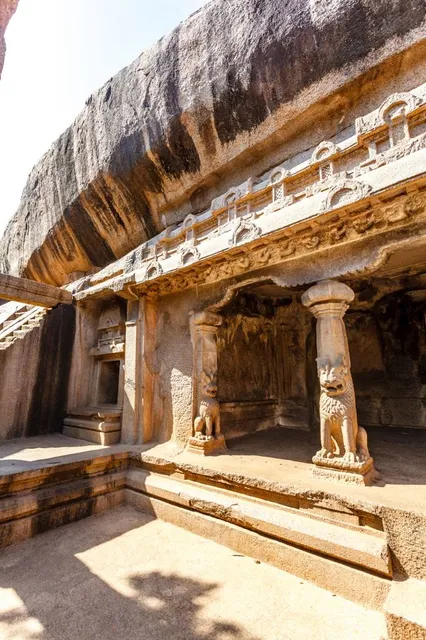
Varaha Cave
4.7
(277)
Open until 6:00 PM
Click for details
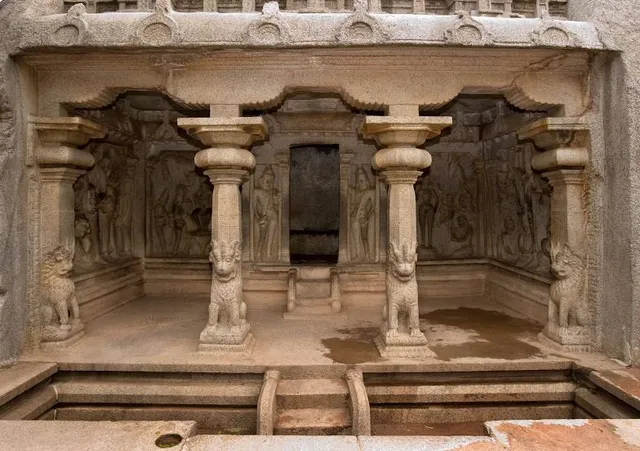
Krishna Mandapam
4.6
(192)
Open until 5:00 PM
Click for details
Nearby restaurants of Ganesha Ratha
Wok To Dhaba Restaurant
The Golden Palate ( Pure Vegetarian Restaurant ) - Hotel Mamallaa Heritage
Sri Ananda Bhavan
Hotel Mamalla Bhavan ( Pure Vegetarian Restaurant )
Madras Chronicle
Moonrakers Restaurant
Zentrum Cafe & Restaurant
Hotel Guru
SUNRISE RESTAURANT since 1983
Hotel Yoga Lakshmi Pure Vegetarian
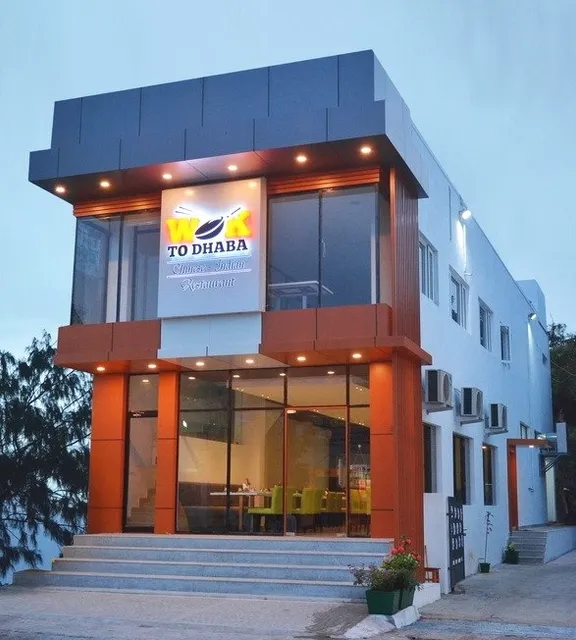
Wok To Dhaba Restaurant
4.8
(2K)
Closed
Click for details
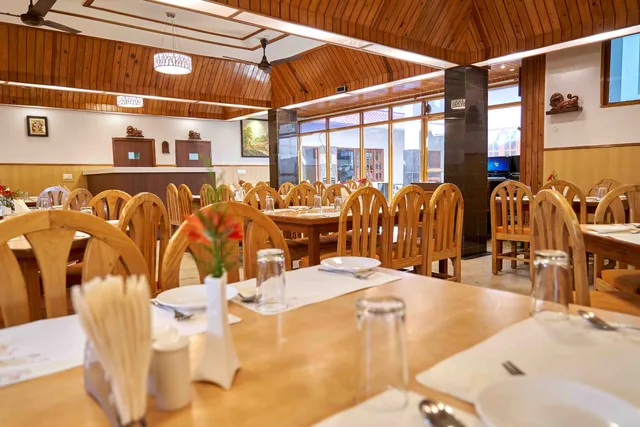
The Golden Palate ( Pure Vegetarian Restaurant ) - Hotel Mamallaa Heritage
4.6
(2K)
Open until 10:30 PM
Click for details
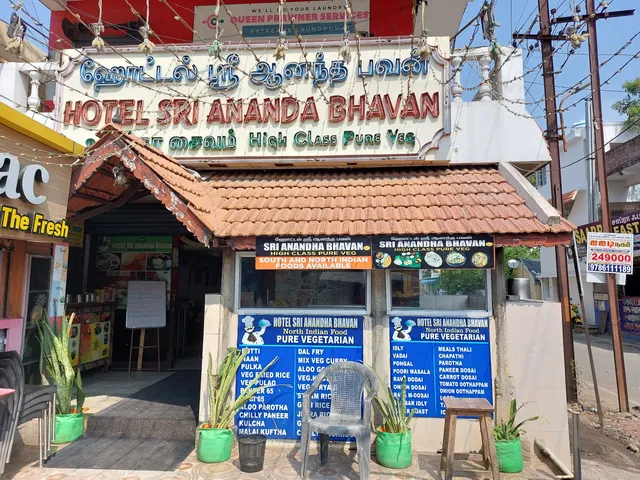
Sri Ananda Bhavan
4.4
(3.6K)
Open until 10:30 PM
Click for details
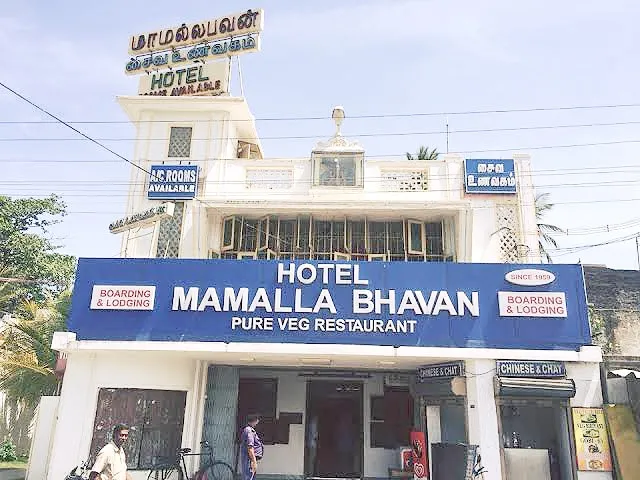
Hotel Mamalla Bhavan ( Pure Vegetarian Restaurant )
3.8
(785)
Open until 10:00 PM
Click for details
Nearby local services of Ganesha Ratha
Arjuna's Penance
Descent of the Ganga River
Sculpture Museum
Olakkannesvara Temple
Mahabalipuram Beach
Mahabalipuram.org
Rock Sculptures
Shore Temple
Beach Mahabalipuram
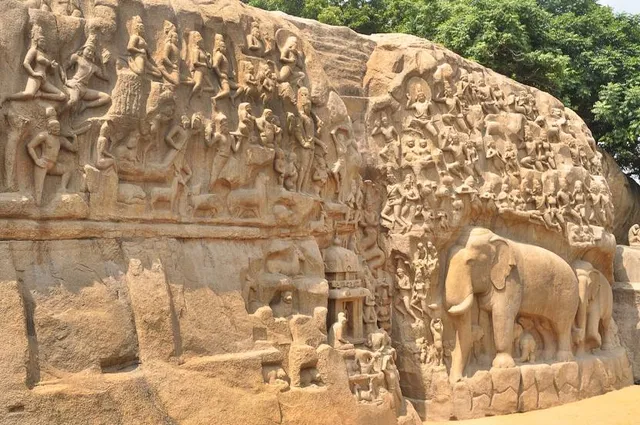
Arjuna's Penance
4.6
(943)
Click for details
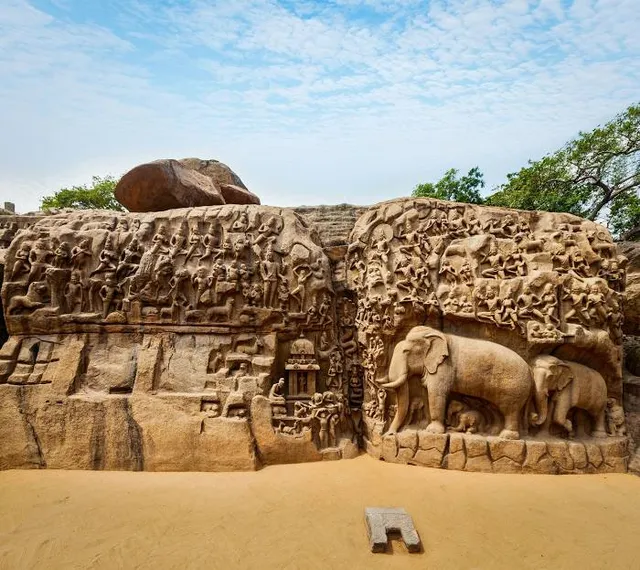
Descent of the Ganga River
4.6
(325)
Click for details
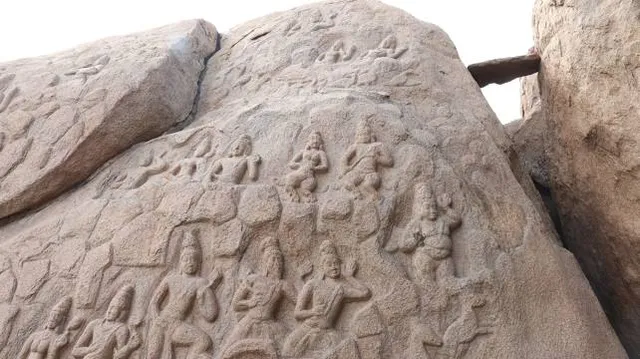
Sculpture Museum
4.0
(93)
Click for details
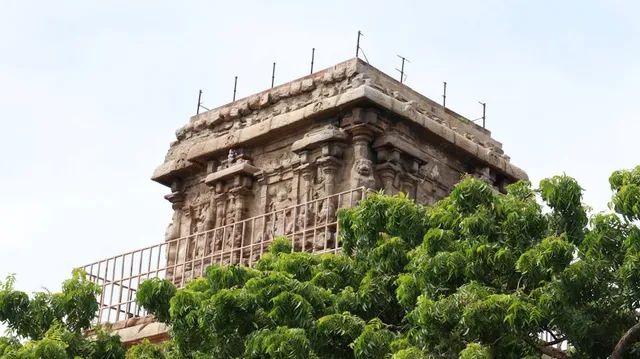
Olakkannesvara Temple
4.6
(171)
Click for details