Kashi Vishwanath Temple: Significance and Historical Importance in Hindu Religion
The Kashi Vishwanath Temple is one of the most revered and ancient temples in Hinduism, dedicated to Lord Shiva. It is located in Varanasi (formerly known as Kashi), a city on the banks of the Ganges River in the northern state of Uttar Pradesh, India. The temple has a profound religious, spiritual, and historical significance for Hindus and is a key symbol of India’s ancient religious heritage.
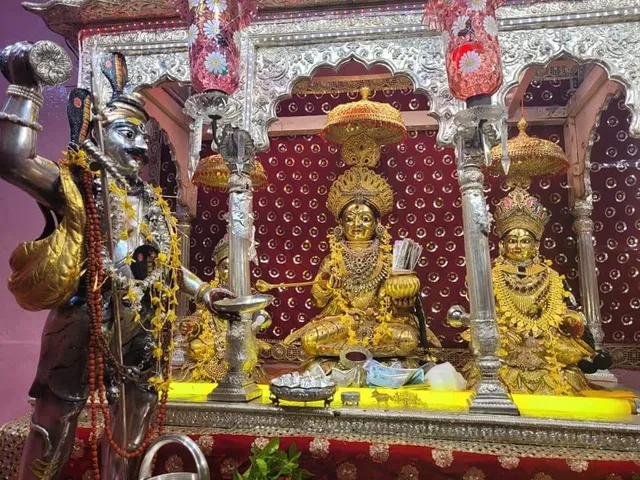
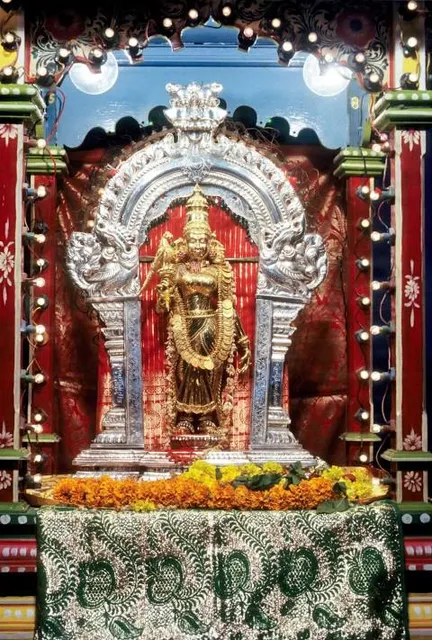
Significance of Kashi Vishwanath Temple in Hinduism Dedication to Lord Shiva: The Kashi Vishwanath Temple is dedicated to Lord Vishwanath, a manifestation of Lord Shiva, one of the principal deities in Hinduism. Lord Shiva is considered the Lord of the Universe and the Destroyer within the Hindu Trinity (Trimurti), along with Brahma (the Creator) and Vishnu (the Preserver). The temple's name, "Vishwanath," translates to "Lord of the Universe," symbolizing Shiva’s supreme and all-pervading nature.
Spiritual and Religious Importance:
The temple is believed to be one of the 12 Jyotirlingas (divine light pillars), which are the holiest shrines dedicated to Lord Shiva. It is said that worshipping at a Jyotirlinga purifies the soul and leads to moksha (liberation from the cycle of birth and death). The city of Varanasi (Kashi) itself is considered one of the holiest places in Hinduism. It is believed that anyone who dies in Varanasi, especially those who bathe in the sacred Ganges and pray at the Kashi Vishwanath Temple, attains liberation (moksha). According to Hindu scriptures, Kashi is the ultimate destination for the soul, where one can end the cycle of rebirth. Association with Death and Liberation (Moksha): Varanasi, also called Kashi, is known as the "City of Light" or the "City of Salvation." The belief is that being in Kashi, particularly near the Kashi Vishwanath Temple, helps one attain moksha. It is a common belief among Hindus that taking a dip in the Ganges and praying at the temple will absolve one's sins and grant liberation from the cycle of birth and death.
Historical and Mythological Significance:
Kashi has been a site of worship for thousands of years, and the temple is mentioned in ancient scriptures, such as the Skanda Purana, Shiva Purana, and Kashi Khanda. It is believed that the original temple was built by the legendary kings of ancient India. According to Hindu mythology, the city of Kashi is said to have been established by Lord Shiva himself. It is believed that Lord Shiva chose this city to make his abode because it is said to be eternal, never to be destroyed, even during the cosmic dissolution (Pralaya). Rituals of Death and Salvation: The temple is also linked to the rites of passage, especially those concerning the afterlife. Devotees often visit Varanasi to perform the last rites for their loved ones, hoping to ensure their soul's peaceful journey toward liberation.
The Kashi Vishwanath Temple holds unparalleled significance in Hinduism as a center of devotion, spiritual salvation, and divine presence. It stands as a symbol of Lord Shiva's power and mercy, with the city of Kashi serving as a beacon of spiritual enlightenment. The temple’s rich history, coupled with its role in the larger religious landscape of India, makes it one of the holiest and most important places of worship in Hinduism. Whether it is the ancient roots of the temple, its mythological connection, or its role in the everyday lives of millions, Kashi Vishwanath Temple continues to be a spiritual hub for...
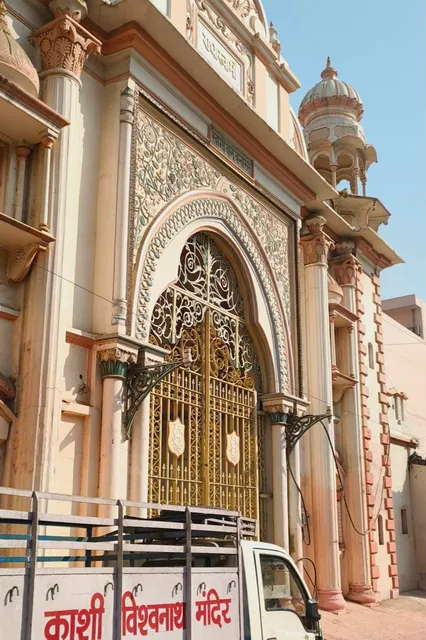
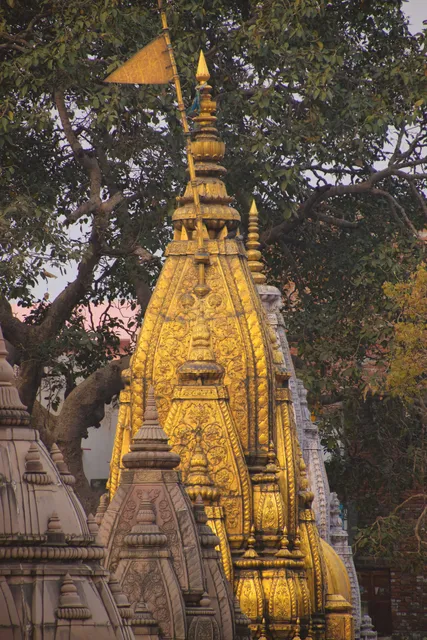
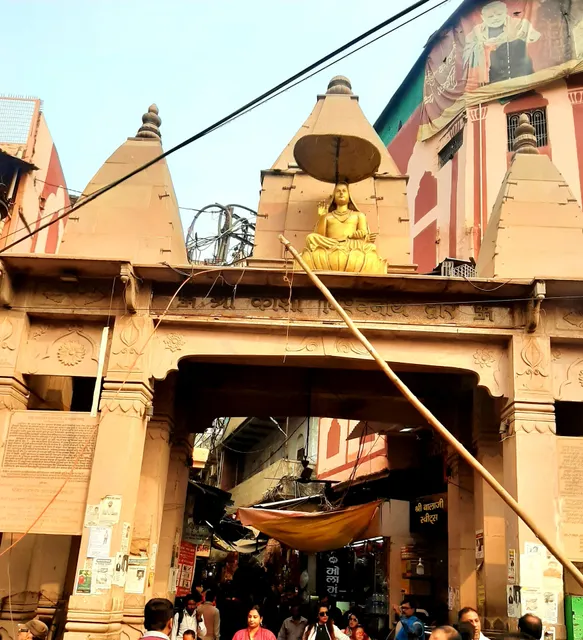
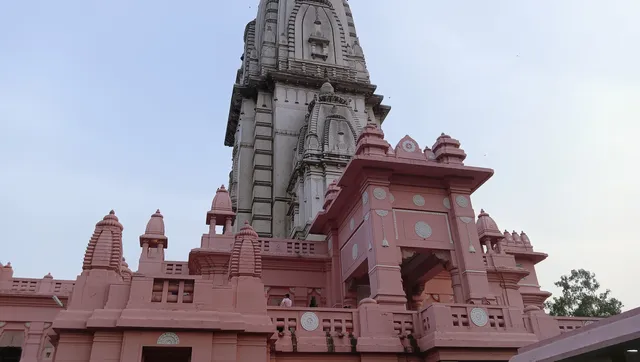
Read moreVisiting the Kashi Vishwanath Temple in Varanasi was a profound spiritual experience that I will cherish forever. Nestled in one of the holiest cities in India, this temple is dedicated to Lord Shiva and is an integral part of Indian spirituality and culture. Here’s a detailed account of my visit, which I hope will help fellow travelers prepare for their own journey. As I approached the temple, I was greeted by the vibrant hustle and bustle of Varanasi’s streets. The narrow lanes leading to the temple were alive with the sounds of chanting, vendors selling offerings, and the fragrance of incense wafting through the air. The atmosphere was charged with devotion and energy, setting the perfect tone for my visit. Upon reaching the temple complex, I was struck by its intricate architecture. The golden spire of the temple, shimmering in the sunlight, was a sight to behold. The intricate carvings and the historical significance of the structure made it clear why this temple is considered one of the most important in India. Before entering, I took a moment to soak in the surroundings. Devotees were engaged in various rituals, offering prayers, flowers, and fruits to the deity. I noticed a diverse mix of people—locals, tourists, and pilgrims—each immersed in their own spiritual journey.
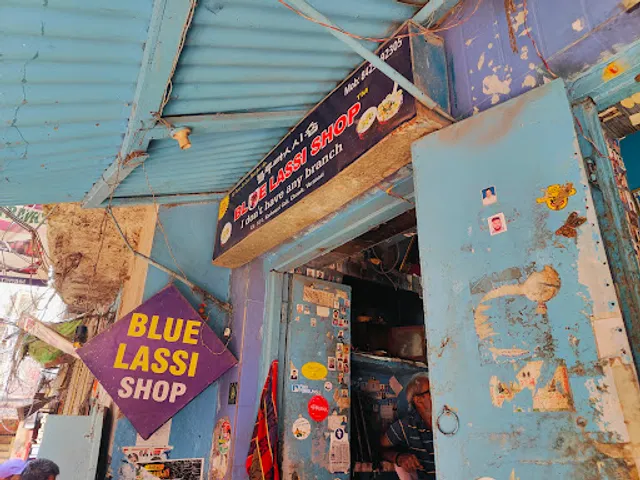
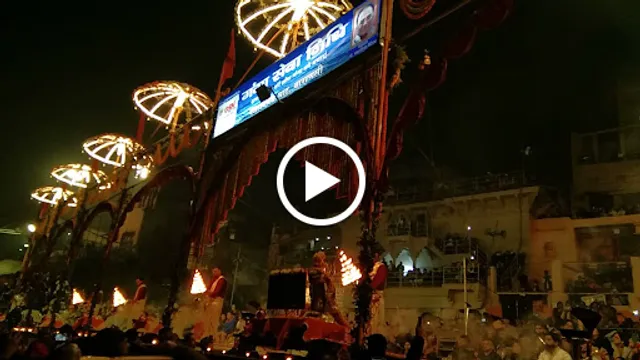
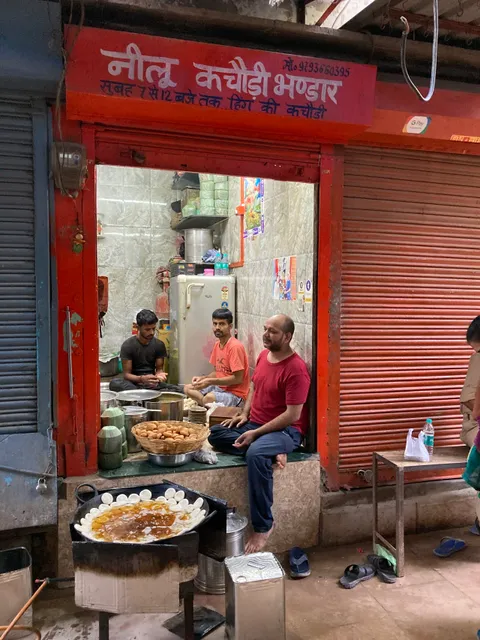
Entering the temple required a brief security check, which was handled efficiently. As I stepped inside, I felt a wave of tranquility wash over me. The atmosphere was reverent, with the sound of bells ringing and soft chants echoing around me. Reaching the inner sanctum, I was finally face-to-face with the main deity, the Shiva Lingam. The sight was both awe-inspiring and humbling. I joined others in offering my prayers, taking a moment to reflect on my own life and the larger universe. The energy in the room was palpable, with devotees expressing their devotion in various forms, from chanting to silent meditation. I was fortunate enough to witness some of the daily rituals performed by the priests. The sight of the aarti (light offering) was particularly moving. Flames danced against the backdrop of the ancient temple walls, illuminating the faces of the gathered devotees. I felt a deep connection not just to the place, but to the countless souls who had stood in that very spot, seeking solace and blessings. For those wishing to offer prayers or perform specific rituals, there are various options available, including the purchase of offerings from nearby vendors. I bought some fresh flowers and participated in a simple puja (ritual), which added a personal touch to my experience. After my visit to the temple, I explored the surrounding area, which is equally vibrant. The streets are lined with shops selling religious artifacts, clothes, and local handicrafts. I indulged in some delicious street food—try the kachoris and lassi!—and took time to engage with local vendors, many of whom shared fascinating stories about the temple and its significance.
Try to visit early in the morning to avoid crowds and fully immerse yourself in the spiritual ambiance. As a place of worship, it’s important to dress respectfully. Lightweight, modest clothing is ideal, especially considering the warm weather. Varanasi can be quite hot, so keep water with you, especially if you plan to explore the area around the temple. Expect security checks at the entrance. Keep your belongings minimal and avoid carrying large bags. Be mindful of the rituals and the devotees around you. Silence and respect are appreciated in such...
Read moreKashi Vishwanath Temple and Varanasi: Visitor's Guide
Temple Visit Crowd: Expect large crowds, especially on Mondays. Ticket Booking: Tickets available 200m ahead of the temple; use immediately. Prasad Shops: Local shops arrange tickets and provide pandit guidance. Lockers: Store belongings; no items allowed inside. Darshan: Focus on Shiv Pendi (Shivlinga); time is limited.
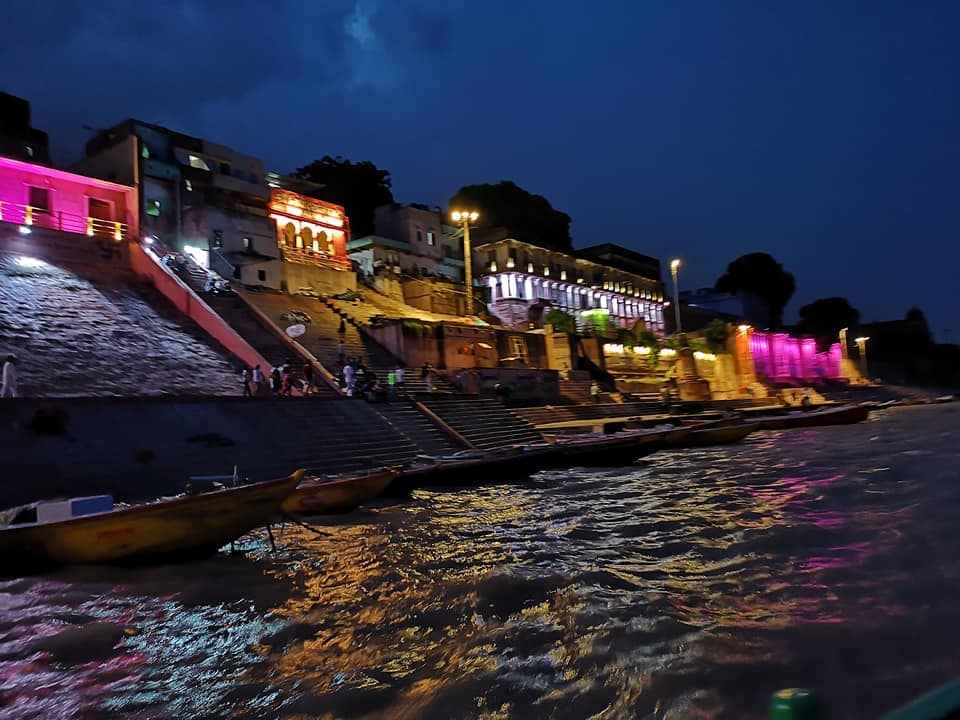
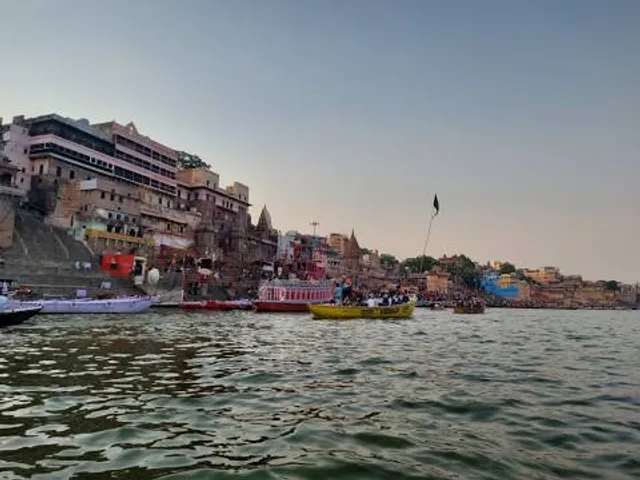
Varanasi Experience Food: Try local delicacies like kachori, malaiyo, and paan. Accommodation: Book in advance; options limited. Transport: Bargain with auto-rickshaws or opt for group boat rides. Ghats and Boat Rides: Private boat rides offer unique experience. ** [1/30, 9:37 AM] Meta AI: Here's a polished version:
Kashi Vishwanath Temple and Varanasi: Visitor's Guide Temple Visit Crowd: Expect large crowds, especially on Mondays. Ticket Booking: Tickets available 200m ahead of the temple; use immediately. Prasad Shops: Local shops arrange tickets and provide pandit guidance. Lockers: Store belongings; no items allowed inside. Darshan: Focus on Shiv Pendi (Shivlinga); time is limited.
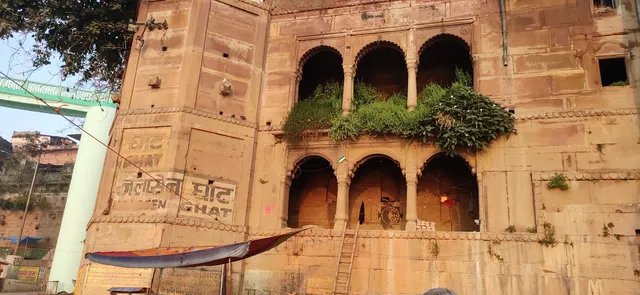
Varanasi Experience Food: Try local delicacies like kachori, malaiyo, and paan. Accommodation: Book in advance; options limited. Transport: Bargain with auto-rickshaws or opt for group boat rides. Ghats and Boat Rides: Private boat rides offer unique experience. Ganga Aarti: Arrive by 4 PM at Dashashwamedh Ghat.
Tips Comfortable Shoes: Wear comfortable shoes for walking. Money Management: Carry change and use secure bags. Hygiene: Choose clean shops and food stalls.
Have a safe and enjoyable trip! Ticket Booking: Tickets available 200m ahead of the temple; use immediately. Prasad Shops: Local shops arrange tickets and provide pandit guidance. Lockers: Store belongings; no items allowed inside. Darshan: Focus on Shiv Pendi (Shivlinga); time is limited.
Varanasi Experience Food: Try local delicacies like kachori, malaiyo, and paan. Accommodation: Book in advance; options limited. Transport: Bargain with auto-rickshaws or opt for group boat rides. Ghats and Boat Rides: Private boat rides offer unique experience. ** [1/30, 9:37 AM] Meta AI: Here's a polished version:
Kashi Vishwanath Temple and Varanasi: Visitor's Guide Temple Visit Crowd: Expect large crowds, especially on Mondays. Ticket Booking: Tickets available 200m ahead of the temple; use immediately. Prasad Shops: Local shops arrange tickets and provide pandit guidance. Lockers: Store belongings; no items allowed inside. Darshan: Focus on Shiv Pendi (Shivlinga); time is limited.
Varanasi Experience Food: Try local delicacies like kachori, malaiyo, and paan. Accommodation: Book in advance; options limited. Transport: Bargain with auto-rickshaws or opt for group boat rides. Ghats and Boat Rides: Private boat rides offer unique experience. Ganga Aarti: Arrive by 4 PM at Dashashwamedh Ghat.
Tips Comfortable Shoes: Wear comfortable shoes for walking. Money Management: Carry change and use secure bags. Hygiene: Choose clean shops and food stalls.
Have a safe and...
Read more