Shree Annapurna Mandir, located in the ancient city of Varanasi, Uttar Pradesh, is one of the most revered temples dedicated to Goddess Annapurna, the Hindu deity of food and nourishment. Annapurna is considered a form of Goddess Parvati, the consort of Lord Shiva, and is widely worshiped as the provider of sustenance and prosperity. The temple holds profound religious significance for devotees who believe that worshiping Annapurna ensures abundance, nourishment, and prosperity in their lives.
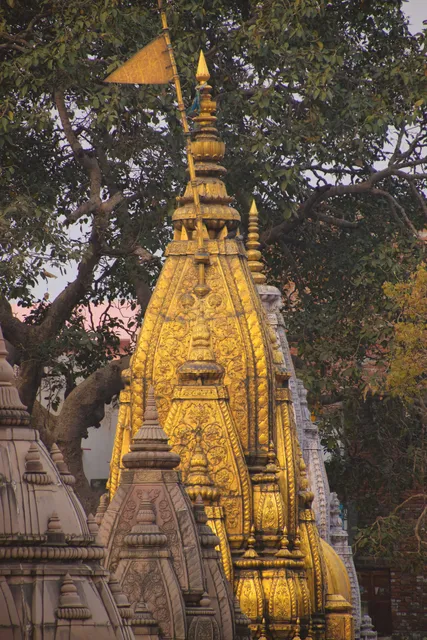
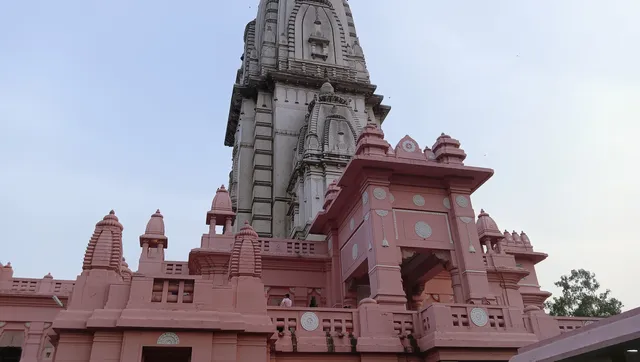
The temple as it stands today was constructed in 1729 AD by the Maratha Peshwa Bajirao I, the prominent ruler known for his patronage of Hindu temples and culture. The architectural style of the temple follows the Nagara style prevalent in North India, characterized by a tall shikhara (spire) adorned with intricate carvings and statues. The temple complex features a grand pillared porch leading to the sanctum, where the goddess’s idols reside.
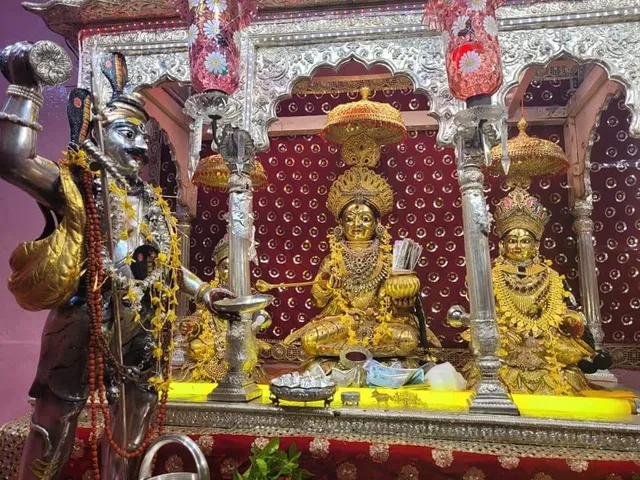
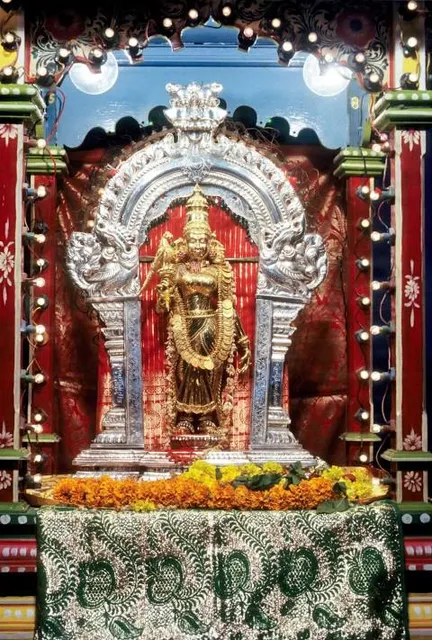
There are two main idols of Goddess Annapurna inside the temple. One is made of brass and is available for daily darshan (worship), while the other is a magnificent golden idol that is revealed once a year during the Annakut festival, celebrated a day after Diwali. On this festival, known as Annakut or Govardhan Puja, the temple sees a large influx of devotees who seek blessings through offerings and coin distribution, believed to bring prosperity and success. The temple trust distributes coins, known as "khazana," and rice grains as prasad to devotees, symbolizing the goddess’s benevolence.
Annapurna Mandir is associated with several mythological stories. One popular legend states that once the universe was plunged into darkness when Goddess Parvati closed the three eyes of Lord Shiva as a curse. Parvati lost her radiance and sought Shiva’s help to regain her fair complexion (Gauri form). Shiva advised her to donate food (anna) in Varanasi. Consequently, Parvati took the form of Annapurna, carrying a golden pot and ladle, and began distributing food generously in Varanasi, restoring nourishment and life to the world.
Another belief associated with the temple is that Parvati once became angry with Shiva for saying that everything in the world, including food, is maya (illusion). To prove the vital importance of food, she made all the food disappear from the earth, causing widespread hunger and suffering. Shiva, realizing the significance of food, came begging for it at her door, prompting Parvati to feed him personally and subsequently establish a kitchen in Varanasi for her devotees.
The temple also has shrines dedicated to other deities such as Lord Ganesha, Lord Shiva, Kubera (god of wealth), Surya (the sun god), Satyanarayan, and Hanuman, making it a multifaceted spiritual center.
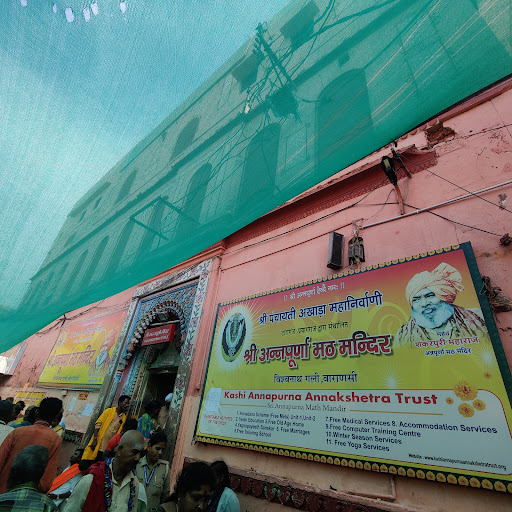
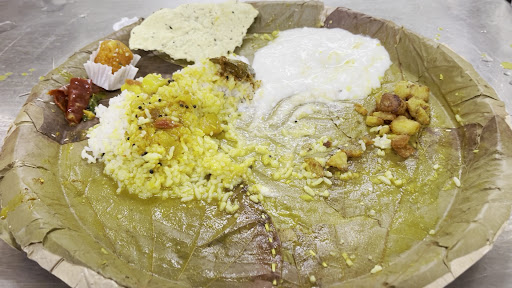
Managed by the Kashi Annapurna Annakhetra Trust, the temple offers a free kitchen serving food to devotees throughout the year, embodying the goddess’s spirit of nourishment and generosity. The trust also engages in social initiatives such as old age homes, free medical clinics, women empowerment programs, schools, and orphanages, further exemplifying the temple’s outreach and community service.
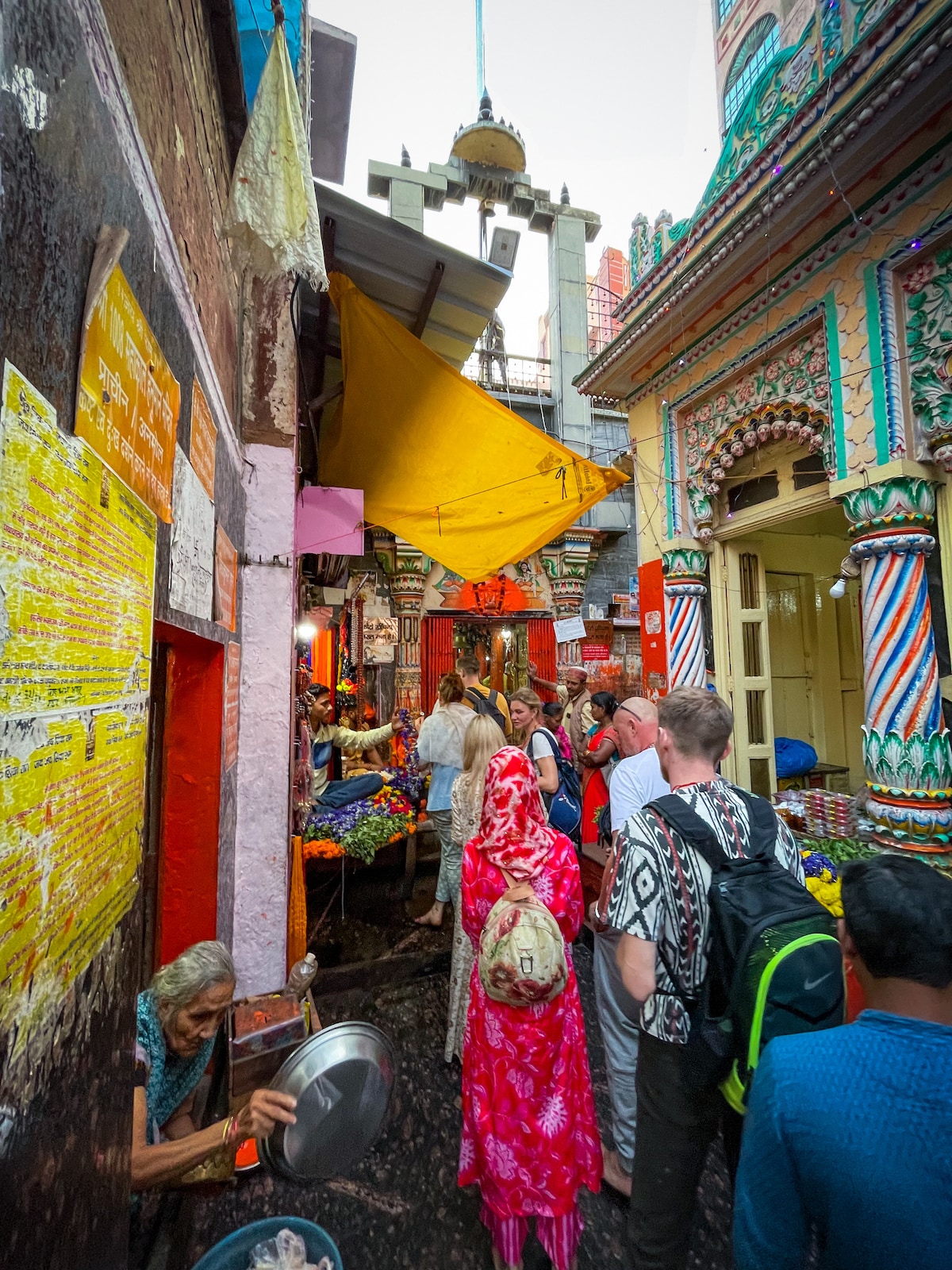
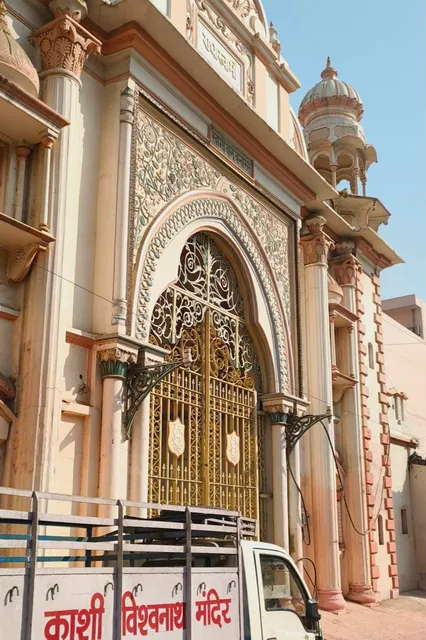
Situated just a few meters northwest of the famous Kashi Vishwanath Mandir, the temple enjoys a prime location in Varanasi’s religious landscape, making it easily accessible for pilgrims...
Read moreAnnapurna Devi Mandir (Hindi: अन्नपूर्णा देवी मंदिर), also known as Annapurna Mata Mandir and Annapurna Mandir, is one of the most famous Hindu temples (Mandir) in the holy city of Varanasi. This temple has great religious importance in Hinduism and is dedicated to the goddess Annapurna. Annapurna is the Hindu goddess for nourishment and is a form of the goddess Parvati. The current Annapurna Mandir was constructed in the 18th century by Maratha Peshwa Bajirao I
Annapurna Devi Mandir was constructed in 1729 AD by Maratha Peshwa Baji Rao.
The temple is constructed in Nagara architecture and has sanctum with large pillared porch, which houses a picture of goddess Annapurna. The temple also houses two icons of the goddess; one made of gold and other of brass. The brass icon is available for daily darshan (viewing & worship). The gold icon can be only seen once a year; on Annakut day.
In Hindu mythology, there are two popular beliefs behind the origin of this temple.
According to one belief, once the goddess Parvati closed all three eyes of her husband Shiva. Due to this, the entire world was filled with darkness. Parvati stole her fair complexion (Gauri form). She asked Shiva for his help to reacquire her Gauri form. Shiva asked her to donate anna (food) in Varanasi. Hence, she took the form of Annapurna (the goddess of food) with a golden pot and ladle, and donated food in Varanasi.
According to another belief, once Shiva commented that the entire world (including food) is maya (illusion). Parvati, the goddess of food, got angry and decided to demonstrate the importance of food by making all the food on earth disappear. The world started to suffer due to hunger. Shiva finally came to Parvati and acknowledged the importance of food, begging for food at her door. Parvati became happy, offered food by her own hands to Shiva and then made a kitchen in Varanasi for her devotees. Annapurna Devi Mandir is situated in Visheshwarganj, Varanasi. It is situated 15 meters North-West of the famous Kashi Vishwanath Mandir, 350 meters West of Manikarnika Ghat, 5 kilometers South-East of Varanasi Junction railway station and 4.5 kilometers North-East of Banaras...
Read moreThe Shree Annapurna Temple in Varanasi is a revered Hindu temple dedicated to the goddess Annapurna, who is considered the goddess of food and nourishment. The temple is located in the heart of the city, near the famous Kashi Vishwanath temple, and is known for its devotion towards its visitors.
The temple complex comprises a beautiful shrine dedicated to the goddess Annapurna. The temple architecture is stunning, with intricate carvings and paintings on the walls and windows, adding to the devout atmosphere. The temple is an essential site for devotees seeking blessings and peace, and it attracts many visitors every day.
One of the unique offerings of the temple is Anadhan, or food distribution, to pilgrims and visitors. Every day by 07.30 am to 10.00 pm, the temple serves free, delicious vegetarian meals to anyone who visits the temple complex. The food is prepared with love and devotion by the temple kitchen staff and volunteers, and the quality and cleanliness of the place are commendable.
The Anadhan provided by the temple is a significant attraction for visitors to the temple. The practice of providing free meals is considered highly sacred and is believed to be an act of selfless service to the community by the temple authorities and the volunteers. The temple serves food to everyone, irrespective of their caste, creed, or religion, making it a symbol of unity and brotherhood.
The temple also runs many programs aimed at supporting the needy and underprivileged. The temple management regularly donates food, clothes, and other essential items to the poor and ensures that they have a dignified standard of living.
In conclusion, The Shree Annapurna Temple in Varanasi, along with its Anadhan program, is a must-visit spot for anyone who seeks to experience the essence of Hindu culture and tradition. The temple's atmosphere, beautiful architecture, and selfless service towards the community make it an excellent destination for tourists seeking spiritual and cultural experiences...
Read more